
- Advantages and disadvantages of cherry tomatoes
- Where are tomatoes used?
- How to grow cherry tomatoes
- Sowing tomatoes
- Selecting high-quality seed material
- Germination of seedlings
- Soil selection
- Selecting a container
- Sowing dates
- Timing of seedling transplantation
- Planting technology and schemes
- Into open ground
- Into the greenhouse
- To the balcony
- In hanging baskets
- How to properly care for tomatoes
- Pricking out plants
- Watering
- Top dressing
- Garter
- Bush formation
- Pest and disease control
- Popular varieties of cherry tomatoes
The popularity of miniature tomatoes is due to their unique shape and flavor. Until recently, cherry tomato varieties were unknown, but now they have spread throughout the world. Cherry-like fruits (cherry translates from English as "cherry") cover tomato plants abundantly. Cherry tomato cultivation is simple, and there are no particular difficulties in agricultural technology. The varieties bred by breeders are suitable for long-term storage and automated production in the fields.
Advantages and disadvantages of cherry tomatoes
The difference between cherry tomatoes and regular tomatoes is that they:
- grow quickly, forming lush bushes;
- ripen together;
- high-yielding;
- universal in application;
- have a sweet taste.
Mini fruits contain a high percentage of dry matter. Lycopene in the pulp has a positive effect on heart and vascular health, while beta-carotene increases lifespan.
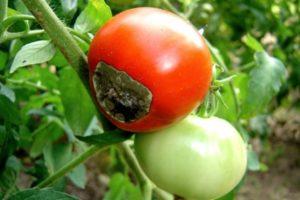
Cherry tomatoes are prone to cracking if they don't get enough moisture. They're also sensitive to fog, as it can cause the fruit to turn black and spoil.
Cherry tomatoes picked prematurely lose their nutritional value. They are best left to ripen on the vine.
Where are tomatoes used?
Eating cherry tomatoes helps normalize the lymphatic and circulatory systems. Including delicious tomatoes in your diet can help prevent cancer. You can enjoy ripe tomatoes throughout the summer. Children especially love them.
Restauranteurs have long noted that cherry tomatoes are the best garnish for dishes. They are either halved or placed whole on salads, meats, and fish. They pair well with rice, potatoes, and legumes.

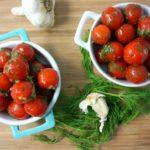
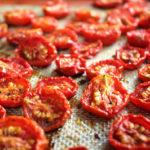
Housewives pickle and salt small fruits for the winter. Dried vegetables are considered a delicious preserve. They are kept in a ventilated, dry, and warm area, away from direct sunlight. The dried fruits are placed in jars and covered with vegetable oil.
How to grow cherry tomatoes
Cherry tomato cultivation is no different from that of larger-fruited varieties. They are best grown from seedlings, then planted in open ground or a greenhouse. Alternatively, you can grow the vegetable on a windowsill or in hanging baskets. Then, you can immediately sow the seeds in their permanent location.
Sowing tomatoes
Proper tomato sowing is crucial for fruiting. To prepare strong seedlings, pay attention to the quality of the planting material. The ripening and quality of the fruits depend on the sowing time. After all, they taste better when picked from the bush than when ripened indoors.
Selecting high-quality seed material
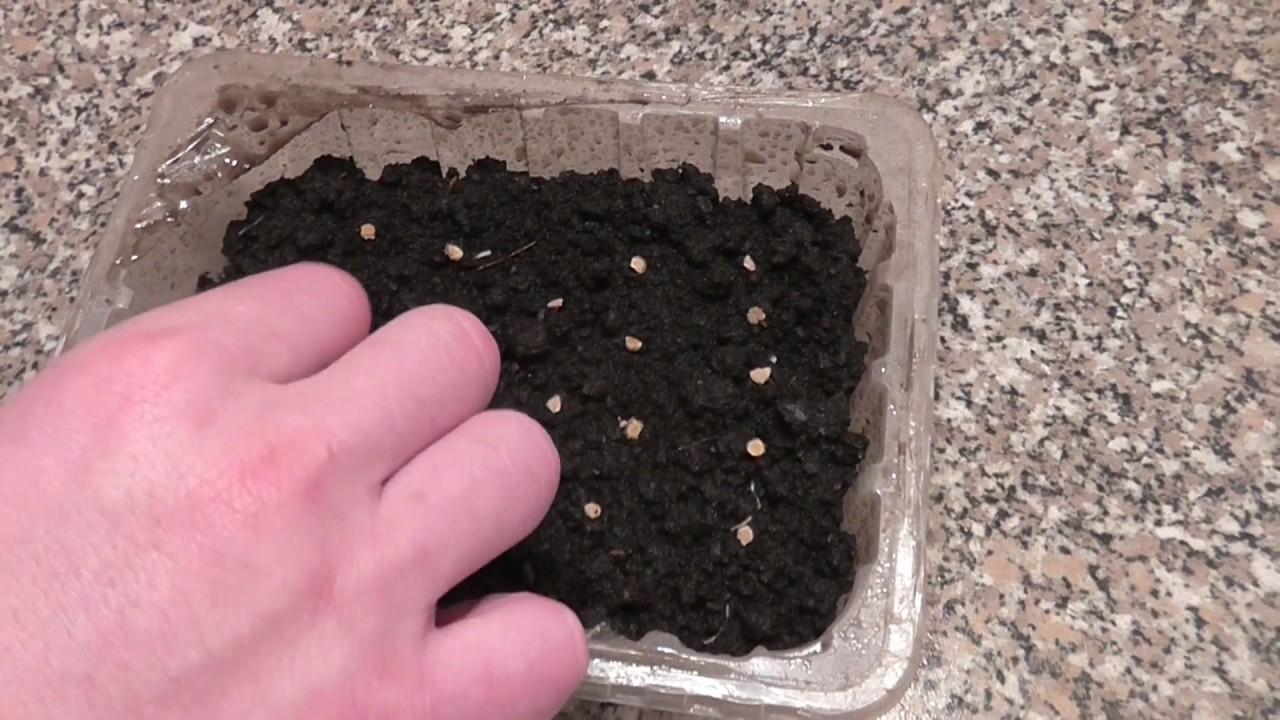
Working with the planting material begins with discarding the defective seeds. To do this, soak the seeds in warm, slightly salted water. The empty ones will float immediately. After stirring again, discard the ones that float to the top. Then drain the water, and rinse the seeds that have sunk to the bottom under the tap and dry them on a towel.
The seeds are treated by dipping them in a solution of potassium permanganate, then in water containing dissolved wood ash. They are soaked for 12 hours. After each treatment, the seeds are rinsed. Once dry, they are refrigerated for a week.
Germination of seedlings
To speed up germination, place tomato seeds in damp layers of cheesecloth or toilet paper. You can also place the wrapped seedlings in plastic bottles cut in half. Warmth is essential for sprouting. The optimal temperature for germination is 23-25 degrees Celsius.
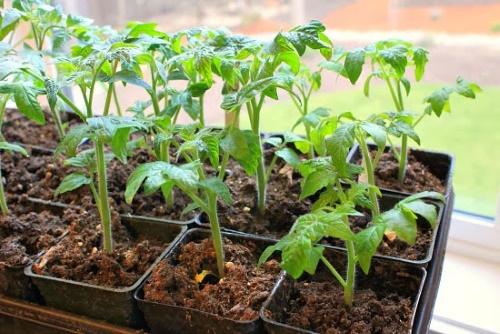
The sprouts will emerge in 5-7 days. Place them in a container with nutritious soil. When planting, handle the sprouted seeds carefully, being careful not to damage the tender seedlings.
Soil selection
Only nutritious soil can help tomato seedlings grow strong and fruitful. For this purpose, ready-made soil mixes are available at the store. Alternatively, you can mix your own sod soil with equal parts peat or humus. To ensure a loose soil, use one part river sand or vermiculite.
Now all that's left to do is disinfect the soil. It's doused with boiling water or a 1% potassium permanganate solution. This procedure is performed two weeks before planting the vegetable. During this time, the soil will be filled with beneficial microorganisms. Keep in mind the soil's acidity. It should have a pH between 6.0 and 6.5.

Selecting a container
If the seedlings are to be planted outdoors or indoors, tomatoes are planted in boxes or containers. Peat pots or cups can be used. This eliminates the need to transplant the seedlings.
When planning to grow tomatoes on a balcony, they are immediately sown in boxes so as not to have to transplant the seedlings.
For hanging baskets, prepare peat pots filled with a nutrient-rich mixture. Be sure to disinfect wooden or plastic containers.

Sowing dates
Once all the preparatory work is complete, tomato sowing begins. Cherry tomatoes take an average of 90 to 110 days to fully ripen. Sow so that the seedlings can quickly and successfully adapt to the garden bed or greenhouse. The best time to sow is mid-March.
When to plant tomatoes in hanging baskets or planters depends on the desired harvest time. February is also an option, as the fruit will ripen earlier. However, keep the containers indoors until the temperature on the balcony or garden becomes comfortable for the vegetable crop.
Timing of seedling transplantation
The timing of planting cherry tomato seedlings in open ground must be determined in accordance with the climate and weather. In southern regions, this may be early April; in central Russia, it may be mid- or late April. In Siberia, seedlings should be transplanted outdoors in early May, after the threat of frost has passed. Planting should be done in soil warmed to 10 degrees Celsius.
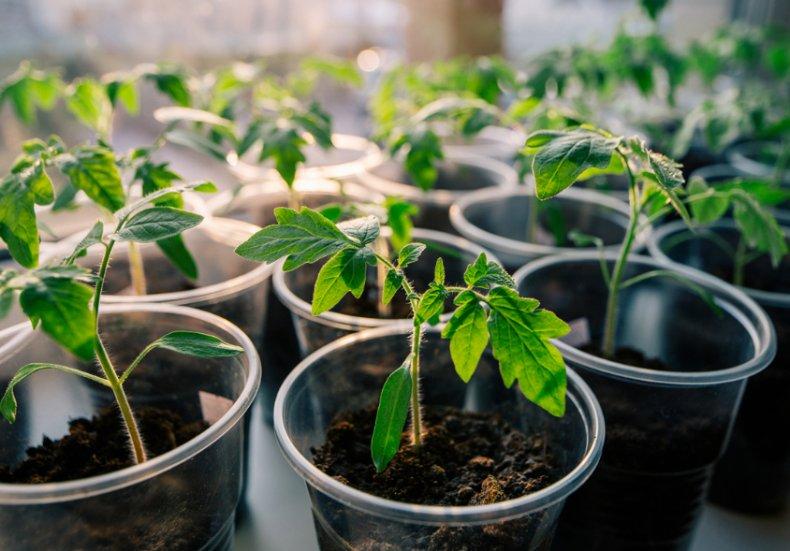
Seedlings can be transferred to the greenhouse 2 weeks earlier than to open beds.
Planting technology and schemes
Preparation for planting cherry tomatoes outdoors begins in advance. This involves digging the soil and adding compost and mineral fertilizer.
Greenhouses require preliminary disinfection and warming by spreading fresh manure along the walls. A 18-centimeter layer of nutrient-rich soil mixture is poured indoors, the area is leveled, and holes are prepared. Planting is easier. tomatoes on the balconyYou just need to move the boxes with seedlings when the outside temperature warms up to 15 degrees.

Into open ground
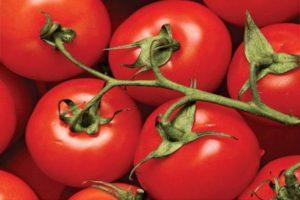
Hardened tomatoes are not watered before planting. Holes are prepared measuring 30 x 30 x 30 centimeters. Cherry tomatoes can be planted in rows of two rows. A 50-centimeter distance between plants and a similar distance between rows is sufficient.
Add up to 500 grams of compost and 50 grams of wood ash, mixed with the soil, to each hole. Plant the cherry tomato seedlings in the soil up to the first true leaf. Then, pour up to 2-3 liters of water onto each plant.
Into the greenhouse
In heated greenhouses, seedlings can be grown in boxes and then transplanted into garden beds. Once they have established themselves and developed a strong root system, they are transferred to plastic covers.

Tomato seedlings should be planted almost to the bottom of the rack. Before planting, add 50 grams of wood ash mixed with soil to the holes. Elongated seedlings are planted at an angle, with the stems laid along the row and covered with soil. The same procedure is used if the greenhouse is low.
To the balcony
Cherry tomatoes are designed for growing on a balcony.For this purpose, choose low-growing varieties with early ripening periods. If you need to transfer seedlings from an apartment to boxes on a balcony, plant them as the weather warms. Make small holes in the soil, measuring 20 x 20 x 20 centimeters. Pay attention to the condition of the soil and its nutritional value. Add humus and wood ash as needed.
In hanging baskets
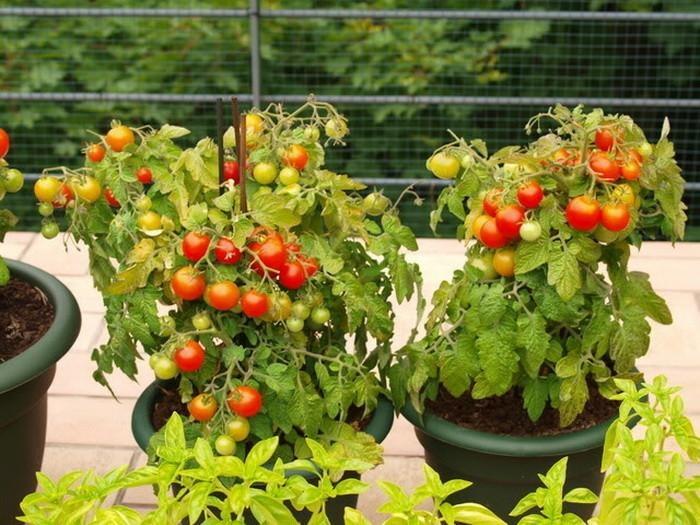
For growing in hanging baskets, you need ampelous tomato varieties with stem lengths from 50 to 100 centimeters. You can decorate your flowerpots with low-growing dwarf plants. The convenience of growing in hanging containers is that, in addition to producing delicious fruit, they also add a decorative touch to your garden.
During the cold spell at the end of summer, bring the baskets indoors. This will allow the tomatoes to ripen for a little longer.
How to properly care for tomatoes
Cherry tomato care is the same as for other tomato varieties. The only thing this variety requires is regular watering. They don't tolerate drought well and tend to crack.
Pricking out plants
Tomatoes should be transplanted on balconies when plantings are too dense. Pricking out should begin when the plants are small. Carefully dig them up and transfer them, along with the root ball, to another container.
Pricking out should also be done in the greenhouse when the plants begin to stretch. If this isn't done, the seedlings will spend all their energy on growth rather than fruiting.
Watering
Regular watering is essential for tomatoes, both in open ground and in a greenhouse. Water the plants when the soil is dry at a depth of 3-5 centimeters. You can determine a lack of moisture by yellowing leaves and cracking tomato skins.But overwatering is also harmful. It can cause the tomatoes to develop fungal infections.

Top dressing
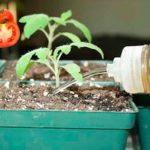
To ensure a high-quality fruit harvest, the bushes require fertilizing. The first application is with mullein diluted in water at a ratio of 1:5. Subsequent applications are necessary every 12-15 days with mineral complexes. During flowering and fruiting, dilute 40 grams of superphosphate and 70 grams of potassium salt in 10 liters of water and water each bush with 1 liter. Replace fertilizer with wood ash (200 grams per bucket of water).
Garter
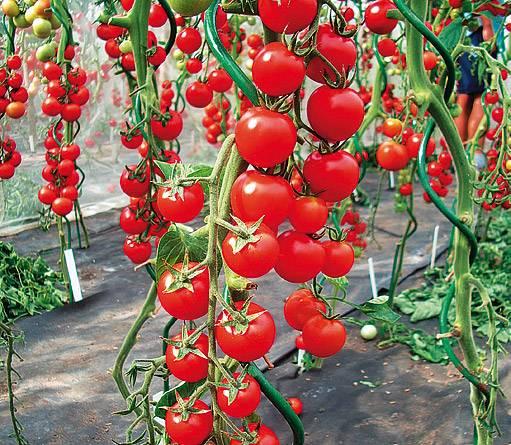
Tomato plants should be tied to stakes or a trellis if they produce too many fruits. The stems can break under the weight of the tomato clusters. Plants are usually tied immediately after planting. Staking is done several times over the summer as the stems grow. In a greenhouse, a trellis is built for tall varieties.
Bush formation
Non-standard cherry tomato varieties require pinching. If too many stems form, the yield will be reduced. It's best to break off excess shoots, leaving those that are productive. Typically, tall tomato varieties are trained to have 1-2 stems, while short varieties are trained to have 3-4. The side shoots are removed when they reach 3-5 centimeters in length.
Pest and disease control
To cherry tomatoes If the seedlings are disease-free, spray them with a 1% Bordeaux mixture 10 days after planting. Then, treat them twice more, 10-12 days apart.
If fungal infections are detected, spray with fungicides. Pests are controlled with insecticides. Infusions of onion peels or tobacco can be used against parasites.
Popular varieties of cherry tomatoes
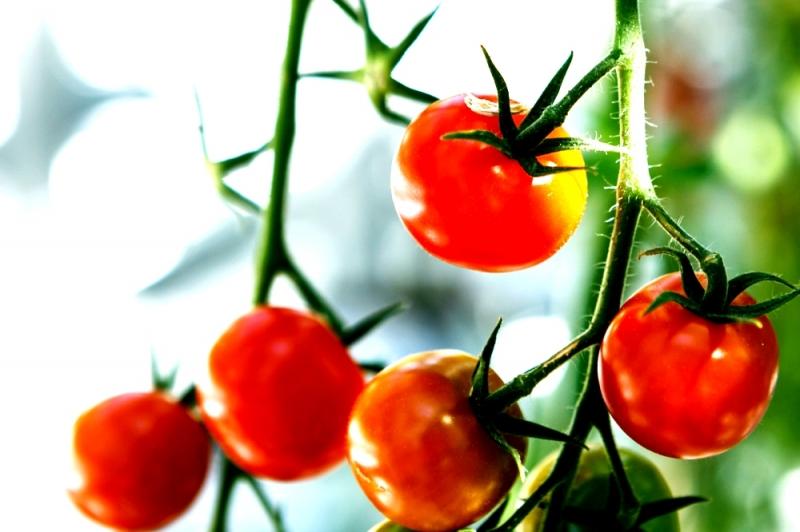
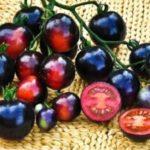
Tomato breeding has resulted in cherry tomatoes coming in a variety of colors. Black, yellow, and orange tomatoes can be grown. They grow in clusters, trusses, or fan-shaped on stems. A single shoot yields 20-50 cherry tomatoes. Tomatoes range in weight from 7 grams to 20 grams.
Popular varieties include:
- Indeterminate varieties with stems up to 2 meters tall are more suitable for greenhouses. They produce larger fruits, and the bushes require staking and training. The best varieties are Zlato, Cherry Yellow, Barberry, and Chio Chio San.
- Medium-sized tomatoes with stems reaching 1.5 meters. Varieties such as Kira, Beach Cherry, and Cherry Lycopa are suitable for both gardens and greenhouses.
- Low-growing hybrids. They thrive in garden beds and hanging baskets. Common varieties include Unikum, Mirishta, and Vranac.
- Trailing cherry tomatoes: Cherry Waterfall, Golden Bunch, Garden Pearl. Their stems reach lengths from 1 to 0.5 meters. Two to three plants of different tomato colors can be planted in one pot.
- Balcony plants. These include the hybrids Bonsai, Pygmy, and Balcony Miracle. These dwarf shrubs grow from 15 to 30 centimeters tall.
Cherry varieties are selected taking into account the place where they are grown and the taste preferences of the gardener.
Related posts:
 Description of the best, sweetest, and most productive varieties of cherry tomatoes
 8 recipes for quick-pickled cherry tomatoes with garlic and hot pepper, and storage instructions
 How to plant and grow cherry tomatoes from seeds on a windowsill at home in a pot
 Delicious recipes for pickled cherry tomatoes for the winter, finger-licking good, with and without sterilization
 How to cook sun-dried sweet cherry tomatoes in the oven, microwave, and slow cooker
 What is the best way to feed tomato seedlings to make them plump?
 Description of the best varieties of black tomatoes for open ground and greenhouses
 How to prepare cherry tomatoes in their own juice for the winter using finger-licking recipes