
- Requirements for tomatoes for growing in the Urals
- Greenhouse varieties
- Lelya
- Titanic F1
- Kostroma F1
- Beautiful Lady
- Banana
- Intuition F1
- Samara F1
- Tomatoes for garden beds
- Alsou
- Berdsky
- Gina
- King of Siberia
- Alpha
- Evgeniya
- Aurora F1
- Niagara
- Scarlet candles
- Biysk rose
- The Golden Queen and Nezhdana
- The best tomato varieties for the Urals
- High-yielding varieties
- Early tomato varieties
- Large varieties of tomatoes
- Cherry
- Sweet tomato varieties
- Low-growing varieties
- For long-term storage
- Non-stepchildren varieties
- Peculiarities of tomato care in the Urals
- Watering
- Top dressing
- Garter
- Formation of bushes
- The best reviews from our readers
The yield and flavor characteristics directly depend on the tomato variety chosen. Breeders have developed several of the best tomato varieties for the Urals, each with a different ripening time, plant shape, and fruit flavor.
Requirements for tomatoes for growing in the Urals
Tomatoes are considered heat-loving, so in the Middle Urals, they are often planted in closed greenhouses. Providing the right temperature for a specific tomato variety has a positive effect on fruiting and harvest yield. Speed of fruit set and ripening is also an important requirement. When grown outdoors, plants can be susceptible to disease, so rapid ripening reduces the risk of infection.
Many gardeners grow crops for sale. Exports are seen from Yekaterinburg, cities in the Perm region, and other regions.
To prevent vegetables from being damaged during long-distance transportation, they must have good transportability.
Greenhouse varieties
The characteristics of certain tomato varieties make them suitable for greenhouse cultivation only. Plants require stable temperatures for accelerated growth and abundant fruiting.
Lelya
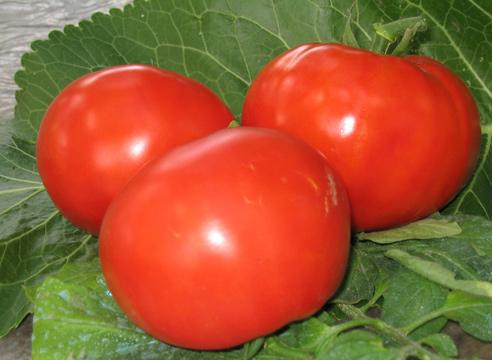
The Lelya variety produces its first fruits 3.5 months after planting in the greenhouse. The bushes reach a height of 60 cm and do not require pruning or securing side shoots. A single plant yields 5-8 kg of vegetables. Each fruit weighs approximately 180 g. The fruits are flat-round and have a deep red surface. Low-growing. Lelya tomatoes They are actively used for preparing various dishes, canning and processing.
Titanic F1
The Titanic F1 hybrid variety is mid-season. The harvest ripens 120 days after planting. The bushes are low, reaching 45-50 cm. Ripe tomatoes are compact in size and weigh no more than 115 g. Larger specimens, weighing up to 200 g, may grow in the lower part of the bush. The fruit has a sweet, tart flavor.
Kostroma F1
The main advantage of the Kostroma F1 variety is its excellent taste. The vegetables are used in cooking and are suitable for canning. Ripening period Kostroma F1 tomatoes The growing season does not exceed 90 days, provided the weather is favorable. The fruits are covered with bright red skin and weigh from 120 to 150 g. The yield per plant is 5-6 kg.
Beautiful Lady
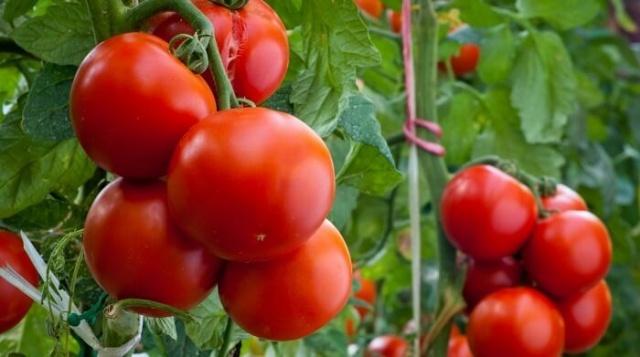
The ripening period for the Beautiful Lady variety is approximately 100 days. During the intense fruiting period, the bushes produce fruits weighing 200-210 g with a red surface. The plants reach a height of only 50 cm, eliminating the need for staking.
The Beautiful Lady variety is resistant to many infections and tolerates temperature fluctuations.
Banana
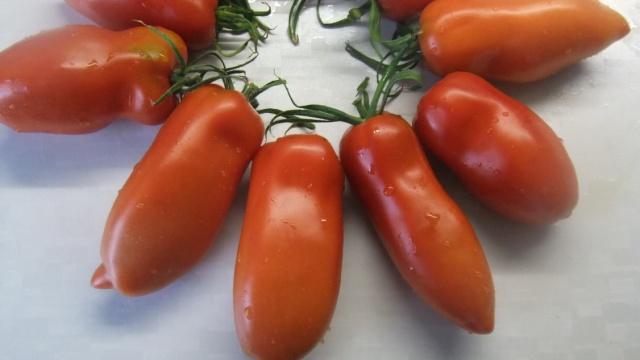
The Banana tomato is classified as mid-season and produces fruit 100-110 days after sowing seedlings. The bushes reach a height of 1.5 meters, so the plants need to be supported. The fruits are large and cylindrical. The flesh is juicy, dense, and meaty. The flavor is sweet and sour, typical of tomatoes.
Intuition F1
The Intuition F1 hybrid produces vigorous, spreading bushes with strong stems. Ripening time is no more than 115 days from planting in a greenhouse. A key advantage of this variety is its high resistance to most infections, including tobacco mosaic and fusarium. This hybrid variety produces fruit in variable weather and shade.
Samara F1
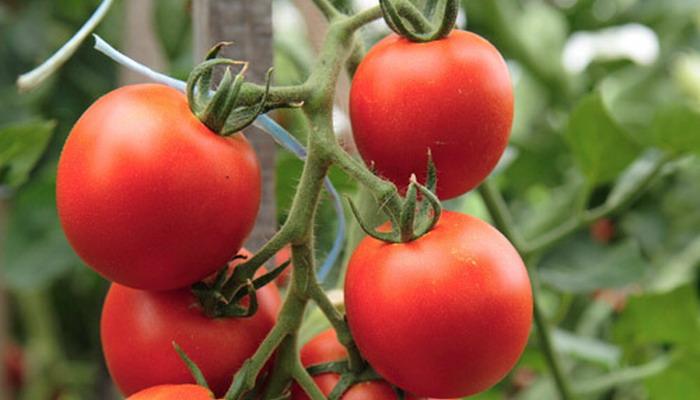
Bushes of the hybrid variety Samara F1 bear fruit 92-94 days after sowing. During cultivation, the plants need to be tied to a support or trellis. The Samara F1 variety is characterized by rounded fruit, resistance to common infections, and average branching.
Tomatoes for garden beds
Some varieties suitable for planting in the Urals produce more intensive crops when grown outdoors. Planting sites should be in consistently sunny areas, protected from drafts and flooding.
Alsou
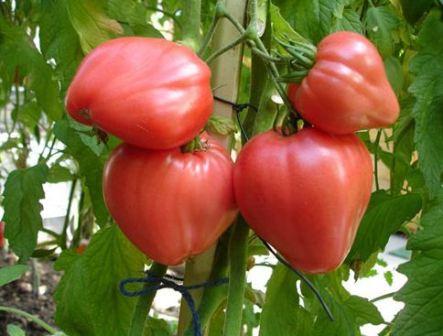
One of the earliest varieties is Alsu. The first fruits ripen 70 days after sowing the seeds for seedlings. The plants reach a height of 80 cm, requiring support to protect them from strong gusts of wind. As they ripen, the tomatoes are green with a dark spot. Ripe fruits turn red, and the spot disappears.
Berdsky
Tomato Berdsky Prized for its large fruits and consistently high yields, this variety is popular for its large fruit and consistently high yields. In favorable climates, the bushes can reach up to 1 m in height, so they should be tied to supports. To increase yield, it is recommended to train the bushes into two stems. The fruit is round, weighing 750-800 g per specimen. The largest tomatoes grow at the base of the bush.
Gina
The popular Gina variety produces tomatoes weighing up to 500 g. The tomatoes have a thick skin, revealing sweet-tasting flesh. The plants are resistant to fusarium and root rot. The low-growing bushes, reaching up to 55 cm in height, require no support or pruning. The main advantage of the Gina variety is its long shelf life after harvest.
King of Siberia
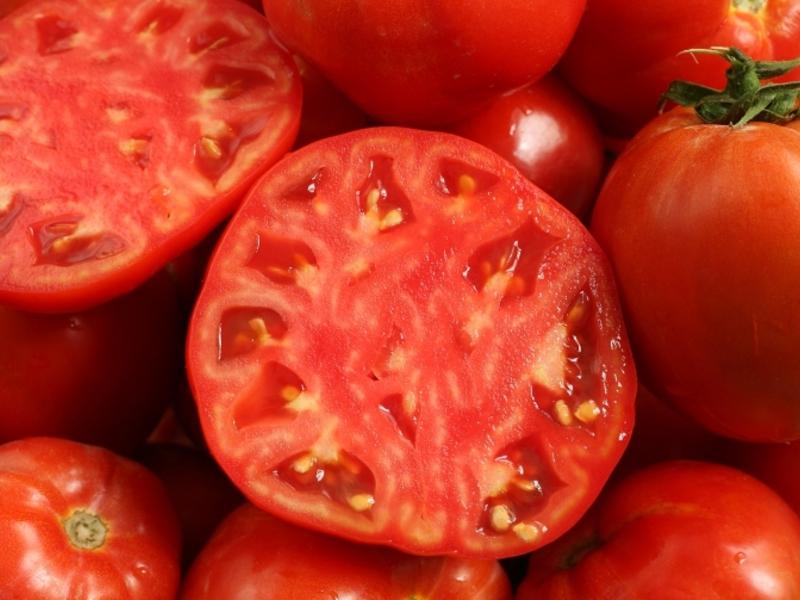
King of Siberia tomatoes They are classified as large-fruited. Each vegetable, when properly cared for, can weigh up to 800 g. The flesh is juicy and meaty, making the crop suitable for fresh consumption and processing.
It is recommended to grow powerful and spreading bushes in illuminated areas and use supports.
Alpha
The Alpha variety is suitable for growing in the Urals, as it tolerates variable climates and temporary cold spells. The low-growing bushes, up to 40 cm tall, require periodic pruning to strengthen the stem base. The Alpha variety's fruits have red skin, are slightly flattened, and weigh approximately 50-60 g.
Evgeniya
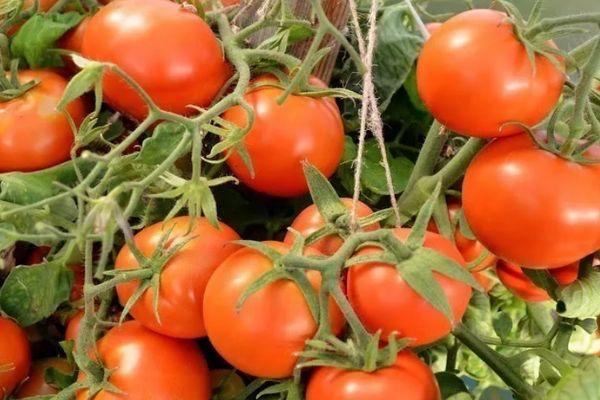
Grown outdoors, the Evgeniya variety produces small fruits weighing up to 80 g. Its main advantages include excellent flavor, drought and infection resistance, the ability to set fruit in extreme climates, and early ripening. A single square meter can yield approximately 7 kg of fruit.
Aurora F1
The Aurora F1 hybrid ripens 85-90 days after sowing. Bushes up to 65 cm tall produce fruit regularly and require no special growing conditions. This hybrid variety is valued for its increased resistance to common diseases, good marketability, transportability, and abundant fruiting.
Niagara
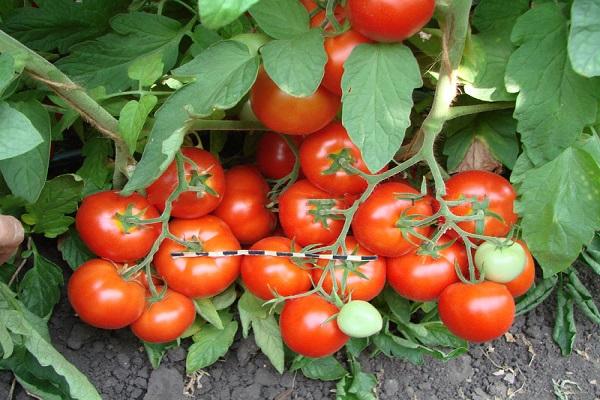
The Niagara variety is classified as indeterminate, as the plant's stem continues to grow throughout the growing season. Tall bushes produce oval-shaped tomatoes weighing 80-100 g. With regular care, the plants are resistant to infections and pests.
Take a look Also
Scarlet candles
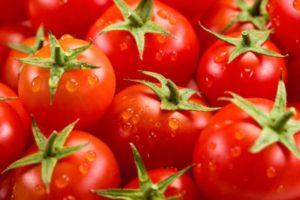
The pink-fruited Scarlet Candles variety ripens on tall bushes. For a larger harvest, it's recommended to train the plants into 2-3 stems. A single square meter can yield up to 12 kg. The fruits are cylindrical, oblong, and thin-skinned. The flavor is juicy and richly sweet.
Biysk rose
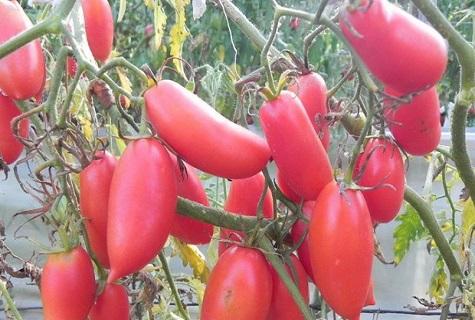
The Biyskaya Roza tomato variety is mid-season. The time from the first shoots to ripening is 115-120 days. The tomato plants are spreading, so it's recommended to plant them at a distance from each other. The advantages of the Biyskaya Rose variety include excellent taste characteristics and larger fruit sizes.
The Golden Queen and Nezhdana
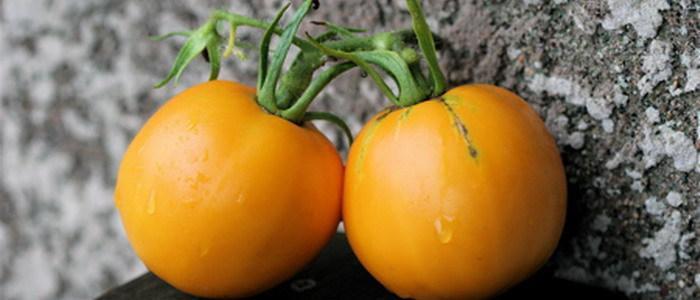
The Zolotaya Koroleva and Nezhdana varieties share a number of similar characteristics. The ripening fruits acquire a rich yellow hue. Each tomato weighs 500-700 g. With regular care and a favorable climate, the ripening period does not exceed 105 days.
The best tomato varieties for the Urals
When choosing which tomatoes to plant in the Urals and Trans-Urals, it's recommended to study the characteristics of the most common varieties. Gardeners enjoy a variety of tomato varieties, each with a different size, flavor, and plant structure.
High-yielding varieties
Despite the constant development of new varieties, Siberian breeding is characterized by the existence of several productive tomato varieties. These include the following: Lelya, Titanic, Berdsky, and King of Siberia.
Early tomato varieties
If you want to grow a harvest in the shortest possible time, choose early-ripening varieties. Early-ripening tomatoes include Siberian Early Rising, Gina, and several hybrid varieties.
Large varieties of tomatoes
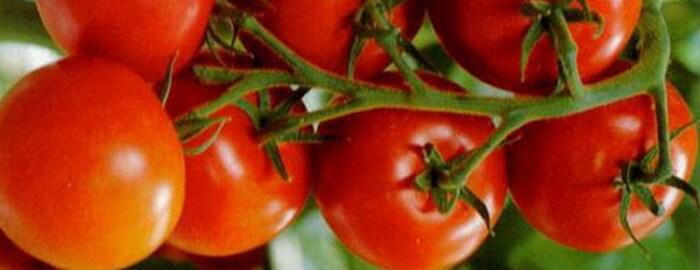
Different tomato varieties vary in fruit weight and size. Popular varieties include Barmaley, Gigant, Bogatyr, the Big Beef hybrid, and others. Seeds yield up to 1 kg in suitable climates and with proper care.
Cherry
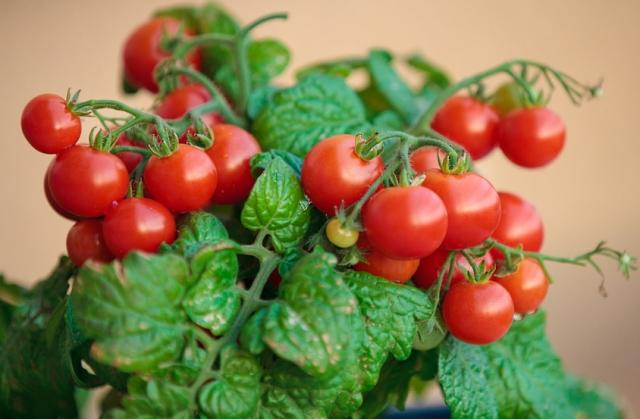
Cherry tomato varieties are high in sugars, antioxidants, and vitamins. Small, thick-skinned cherry tomatoes are ideal for canning and drying. The Ural region's climate favors the growth of cherry tomato varieties such as Zolotaya Beadinka F1, Sladkoezhka, and Thumbelina.
Sweet tomato varieties
Most tomatoes have a typical sweet and sour flavor, but some varieties contain higher amounts of sugar. Popular examples include Viktorina, Dina, Sibirskaya Troika, Chudo Zemli, and Pink Flamingo. Sweet tomato varieties are recommended for growing in the Southern Urals.
Low-growing varieties
Determinate dwarf tomato varieties stop growing after a certain number of clusters have formed. It's recommended to plant dwarf tomatoes when only a small crop is needed. Popular dwarf varieties include Alpha, Krakowiak, and Aquarelle. These varieties are easy to care for and produce fruit until frost sets in. Plant growth is limited by the final inflorescences.
For long-term storage
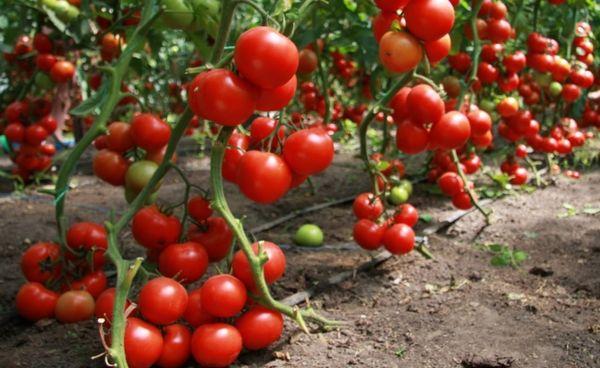
Many varieties, including hybrids, have the ability to be stored for long periods without losing their marketable appearance or flavor. The following varieties are popular among gardeners: Lezhebok F1, Intuition F1, Master F1, Tradiro F1, and Bence P3 F1.
In addition to good shelf life, the listed tomato varieties are resistant to a number of infections and tolerate extreme growing conditions well.
Non-stepchildren varieties
Tomato varieties that don't require side shoots greatly simplify plant care. Side shoots are the lateral shoots that form on the stems as the plant grows. non-stepchildren tomatoes include varieties: Nevsky, Gnome, Oak, Kyiv.
Peculiarities of tomato care in the Urals
When caring for plants, it's important to consider the specific climatic conditions of the Urals. Basic vegetable care includes regular watering, fertilizing, securing them with supports, and shaping the stems.

Watering
Any tomato variety requires regular watering. The first watering should be done a week after planting. Subsequently, it is recommended to moisten the soil as it dries. During the formation of the first fruit buds, it is permissible to increase the frequency of watering to accelerate the growth process.
Insufficient soil moisture leads to the death of ovaries and a reduction in yield.
Depending on the climate and rainfall, watering frequency may need to be adjusted. If rainfall is frequent, additional soil moisture may not be necessary.

Top dressing
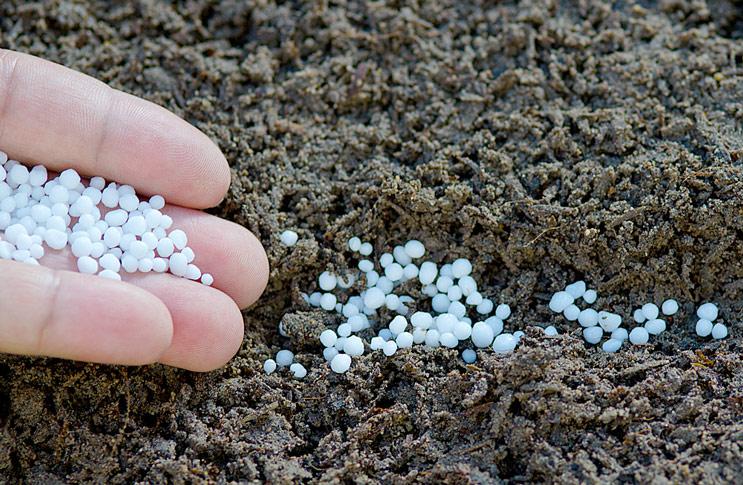
Fertilizers should be applied to the soil three times during the season. Before planting, the soil should be fertilized with wood ash to promote root development. The following fertilizers are required during flowering and 1-2 weeks before fruit ripening. The following fertilizers can be used:
- nitrogen fertilizers (ammonium nitrate, urea, carbamide, ammonium sulfate);
- potash fertilizers (potassium sulfate or potassium sulfate);
- phosphorus fertilizers (superphosphate in granules or powder form).
Garter
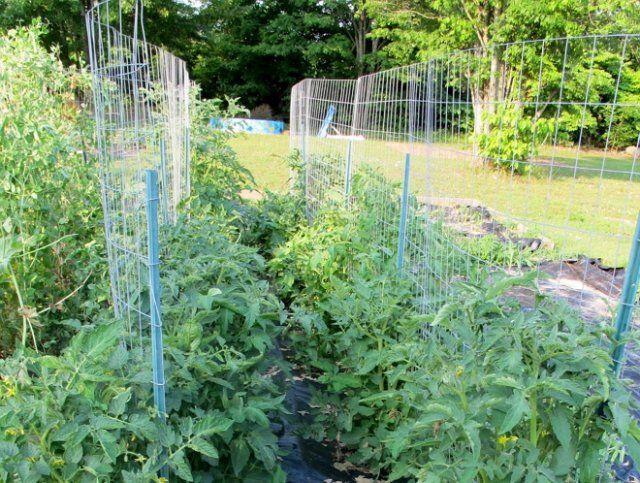
Tall varieties of tomatoes can be damaged by strong gusts of wind and the weight of the vegetables. To protect plants, use plant supports. Bushes are secured with stakes placed around the plants. The height of the supports depends on the size of the bushes and is approximately 1.5 m. The supports are dug into the ground to a depth of 35 to 45 cm.
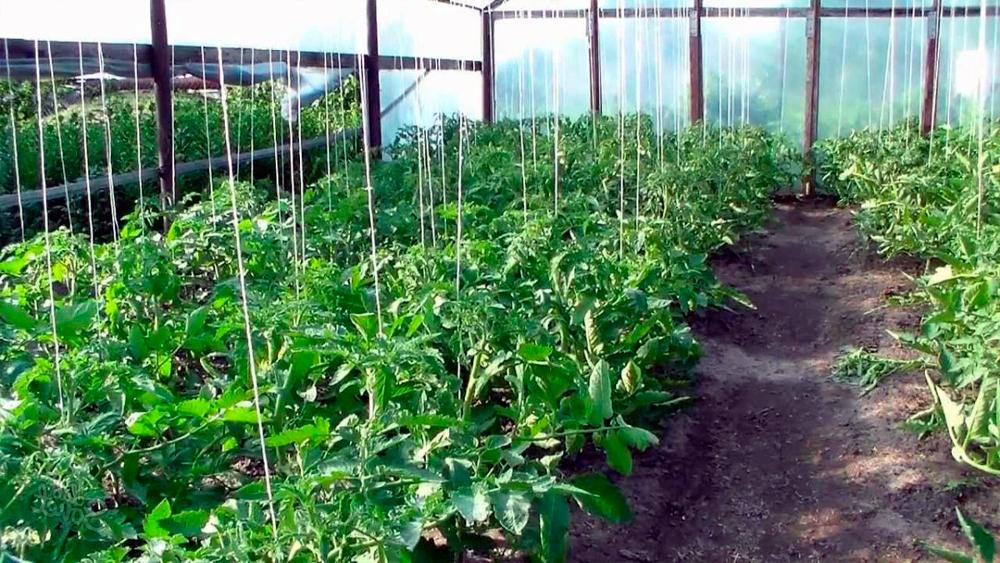
Trellis can also be used as support. To create this type of support, wire is pulled along each row. It's important to use high-strength wire to prevent damage under the load.
Formation of bushes
When growing tomatoes, many gardeners face the need to prune out shoots and shape the plants. The goals of tomato shaping are to increase yield and produce larger-sized vegetables.
In most cases, tomatoes are trained with a single main stem. Some varieties can be trained with multiple stems, leaving an appropriate number of side shoots to develop. It is recommended to leave the most developed side shoots to form additional shoots.
The best reviews from our readers
Nikolai Volodin: "I've been growing tomatoes for several years, but I've always only planted them in garden beds. Last season, I tried planting a couple of varieties in a greenhouse. I'm very pleased with the harvest; the bushes have grown tall. The tomatoes are sweet, so I've put most of them away for storage."
Nadezhda Klimova: "This isn't my first time growing tomatoes in the Middle Urals. My favorite varieties are Lelya and Titanic; they're easy to care for and produce a plentiful supply. I use the harvest for salads and can some."
Anna Sidkina: "I grow several varieties in a greenhouse. I prefer to grow tomatoes indoors so I don't have to protect the crop during bad weather. I can harvest several dozen kilograms per season."
Related posts:
 Description of the best varieties of black tomatoes for open ground and greenhouses
 Description and characteristics of the best indeterminate tomato varieties for greenhouses
 What varieties of tomatoes are best to plant in a polycarbonate greenhouse?
 Description and characteristics of the sweetest tomato varieties for greenhouses and open ground
 Description of the best ultra-early tomato varieties for open ground and greenhouses
 Description of blight-resistant tomato varieties for open ground and greenhouses
 The best eggplant varieties for growing in a polycarbonate greenhouse: planting and care
 80 Best Eggplant Varieties for Different Regions with Descriptions and Characteristics