
For most gardeners, the process of picking plants causes considerable difficulties. How to transplant tomatoesIf the seedlings have stretched out and outgrown the transplanting deadline, you should follow gardening recommendations. Otherwise, you could damage the young shoots.
The transplanting process is the same for all vegetable and flower crops. Sometimes it can be modified by specific adjustments, most often related to the soil's nutritional content or the fertilizer used.
Nightshade crops are among the most popular vegetables today. They are grown in greenhouses, hotbeds, and open beds. Gardeners try to enjoy ripe tomatoes early in the summer and delight their families with vitamin-rich salads. To do this, they need to prepare the seedlings in advance. Growing young seedlings is labor-intensive and requires a certain level of agricultural knowledge.
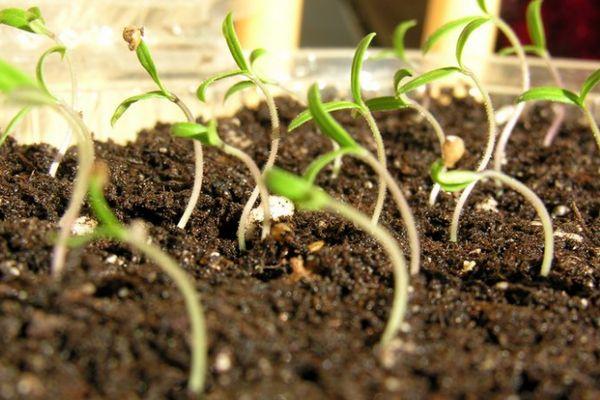
Growing seedlings
When purchasing tomato seeds, you should first familiarize yourself with the growing techniques for the chosen variety. Typically, the seed packaging includes detailed information about the plant and recommendations regarding the timing of seedling sowing, transplanting, and planting outdoors.
Vegetable growers prefer to properly prepare their seeds before planting. This process disinfects the planting material, promotes growth, and promotes rapid root development.
This stage is very important in the process of growing tomatoes. It is the errors in the preparation and placement of seeds in the soil that can cause further problems pulling out tomato seedlings.
Planting errors that affect the condition of seedlings
Common mistakes that cause sprouts to stretch into a thread and not gain color:
- The seeds may be expired and spoiled. Checking their germination is fairly simple. To do this, place the seeds in a saline solution. To prepare it, dissolve 5 grams of salt in 100 ml of water and shake well. Place the seeds in the solution and wait for about 10-15 minutes. If they sink to the bottom, they are safe for planting, while empty and dry seeds will float to the surface.
- The soil in which seedlings grow must contain the necessary amount of minerals and nutrients. That's why it's best to prepare the soil yourself by mixing one part each of peat, turf soil, and coarse river sand. If you plant seeds in weak soil, the seedlings will stretch out and won't be able to gain strength.
- To ensure young seedlings develop a strong root system, seeds should be soaked in a special solution before planting. It contains a complex of microelements. To prepare the solution, mix 0.5 g of boric acid, 0.1 g of manganese, 0.03 g of copper sulfate, and 0.05 g of zinc sulfate per 1 liter of water. Soak the seedlings in the prepared solution for about 5-10 hours. Then allow them to dry thoroughly.
- Proper seed planting is crucial. The hole should be no more than 2 cm deep. Otherwise, the young shoots will stretch too much and, upon reaching the surface, quickly wilt. There should be neither too much nor too little soil. Initially, fill the container halfway with soil. Firm the soil firmly. Then, make holes in the soil and place the planting material in them. Sprinkle the seeds with either clean peat moss or potting mix. Do not compact the soil after planting. It should remain light and airy.
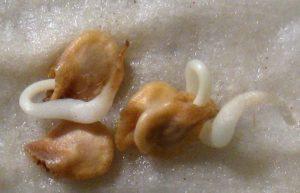
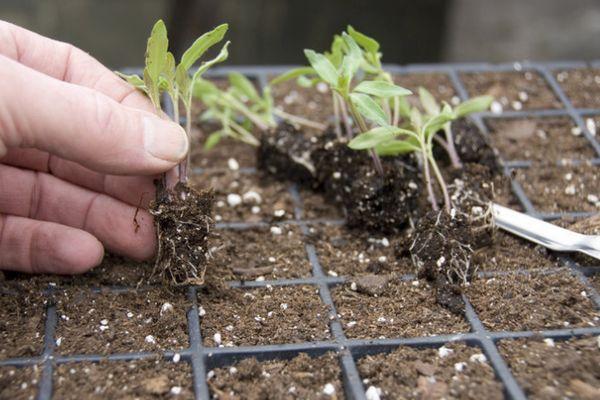
It is important to properly prepare seeds for planting, fertilize the soil for young seedlings with essential microelements, and properly plant the seedlings in the ground.
Tomatoes stretching as a result of improper care
It's important to properly care for seedlings and not miss the time when they need to be pricked out. Cover the seedling box with plastic wrap until the first buds appear and place it in a warm place where the temperature does not drop below 22°C.
When the first sprouts appear, the film is removed and the containers are moved into sunlight. Seedlings are most often kept on windowsills or balconies, if the latter are heated.
Young shoots will reach for the sunlight and gain strength. If there's insufficient light, they will stretch out, the stems will become thin, like a thread, and the leaves will be light green.
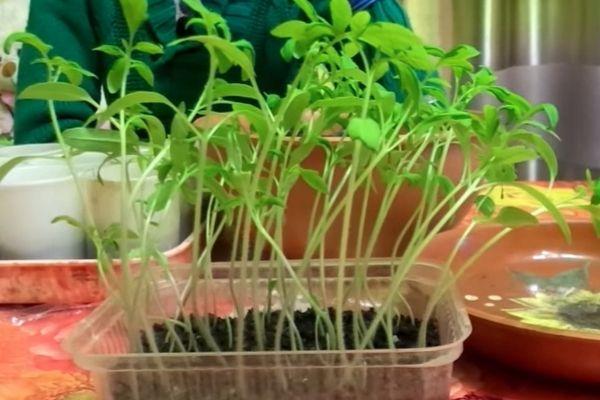
All of this indicates a lack of solar heat and light. This can be corrected by changing the location of the seedling container.
A common mistake that can lead to leggy seedlings is failing to maintain proper temperature control. It's important to regulate the room temperature during the first shoots' emergence: it should be between 16 and 20°C during the day and between 10 and 15°C at night. This temperature is maintained for about a week. Afterward, the seedlings are returned to a warmer room, where the temperature ranges from 20 to 22°C.
If young tomatoes are stretching due to insufficient light, you can add light artificially. To do this, place a fluorescent lamp over the container. The distance between the plant and the lamp should be at least 70 cm.
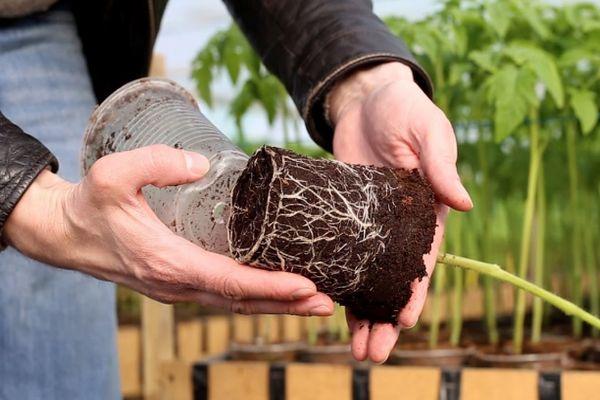
Another simple way to correct the situation when seedlings have become leggy is to simply add soil to the pots or containers. If the height of the box or pot doesn't allow this, it's worth using improvised means. For this, you can take an old plastic container and cut it into wide strips. Use these strips to build up the sides of the box. Any other non-toxic material can be used in the same way.

If these points are taken into account or corrected in time, then 15 days after planting the seeds, picking can be done.
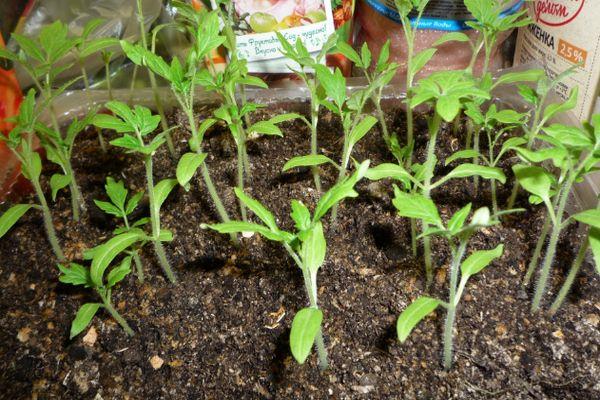
How to do picking?
The timing for transplanting varies for each plant. For nightshade vegetables, it's important that the seedlings have two true, strong leaves by this time.
Seedlings should be planted in individual small containers. Peat pots, plastic cups, or special cassettes are often used for this purpose. A special soil mixture consisting of peat, humus, and turf is prepared for planting.
Fill the container halfway with soil and water with warm, settled water. Then, very carefully remove the young seedlings from the container. A small lump of soil should remain at the ends of the shoots.
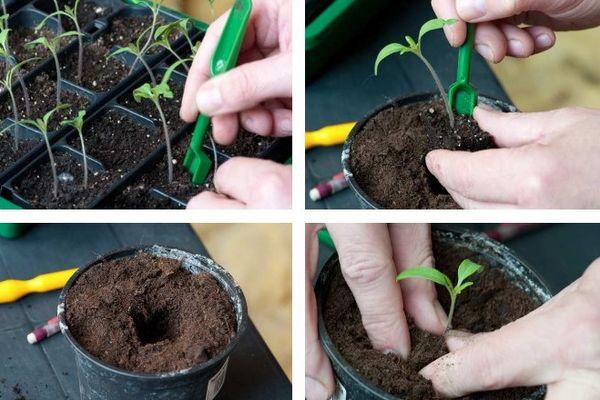
Place the plant in a separate pot, cover the roots with soil, and press down lightly. Water the plant regularly. Once the soil has settled, add more soil to fill the potting mix.
Elongated sprouts are replanted in a similar manner. They are buried in the soil up to the lower leaves, the stems are well covered on all sides, and the soil is pressed down lightly.
Many gardeners recommend placing young tomatoes in a dark place immediately after transplanting. This will allow the young seedlings to quickly establish themselves and adapt to the new soil.
Plant care involves regular watering and mineral fertilizing. Water the bushes as needed. It's important to avoid stagnant soil moisture and to avoid allowing the soil to dry out completely. Both extremes can lead to wilting and stunted growth in young plants.
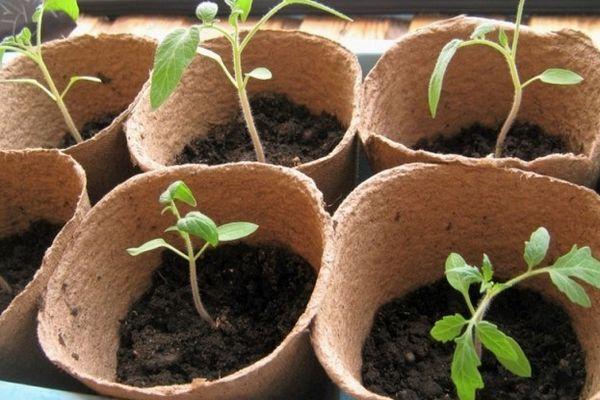
Initially, water with warm, settled water. To help the plants grow strong and develop a strong root system, they need to be nourished with essential micronutrients. For this purpose, it's recommended to purchase ready-made fertilizers specifically designed for this purpose. They dissolve easily in water, and the resulting liquid should be used to water the seedlings 1-2 times a week.
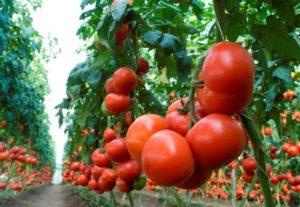
Before transplanting elongated tomato seedlings into individual pots, consider planting them in the ground under plastic. It's quite possible that the timing is perfect, and the plants have already gained sufficient strength.
Related posts:
 Carrot care guidelines for outdoor cultivation to ensure a good harvest
 Is it possible to soak treated cucumber seeds before planting and how to do it correctly?
 Is it possible to grow an apricot tree from a seed in your garden? How to plant and care for it?
 How to properly plant peas in a greenhouse and open ground
 How to properly grow a peach tree from a seed at home, planting and care
 How to plant carrot seeds in open ground, timing and sowing methods
 Why didn't the carrots sprout and what should I do? How to plant them so they sprout quickly?
 How to properly prepare cucumber seeds for sowing in open ground