
- Optimal planting times
- Winter sowing
- Spring
- Late
- Germination time
- Common mistakes
- Seat quality
- Freshness of seeds
- Appearance and smell
- Climate zone
- Soil
- Mistakes when planting in open ground
- Planting depth
- Improper care of seedlings
- Unsuitable soil
- Violation of crop rotation
- Possible reasons
- Weather conditions
- Watering
- Insects
- The time has not come
- Adviсe
- Pelletizing
- Germination
- Bubbling correctly
- Flushing
- Macronutrient supplementation to accelerate growth
- How to prepare a garden bed
- Coconut substrate
- Sawdust
- Use of polyethylene
- Hardening
- Preparing paper strips
- Soaking in vodka
- Kerosene
Many novice gardeners grow carrots, but sometimes the seeds fail to germinate. What should you do if the carrots fail to germinate? You need to determine at what stage of planting the error occurred. The failure to germinate depends on the planting timing, soil quality, variety, and proper care.
Optimal planting times
Planting times vary for different carrot varieties. There are three methods of sowing: winter, spring, and late.
Winter sowing
To sow carrots this way, the key is to observe the correct planting timing. For the winter, the seeds are buried in the soil after the warm weather subsides. This is approximately the end of November to the beginning of December. If planted earlier, the seeds will germinate if there is sufficient light and warmth. However, after the onset of cold weather, the seedlings will die. Therefore, it is important to observe the timing. The temperature should remain stable around 10°C.
Spring
For spring sowing, ensure that daytime temperatures remain at least 15°C and nighttime temperatures remain at least 8°C. This typically occurs in late April or early May. In southern regions, this occurs in late April or early May. In northern regions, it occurs around mid-May.
Late
Late sowing is done in late June or early July. The seedlings grow slowly and gain nutritional value. These carrot varieties store well throughout the winter. The harvest is collected in mid-autumn, so frost-hardy varieties resistant to bolting and cracking are primarily chosen.

Germination time
How long it takes for carrots to sprout depends on the planting method. It's important to know what the sprouts look like to avoid confusing them with weeds. If planted in winter, the seeds will germinate when the air warms to 4-5°C. If planted in open ground in spring, the first shoots appear after 15-20 days; if planted in a greenhouse, it takes 9-12 days. Early varieties mature in 50-80 days, mid-season varieties in 80-125 days, and late varieties in 125-150 days.
Common mistakes
The most common mistakes when sowing carrots are:
- incorrectly selected soil and location for the garden bed;
- insufficient watering;
- incorrect choice of varieties;
- bad seeds;
- late thinning of seedlings;
- insufficient depth of the dug furrow;
- mismatch of seeds with the climate zone.

Seat quality
The carrot planting site should have fertile soil, be well-lit, and not exposed to drafts. Acidic soil kills the seeds, so dolomite flour is added to the soil. If the soil is infertile, fertilize the seeds.
Freshness of seeds
Seeds guarantee good germination in the first year. If they're two years old, the chances of getting a good harvest decrease, and in the third year, germination drops by 30%.
Appearance and smell
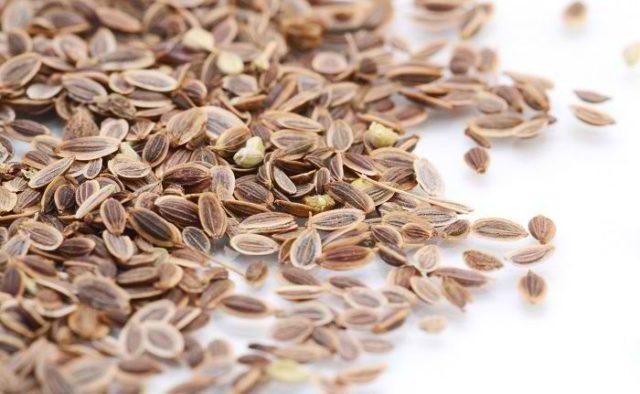
Carrot seeds are very similar to parsley seeds. They are small, brown, and covered in white hairs. They differ in color and aroma. When crushed, carrot seeds emit a distinctive carrot aroma, reminiscent of fresh, grated carrots. Parsley seeds smell like fresh herbs. Carrot seeds are different in size and have a browner color.


Climate zone
Carrot varieties should be selected based on the climate zone. In cold climates, early-ripening varieties are predominantly used. In southern regions, late- and mid-season varieties are used.
Soil
Root crops prefer fertile, loose, and moist soil. Before planting, loosen compacted soil and remove all stones and weeds.
Important! Excessive mineral fertilizers will alter the shape and taste of the fruit. They must be applied strictly according to the schedule.

Mistakes when planting in open ground
To plant carrots correctly and get a good harvest, you need to be aware of the mistakes you can make. The most common mistakes when planting carrots outdoors are:
- too frequent and abundant fertilization;
- use of manure and humus for feeding;
- insufficient watering, especially during drought;
- rare loosening of the soil, crust formation;
- insufficient groove depth.
Planting depth
Carrot seeds are planted in furrows 2-3 cm deep. This is crucial; if they're not planted deep enough, the seeds will be washed away by rain and won't germinate. Conversely, if they're planted too deep, the seedlings will have difficulty germinating.

Improper care of seedlings
To ensure seedlings grow and develop well, they need favorable conditions. If not cared for properly, carrots will fail to grow or will be insufficiently sweet and large. Insufficient watering will prevent seedlings from forming. Water the soil so that moisture penetrates to a depth of 30 cm.
After the first sprouts appear, thin out the carrots. Each plant should be spaced 4-6 cm apart from the next. Regularly loosen the soil to provide the roots with sufficient oxygen. If a crust forms on the surface of the soil, the carrots will grow crooked and cracked.

Unsuitable soil
Clay soil, soil with a lot of stones, and soil that is too dry are not suitable for growing carrots. In dry soils, the plant will grow poorly due to a lack of moisture, the harvest will be meager, and the fruits will taste bitter.
Violation of crop rotation
Every year, the location of carrot beds needs to be changed. If they are constantly planted in the same spot, the harvest will be smaller and of poorer quality each year. Carrots thrive after crops such as potatoes, tomatoes, cucumbers, lettuce, and onions.
Important! Don't plant carrots after or near beets. This will result in nutrient deficiencies for both crops.

Possible reasons
The main reasons for the lack of germination are: unsuitable weather conditions, insufficient watering, and insect damage.
Weather conditions
It's important to study the weather conditions for the region where the carrots will be grown. If night frosts occur, and the calendar indicates a favorable day, planting should be postponed. For good root germination, nighttime temperatures should be at least 4-6°C. Planting carrots earlier will result in failure of seedlings, and the seeds will die.
Watering
This crop prefers intensive watering and moist soil. If the soil is too dry, the plants will develop poorly or even die. Regular watering every two days is recommended. The soil should be moist to a depth of at least 30 cm. Overwatering carrots can cause abnormally shaped, cracked fruits. In some cases, the roots will begin to rot in the soil. If the seeds are not watered properly, they will fail to germinate.
Take a look Also


Insects
The most dangerous pest is the carrot fly. If thinning is done late, the fly lays eggs in the garden bed. The larvae actively feed on the root vegetables. These vegetables are unsuitable for consumption, as they lose their sweet taste and become bitter.
Insecticides are used to control them. To prevent flies, frequent weeding, timely thinning, and frequent soil loosening are recommended.
Carrot psyllid Less common. This small insect lays its eggs near fruits. The insect itself and its offspring suck the sap from the leaves. The leaves gradually dry out, and the fruits stop developing. Preventative measures include treatment with tobacco water.
Carrot moths lay eggs in the buds and flowers of the plant. These eggs consume the flowering plant and stunt its growth. To control and prevent the pest, spray with a decoction of tomato tops.

Root-knot nematodes damage all root vegetables, including carrots. They live in the soil, penetrate the fruit, and form a small swelling, slowly eating away the flesh. These vegetables are unfit for consumption. Soil treatments include formalin, chloropicrin, or carbon disulfide.
The mole cricket is a large insect that lives in the soil and has powerful front legs that allow it to move actively through the soil. It feeds on plant roots, damaging them, which disrupts carrot growth. To control them, traps filled with manure are set. After the trap is triggered, the insects are destroyed and new ones are made. This treatment is carried out every 2-3 weeks. A chemical treatment called "Medvetoks" has also been developed.
The time has not come
If you've followed all the rules for planting carrots in the ground, but there are no sprouts on the expected day, it's likely not the right time yet. You need to wait a couple of days. If nothing happens, then the planting rules were not followed.

Adviсe
To ensure seed germination, several useful methods are used to stimulate this process.
Pelletizing
Pelletizing is used to form a granule containing the seed. This makes sowing easier. Regular seeds tend to stick together and are more difficult to distribute evenly across the furrow. Pelletized seeds are easier to distribute across the bed, and 1.5-2 times fewer seeds are needed per sowing than standard seeds.
Rules for dragee coating:
- the seeds must have good germination;
- must be fresh, seeds from previous years are not suitable;
- use a ready-made pelleting solution, which is sold in stores, or prepare it yourself;
- Ready-made pelleted seeds are sold in stores.

Germination
There are three methods for sprouting grains: in aerated water, in moisture, and with the use of growth stimulants. For sprouting in aerated water:
- It is necessary to prepare a container with water and an aerator for the aquarium in advance.
- The seeds are poured into a container and filled with water.
- They place an aerator there.
- Oxygen is constantly supplied to the container.
- The water is changed in the morning and evening.
- The seeds will germinate in 2-4 days.
To carry out germination in moisture, use:
- A container with gauze lined at the bottom.
- Pour out the seeds and spread them in a thin layer.
- Cover the top with a second layer of gauze.
- Wet the material thoroughly.
- Leave in a warm place for 2-4 days.


Using a growth stimulator allows seeds to germinate quickly. Its chemical composition includes a large number of micronutrients. The seeds are soaked in the solution and left in cheesecloth for 10-12 hours.
Bubbling correctly
This is a process of treating seeds with oxygen or air in water. The seeds are kept in water at a temperature of 20°C with a constant supply of oxygen. An electric aquarium compressor is used for this purpose. Germination occurs within 1-2 days.
Flushing
Washing the material removes essential oils that protect the seeds from dying and inhibit germination. To do this, they are immersed in a container of water at 60°C, kept there for a couple of hours, then replaced with water at 40°C. This process is repeated 3-4 times, then dried and sown.

Macronutrient supplementation to accelerate growth
To feed seeds with growth accelerators, ready-made preparations are available at agricultural supply stores. The seeds are placed in a container and treated according to the instructions. Using this method, they germinate quickly.
How to prepare a garden bed
The land for carrot planting is prepared in early spring. It is dug, fertilized as needed, and drainage is created to improve soil aeration.
Coconut substrate
Coconut substrate is used for improved germination. Seeds are distributed into furrows, substrate is placed underneath the seeds, and soil is sprinkled on top.
Sawdust
Sawdust is used in the same way as coconut coir. It helps ensure seed germination and retains moisture.
Important! These additives are useful if frequent watering of carrots is not possible.
Use of polyethylene
Carrot beds are covered with polyethylene, creating a greenhouse effect. After sowing, the film is placed over the surface of the bed and secured to prevent it from being blown away by the wind.
This method keeps the seeds at low temperatures and ensures rapid germination.
Hardening
Before sowing, harden the seeds to strengthen their resistance to adverse conditions. Wrap the seeds in cheesecloth and plastic and place them on the top shelf of the refrigerator for a week.

Preparing paper strips
Any thin paper can be used for the strips. Starch is used for the adhesive. The seeds are evenly distributed across the strip. This growing method does not require future thinning.
Soaking in vodka
The seeds are soaked in vodka for 15 minutes, then thoroughly rinsed and dried. This method removes the essential oils, which speeds up germination and produces better results.
Kerosene
The seeds are placed in cheesecloth and rubbed with hands. They are then rinsed in water and dried. Kerosene treatment prevents weeds from growing in the soil around the carrots. For carrots and dill, use kerosene. safe.
Related posts:
 Is it possible to plant carrots in July or at the end of June? What are the best days and care instructions?
 Carrot care guidelines for outdoor cultivation to ensure a good harvest
 How to control carrot flies with medications and folk remedies
 What is the best way to feed carrots? Fertilizers and preparations, using folk remedies.
 Timing and rules for planting carrots in winter, which variety is best to choose
 How to plant carrot seeds in open ground, timing and sowing methods
 50 Best Carrot Varieties with Descriptions and Characteristics
 How and when to thin carrots in open ground
There could be many reasons why carrots didn't sprout. Perhaps the planting time wasn't chosen correctly, perhaps the soil wasn't prepared well enough, or perhaps there was a micronutrient deficiency.