
- Use of kerosene
- Destroys
- Woodlice
- Quinoa
- rapeseed
- Couch grass
- Pickle
- Chicken millet
- Buckwheat spreading
- Grass roots survive
- Field thistle
- Couch grass
- Field bindweed
- Sow thistle
- They don't die
- Chamomile
- Wild dill
- Field horsetail
- Ordinary cutter
- Processing rules
- How often
- You can't breed
- Sprayer
- Time
- Precautionary measures
- Signs of poisoning
- Traditional weeding
- Mulching
- Vinegar and salt
- Vinegar and citric acid
- Alcohol solution
- Salt backfill
- Herbicide soap for soil treatment
- Tips and answers to questions
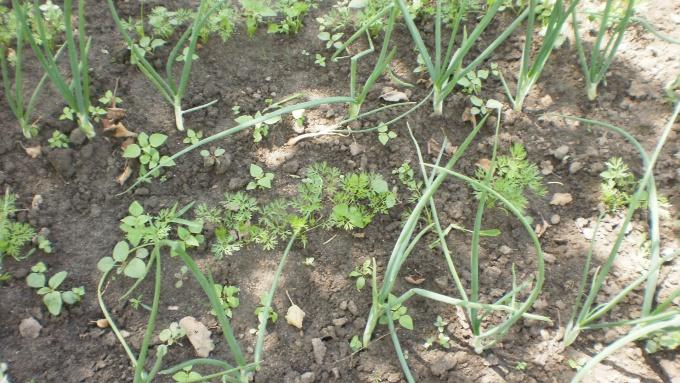
Weeding garden beds takes a lot of time, and it's always tempting to speed up the process because there's always so much to do. How do you weed carrots quickly and properly, especially after the first fragile young shoots emerge? Store-bought herbicides, kerosene, and homemade solutions are all used.
Use of kerosene
Kerosene doesn't damage carrots and dill, and it doesn't harm the soil. It kills weeds and prevents the spread of harmful insects. After treatment, root vegetables develop well and grow rapidly.
Destroys
Kerosene destroys plants such as chickweed, rapeseed, quinoa, couch grass, pepitas, and barnyard grass.
Woodlice
Woodlice grow quickly, filling every available space in the garden bed. They don't die even in adverse weather conditions. The weed interferes with carrots' nutrition, so it needs to be removed. Woodlice have long, thin roots that are easily pulled out of the ground. If a piece of root remains in the soil, the plant will begin to grow again. Kerosene kills the plant's roots.
After spraying, it dies completely within 2-3 days.
Quinoa
A tall plant, reaching 50 cm in height. A flower with seeds forms at the top. The grass is undemanding of soil and weather. It grows quickly, interfering with the growth of useful plants in the garden. It quickly dies after treatment with kerosene.
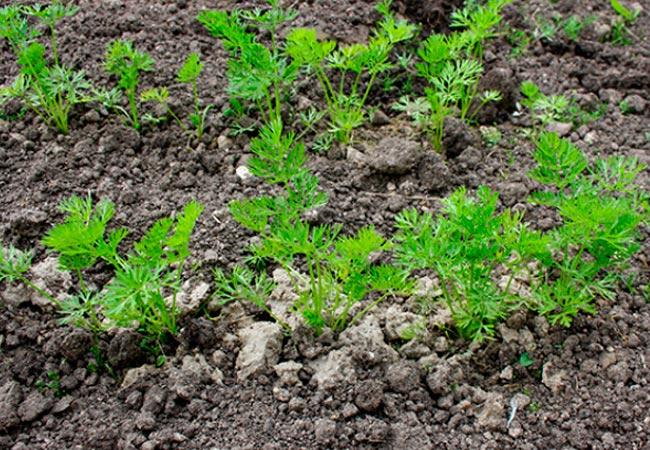
rapeseed
The growing season begins in early spring. This tall, branched plant reaches 80 cm in height and blooms with bright yellow flowers. The root system is not very well developed. After uprooting, it regrows if any root fragments remain in the soil.
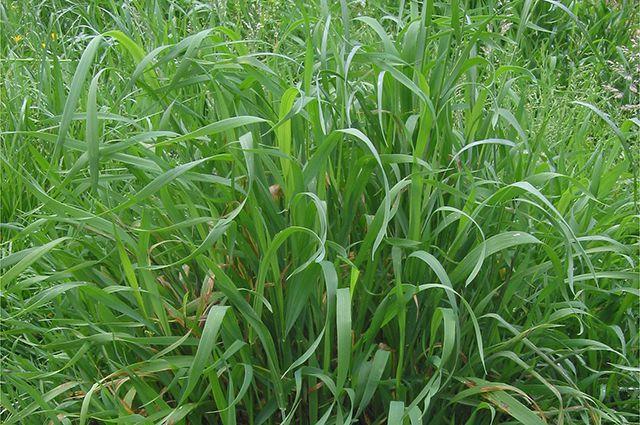
Couch grass
This weed is difficult to control. They have a powerful root system that quickly spreads across the ground and produces new shoots. Even if a small piece of root is not removed, the plant regrows. It has a creeping habit, quickly filling fertile soil and inhibiting carrot growth, as it feeds on minerals from the soil.
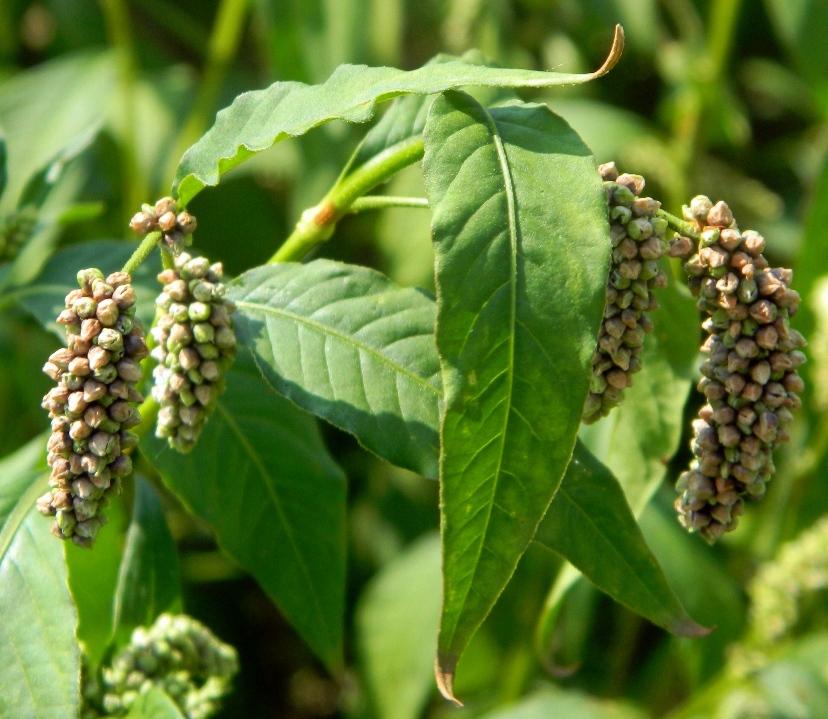
Pickle
In fertile soil, the plant reproduces quickly and easily. Its growing season begins in early spring and it can even emerge from deep soil layers. Small pinkish-purple flowers appear at the top of the plant. It reaches a height of 30 cm. Its leaves are lanceolate, dark green, and the stem is tetrahedral.

Chicken millet
It begins growing in April. The weed is widespread. It resembles wheat in appearance and produces grains intertwined into spikelets. Its roots are powerful and tightly intertwined, making it quite difficult to dig up.
After treatment with kerosene, the upper shoot and roots die.
Buckwheat spreading
The plant forms a dense, woody stem; the grass is tall. After flowering, seeds form along the entire stem. The roots are dense and wide. It begins to develop in the spring and produces new shoots until mid-autumn. Control is difficult due to the large number of seeds that spread throughout the area.
Grass roots survive
After treatment with kerosene, some weeds leave behind roots that regrow. These include couch grass, field thistle, field bindweed, and sow thistle.
Field thistle
It grows up to 1.5 meters in height. It has powerful roots, with a single central root that extends into deep soil layers. The stems are green and bear purple flowers resembling cornflowers. Thanks to its powerful root, it regrows after being treated with kerosene.
Couch grass
It grows up to 30 cm in height, with small, abundant, and tightly interwoven roots. Its green leaves, rapid growth, and tolerance of adverse weather conditions, absorbing all nutrients from the soil.
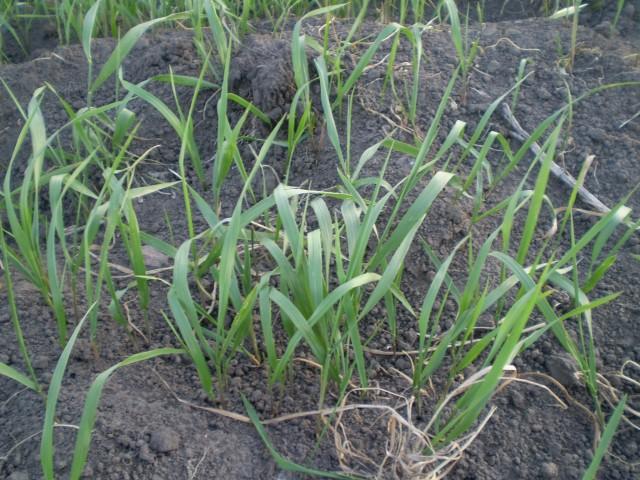
Field bindweed
A creeping plant with intertwined roots that quickly penetrate the soil and produce new shoots. The leaves are broad and green, and it bears white, bell-shaped flowers.
Sow thistle
It has thick, long roots that reach deep into the soil, up to 50 cm. There are several species of sow thistle. It grows up to half a meter in height. It blooms with yellow flowers resembling dandelions. The leaves are wide, lobed, and green. Remnants of the roots can produce new shoots.
They don't die
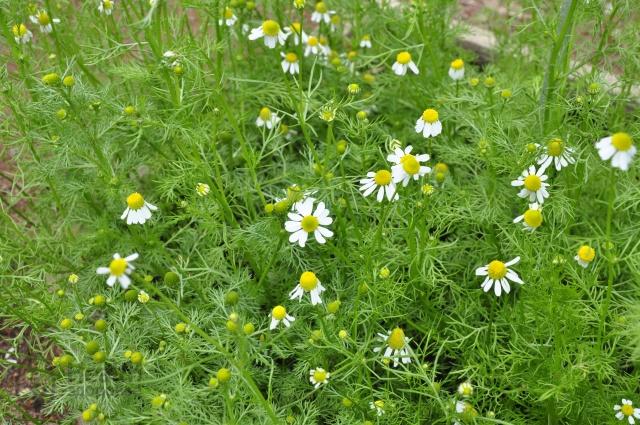
The following plants are resistant to kerosene treatment: horsetail, chamomile, wild dill, and common sage. They retain their appearance after spraying.
Chamomile
The grass tolerates any conditions well and is undemanding of soil fertility. It grows up to 60 cm tall, with white flowers with yellow centers forming at the top. The roots are dense but shallow. The leaves are green and needle-like.
Wild dill
It differs from common dill in its larger leaves. It forms umbel-shaped inflorescences with yellow flowers, which later develop into seeds. The leaves and stems are green with a bluish tint.

Field horsetail
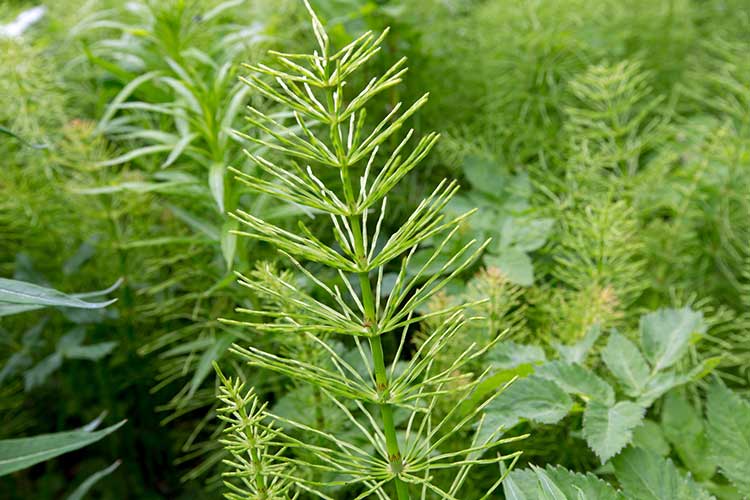
It has deep, dense roots that produce new shoots underground. The aboveground portion forms a dense, green stem with needle-like leaves. The shoots are dense, making this plant difficult to eradicate. Root fragments can produce new shoots. Horsetail is resistant to kerosene.
Ordinary cutter
It develops in early spring. It has umbel-shaped inflorescences with small white flowers. The stems and leaves are light green. The roots are branched and weak, drawing nutrition from the upper layers of the soil.
Processing rules
To properly apply kerosene, you need to follow several rules. Know how often and in what quantity to apply to the soil, what to use for spraying, and whether dilution is necessary.
How often
Kerosene treatment is carried out twice. The first time is after planting the carrots. The second time is a week later.
You can't breed
The solution must not be diluted with water or other liquids. This will cause it to lose its effectiveness and its concentration will decrease.
Sprayer
For treatment, use a wide-spray sprayer, protective goggles, and a breathing mask. Do not spray the soil with kerosene, as its high concentration will kill the carrots.
Important! Wear rubber gloves when handling kerosene to avoid burns.
Time
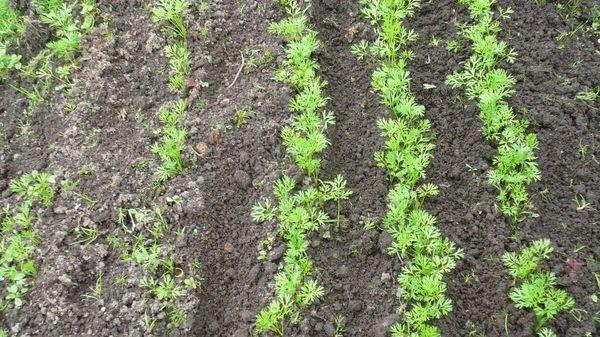
Spraying is carried out before the first carrot shoots appear. If this is not possible, kerosene is applied when the first 2-3 leaves appear on the root crops. Repeat the treatment after 7 days.
Precautionary measures
For your own safety, wear gloves when handling kerosene. When spraying, wear a mask and goggles to protect the mucous membranes of the respiratory tract and eyes. It is also recommended to wear a protective plastic or cellophane apron to prevent contact with exposed skin. Cover your hair with a scarf to prevent damage.
Signs of poisoning
Signs of chemical poisoning include:
- dizziness;
- nausea;
- vomit;
- cyanosis of the mucous membrane of the throat;
- weakness;
- fainting state;
- constant smell of kerosene;
- difficulty breathing, wheezing in the lungs.
 Important! If you have symptoms, seek medical attention at a hospital.
Traditional weeding
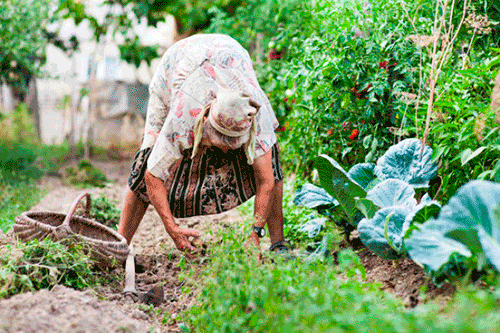
Traditional weeding involves pulling out all the weeds by hand. The soil is loosened with a hoe to access the grass roots. Manual weeding is quite labor-intensive and time-consuming. It's difficult to remove all the small roots and leaves from the soil by hand. This procedure is performed every 4-5 days.
Mulching
Mulching is a special soil covering placed around beneficial plants. This retains moisture and prevents harmful weeds from developing due to the blocked sunlight. Dark film, organic materials, and compost are used for mulching.

Vinegar and salt
A well-known herbicide popular with gardeners. Mix 1 liter of vinegar and 1 kg of salt in 10 liters of water. Spray the beds with the solution. Frequent treatments will kill the crops.
Vinegar and citric acid
Dissolve 1 liter of vinegar and 100 grams of citric acid in a bucket of water. Spray the area until the first shoots appear.
Alcohol solution
Treat the soil with a 1:10 solution of alcohol and water. This procedure is best performed in early spring before the seedlings emerge.
Salt backfill
Sprinkle the soil generously at a rate of 1 kg of salt per square meter. The salt washes away after rain and watering and penetrates the soil, preventing weed roots from developing. Salt can also damage the roots of other plants.

Herbicide soap for soil treatment
Herbicide soap has the same composition as laundry soap. To prepare this solution, mix 1 liter of vinegar, 1 kg of salt, and a grated bar of soap in a bucket and add 20 liters of water. Stir until the soap dissolves. Spray the soil.
Tips and answers to questions
Basic tips and answers to questions about weeding carrots:
- Any spraying is carried out in dry weather.
- When using herbicides, it's important to take precautions. It's also important to dilute the solution properly, following all instructions.
- Radishes, lettuce, and spinach are planted next to carrots. They germinate faster and provide guidance when weeding the carrot seedlings.
- After thinning carrots, the sprouts cannot be left in the garden bed; they will rot and contribute to the development of fungal infections.
- When weeding small carrot seedlings, be careful not to damage the seedlings. It's best to use a fork to pry up the weed roots.
Weeds with long, deep roots should not be pulled out whole. The top shoot of the plant is cut off, the central root is found in the soil, and it is cut with scissors.
Related posts:
 How to control carrot flies with medications and folk remedies
 Is it possible to plant carrots in July or at the end of June? What are the best days and care instructions?
 How and when to thin carrots in open ground
 What is the best way to feed carrots? Fertilizers and preparations, using folk remedies.
 Timing and rules for planting carrots in winter, which variety is best to choose
 Why didn't the carrots sprout and what should I do? How to plant them so they sprout quickly?
 Description of carrot pests and diseases and methods of control
 How to plant carrot seeds in open ground, timing and sowing methods