
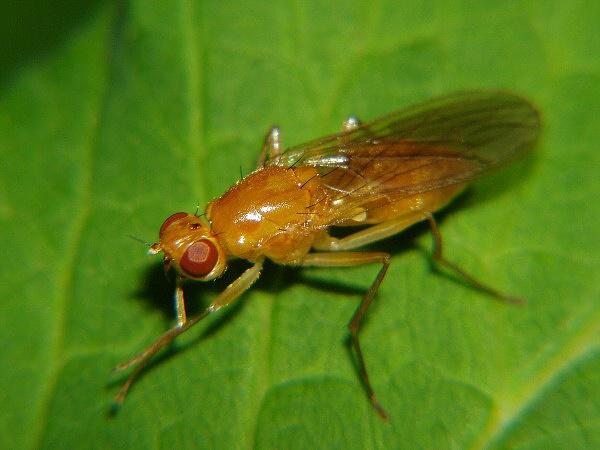
Insects and the larvae they lay cause enormous damage to garden plants. One of these dangerous pests is the carrot fly, and only experienced gardeners know how to control it with ammonia or other means. To save your crop, it's important to detect signs of insect infestation early and take preventative measures.
Signs of a pest attack
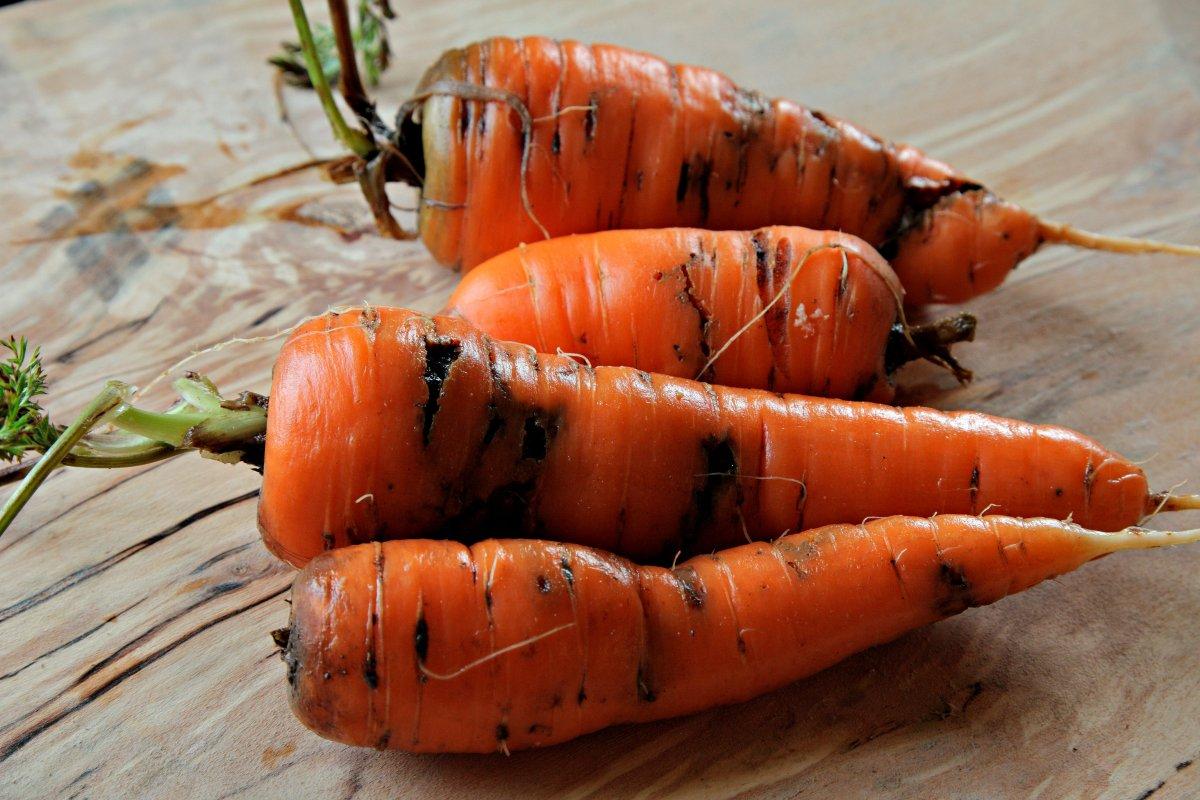
Signs of carrot fly infestation can be noticed at various stages of crop growth. Obvious symptoms of infestation include:
- the tops change color to purple with a red tint, and then gradually turn yellow and die;
- affected root crops become covered with growths;
- passages are formed inside the carrots, which are gnawed by fly larvae.
Advantages and disadvantages of the method
Treatment with ammonia for carrot fly control has become widespread among gardeners. This method has several advantages, including the following:
- Highly effective. The active components of ammonia have a powerful effect on the parasite.
- Availability. The drug is available at a low cost in almost any pharmacy.
- Cost-effective. A small amount of alcohol is required per spray, allowing the product to be used slowly.
- Safety. Ammonia does not affect the taste or quality of the crop.
Besides the obvious advantages of this method, there are a few minor drawbacks. When using ammonia, it's essential to strictly follow the instructions to avoid any potential health risks.
In addition, the effect of ammonia is noticeable only after 2-3 sprays.
Terms of Use
You can use ammonia to treat plants by watering or spraying the above-ground parts of the plants. Each method has its own nuances that should be understood in order to achieve the effectiveness of protective treatment.

Watering
If pests are detected, carrot beds should be watered with the prepared solution. Dissolve 2 ml of ammonia in a bucket of water and mix thoroughly. For ease of watering, it is recommended to use a regular watering can.
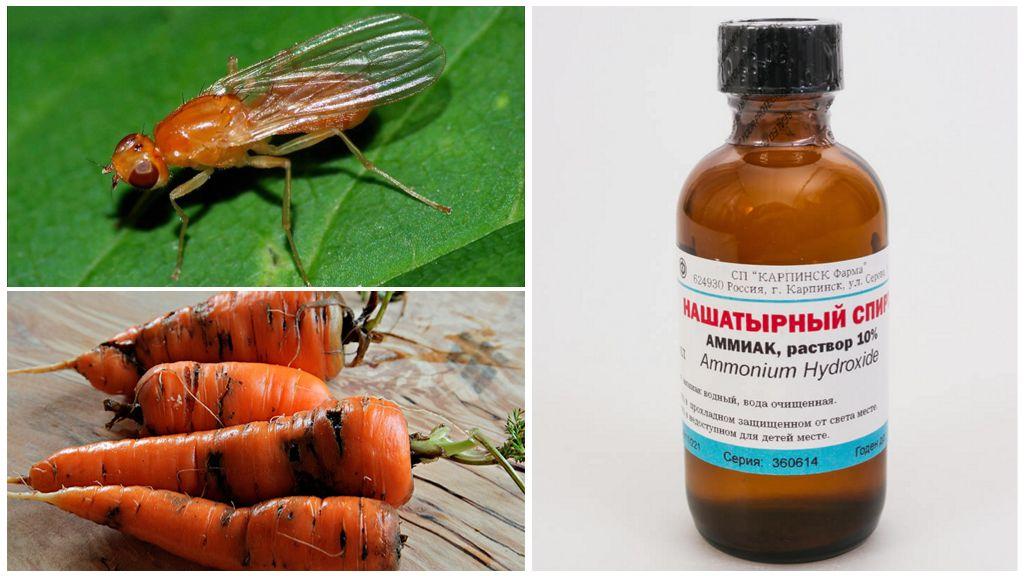
The frequency of watering depends on the severity of the root crop infestation. In most cases, applying an ammonia solution every 4-6 days is optimal. This frequency will ensure that the repellent odor does not completely dissipate, and the treatments will not cause any harm to the plants.
Spraying
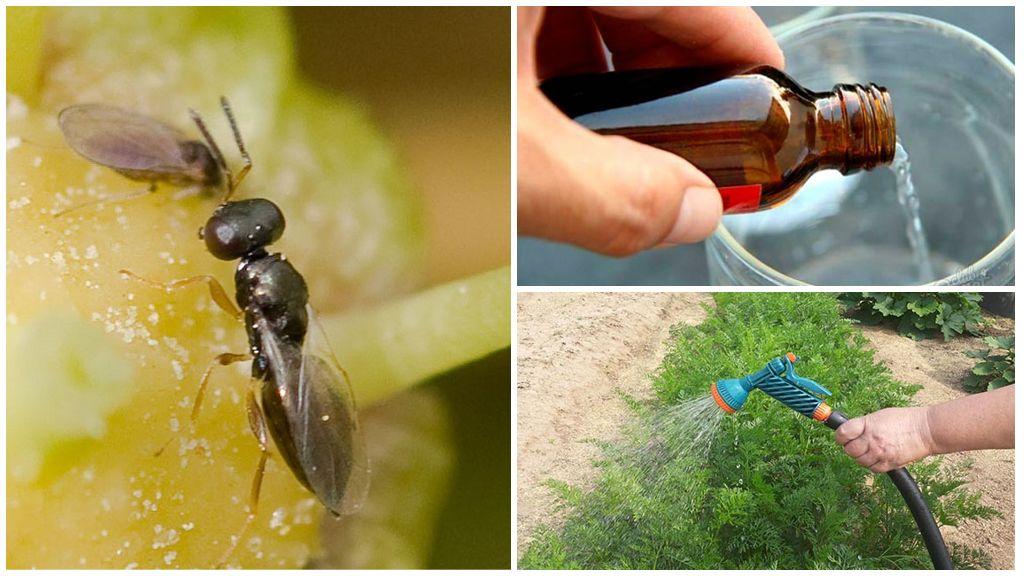
Above-ground treatment of garden crops is carried out early in the morning or in the evening after sunset. It is recommended to spray crops to control carrot fly in calm weather, when no precipitation is expected within the next 10-12 hours.
Cooking process
For watering or protective spraying, simply mix ammonia with water at a ratio of 2 ml per bucket. It's important to mix the mixture thoroughly, after which you can immediately begin treating your plants.
Precautionary measures
Because improper use of ammonia can be harmful to human health, safety precautions must be observed when working with it. When watering or spraying, wear protective clothing, including gloves, a thick cloth gown, and a hat.
For preventive purposes
An ammonia solution helps combat not only carrot flies but also a number of other harmful insects. To reduce the risk of pest infestation, regular preventative treatments are recommended.
Watering and spraying methods vary depending on the specific pest that may affect root crops.
Aphid
Aphids attack many garden plants and vegetables grown indoors. These small, green parasites lay eggs on the foliage, damage the above-ground parts of the plants, and absorb their sap. Over the course of a single season, these insects can cause significant damage to the plants themselves and to the future harvest.

You can treat root crop beds against aphids by spraying or watering them at the roots. To prepare the solution, dissolve 50 ml of ammonia in 7 liters of warm water. Apply early in the morning or evening for maximum effectiveness.
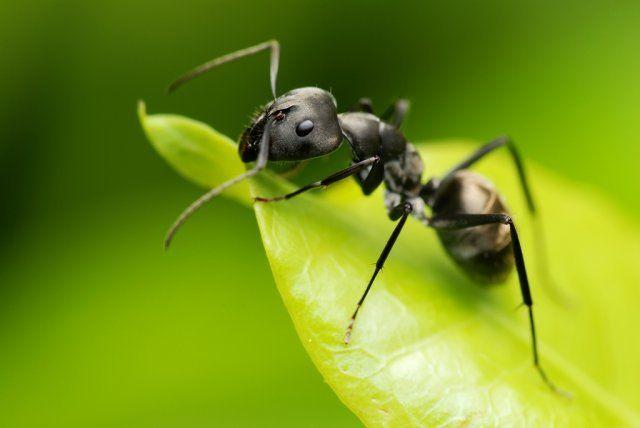
Ants
Once established in garden beds, ants can actively reproduce, destroy crops, and gnaw through roots and greenery. A key factor in controlling ants is their pungent, specific odor, which repels them. To control ants, several treatments are necessary, spaced every 3-4 days, as the queen ant has the ability to quickly restore the pest population in the garden.
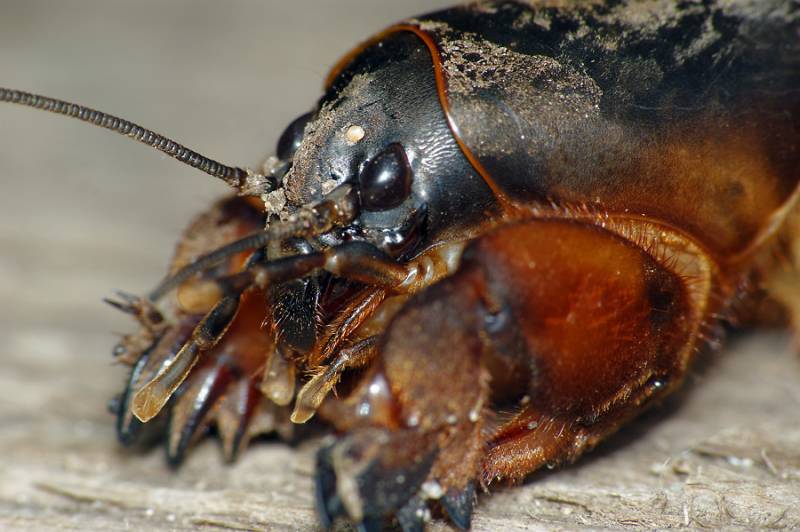
Mole cricket
To prevent mole crickets from infecting plants, dilute ammonia at a ratio of 10 mg per 10 liters of water. Apply the resulting solution to the roots, using 0.5 liters per plant. Alternatively, place moistened cloth rags between rows. In this case, soak the cloth in undiluted ammonia at a concentration of 3-4%.
The product can be used preventatively from the moment the crop is planted and throughout the growing season. Its unpleasant odor repels insects, preventing them from damaging seedlings and future shoots.
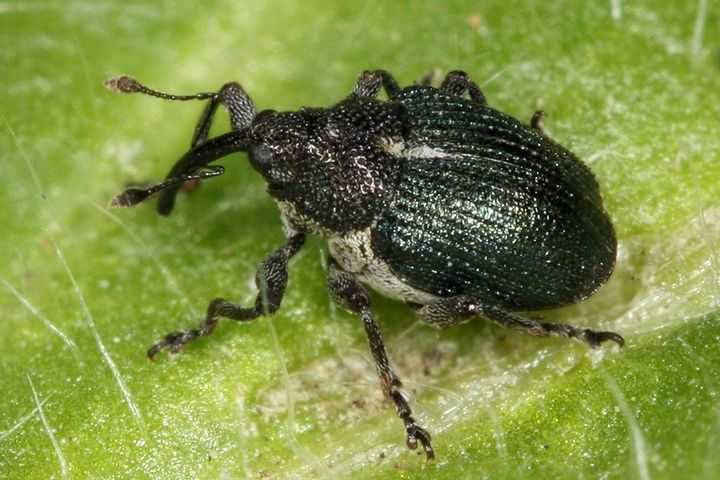
Weevil
Weevils overwinter in the soil and under plant debris, and with the arrival of spring, they emerge to the surface and chew through the tops of crops. These pests also attack root vegetables, which degrades their flavor.
To treat the soil against the effects of weevils, dissolve 25 ml of ammonia solution in 5 liters of water.
Garden crops should be watered every 7-8 days. It's important to note that pest activity increases in warm weather, when the ambient temperature exceeds 10 degrees Celsius. Weevils can fly long distances, which facilitates the active spread of pests within their habitat.
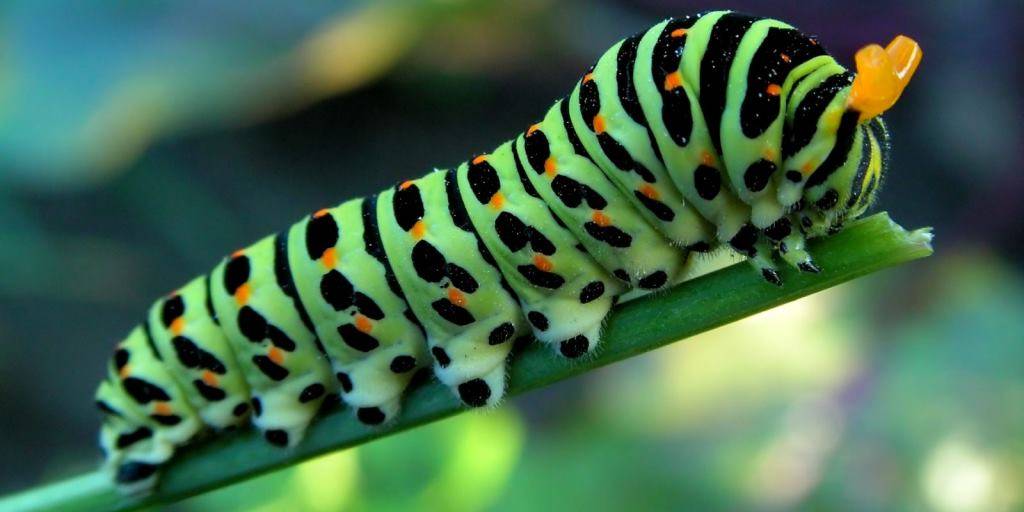
Caterpillars
Inhabiting garden beds, caterpillars quickly devour foliage and root vegetables. Spraying with an ammonia solution kills the pests and simultaneously acts as a fertilizer. Ammonia contains approximately 80% nitrogen, which stimulates foliage and stem growth.
To repel caterpillars from garden beds, dilute 40 ml of ammonia and 1 tablespoon of laundry soap in 5 liters of water. Large caterpillars can be removed by hand before treatment. Spraying should be done in calm weather.
Reviews
Galina, 47: "I regularly treat my garden beds with ammonia solution—it's very effective. Thanks to this preventative measure, I haven't had any pest problems in a long time. The flavor of the vegetables doesn't deteriorate even with frequent spraying."
Lydia, 62: "Last season, I was fighting pests and decided to try ammonia treatment. After a few sprays, I was able to get rid of the pests and save the harvest."
Related posts:
 How to properly feed cucumbers with ammonia, application instructions
 Is it possible to feed peppers with ammonia and the rules for processing?
 How to treat cabbage with ammonia to kill pests
 How to feed carrots with ammonia: preparation and processing
 How to treat and feed garlic with ammonia, and watering rules
 Using ammonia to fertilize onions, how to dilute and water
 Using ammonia to kill Colorado potato beetles on potatoes
 How to control carrot flies with medications and folk remedies