
Ammonia is as common in first aid kits as iodine solution or hydrogen peroxide. It's most commonly used to revive fainting people. However, the substance is also frequently used to kill pests on plants or as a fertilizer. Feeding cucumbers with an ammonia solution will saturate the crop with nitrogen and ensure a bountiful harvest.
Can I water cucumbers with ammonia?
First, it should be noted that ammonium hydroxide (ammonia) does not contain alcohol. A 25% solution of this substance produces ammonia water. It is used, among other things, in the production of nitrogen fertilizers. A 10% aqueous ammonia solution produces ammonia.
Of course, ammonia can be used to water cucumbers. However, it must be done correctly, incorporating the fertilizer into the soil so that the plants can absorb all the necessary elements. This will be beneficial for the plant. The following properties of the product will help protect plants from diseases:
- the amount of nitrogen in it is about 41%;
- when fertilized with it, the soil does not become oversaturated with nitrogen, and as a result, does not accumulate nitrates, which are harmful to people;
- Ammonia is one of the stages of the natural nitrogen cycle. Therefore, using ammonia for garden plants is more effective than using fertilizers, which plants can only utilize with the help of microorganisms.
Important! This substance has a moderately alkaline reaction. When used as a fertilizer, there is no risk of acidifying the soil.
Cucumbers are a plant for which the presence of nitrogen in the soil layer is important.
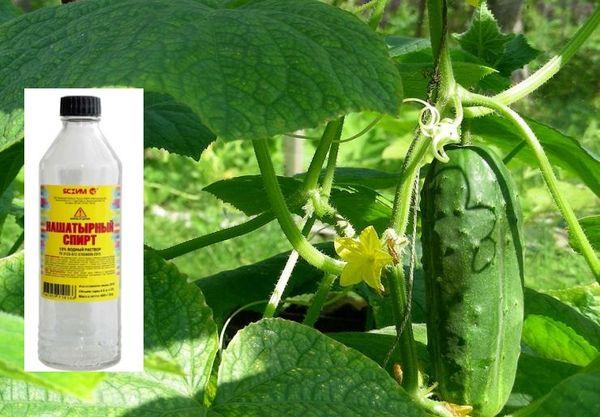
Fertilizer properties
Fertilizing cucumbers with ammonia has the following beneficial properties:
- thanks to nitrogen replenishment, the leaves become a rich green color;
- the leaves and stems of the plant grow faster;
- since ammonia contains 41% nitrogen, it is the most suitable fertilizer for cucumbers;
- Using ammonia on cucumber crops will help get rid of certain types of pests;
- This fertilizer will be useful not only for cucumber seedlings, but also for other plants growing in the garden.
Using ammonia in the garden, particularly for cucumbers, is justified: the fertilizer benefits the crop and does not harm the soil or other plants.
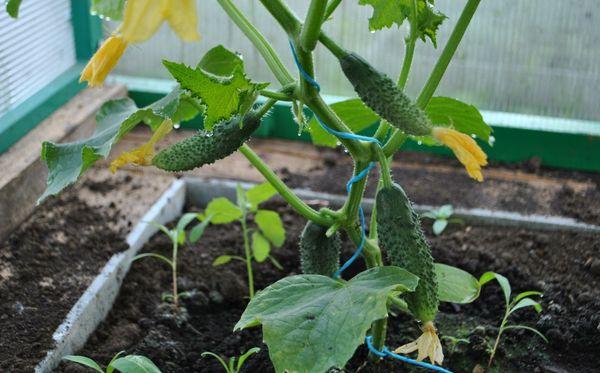
Indications for use
The use of ammonia concentrate in the garden is recommended to prevent a lack of nitrogen compounds in the soil layers.
Important! A lack of nitrogen in the soil where the plant grows disrupts photosynthesis. As a result, the plant develops chlorosis, which eventually leads to death. The leaves turn pale, yellow, and die.
The following signs indicate a lack of nitrogen compounds:
- At the bottom of the stem, the leaves lose their color saturation and yellow areas appear on them.
- New leaves are smaller in size than mature ones.
- The stem of the plant becomes very fragile and brittle.
- The culture grows very slowly.
- The flowering or fruiting period does not occur.
- If there is a lack of nitrogen in the soil, the plant becomes overly sensitive to low temperatures.
Note: Using ammonia promotes accelerated crop growth and allows for a bountiful harvest.
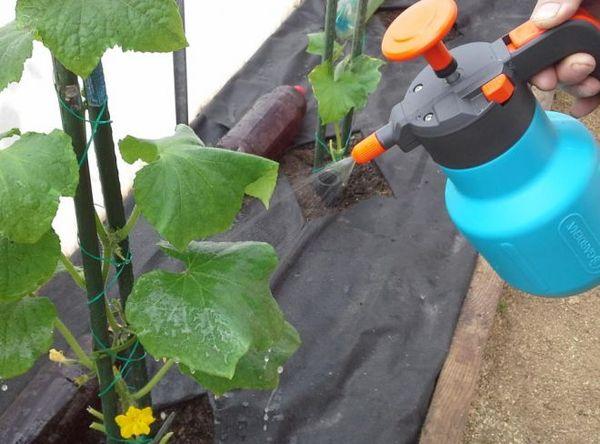
How to prepare a solution
Using ammonia in your garden is a good way to effectively nourish cucumbers. However, to achieve the full effect, you need to understand how to properly prepare the solution, the dosage, and the correct proportions for watering the plants.
Excessive fertilizer application can have a detrimental effect on the plant. For example, failure to flower or the development of fungal symptoms can all result from excessive ammonia application. Therefore, it's important to prepare the solution correctly.
To ensure that ammonia is used as a root dressing, dilute 10 milliliters of ammonia in a bucket of water. Apply this solution to the cucumber seedlings twice a day for seven days. Fertilizing cucumbers this way four to five times will yield a good harvest.
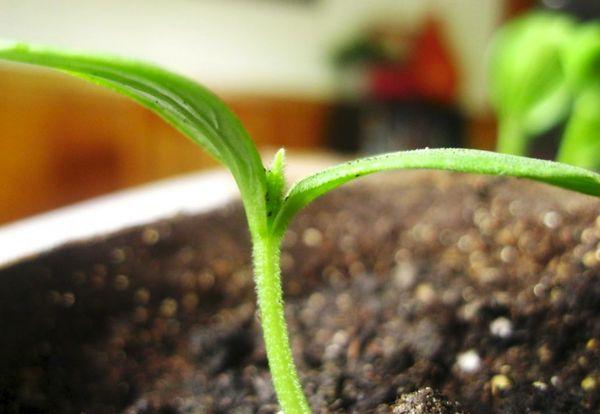
Ammonia is also used as a foliar fertilizer. A two-percent solution is then required. To do this, pour 20 milliliters of ammonia into a bucket of water. This solution can be used not only for growing plants but also as a nitrogen-enriching fertilizer for seedlings in a greenhouse.
Processing methods
As already mentioned, there are two methods of feeding using ammonia:
- root;
- foliar.
Watering plants at the roots
Cucumbers are watered with an ammonia solution to replenish nitrogen. This element is a building block involved in metabolic processes. Adequate nitrogen is crucial during growth and when the plant's green mass increases.
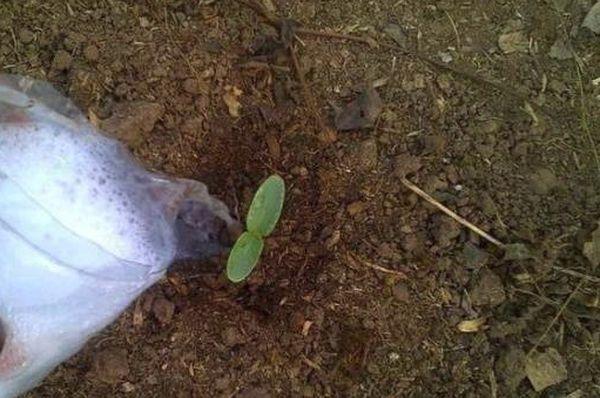
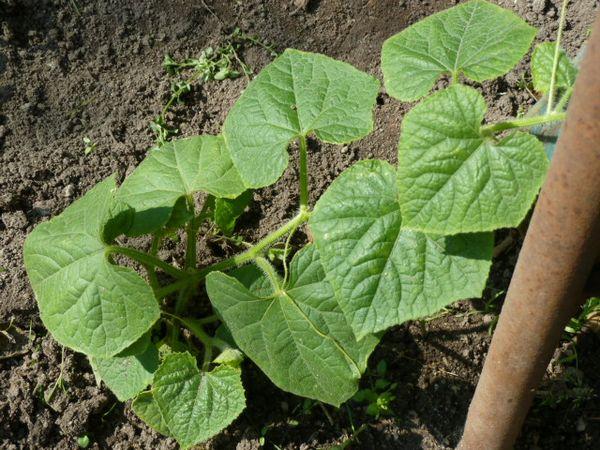
It's recommended to fertilize cucumbers when the first 4-5 leaves have appeared and the plant has begun to branch. Water with a solution of 3 tablespoons of ammonia per bucket of water. Apply this solution to the roots of the plant. The frequency of watering depends on the condition of the plant. If growth has slowed, the plant has a large number of barren flowers, or fruit is not setting, repeat fertilization.
You can water cucumber seedlings in a similar way. Use a watering can without a diffuser and water the seedlings very carefully, right at the roots. To avoid burning the young shoots, you can spray their leaves with clean water.
Foliar feeding
If you need to alleviate nitrogen deficiency urgently, you can apply foliar feeding. To do this, prepare a solution of 50 milliliters of ammonium hydroxide per 10 liters of water. This fertilizer can be easily applied to the plant using a watering can.
Important! If you use a spray bottle for foliar feeding, most of the active ingredients will evaporate, leaving nothing for the plant to absorb.
Feeding in this way should be done on a day when there is no wind and it is cloudy, or when the sun has set.
Precautionary measures
Pure ammonia is toxic to the body because it contains ammonia and hydrogen. It can penetrate the respiratory system, mucous membranes, and skin, causing illness. If ammonia solution comes into contact with the skin or mucous membranes, it causes burns.

Therefore, when preparing a solution for feeding, it is important to observe safety standards:
- use protective equipment (rubber gloves, a respirator or a square cloth bandage over the mouth and nose, glasses);
- carry out manipulations when spraying from the windward side;
- processing of crops in a greenhouse should be carried out with open frames and a raised canopy;
- Spraying seedlings in the house should be done on the balcony or with the windows open.
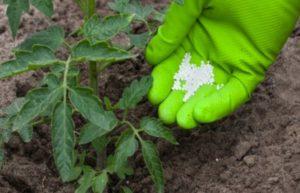
If the substance comes into contact with your skin, immediately rinse the affected area with plenty of water. If signs of poisoning appear, seek medical attention immediately and begin treatment.
Note: If the solution comes into contact with wiring, furniture, or walls, it may cause damage and cracking.
Harm from ammonia solution
If safety precautions and recommended dosages are followed, the solution will not cause harm. However, the following nuances should be considered:
- The fertilizer doesn't penetrate deep into the fruit, but remains on the surface as a thick layer. Therefore, it's important to wash vegetables thoroughly before eating;
- If the dosage is not followed, there is a high risk of destroying the crop;
- The solution has a persistent and unpleasant odor that causes discomfort.
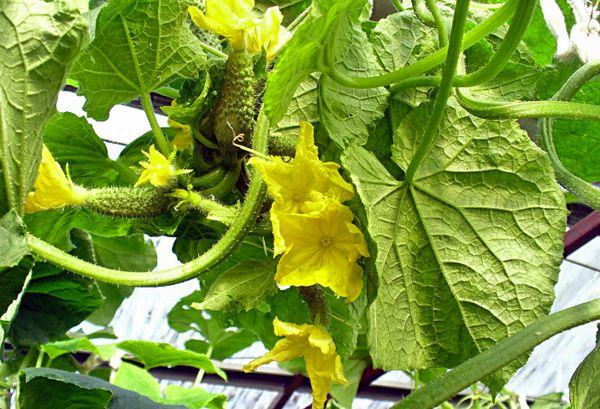
Pest control
Every year, gardeners suffer greatly from pest damage to their crops. They appear on the undersides of leaves and deprive the plant of nutrients. The leaves of affected crops curl and fall off. A concentrated ammonia solution can help get rid of these pests.
To do this, you will need to prepare a concentrated solution: for a bucket of water you will need 50 milliliters of ammonia and 100-200 grams of grated laundry soap.
Those who have tried this method report that sometimes one treatment is enough to completely eliminate aphids. Mole crickets also dislike the distinctive smell of ammonia. However, the garden will need to be treated again after a while, approximately two weeks.
Related posts:
 Is it possible to feed peppers with ammonia and the rules for processing?
 How to feed carrots with ammonia: preparation and processing
 How to treat cabbage with ammonia to kill pests
 How to control carrot flies with ammonia, treatment methods, and watering
 How to treat and feed garlic with ammonia, and watering rules
 Using ammonia to fertilize onions, how to dilute and water
 Using ammonia in the garden and vegetable garden: how to make a solution
 Using ammonia to kill Colorado potato beetles on potatoes