
Ammonia is a fairly common product, often used medicinally. However, experienced gardeners also use it to kill parasites and repel dangerous pests. Using ammonia in the garden should be done strictly according to the instructions. This helps achieve the desired effect and avoid negative impacts on plants.
Description of the substance
Ammonia is an ammonia solution in which nitrogen is present as ammonium nitrate. Its chemical formula is NH4CL. It is a volatile liquid with a characteristic pungent odor. It contains ammonia solutions of varying concentrations—10, 25, or 50%. This solution is alkaline and can quickly reduce acidity.
Ammonia contains a high amount of nitrogen—approximately 80%. This element is essential for plants. Without it, leaves and stems don't grow. Consequently, plantings become small and stunted. Yellowing foliage indicates a nitrogen deficiency in the soil. Meanwhile, garden plants that receive sufficient amounts of this element have bright green leaves and strong stems.
His purpose
Nitrogen is the primary nutrient for plants. It ensures crown growth, abundant flowering, and high-quality fruiting. Furthermore, plants can obtain this nutrient exclusively from the soil. However, 78% of the nitrogen in the air is in a form unavailable to plants.
In this situation, urgent nitrogen fertilization is necessary. To avoid over-nitrateing, ammonia can be added to the soil. Furthermore, ammonia has a pungent odor that repels harmful insects.

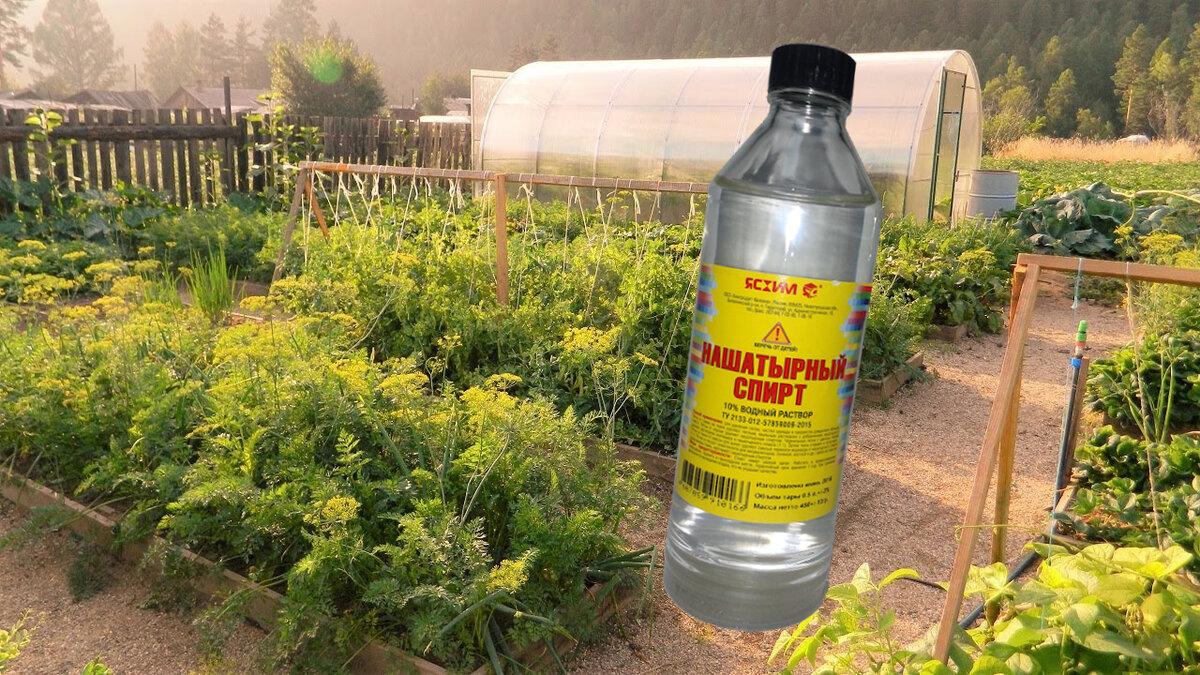
Features of use as a fertilizer
Nitrogen is essential for members of the Solanaceae family, including eggplants and potatoes. Cabbage, peppers, pumpkins, and squash also require this element. Among fruit and berry plants, blackberries, raspberries, plums, and cherries require the nutrient. These plants require ammonia treatments several times.
The product has a beneficial effect on the appearance and growth of ornamental plants such as roses, dahlias, peonies, and clematis. It also improves the appearance of violets, nasturtiums, and zinnias.
Pears, bulbous flowers, and radishes require a moderate amount of nitrogen. Legumes, however, require no additional fertilizing. They can absorb nitrogen from the air and store it in their root nodules.
For cabbage
This product helps protect cabbage from a wide range of pests, including flea beetles, cabbage flies, snails, and slugs. To prepare the solution, mix 80 milliliters of ammonia with 10 liters of water. The resulting mixture should be used for spraying the plants. It's important to avoid applying other nitrogen fertilizers during this time.
In the garden
In the garden, an ammonia solution can be used on fruit and berry plants and ornamental crops. Applying the solution improves the blooming of roses, peonies, clematis, and many other flowers. To prepare a working solution for garden plants, mix 1 tablespoon of the solution with 10 liters of water.
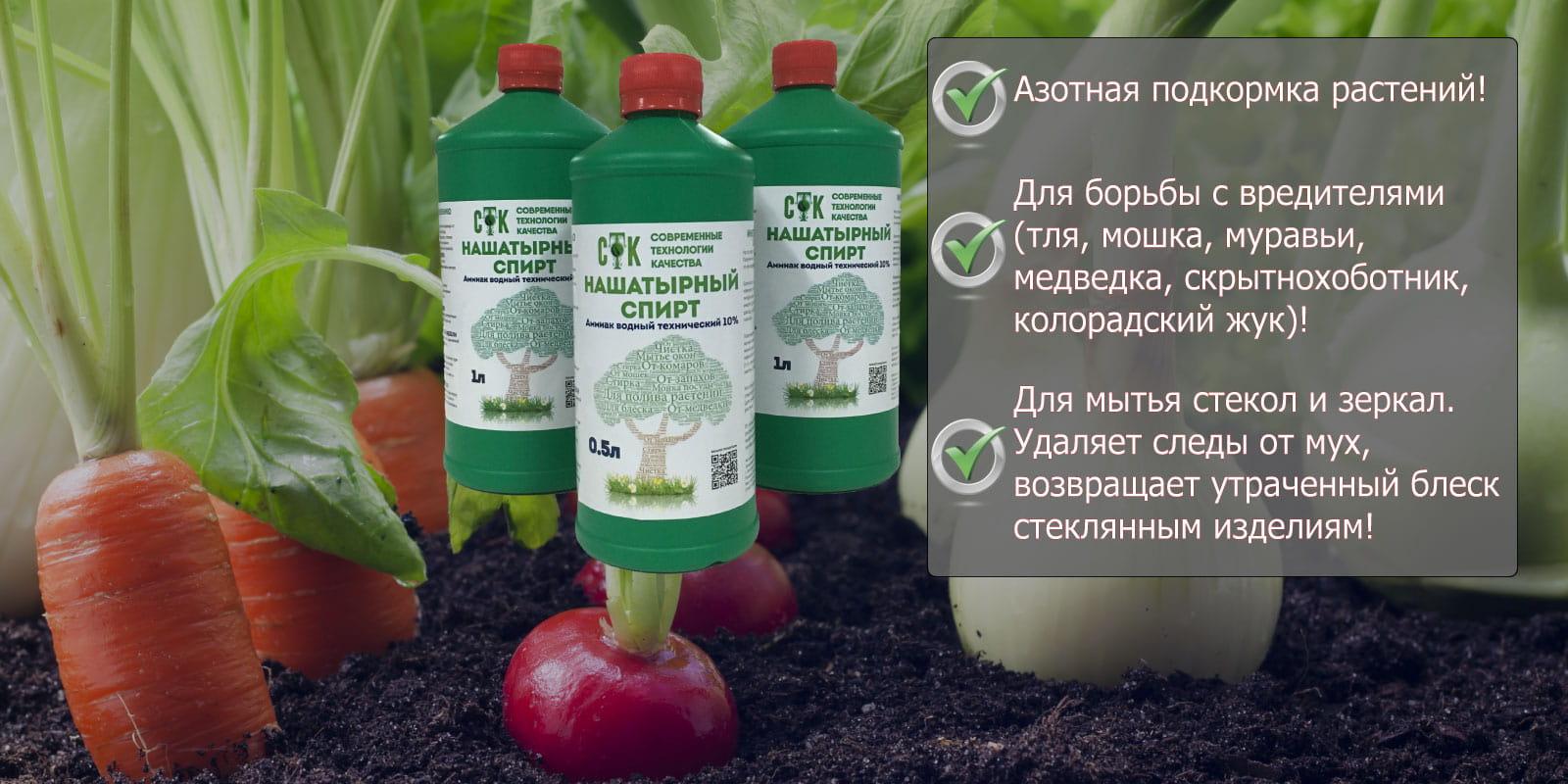
For strawberries
This solution helps protect strawberries from diseases and pests. It also helps nourish the bushes. Before applying the solution, loosen the soil and water the beds. It's important to note that it's recommended to apply the ammonia solution to strawberries in the spring, before flowering. It can also be used in the fall, after fruiting has finished.
To make a working solution, use 40 milliliters of the product per 10 liters of water. Pour 500 milliliters of the mixture under each bush. If the solution gets on the leaves, it will help control fungi and pests. Water the plants with this mixture every 7-10 days.
For raspberries
Raspberries require a lot of nitrogen to produce fruit well. Fertilizing these plants with ammonia before flowering and after harvest is necessary. Since raspberries are often susceptible to fungal diseases, additional spraying is necessary.
Take a look Also
Ammonia should be applied when the temperature rises above 10 degrees Celsius. To prepare the solution, use 3 tablespoons of the solution per 10 liters of water. Apply 5 liters of the solution under each bush. Afterward, cover the soil with any mulch—grass or straw. Apply the solution every 7-10 days until flowering begins.
Spraying raspberry bushes is necessary at the beginning of the growing season, before flowering, and after harvest. To apply ammonia foliarly, make a solution of 2 tablespoons of the solution to 10 liters of water. To improve adhesion, add 2 tablespoons of liquid soap to the mixture—tar soap is preferred.
For onions and garlic
A nitrogen deficiency in the soil is indicated by pale onion and garlic leaves. To address this problem, make a solution of 2 tablespoons of ammonia and 10 liters of water. Apply the solution to the roots. Be sure to apply the solution to damp soil.
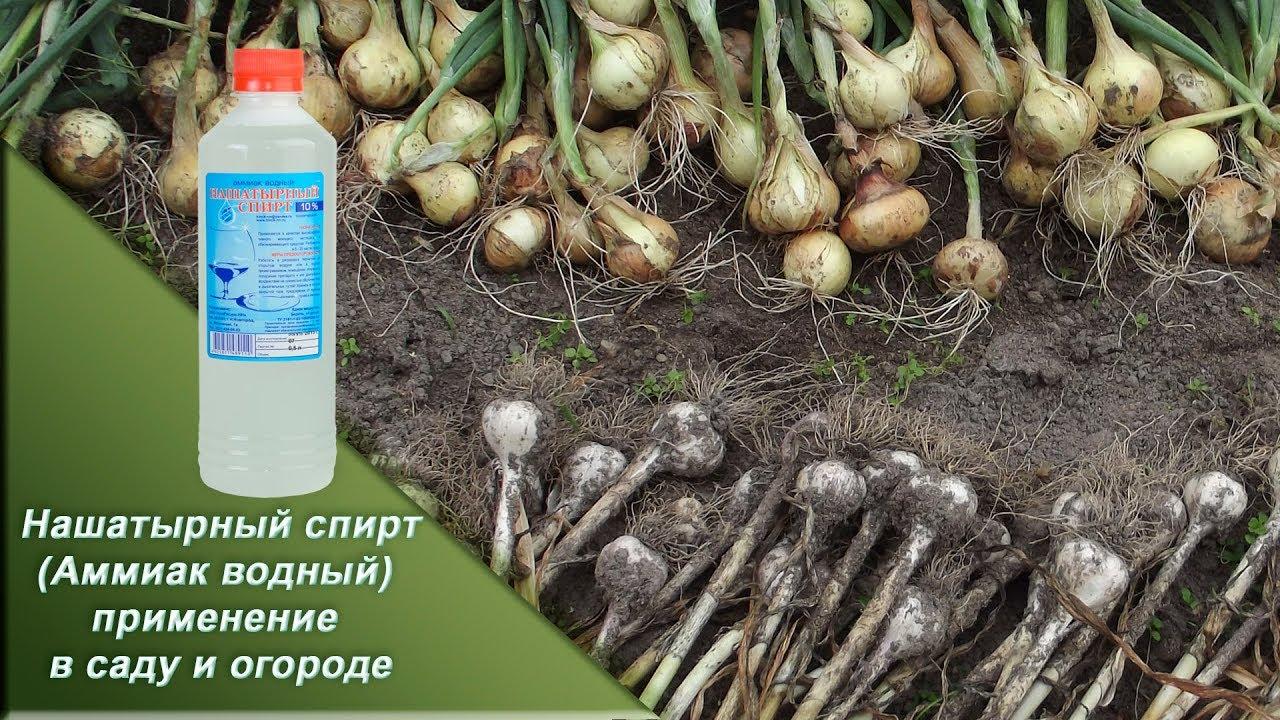
To control onion and garlic pests, prepare a solution of 2 tablespoons of ammonia and 10 liters of water. Water the plants three times, every 10 days.
For tomatoes
Ammonia is excellent for treating plants when planting outdoors. Tomatoes require nitrogen to grow foliage and form flowers. Experts recommend mixing 2 tablespoons of ammonia with 10 liters of water and watering the plants at the roots. One liter of the mixture is required per plant. Water the plants before applying the fertilizer. Apply the mixture at intervals of one week.
For cucumbers
Ammonia is used on cucumbers before fruit formation. To make a solution, mix 3 tablespoons of the solution with 1 bucket of water. Apply the solution every 7-10 days. Once fruit formation begins, apply the solution every 4 days. A more concentrated solution is needed. To dilute the solution, use 1 small spoonful per 1.5 liters of water.
Safety precautions
Ammonia is a concentrated solution with a pungent odor. To avoid unwanted health effects, it's important to follow certain guidelines:
- Avoid preparing ammonia-based fertilizers for people with hypertension. This can cause a sharp increase in blood pressure.
- Use personal protective equipment. This may include gloves, goggles, and protective clothing.
- If the substance comes into contact with mucous membranes, rinse the affected areas thoroughly with running water.
- Do not exceed the recommended doses of ammonia for plant treatments. Otherwise, there is a risk of burning them.
- Prepare the working solution in the fresh air or in a well-ventilated area.
- After treating the plants in the greenhouse, ventilate them.
Contraindications for use
Ammonia has virtually no contraindications. However, experts advise against exceeding the recommended dosage. This will adversely affect plants. The substance should be applied at intervals of 7-10 days. For diseased crops, lower concentrations of solutions should be used. These can be gradually increased over time.
What mistakes are made?
The main mistake gardeners make is using ammonia solution in acidic soil without neutralizing it. This only increases the pH, which negatively impacts plants. However, farmers also make other mistakes:
- Ammonia is applied too frequently and not on schedule. In reality, it should only be used when necessary, no more than once every 6-8 days.
- The dosage is incorrect. If the amount of the product is too small, there will be no effect. If the dosage is too large, the plant's condition will worsen.
- Prepare the working solution for future use. After just half an hour, all the ammonia evaporates from the solution. Therefore, there is no nitrogen left in the solution.
How and how long can it be stored?
It is recommended to store this product at a temperature of +20°C. The shelf life is 2 years from the date of manufacture.
What to replace it with
The product can be replaced with ammonium carbonate, liquid ammonia, or ammonium nitrate. Ammonium phosphate and diammonium phosphate are also acceptable.
Ammonia is an effective solution that can be used on a wide variety of crops. It enriches plants with valuable nutrients and improves their growth and development.