
- Description of the substance and the mechanism of its formation
- Classification of soils by humus content
- What role does it play in nature?
- Is there a risk of ruining it?
- How is it different from humus?
- Rules and terms for the use of humus
- Is it possible to cook it yourself?
- Storage rules and safety precautions when applying
Soil fertility is a crucial condition for successful farming. Human ancestors knew that the richest soils were those with a thick layer of dark, loose soil beneath the surface. They didn't know its name, but they understood that without it, crops would be impossible. This layer became known as humus. Even today, it continues to be considered the primary measure of soil fertility, an important indicator of its quality and usefulness for agriculture.
Description of the substance and the mechanism of its formation
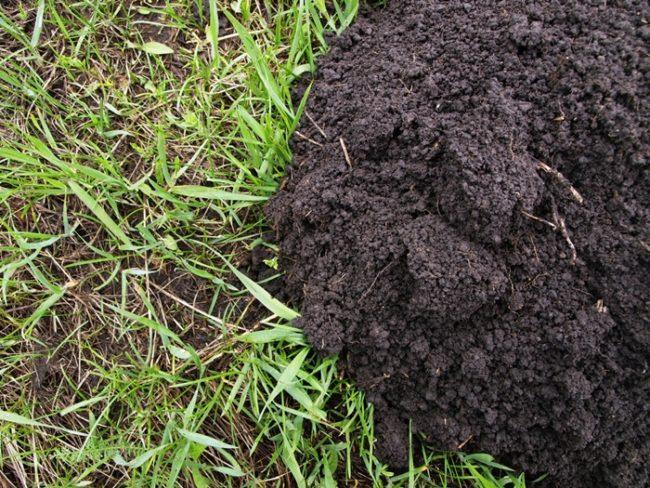
Humus is formed from a complex combination of plant and animal remains processed by soil microorganisms and formed under the influence of a number of natural conditions. It consists of water-insoluble humic acids and humins, humates, and fulvates. The amount of humus varies in different soils. It accounts for up to 85-90% of soil organic matter.
This substance is formed through humification. This is the process of converting plant and animal remains under anaerobic conditions, that is, in the absence or minimal presence of oxygen. This process is significantly influenced by soil microorganisms of various origins. Under their influence, the components of organic matter not only decompose into their simplest components, but are also transformed into other substances in a form accessible to plant absorption. Humic components are characteristic exclusively of soil and are found nowhere else.
The process of humus formation depends largely on climatic conditions. In warm and moist conditions, residues quickly mineralize, and no accumulation occurs. In cold conditions, plant and animal remains are scarce, and the humus layer forms extremely slowly, taking millennia rather than centuries. More favorable conditions are temperate ones, where heat, moisture, and the amount of organic residues are in perfect balance.
Classification of soils by humus content
Humus content can vary significantly between soils, from 0.05% in the poorest brown semi-desert soils to 10-20% in chernozems. The following soils contain the highest amounts of this substance:
- Meadow soils.
- Floodplain soils.
- Chernozems.
Humus content in soil cannot be stable, as its amount increases and decreases depending on many factors: human activity, natural conditions, the number of plants and their needs, and agricultural practices. Therefore, average values characteristic of specific soil types are used in calculations.
What role does it play in nature?
Although plants can grow without soil in artificial conditions, such as hydroponic systems, in nature, the presence of humus determines the soil's nutritional value and its ability to support certain plants. Some can thrive in poor soil, while others require rich, humus-rich soils to produce a full, high-quality harvest.
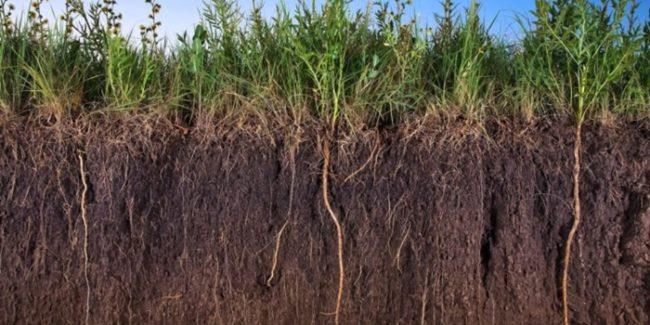
In addition to its nutritional function, humus has the important property of imparting structure to the soil. Soils rich in this substance have a light, permeable structure, yet retain sufficient moisture for plants to grow, flower, and bear fruit. Humus can contain up to 80-90% of its own weight in moisture, providing ideal conditions for plant growth and for seeds to germinate and develop.
The lumpy, loose structure of the soil is maintained by microorganisms through the process of humification. It is also believed that humus functions not only as a nutrient but also as hormone-like substances in plant physiology.

Is there a risk of ruining it?
Both nature and humans can destroy the humus layer, with the latter's negative impact being more damaging than all natural disasters and catastrophes combined. Humus is destroyed by floods, earthquakes, volcanic eruptions, tornadoes, hurricanes, strong winds, droughts, and desert encroachment on fertile lands. However, even greater damage is caused by deforestation and the overexploitation of natural resources, mining, agricultural development, and ecological imbalances.
However, the greatest risk of damaging the humus layer occurs with improper agricultural practices. These include the following:
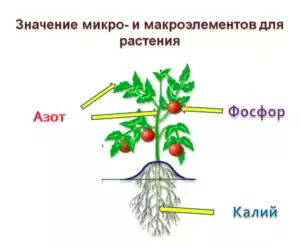
- Extensive application of nitrogen fertilizers. The soil becomes oversaturated with nitrates, and the humus layer steadily diminishes because microorganisms, stimulated by the nitrogen, decompose it more quickly.
- Drought and erosion lead to drying out and weathering of the humus-rich surface layer of soil.
- Excessive moisture causes soil acidification and accelerates the accumulation of humic acids. This increases the nominal humus content of the soil, but it is present in compounds unavailable for plant nutrition. The result is excessive humus, but the effect is disastrous.
- Leaving fields fallow. The lack of organic matter starves the soil microorganisms that form the humus layer. Furthermore, bare soil is more susceptible to negative environmental impacts.
How is it different from humus?
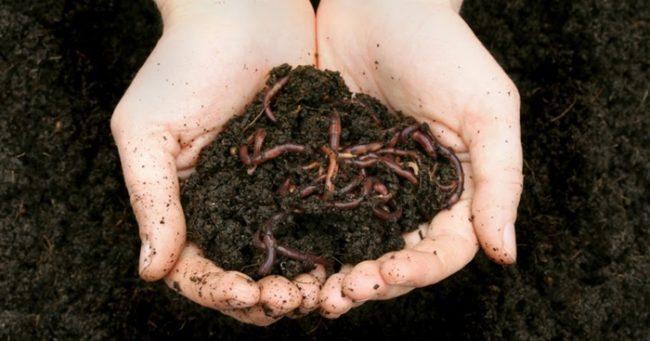
In everyday life, the terms "humus," "compost," and "humus" are considered synonymous, but in reality, they are not. The concepts are related, but not identical. Humus arises in the soil through natural processes that are not fully understood by scientists. It consists of almost 90% plant residues and is considered one of the final products of organic matter breakdown.
Compost is also made from plant residues that have undergone a complex process of decomposition and fermentation under controlled conditions. Most commonly, composted materials include weeds, crop waste, scraps, and other substances that can decompose.
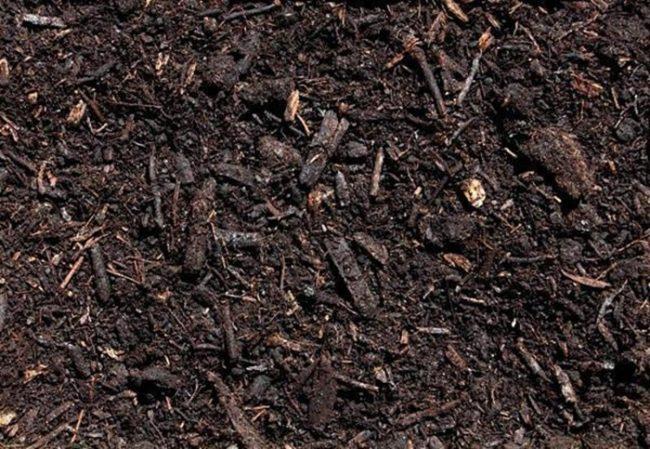
Humus is rotted animal manure. Completely decomposed, with a structure and appearance reminiscent of humus, it is called compost.
Rules and terms for the use of humus
To improve the soil, use commercial vermicompost, which can be liquid or granulated. Liquid humus can be used regardless of the season and acts as a fertilizer for potted plants and open ground. It is suitable for root and foliar application, as well as for soaking seeds before sowing. The solution should be warm. Fertilizer should not be used during flowering or during the fruit formation stage.
Dry humus is added when planting seedlings and plants, during digging.
It is also suitable as a fertilizer during the period of active growth of crops and sowings. This substance has proven particularly effective for growing agricultural, flower, and ornamental plants in greenhouses, as well as in indoor gardening. It improves the permeability and structure of the soil, its nutrient content, and its water permeability. As a result, plants grow better, bloom longer, and produce a bountiful harvest.
Is it possible to cook it yourself?
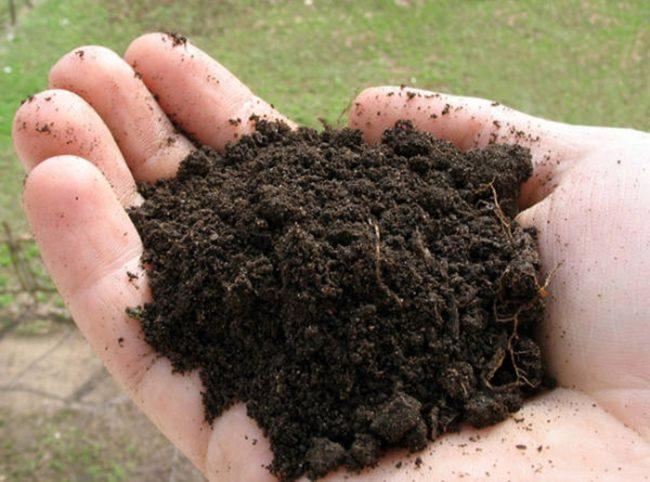
The creation of humus itself in nature takes months, and sometimes years, decades, or centuries, depending on environmental conditions and the source material. Furthermore, the process of its formation has not been fully studied, and many aspects remain unclear to scientists. Therefore, it's impossible to say that a complete analogue of the natural substance can be created at home at this time. You can increase its content in the soil by using the following methods:
- Adding organic matter – humus, peat, compost, plowing in plant residues, using green manure.
- The use of beneficial microorganisms that accelerate the formation process, for example, in the form of concentrates "Baikal", "Trichoderma", "Biocomplex-BTU", "Radiance", and so on.
- Application of humates, humic acids, and preparations based on them such as "Gumipas", "Gumat Universal", "Gumino de Gallina" and many others.

Proper agricultural technology and protection of land from devastation are of great importance.
Storage rules and safety precautions when applying
If there is a need to store humus that has not been used during the plant growth season, the following rules should be observed:
- Supplies must be protected from foreign substances, so they should be stored in special "breathable" containers, such as bags placed on stands, shelves, or special racks.
- The substance may be damaged by freezing, so the room temperature should not drop below freezing.
- It is important to maintain a stable humidity level, as drying out disrupts the structure and reduces the value, while high moisture content can lead to mold growth or the product becoming sour.
- The substance must be stored in closed areas, warehouses or utility rooms that are inaccessible to unauthorized persons.

The product should be checked periodically to detect high or low humidity, as well as pest infestation.
Humus is a non-toxic substance, so no special protective measures are required when using it. Wear protective clothing, goggles, and a mask to prevent eye and respiratory exposure, as well as gloves to prevent infection of minor cuts and abrasions on your hands, as when working with soil. After finishing work, wash your face and hands with soap, take a shower, and change clothes.
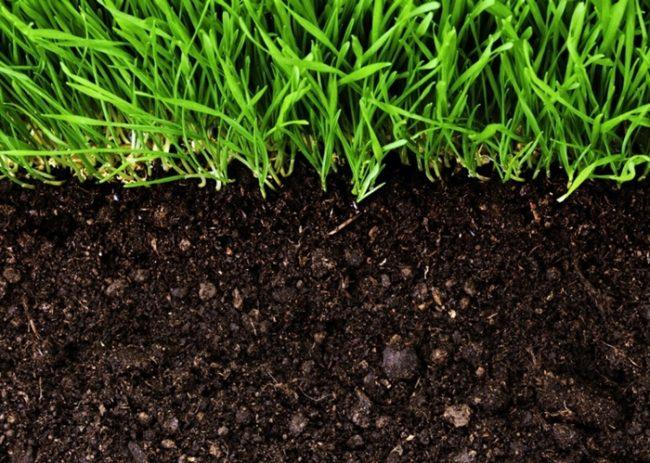
Humus-rich soils are a true asset, allowing for abundant harvests of high-quality, valuable, and nutritious agricultural products, and also serving as a source of lush natural vegetation.