
- What does potassium give to plants?
- Signs of deficiency and excess
- Types of potash fertilizers
- Potassium chloride
- Potassium sulfate
- Wood ash
- Potassium salt
- Potassium magnesium sulfate
- Potash
- Cement dust
- Potassium monophosphate
- Potassium nitrate
- Application technology for plants
- Tomato
- Cucumber
- Grape
- Potato
- Flower crops
- Deadlines for contributions
- Precautions when working
Mineral fertilizers are essential for optimal growth and development for all plants. They help increase yields, ensure strong, well-developed plants, and prevent soil depletion. There are various groups of mineral supplements, without which it is impossible to achieve a good harvest. The specifics of using potassium fertilizers for garden and vegetable plants is the topic of today's detailed discussion.
What does potassium give to plants?
A sufficient amount of potassium in the soil ensures better plant adaptability to drought and low temperatures, promotes improved cellular metabolism and the absorption of nitrogen and phosphorus fertilizers, and accelerates the process of photosynthesis.
Light peaty soils are particularly susceptible to potassium deficiency, while dense soils retain potassium better. A deficiency of this mineral disrupts protein formation in plant cells, significantly reduces yield, and weakens the plant, making it pale and unhealthy.
Signs of deficiency and excess
Potassium, along with nitrogen and phosphorus, is one of the most essential elements for plants. A deficiency causes leaf marginal burn (the leaf dries out at the edges), the plant sheds its leaves, growth and development slows, and buds and fruit set significantly fewer.
Important: The use of potassium fertilizers improves the taste of vegetables and fruits and the shelf life of the harvest.
An excess of the element is just as harmful to plants as a deficiency; signs of excess potassium in the soil include elongated internodes and lighter leaves. Plants stop absorbing nitrogen, and in severe cases, foliage mosaicism, tissue necrosis, and leaf fall are observed.

Types of potash fertilizers
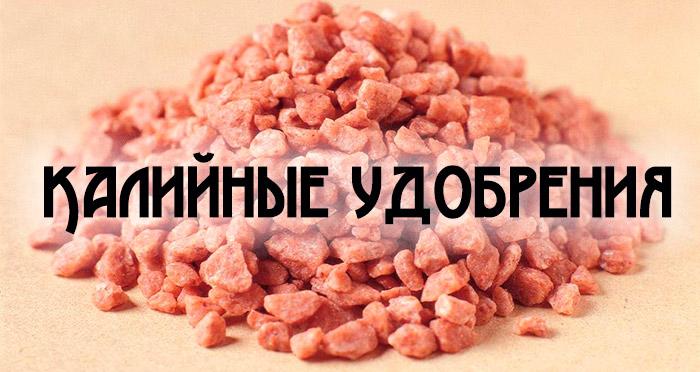
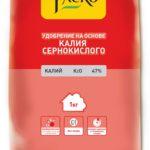
Potash fertilizers are mineral fertilizers containing potassium salts. The source material is extracted from ore found in mineral deposits. Potassium chloride and potassium sulfate are most commonly used as fertilizers, but other compounds are also used for plant nutrition.
Mineral complexes containing potassium are easy to distinguish from other fertilizers, since their names usually reflect the composition of the product (monopotassium phosphate, potassium sulfate, potassium salt).
Potassium chloride
Potassium chloride is highly hygroscopic (capable of absorbing water), so it quickly cakes. It contains a large amount of chlorine, as the name suggests. The compound cannot be used for plants that do not tolerate it well, such as raspberries, currants, cherries, or cabbage.
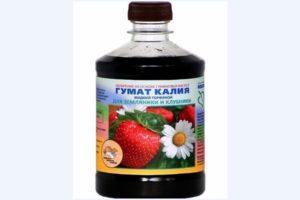
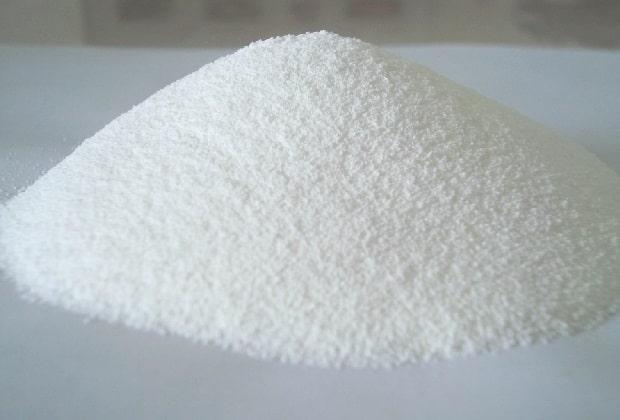
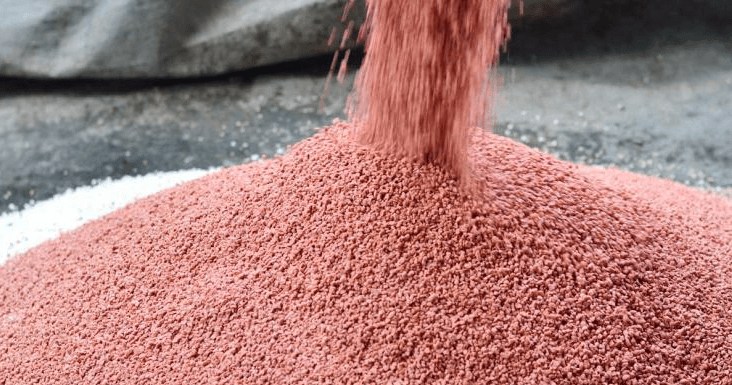
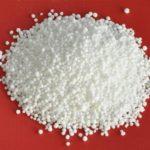
Potassium chloride is an inexpensive mineral fertilizer available at gardening stores. It comes in the form of white, grayish, or reddish powder or granules. The color of the product has no effect on its quality. The compound is highly soluble in water, and its solubility increases with increasing solvent temperature.
Potassium sulfate
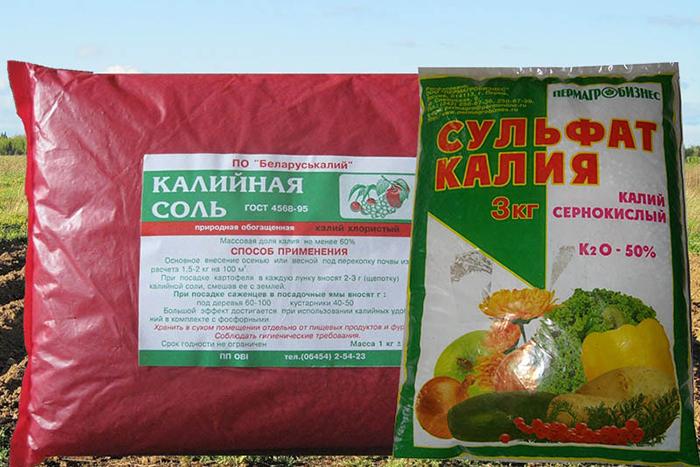
Potassium sulfate is a mineral fertilizer that can be used for plants that don't respond well to chlorine. It's used for cucumbers, potatoes, tomatoes, berry bushes, and fruit trees. It absorbs water less efficiently than potassium chloride, so it stores better and is slightly more expensive.
Wood ash
This fertilizer is a mixed phosphorus-potassium fertilizer used for indoor plants, greenhouses, and open ground. Wood ash is traditionally used to fertilize and reduce soil acidity. Wood ash also protects plants from a variety of pests and diseases. In addition to potassium and phosphorus, it contains a large number of other micronutrients that have a beneficial effect on the health of plants.
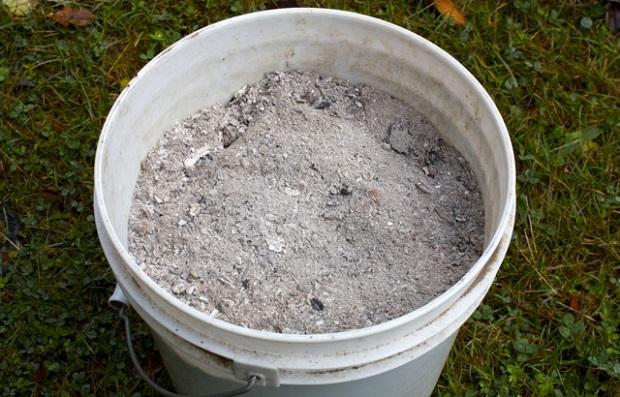
Ash can be used on its own, by adding it dry to the soil around the tree trunk, or as part of organic fertilizers, for example, by pre-mixing it with compost.
Potassium salt
The base is potassium chloride, but the fertilizer also contains selvinites. This is a type of salt that contains potassium instead of the usual sodium. Adding potassium salt to regular table salt has created a type of table salt with a reduced sodium content.
The beneficial properties of this salt allow it to be used by people suffering from hypertension – the low amount of sodium in its composition relieves people from swelling.
Potassium salt is an excellent fertilizer. It is applied to the soil only in the fall, during digging (spring and summer application is dangerous for plants). This enriches the soil with potassium, ridding it of excess chlorine, which will be washed out by meltwater and spring rains before active plant growth.
Potassium magnesium sulfate
A complex fertilizer containing potassium, magnesium, and sulfur (30:17:10). It is categorized as chlorine-free (chlorine content no more than 3%) and can be used without restrictions. It is readily soluble in water and comes in pinkish granules. Double salt is another name for this fertilizer; it is used on all soils except black soil.
Potash
Potash, or potassium carbonate, is used on acidic soils; due to its high hygroscopicity, it is rarely used as a fertilizer today, as it loses its properties when compacted.
Cement dust
It is added to reduce soil acidity and is used mixed with peat chips. Cement dust contains approximately 8% potassium.
Potassium monophosphate
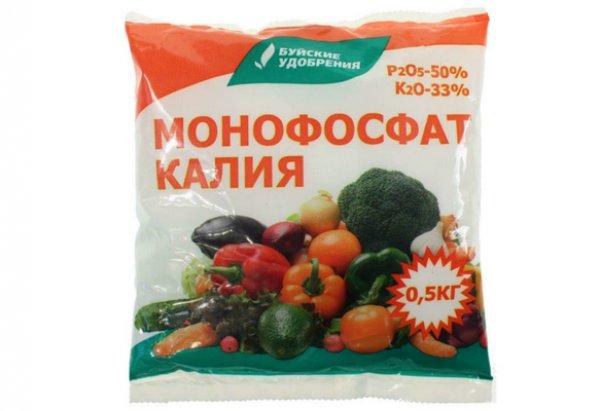
A potassium-phosphorus mineral fertilizer that increases plant resistance to diseases and pests, enhances frost resistance, and promotes flower budding. It also increases yields. It's an excellent all-in-one fertilizer, but gardeners should remember:
- used only in liquid form;
- not added to the soil in autumn;
- promotes weed growth;
- The prepared solution decomposes in the light and must be used immediately after preparation.
The mineral complex has a decent price, which is justified by the effect obtained.
Important: not used for soil deoxidation.
It is produced in powder or granule form and is sold in white or yellowish colors. The yellowish fertilizer is significantly inferior in quality due to its high impurity content.
Potassium nitrate
Potassium nitrate contains nitrogen and potassium. It is used as a mineral fertilizer for all garden and vegetable crops and is chlorine-free. It is used in liquid form for plant nutrition. It is available in granular and powder form. It is a white or yellowish powder and should be stored in a dry place. A ready-made potassium nitrate solution is available at garden centers.
Application technology for plants
It depends on the type of fertilizer. Some are applied dry, while others are used as a solution. Wood ash can be used in two ways. You can buy the solution or make it yourself.
Mineral potassium fertilizers are usually applied in the fall, after harvesting. They work well with deep tillage. Apply according to the manufacturer's recommendations on the packaging. In this case, it's best to use granules, mixing them into the soil.
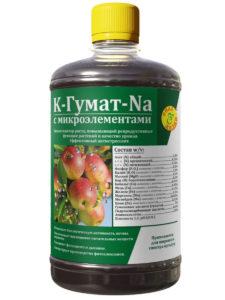
Ready-to-use liquid fertilizers containing potassium can be used throughout the gardening season. The first application is done before planting, the second before flowering, and the third before fruit set.
Important: remember that in spring and summer, only natural fertilizers that do not contain chlorine (it can seriously damage plants) should be applied.
Garden flowers also need this type of nutrition to promote bud formation. Mineral fertilizers should not be applied together with organic fertilizers. Allow 2-3 weeks between mineral and organic fertilizers. It's best to choose chlorine-free potassium fertilizers; they're somewhat more expensive, but they can be applied throughout the entire garden without worrying about side effects.
Take a look Also
Tomato
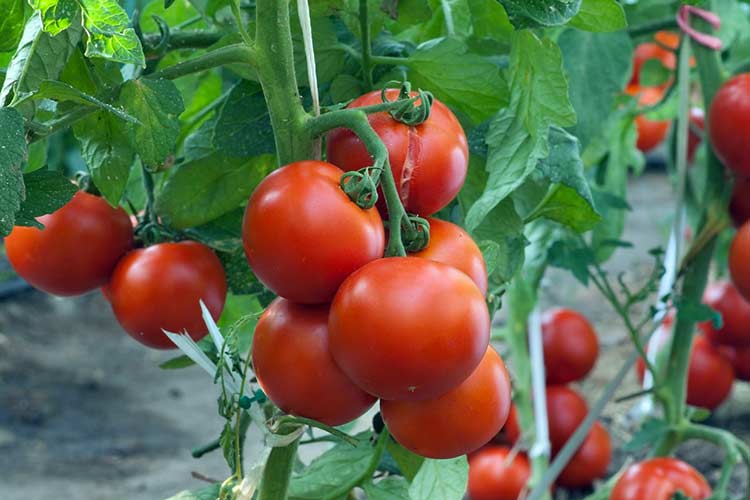
Chlorine-free potassium-containing fertilizers are suitable for fertilizing. These include wood ash, potassium magnesium sulfate, monopotassium phosphate, potassium nitrate, and potassium sulfate. Do not exceed the manufacturer's recommended dosage for your crop.
Cucumber
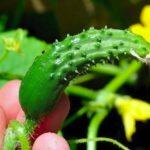
Plants should be fed with potassium before flowering. This ensures a larger number of ovaries. The same fertilizers are suitable for potassium as for tomatoes.
Grape
For grapes, it's best to use complex fertilizers containing potassium: monopotassium phosphate, azofoska, and nitrophoska. These complexes will strengthen the vines, protect them from diseases, and ensure a good harvest.
Potato
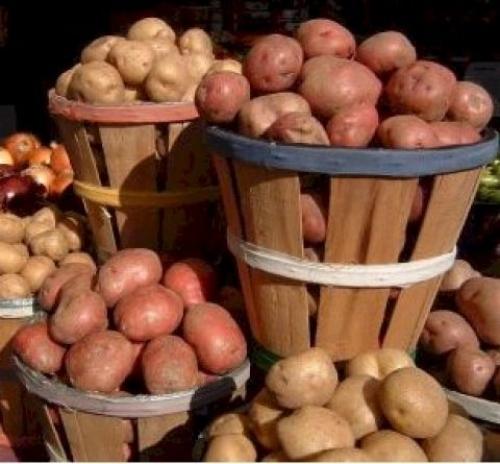
Chlorine-free potassium fertilizers are applied in the spring when tilling the soil in the garden. A second foliar application is done before flowering. Potassium magnesium sulfate, potassium nitrate, azofoska, or nitrophoska can be used according to the manufacturer's instructions.
Flower crops
Potassium levels are crucial for plant budding, making it essential for flowers. In the fall, potassium chloride, potassium magnesium sulfate, and potassium sulfate can be added to the soil in the flowerbed.
Deadlines for contributions
Potassium fertilizers are applied in the fall if potassium chloride is used, to allow the soil to dechlorinate before spring. Chlorine-free fertilizers can be used in the spring, before flowering or fruit set.
Precautions when working
Mineral fertilizers are chemical compounds that can cause poisoning or allergic reactions. They must be used strictly according to the package instructions, wearing rubber gloves and a respirator. They should be stored out of the reach of pets and children.
Proper fertilization will make plants strong and healthy, and the harvest will be tasty and abundant, plus it will be perfectly preserved throughout the long winter.
Related posts:
 What fertilizers to apply to the garden and vegetable garden in the fall: instructions
 Instructions for use of potassium sulfate, how it differs from sulfate
 Benefits, types and application of potassium fertilizers for cucumbers, how to feed them
 How to feed and what fertilizers are best for blueberries, soil acidification
 What fertilizers and when to use for feeding tomatoes in a greenhouse
 Why do plants need potassium, what types are there, and what fertilizers contain it?
 How and what to use to fertilize gooseberries: a review of the best fertilizers
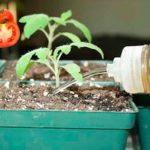 What is the best way to feed tomato seedlings to make them plump?