
- Why do we apply fertilizers in the fall?
- Types of minerals applied in autumn
- Potassium
- Phosphorus
- List of fertilizers to apply to the garden in autumn
- Mineral mixtures
- Organics
- How and when to apply
- For strawberries
- For the garden
- For lilies
- For the lawn
- For conifers
- For flowers
- For fruit trees
- For roses
- For berry bushes
Plant care is essential not only during the growing season but also after harvest. In late summer and fall, it's essential to add nutrients to the soil. Properly selected fall fertilizers help improve soil structure, facilitate the wintering of perennials, and promote protein and carbohydrate synthesis and other processes in crops.
Why do we apply fertilizers in the fall?
Applying fertilizer in the fall helps solve several problems at once:
- to facilitate the wintering of perennial crops;
- make a good start for the spring, when trees and bushes will need nutrients;
- stimulate protein and carbohydrate synthesis in plants.
Types of minerals applied in autumn
Today, there are many effective products that have a beneficial effect on crop development. In the fall, it is recommended to apply potassium and phosphorus fertilizers.
Potassium
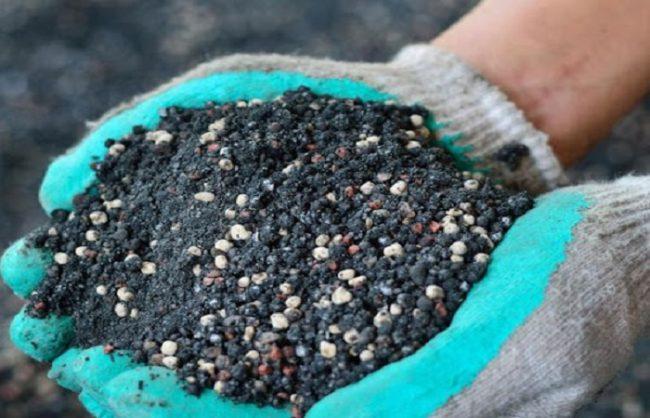
Such fertilizers should only be applied in the fall. This is due to the chloride compounds they contain, which are neutralized over the winter. This ensures that only the valuable nutrients remain in the soil.
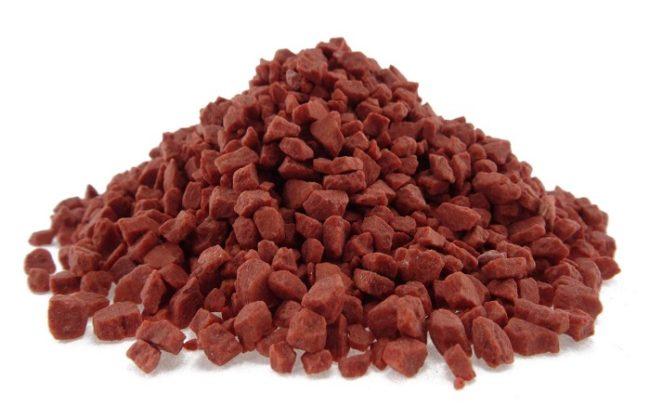
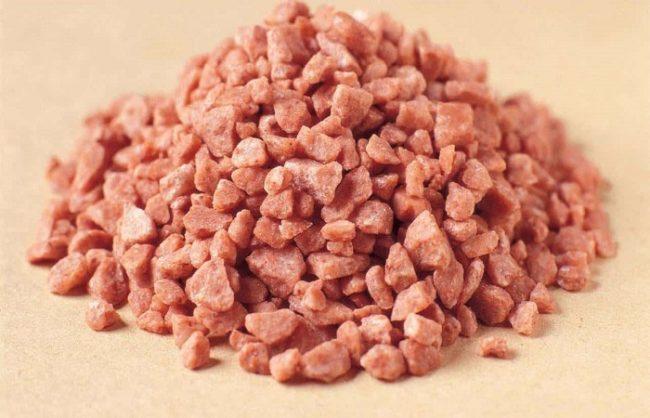
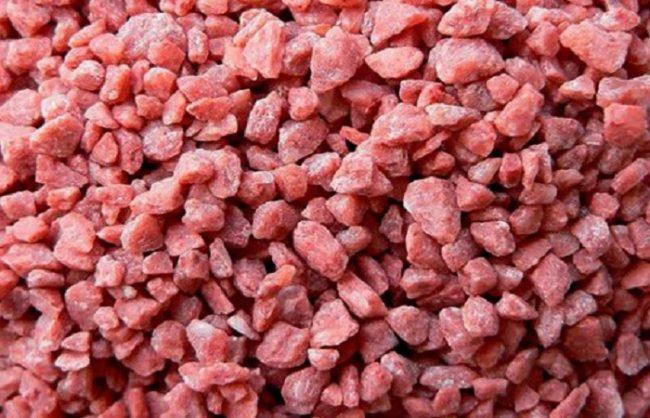
Most often, gardeners use the following types of potassium preparations:
- Potassium sulfate is often used by agronomists. This fertilizer is 50% potassium and also contains 18% sulfur. It improves crop quality and extends shelf life. This mineral helps prevent nitrate accumulation in fruits. The amount of fertilizer applied is determined based on the soil composition. It should be evenly distributed over the area and then tilled.
- Potassium magnesium sulfate can be applied both in the fall and spring. However, it is much more convenient to apply the product after harvest. It contains 27% potassium. It also contains 13% magnesium. Therefore, it can be used to fertilize sandy soil. The dosage depends on the soil composition of the site. Potassium magnesium sulfate should be evenly distributed over the beds and dug in.
- Potassium chloride – used only in the fall. This product contains 55% potassium. It also contains a high amount of chlorine. Potassium chloride should be evenly distributed over the beds and tilled in. The dosage is determined by the soil composition.
Phosphorus
These substances contain phosphorus in a form accessible to plants. Over the winter, the fertilizer undergoes a series of processes in the soil and is converted into a mineral that is easily absorbed by crops.
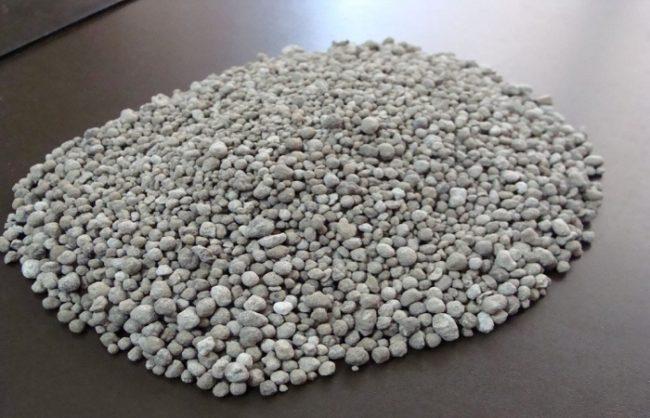
The most common phosphorus fertilizers include:
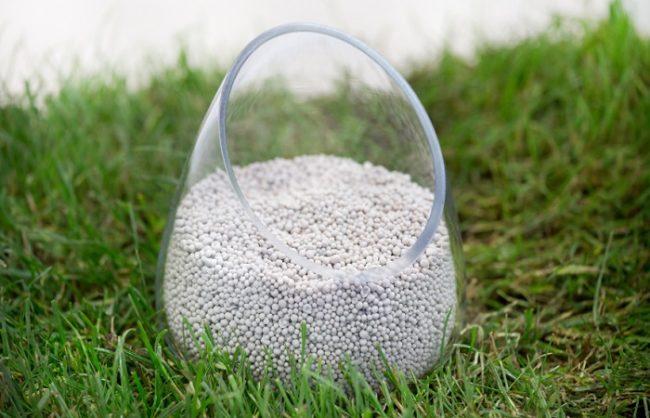
- Rock phosphate is a very popular fertilizer among gardeners. It is an organic fertilizer that contains no chemical components. It is produced by finely grinding phosphate rocks, which are sedimentary rocks. The fertilizer contains approximately 25% phosphorus. This helps neutralize the reactions in acidic soils by alkalizing them. Phosphorus fertilizer should be applied before tilling the plot. It is recommended to apply 30 kilograms of the fertilizer per 100 square meters.
- Double superphosphate is considered a highly sought-after product. This is due to its high phosphorus content, reaching up to 45%. It is recommended to apply the product exclusively during tillage. 30 kilograms of the product should be used per 100 square meters. To enhance its effectiveness, combine it with organic fertilizers such as compost or humus.
List of fertilizers to apply to the garden in autumn
In autumn, you can use organic and mineral fertilizers. Their application requires specific considerations.
Mineral mixtures
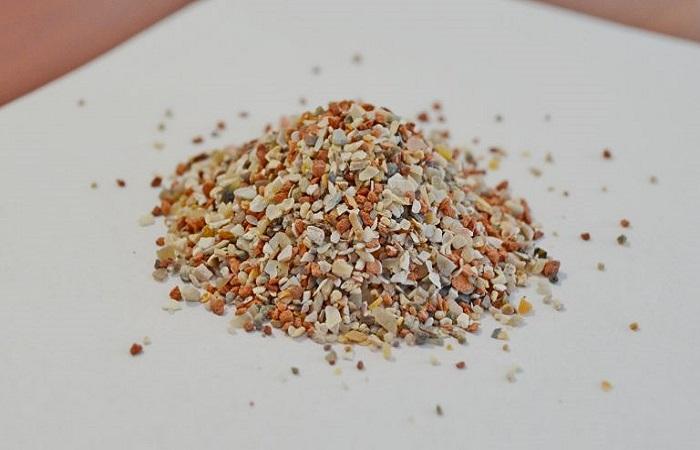
Plants absorb nutrients best in aqueous solution. Therefore, they can be fed in liquid form. Many specialized formulations are available today, designed for lawns, berry bushes, fruit trees, and other plant varieties.
Organics
Today, there are many complex fertilizers available for sale that are suitable for autumn use. The following products can also be used:
- Manure and litter help improve soil fertility. Fresh fertilizers are recommended to be applied during tillage. However, using them near plants is prohibited, as this will cause root burn. To avoid this, concentrated fertilizers are mixed with water and applied in liquid form. These products should be used every 3-4 years.
- Compost helps maintain soil fertility for a long time and enhances its positive qualities.
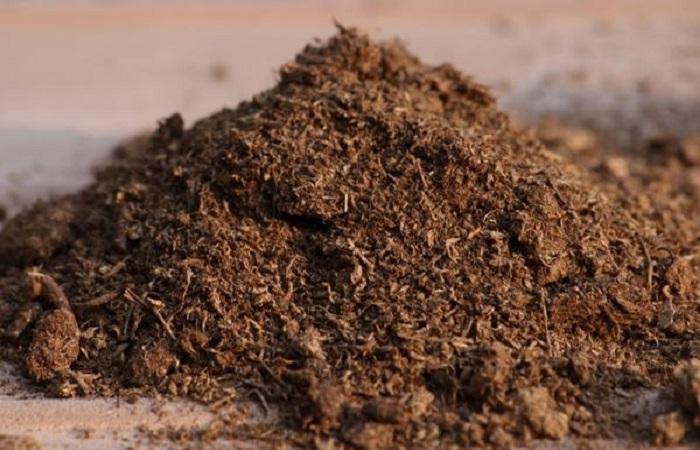
- Peat contains a lot of organic matter and retains moisture well. A combination of peat and compost is considered the most effective.
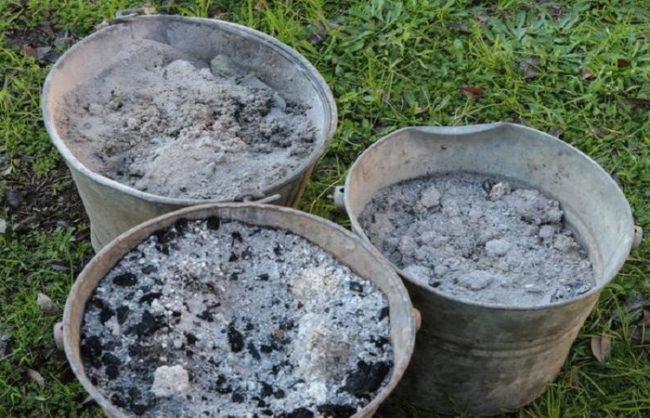
- Ash is considered a universal fertilizer. It is obtained by burning branches, tops, and weeds. Ash should be applied at intervals of 3-4 years.
- Sawdust helps loosen the soil and retain moisture. As it decomposes, it turns into humus, which is consumed by worms, microorganisms, and fungi.
- Green manure is considered the most affordable and safe fertilizer. It is recommended to plant green manure in late summer. With the arrival of autumn, the green manure should be incorporated into the soil. The most commonly used fertilizers are alfalfa, lupine, rye, oats, and vetch.
How and when to apply
To ensure successful plant feeding, it's important to do it correctly. Nutrients should be selected based on the type of plant being grown.
For strawberries
Fertilizing strawberries is recommended from September to October. The plants respond well to organic fertilizers, such as bird droppings. Dilute the fertilizer with water at a ratio of 1:20 and let it sit for 2-4 days. Apply the resulting mixture to the furrows between the plants, carefully avoiding the rosette of leaves.
Mullein is considered an equally effective remedy. This universal organic fertilizer should be mixed with water at a ratio of 1:10. A maximum of 1 liter of fertilizer per bush is allowed.

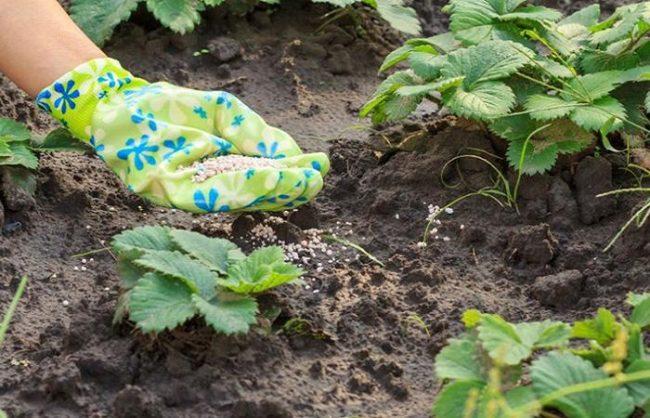
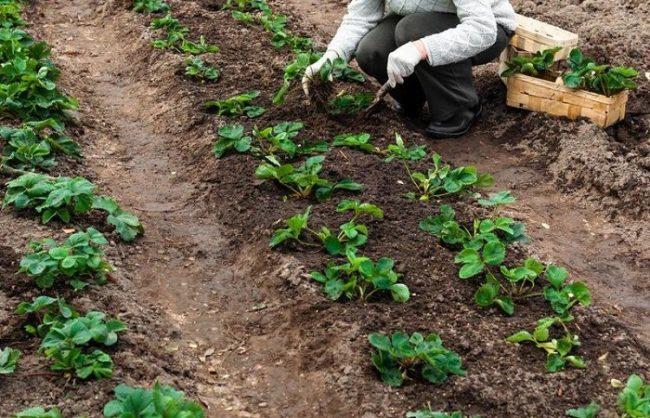
An excellent mineral fertilizer is a mixture of 2 tablespoons of nitrophoska and 20 grams of potassium salt. This mixture is recommended to be diluted with 10 liters of water. One liter of solution is required per bush.
If you plan to replant strawberries, add 40 grams of nitrophoska to each hole. It's important to ensure that the plants' roots don't come into contact with the fertilizer, as this can cause burns. Wood ash can also be used when replanting strawberries. Use one cup of the fertilizer per square meter.
For the garden
By autumn, the harvest is usually already in. Winter crops are an exception. For example, when planting winter garlic, soil preparation should begin in late August or early September. To do this, when digging the beds, you can add 10 kilograms of humus, 1 cup of chalk, 1 tablespoon of superphosphate, and 2 tablespoons of potassium sulfate per square meter.
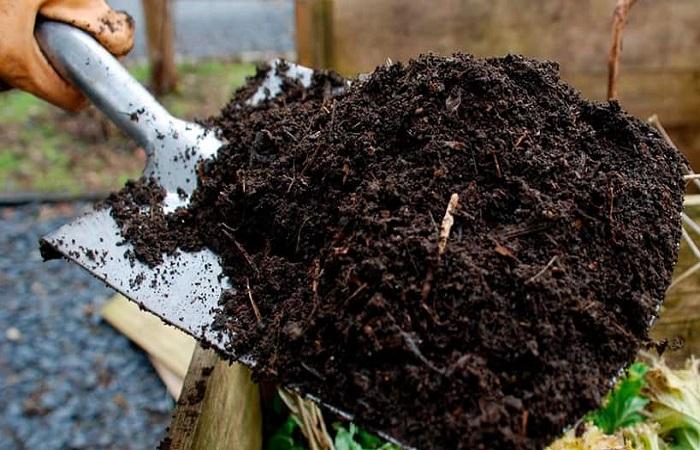
The cleared areas of soil can be fertilized without fear of burning the root system. Organic and mineral fertilizers are acceptable for vegetables. Organic fertilizers include rotted manure or compost. Use 3-4 kilograms of these fertilizers per square meter. Organic fertilizers should be applied at intervals of 3-4 years.
Bird droppings are considered a more concentrated fertilizer. Therefore, it should be applied in smaller quantities—2 kilograms per square meter.
When used on onions and garlic, it will help protect plants from root rot. It is recommended to use up to 2 cups of the product per square meter.
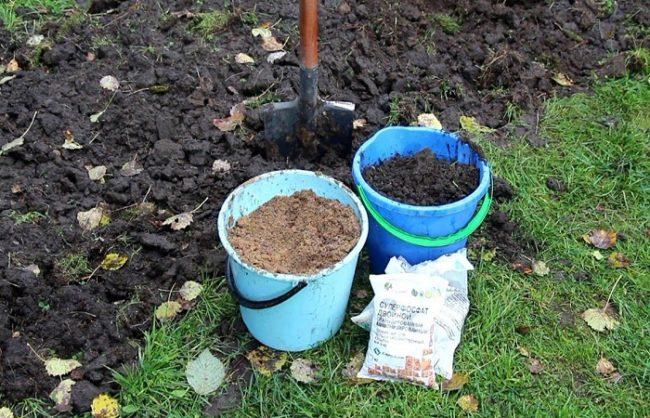
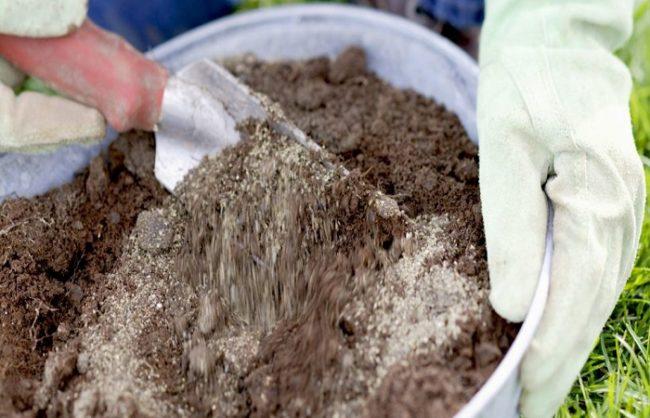
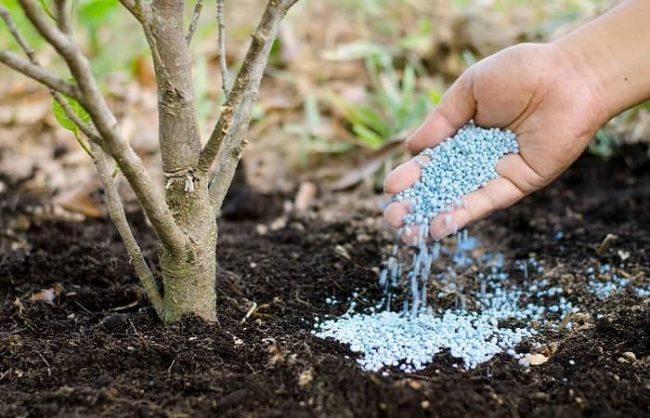
Mineral fertilizers can also be applied before digging. Superphosphate is considered the most popular. Use 40-50 grams of regular superphosphate per square meter. When using double superphosphate, the dosage is reduced to 20-30 grams.
Potassium chloride can also be used in the fall. It's important to read the instructions beforehand. However, the average application rate is 10-20 grams per square meter. It's important to wear safety goggles and a respirator when using this product.
For lilies
Fertilizing lilies with potassium and phosphorus improves the bulbs' winter hardiness. To provide the flowers with nutrients, you can prepare a solution of 2 tablespoons of superphosphate, 1.5 tablespoons of potassium magnesium sulfate, and 10 liters of water. This amount is enough for 1 square meter of planting.
In late autumn, you can also cover the frozen soil with a layer of compost, 10 centimeters thick. This will provide the bulbs with nutrients and protect them from frost.
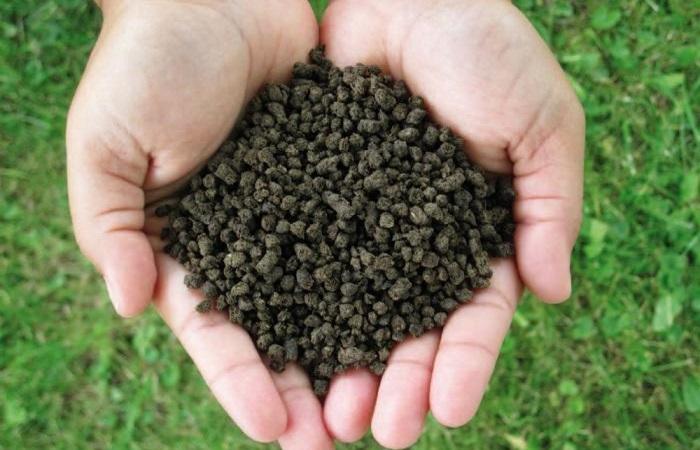
For the lawn
Proper application of fertilizers is essential for lawn care. In the fall, it's recommended to use 2-3 cups of bone meal and 50 grams of superphosphate per square meter.
For conifers
When growing conifers in your garden, they also need to be fertilized regularly. Products such as Florovit and Fertika for Conifers are recommended for these plants. These substances promote lignification of shoots and increase frost resistance.
Take a look Also
Special fertilizers can be applied until the end of September. Sprinkle the granules onto the soil. Experts recommend applying 5 grams of the product per meter of plant height.
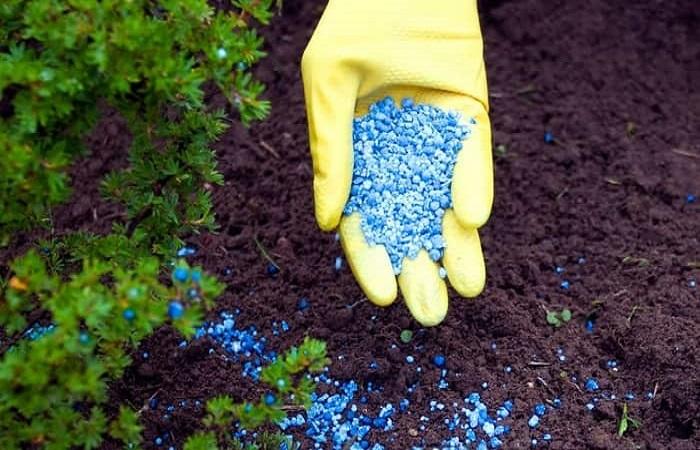
For flowers
Garden flowers require fertilizing twice. After flowering, it's recommended to apply potassium. This will help stimulate flower bud formation. Flowers should also be fertilized before digging at the end of September. This will help increase the plants' frost resistance.
Flowers can also be fed with liquid fertilizers. For example, it's recommended to use 25 grams of double superphosphate and 10 grams of potassium sulfate per 10 liters of water. First, dissolve the dry ingredients in 1 liter of water, then add the required amount.
For fruit trees
Fruit tree beds also need timely fertilization. Apple and pear trees require double superphosphate. Apply 30 grams of the substance per square meter of the tree trunk circle. Potassium sulfate is recommended for application every September. Apply 30 grams of the substance per square meter.
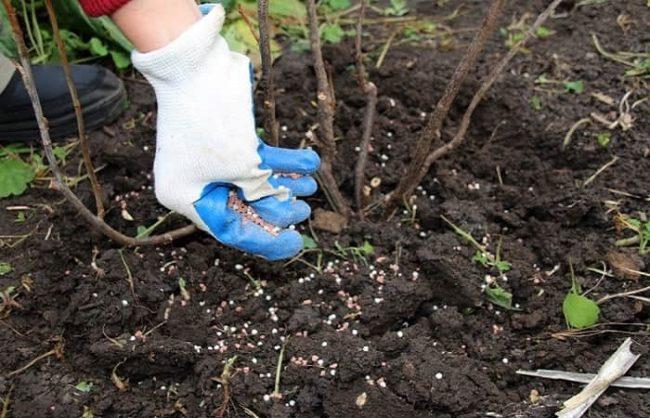
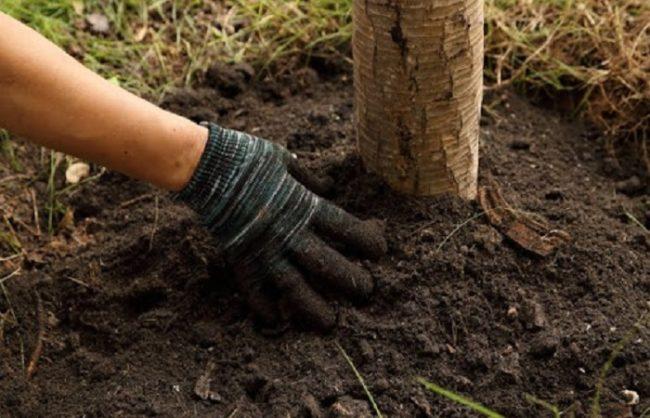
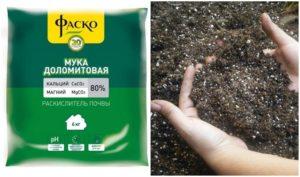
Many gardeners recommend feeding cherries, plums, and apricots with superphosphate and potassium sulfate in the same doses. To normalize soil acidity, lime should be added before winter. Use 300 grams of lime per square meter. This treatment is recommended to be applied every 5 years.
Trees respond well to composted organic matter. Plants up to 8 years old require approximately 30 kilograms of the substance. For older plants, approximately 50 kilograms of the product is used.
For roses
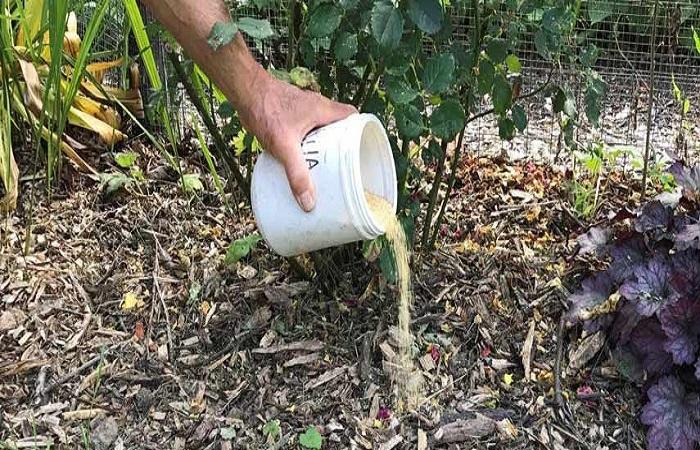
In the fall, it's recommended to fertilize roses twice. This is done at the beginning and end of September. For root feeding, use a comprehensive autumn rose fertilizer. You can also make your own fertilizer. To do this, dilute 15 grams of superphosphate and 16 grams of monopotassium phosphate in 10 liters of water. This amount is enough to treat 4-5 square meters of planting.
For foliar feeding, the use of ash is recommended. To prepare a nutrient solution, use 200 grams of the product per 10 liters of water.
For berry bushes
Berry bushes can be fed with superphosphate. It's recommended to use 1-2 tablespoons of the substance per bush. Spread the fertilizer around the trunk and incorporate it to a depth of 7-10 centimeters.
Potassium sulfate and potassium chloride are the most suitable potassium fertilizers for gardens. It is recommended to apply 15-20 grams per square meter.
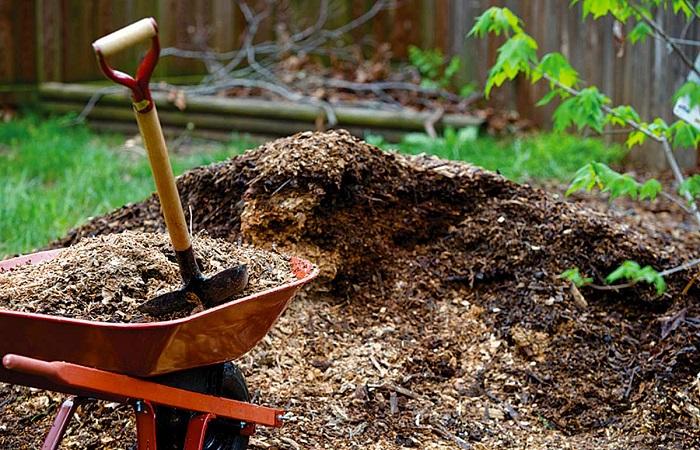
Mineral nutrients can be safely combined with organic ones. For example, a mature gooseberry bush can be fed with 8-15 kilograms of humus and 40 grams of potassium sulfate. One part of the humus can be incorporated into the soil, and the other part can be used as mulch.
Properly selected autumn fertilizers make the soil more fertile and facilitate the wintering of perennial crops. It's important to strictly follow the guidelines for nutrient application and adhere to the correct dosage.