
The yield of crops planted in a plot directly depends on the quality of the soil in which they grow and develop. Some plants prefer alkaline soil, while others, conversely, thrive in acidic soil. Using dolomite flour helps adjust acidity and achieve optimal soil composition. Before applying fertilizer, it's important to test the soil where you plan to grow crops.
Description of dolomite flour, what is included in its composition
Every garden plot has its own unique soil composition, which must be considered before growing cultivated and ornamental plants. In some cases, the soil needs to be deacidified before planting seedlings. In these cases, experienced gardeners recommend using dolomite flour, which not only regulates acidity but also improves the quality of the topsoil. This fertilizer is natural and does not pollute the soil.
Lime fertilizer is produced by grinding dolomite into flour. This mineral belongs to the class of carbonates and is of sedimentary origin.
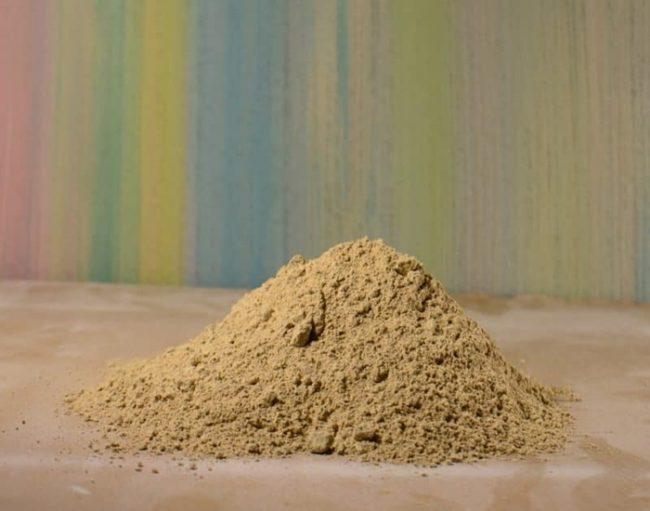
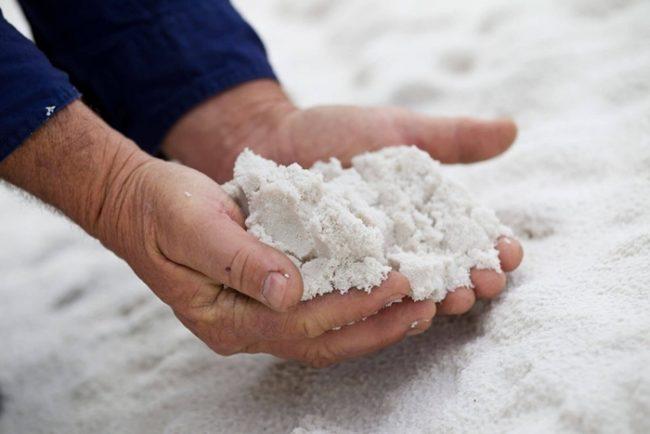
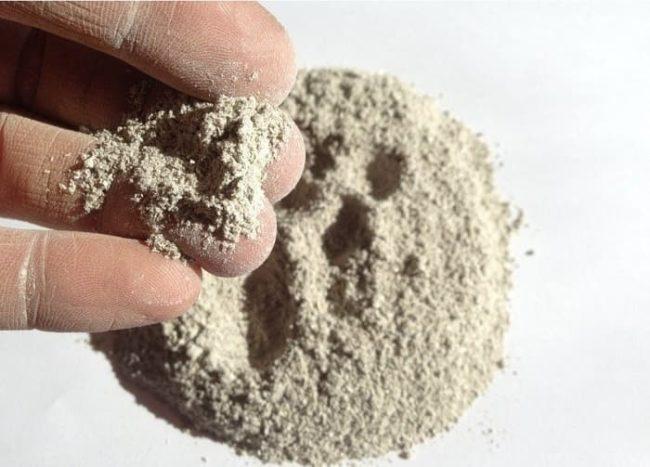
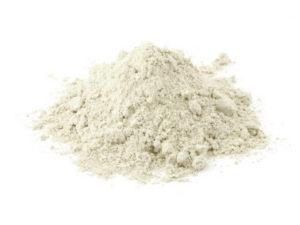
Dolomite flour is produced during the extraction of dolomite and limestone aggregates. Because the fertilizer is natural, its color ranges from white to pink and gray.
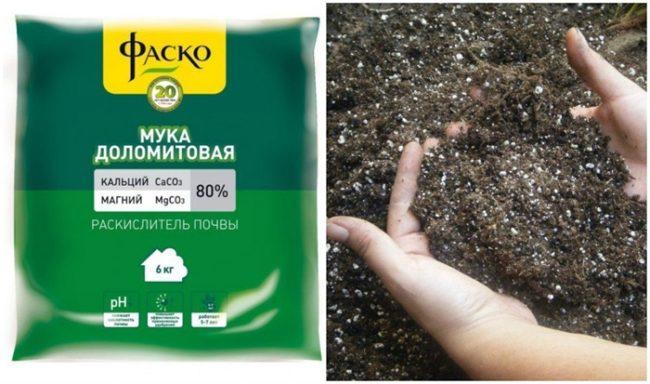
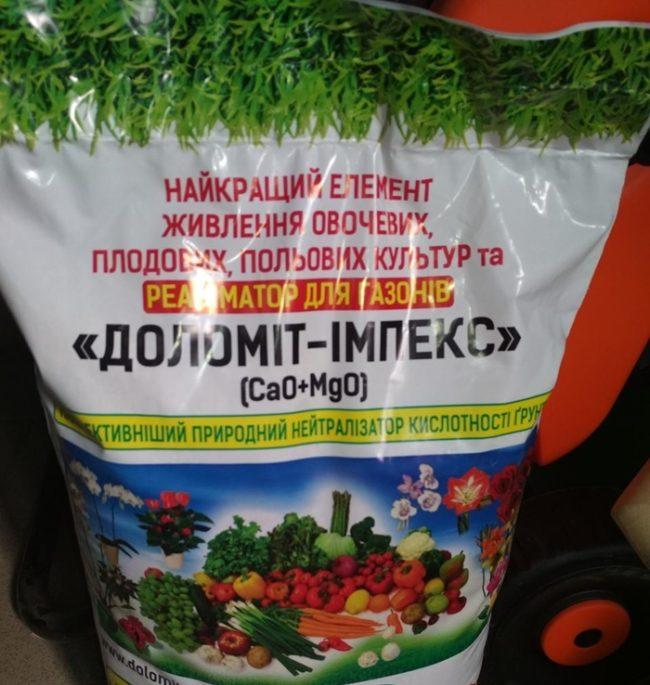
Dolomite flour contains calcium carbonate and magnesium carbonate. It comes in powder or granules, which are scattered over the surface of the plot and then dug into the soil.
Purpose
Dolomite flour is designed to deoxidize soil and improve its quality. After using this fertilizer, the following results can be achieved:
- Create favorable conditions for the rapid and complete development of beneficial bacteria and microorganisms that contribute to the harmonious growth of cultivated plants.
- Get rid of pests in the garden and toxic elements in the soil.
- Increase the digestibility of applied fertilizers.
- Stimulate the processes of photosynthesis in plant tissues.
- Improve the development of the root system of crops.
Dolomite flour is used if the soil acidity is below 4.5 pH.
Terms of Use
Before adding dolomite flour to the soil, it's important to accurately determine the soil's acidity. To do this, use one of the following methods:
- Using currant leaves. Place a few leaves in a glass jar, pour boiling water over them, and add a little garden soil. If the water turns reddish, this means the soil is too acidic.
- Using vinegar. Place a handful of soil in a jar and add a little vinegar essence. If foam appears, the acidity is within the normal range.
- Using grape juice. Pour the juice into a transparent container and add a small amount of soil. If bubbles appear and the color changes, the acidity is within the recommended limits.
However, the most accurate results can be obtained if you purchase litmus paper and conduct testing with it.
Fertilizer application rates are calculated based on the results obtained. For soil pH up to 4.5, 50 kg of dolomite flour is applied per 100 square meters of garden space; if the level is within the norm, 45 kg per 100 square meters is sufficient. However, there are some nuances in applying fertilizer to different plant species.
Fertilizing cucumbers
To deacidify the soil where cucumbers will be grown, dolomite flour is added during spring or fall garden tillage. The dosage per square meter of garden depends on the soil's pH. Typically, 45 to 50 kg of fertilizer is used per 100 square meters of garden space.
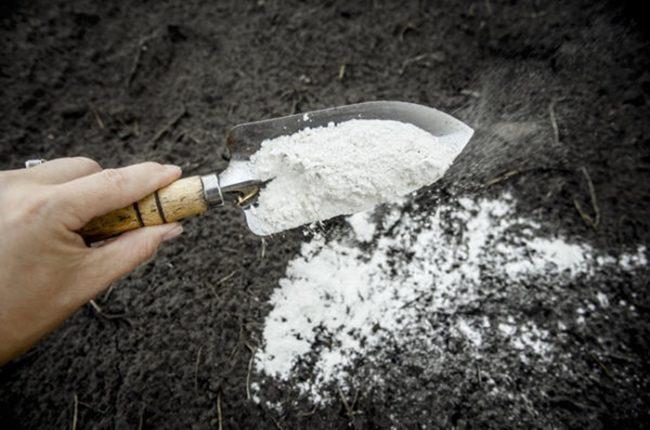
Dolomite granules are scattered over the bed and leveled with a rake. After this, the garden is dug to a depth of 15 cm. After 3-4 weeks, you can begin planting.
Fertilizing the lawn
Dolomite flour not only balances the pH of the soil where the lawn is growing, but also improves the soil structure and rids the soil of weeds and insect pests. It is recommended to apply the fertilizer in the fall, after the lawn has been mowed and all debris has been removed. When determining the pH of the soil beneath the lawn, consider the plants present. If moss, mushrooms, and plantain are present, the soil is acidic and 50 kg per 100 square meters of lawn will be needed. If clover and dandelions are visible among the grass, the pH is neutral, and 40-45 kg per 100 square meters of lawn should be applied.
For tomatoes
It's also best to apply dolomite to deoxidize tomato soil in the fall. This will allow it to complete its task and improve the soil before spring. Fertilizer application should be based on soil test results. Granules or powder are scattered over the beds at a rate of 40 to 50 kg per 100 square meters.
In the spring, the soil is dug up and seedlings are planted.
Dolomite vs. wireworm
If wireworms have infested your garden and are damaging your crops, you can use dolomite flour to combat them. Since acidic soil is considered a favorable environment for the pest to thrive, it needs to be deacidified. Apply dolomite flour based on the soil's pH. Typically, apply 400 grams of fertilizer per square meter of garden space.
For shrubs and fruit trees
The preferred time to apply dolomite to fruit trees and shrubs is autumn. The fertilizer can be applied in several ways:
- They dig holes around the plant, fill them with powder and bury them.
- After harvesting, scatter fertilizer granules around the tree trunk, one meter away from the trunk.
- If this is a whole garden of fruit trees, then trenches are dug between the rows, fertilizer is added to them and they are covered with soil.
The advisability of using dolomite flour in the autumn period is due to the fact that, unlike limestone flour, chalk and other minerals, it has a long period of decomposition in the soil, but also has a prolonged effect.
For potatoes
If you plan to grow potatoes in your garden, dolomite should also be added to the soil in the fall to allow it to have time to work on the soil and reduce its acidity. However, it's important to remember that this fertilizer is only recommended in areas with above-average soil acidity. The recommended application rate per 100 square meters of garden space is approximately 50 kg. This fertilizer not only improves the soil quality but also prevents tuber scab infestations and combats the crop's main pest, the Colorado potato beetle.
Safety precautions
Despite the fertilizer's natural origin, basic safety precautions must be followed when working with it. Before using dolomite, wear a full-body coverall, rubber gloves, and a scarf over your head. A respirator is not necessary, but a gauze mask can be used to prevent dust from entering your respiratory tract.
Take a look Also
After gardening, wash all clothes, shower, and wash your face with soap. If the substance is accidentally ingested, rinse your stomach with copious amounts of water and seek medical attention.
Is compatibility possible?
Although this fertilizer has a beneficial effect on soil quality and stimulates the development of plant roots, it is incompatible with a number of basic fertilizers used by domestic gardeners.
It is not recommended to use dolomite with such products as:
- ammonium sulfate;
- ammonium nitrate;
- superphosphate - both regular and double;
- cow dung and compost fertilizer.
When used together, these substances neutralize each other's effects, and will provide no benefit to the soil or plants. If soil acidification is necessary, add flour first, followed by other fertilizers two weeks later.
The only fertilizers compatible with dolomite are copper sulfate and boric acid. When used together, these substances enhance the fertilizer's effectiveness.
Expiration date and storage rules
The guaranteed shelf life of dolomite fertilizers, as stated in the manufacturer's instructions, is 5 years. To ensure the product maintains its performance properties during this period, certain conditions must be met.
Select a dry, dark storage area. The air temperature should not exceed 25 degrees Celsius. Keep the fertilizer out of reach of children and pets.
Analogues
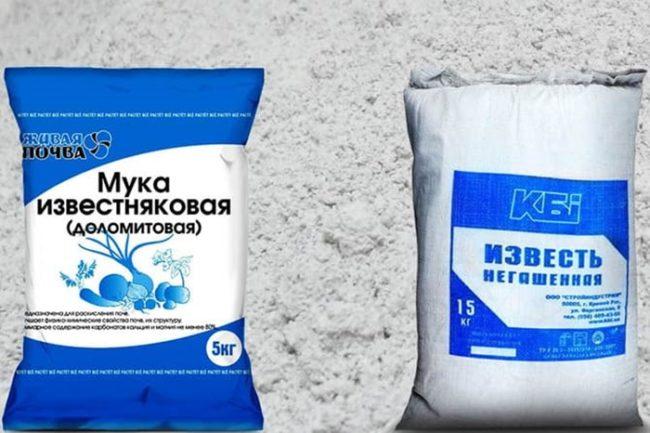
Before dolomite flour became commercially available, gardeners used lime powder to deoxidize soil. While it can lower pH, it can cause plant burns if applied carelessly. Furthermore, lime interferes with the absorption of phosphorus and nitrogen, so it is only applied in the fall.
Wood ash is considered another alternative to dolomite. However, to reduce soil acidity, you need to use much more ash than dolomite, making the process more expensive. Comparing dolomite powder with its alternatives, it can be concluded that it is more effective and safer, making it a popular choice among homeowners.