
Precipitate is highly effective for all types of soil and crops. This fertilizer is widely used by experienced agronomists. Before using it in your own garden, be sure to familiarize yourself with all the benefits and how it affects crops.
Description: Fertilizer formula and composition
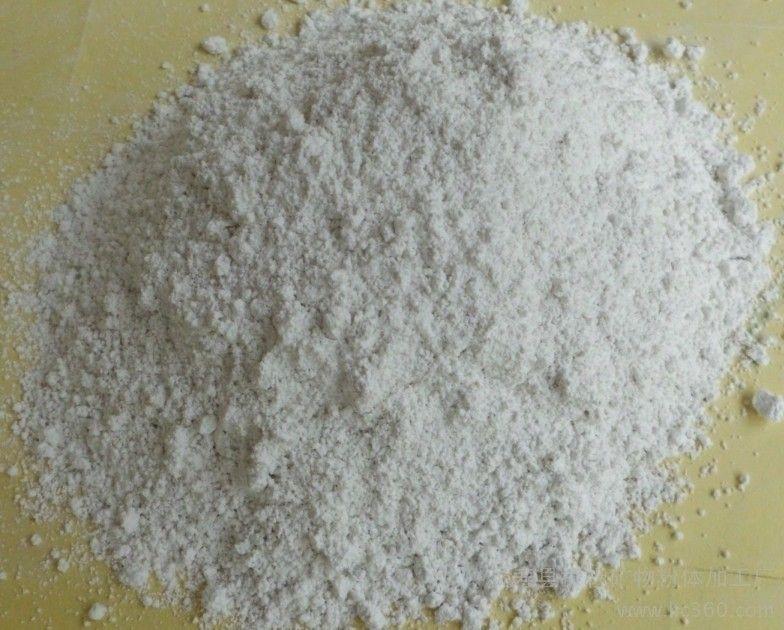
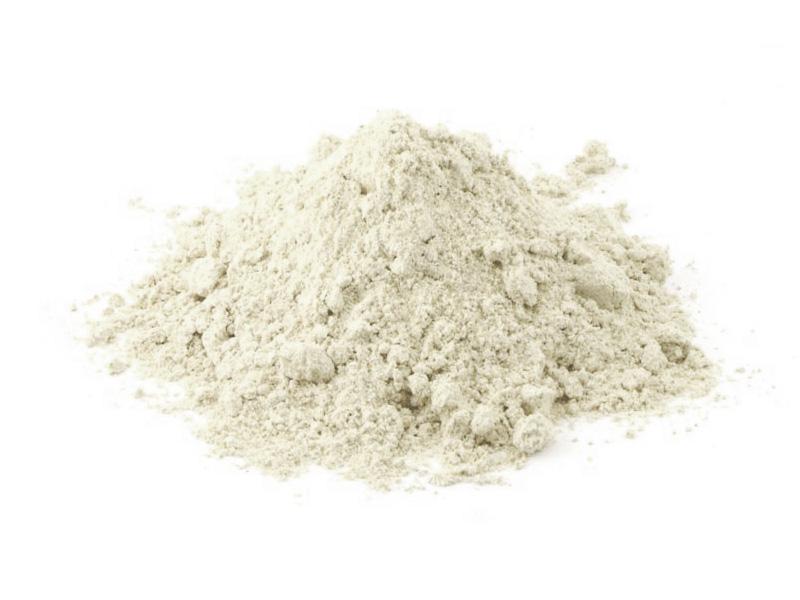
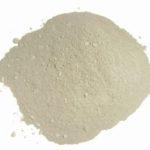
Precipitate is a highly concentrated phosphorus-based fertilizer. It is also known as calcium hydrogen phosphate. It appears as a weightless, fluffy white powder with black flecks. Its chemical formula is CaHPO.4•2H2O. It is obtained by neutralizing phosphoric acid with a calcium hydroxide solution at a temperature of +50 °C.
The main active ingredient in the composition is phosphorus oxide. The amount of this substance varies depending on the fertilizer grade. Grade I products contain at least 31% phosphorus oxide, while grade II products contain 27%.
Advantages of precipitate over other fertilizers
Being a universal fertilizer with an optimal concentration of phosphorus, precipitate has an advantage over other types.It is insoluble in water, but can dissolve in any organic acid. Consequently, the fertilizer is absorbed more quickly in acidic soils.
In young plants with an insufficiently developed root system growing in hard soil, the precipitate accelerates the process of salt absorption.
The main advantage is safety for crops and soils, due to the minimal content of chemical components.
How do phosphate fertilizers affect plants?
Phosphate fertilizers are characterized by a beneficial effect on the condition and health of plants.
They are capable of:
- increase crop yields;
- strengthen plant immunity;
- improve the quality of fruits and improve their shelf life;
- optimize the sugar content of fruits;
- strengthen the root system.
Instructions for use
The effectiveness of fertilizer on plants depends on several factors: the correct preparation of the solution, the frequency of its use, and compliance with storage conditions.
Preparation of working solution
To prepare a nutrient solution, add a small amount of precipitate to the mineral fertilizer. Due to the high concentration of the fertilizer, just 200 grams is enough to treat a 10 m2 area.2.
Calcium hydrogen phosphate is most effective when combined with ammonium sulfate, simple superphosphate, diammonium phosphate, and potassium sulfate. It can be mixed with urea and ammonium nitrate immediately before application. Exact dosages and proportions are indicated on the fertilizer packaging.
Timing and technology of bush treatment
This nutrient phosphate fertilizer can be applied:
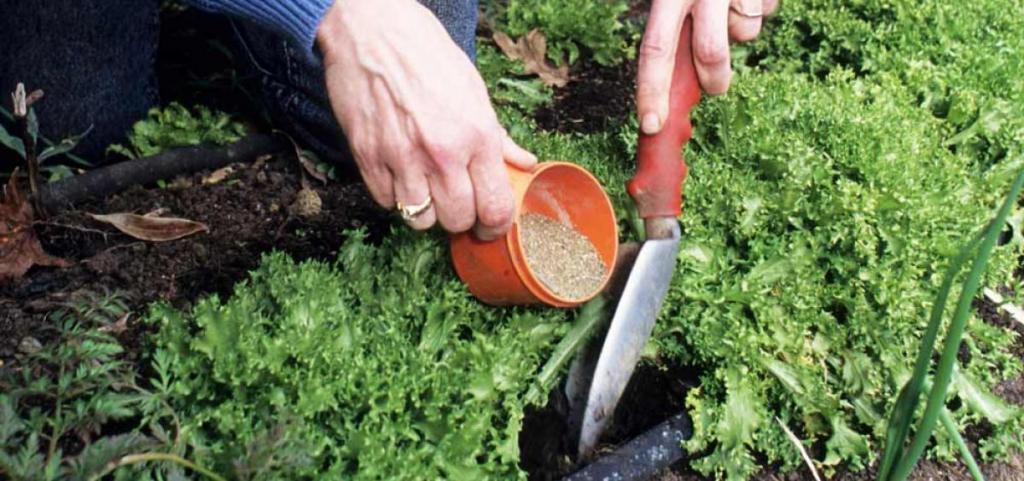
- In March-April, when the soil warms up to +15 °C and the plants begin to sap (this can be easily determined by the separation of the bark).
- In June-July, with the beginning of fruit formation.
- From August to November, under digging.
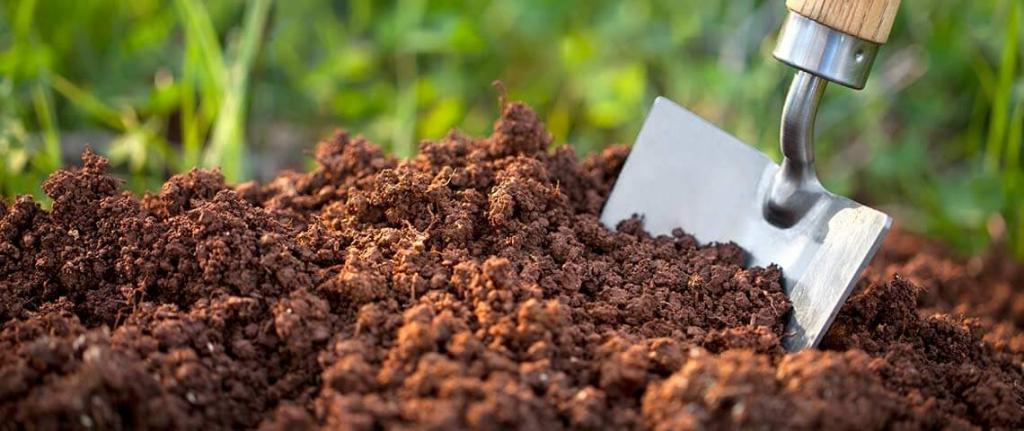
The greatest benefit comes from fertilizer applied to the soil at a depth of 20-30 centimeters in the fall. This will replenish the phosphorus deficiency by spring.
Frequency of work
It is recommended to carry out such work no more than every 2-3 years. The frequency of use depends on the condition of the plants.
The following factors indicate the need for feeding:
- change in leaf structure;
- change of dark green color of the lower leaves to crimson-purple;
- slowing or cessation of plant growth.
Duration and storage rules
Like other phosphate fertilizers, the precipitate has no expiration date. To maintain its properties, it should be stored in a well-heated, well-ventilated area with 50% humidity.
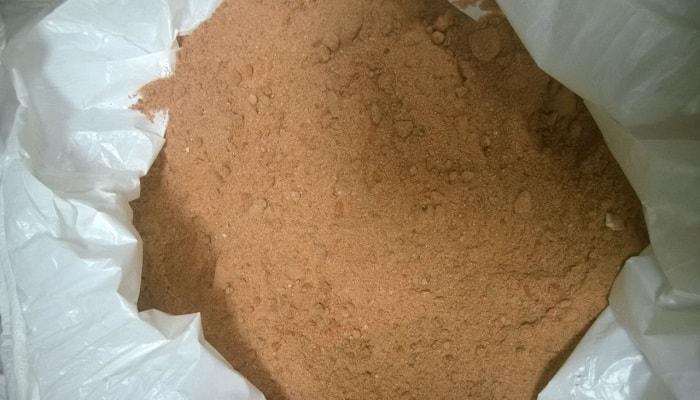
Any unused precipitate in the polyethylene bag should be placed in a plastic container and sealed with an airtight lid. The solutions cannot be stored, so they should be used immediately, and any leftovers should be discarded.
Reviews from gardeners
Yuri: "I've been using precipitate in my garden for several years now. I've never been disappointed. It's incredibly easy to use! I dig it in the fall to a depth of 30 centimeters. The harvest is always bountiful, and the fruits and vegetables are completely natural and organic."
Lyudmila: "Precipitate is expensive, but it's completely worth it. It works well with both mineral and organic fertilizers. It's easy and economical to use. Thanks to it, my apple and plum trees are producing better fruit.
Related posts:
 Which fertilizers contain potassium and phosphorus, names and how to use them
 The use of peat as a fertilizer for potatoes and other crops and its differences from humus
 The use of phosphate rock as a fertilizer, its composition and beneficial properties
 How to use and prepare manure as a fertilizer, its types and composition
 What is the best way to feed tomato seedlings to make them plump?
 How and what to use to fertilize gooseberries: a review of the best fertilizers
 How to feed and what fertilizers are best for blueberries, soil acidification
 What fertilizers to apply to the garden and vegetable garden in the fall: instructions