
- Description of fertilizers related to phosphorus-potassium
- Their types
- Purpose and list of plants for which they are used
- List and instructions for their use
- Potassium sulfate (potassium sulfate)
- Potassium chloride
- Ammophos
- Potassium salt
- Defluorinated phosphate
- Phosphate rock flour
- Simple superphosphate
- Diammophos or ammonium hydrogen phosphate
- Bone meal
- Precipitate
- Open-hearth slag (phosphate slag)
- Vivianite
- Superphos
- Thermophosphate
- Double superphosphate
- How to identify nutritional deficiencies
Proper use of potassium and phosphorus brings significant benefits to plants. These nutrients are found in many mineral fertilizers, each with varying levels of primary and secondary ingredients. Phosphorus-potassium fertilizers can improve crop growth, increase yields, and boost immunity. To ensure effective use, it's important to follow the instructions carefully.
Description of fertilizers related to phosphorus-potassium
When growing plants, it's important to provide them with essential minerals. At the beginning of growth, they require a sufficient amount of nitrogen. As they mature, they require more phosphorus and potassium.
To achieve the desired results, it's important to understand what constitutes phosphorus-potassium fertilizers and how to use them correctly. Potassium fertilizers are made from naturally occurring potassium salts. Phosphorus is found in apatites and phosphorites.
Their types
Potassium-phosphorus fertilizers come in various forms. The most common categories are listed below:
- Water-soluble fertilizers are universal products used for various soil types. They are applied to a minimal depth. Moisture causes the active ingredients to decompose. The most popular products include monopotassium phosphate, single superphosphate, and double superphosphate.
- Citrate- and lemon-soluble fertilizers are also considered universal. These substances should be applied shallowly to different soil types. These include precipitates and thermophosphates. Bone meal also falls into this category.
- Sparingly soluble fertilizers—these substances do not dissolve in water and can only be used in acidic soils. These include ammonium phosphate, rock phosphate, and diammonium phosphate. These substances must be applied to the soil in advance. They take a while to take effect, but they have a significant effect. These fertilizers are often used for winter cereals.
Purpose and list of plants for which they are used
Phosphorus-containing fertilizers strengthen crops. They increase resistance to frost, diseases, and mechanical stress. Potassium is essential for normal flowering and fruit formation.
In most cases, fertilizers based on potassium and phosphorus are used for the following plants:
- Garlic requires high levels of phosphorus and potassium. These elements improve the fruit's appearance and increase yields.
- Grapes require fertilizing in stages. This should be done in early spring, after the plants have awakened. The procedure can also be carried out after the foliage appears, before flowering, and during the ripening stage of the berries.
- Tomatoes require potassium and phosphorus for proper development. A deficiency of these nutrients increases the risk of fruit deformities. They also often develop spots. Another problem associated with mineral deficiency is stunted plant growth.
- Strawberries require the right fertilizer. It should contain equal parts potassium and nitrogen, along with a small amount of phosphorus. These fertilizers should be applied twice during the growing season. The first time, before planting, and the second time, during the initial ripening stage of the crop.
- Cucumbers: Potassium and phosphorus fertilizers can be applied up to four times per season. Single-component fertilizers or complex fertilizers are acceptable.
- Apple trees require more nutrients than vegetables. Therefore, potassium-phosphorus supplements should be applied at the planting stage. During the growing season, the substance is applied foliarly.
List and instructions for their use
Today, stores offer a wide range of phosphorus- and potassium-based fertilizers. This helps you choose the best option for your crop.
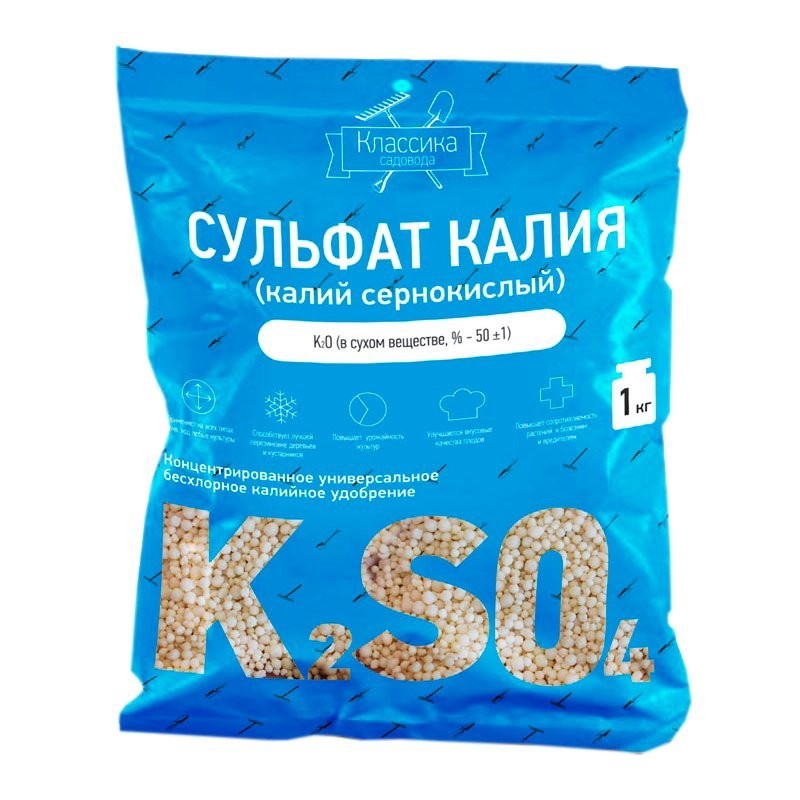
Potassium sulfate (potassium sulfate)
This product contains 45-53% potassium. It also contains 18% sulfur. It is water-soluble and easily absorbed by plants. Potassium sulfate should be used in the fall, when tilling the soil. It can also be applied as a fertilizer to fruit and vegetable crops during the early fruiting stage.
Potassium chloride
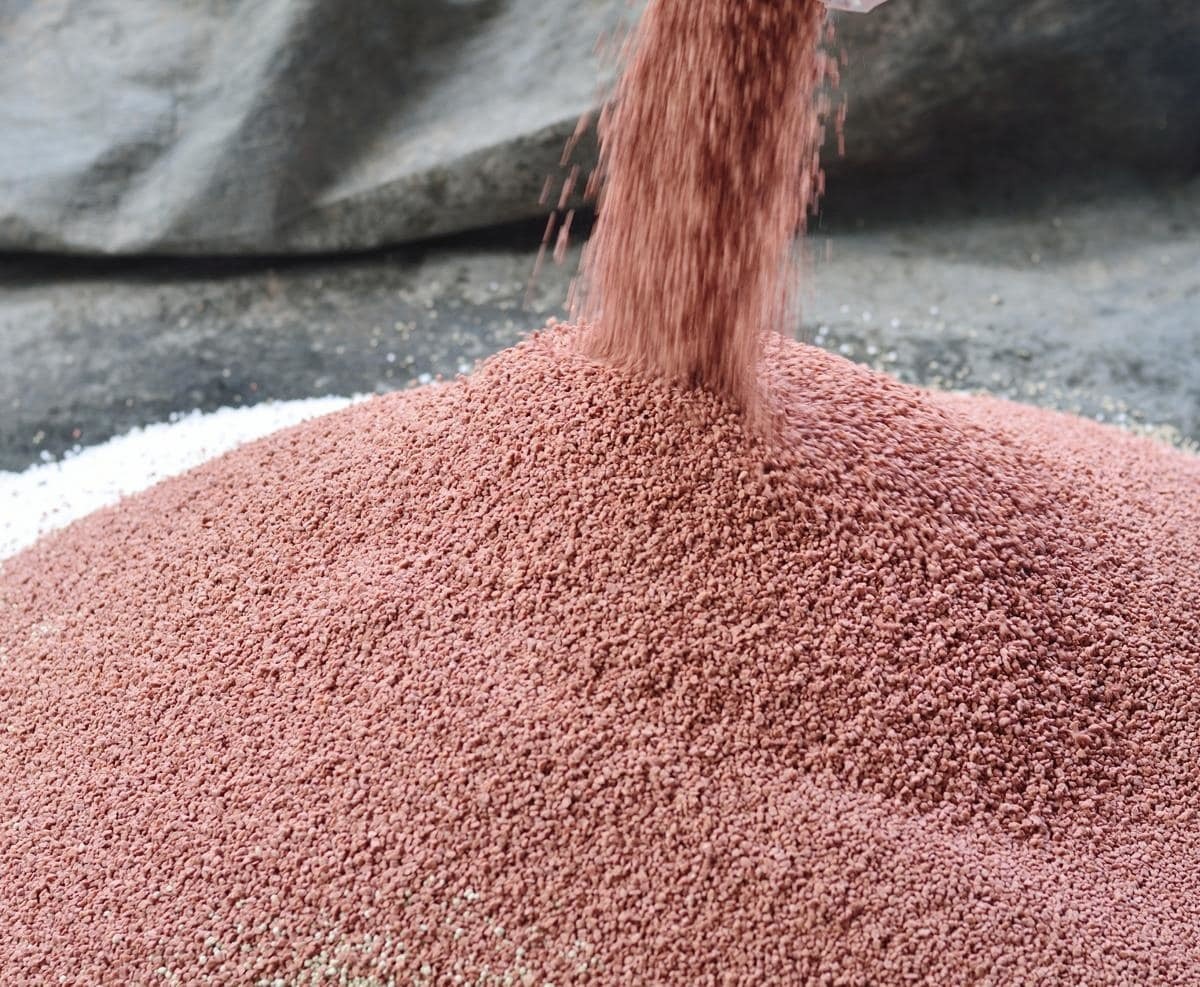
This product contains 50-60% potassium. It can be applied in the fall. This is recommended when digging the beds. Do not combine this product with chalk, dolomite, or lime. It is also important to note that this product contains chlorine. This element is contraindicated for tomatoes, potatoes, peppers, and cucumbers.
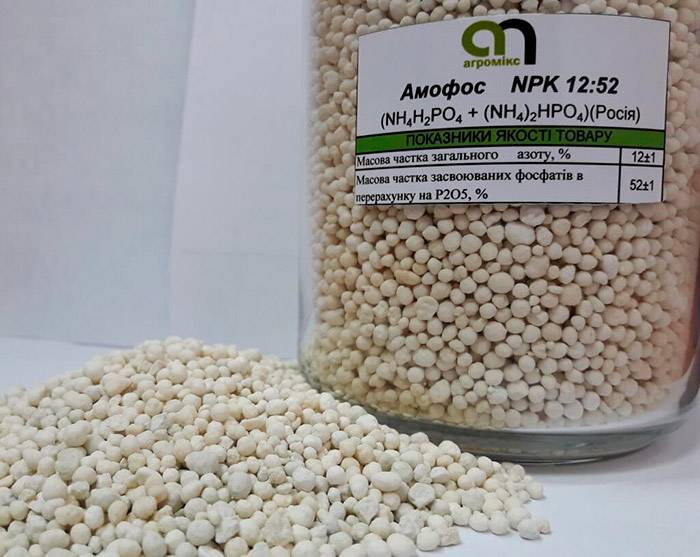
Ammophos
The product is considered poorly soluble. It contains up to 12% nitrogen. This substance is present in the fertilizer in the form of ammonia. The composition is suitable for pre-winter application. It can also be used during the rooting stage of the plant.
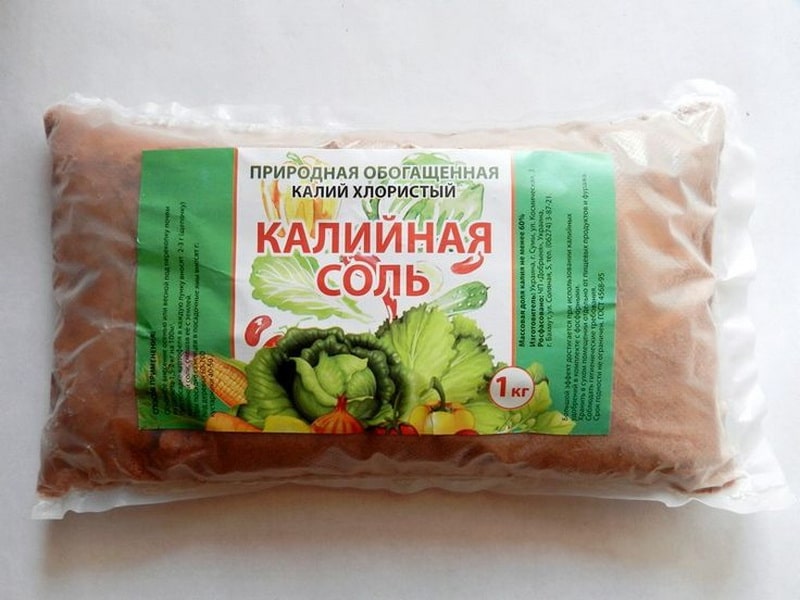
Potassium salt
This product contains up to 40% potassium chloride. It also contains crushed sylvinite. This compound should be applied in the fall, when tilling the soil. In the spring, it is used during heavy rainfall and watering. Potassium salt should not be applied in the summer.
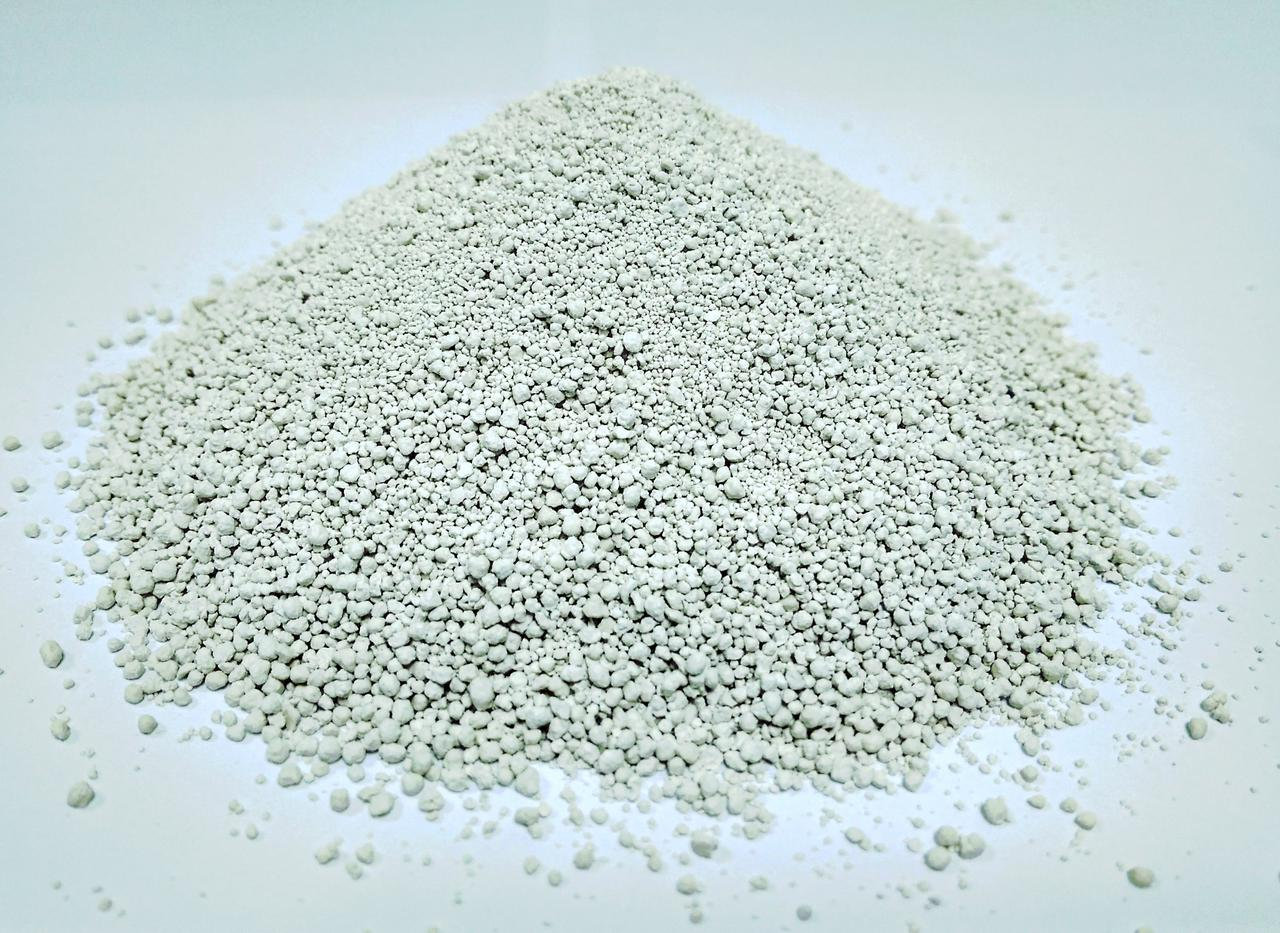
Defluorinated phosphate
This product contains approximately 30% phosphorus. It can be used as a top dressing for black soil. It readily combines with water. The product is produced using a sintering technology that combines sand and apatite concentrate.
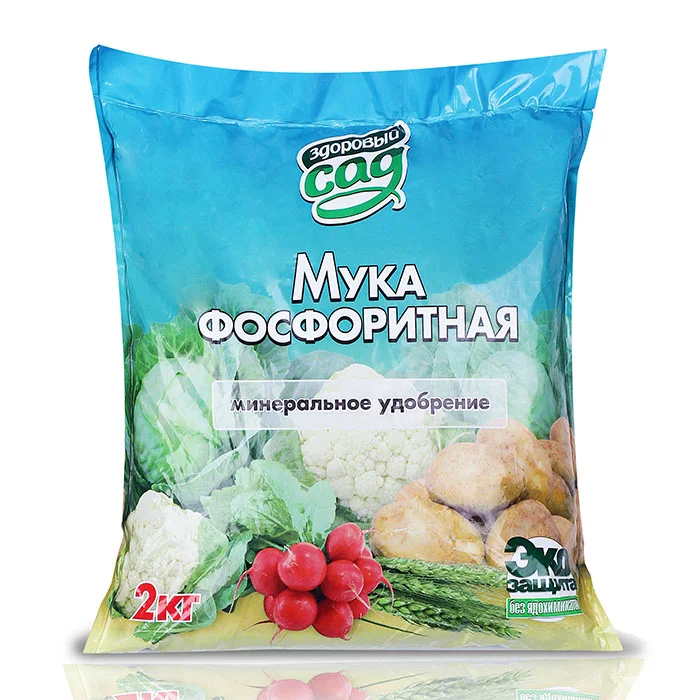
Phosphate rock flour
This substance contains 19 to 30% phosphorus. It's ideal for acidic soils and is completely environmentally friendly. It's important to note that the phosphorus in the product is in an inaccessible form. Therefore, it's released only after 2-3 months. Rock phosphate can only be applied in the fall, when tilling the soil. However, it should not be used in combination with potassium carbonate or lime.
Simple superphosphate
The product contains 26% phosphorus. It also contains sulfur, magnesium, calcium, and nitrogen. It is applied in the fall during soil tillage. However, it should not be used in combination with urea, saltpeter, or lime.
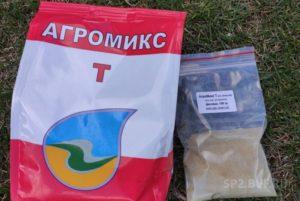
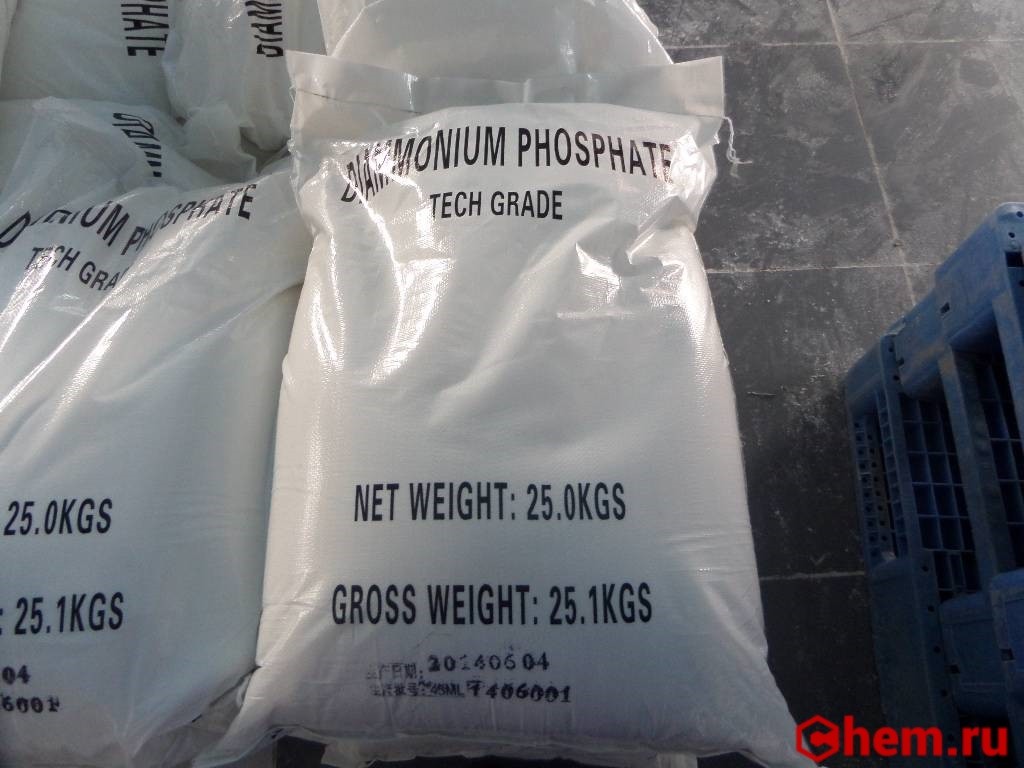
Diammophos or ammonium hydrogen phosphate
This beneficial substance promotes crop growth and reduces soil acidity. It has a high phosphorus content, making it economical to use. It can be combined with organic fertilizers.
Bone meal
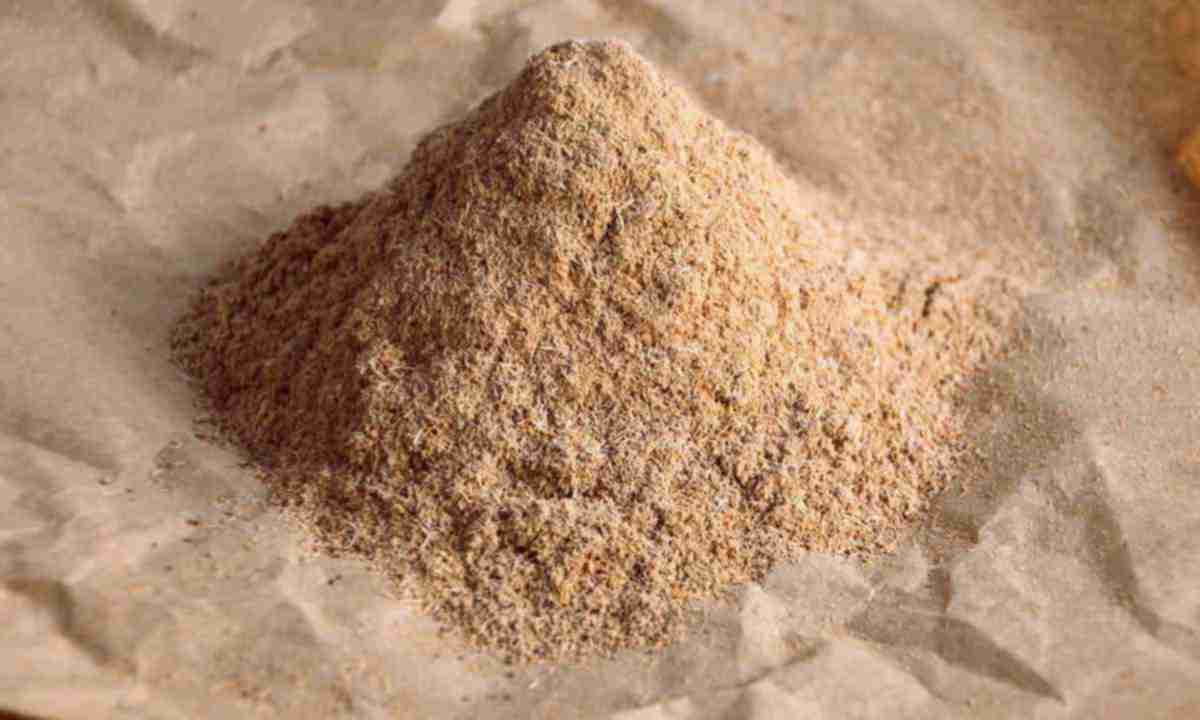
The product is organic. To obtain it, animal bones are ground. The resulting composition is completely natural, which is why gardeners often use bone meal for plants. Its advantage is its easy digestibility by crops.
Precipitate
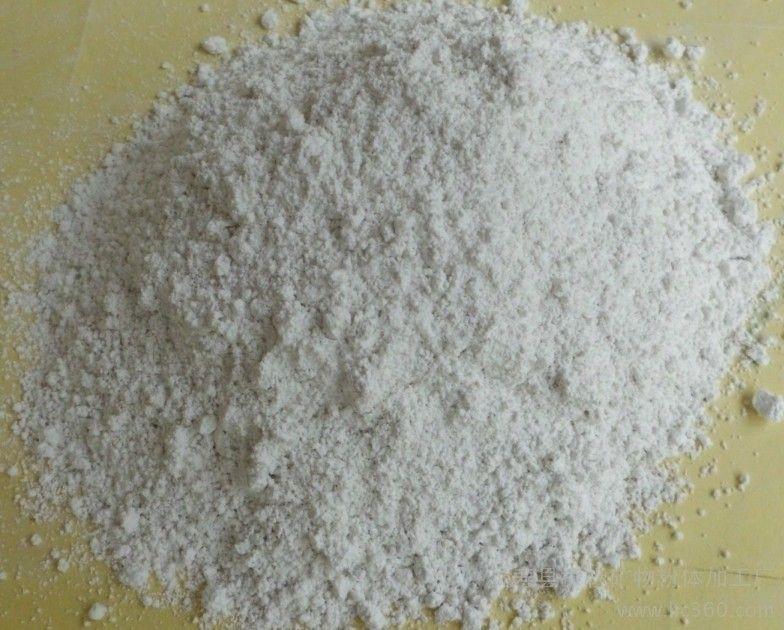
The substance contains a significant amount of phosphorus, reaching 25-30%. It is available as a white or gray powder. The fertilizer can be used on all types of soil at various stages of the growing season or as a pre-winter fertilizer.
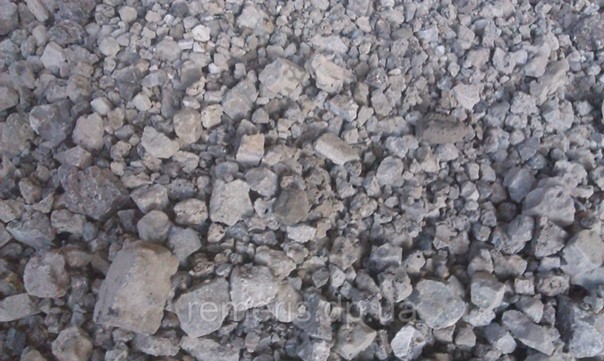
Open-hearth slag (phosphate slag)
This highly alkaline product contains 15% phosphorus and can be used in acidic soils.
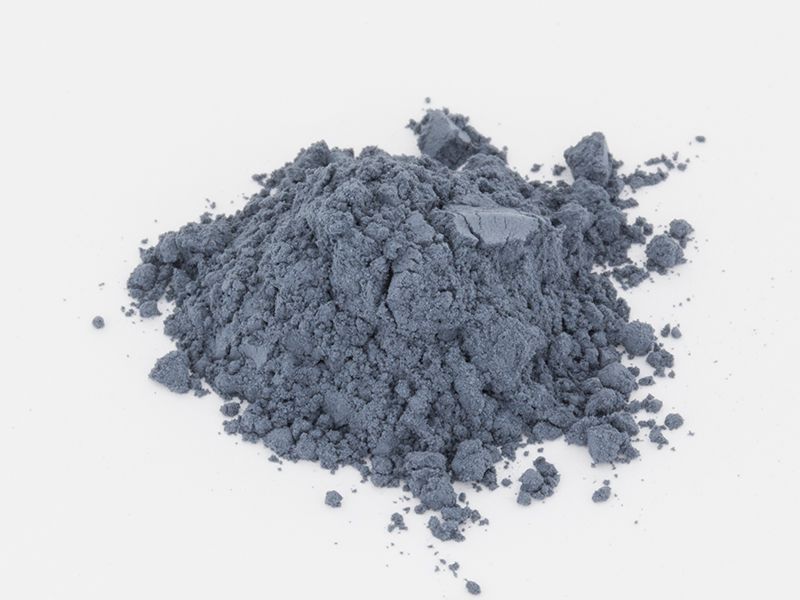
Vivianite
Vivianite contains 25-28% phosphoric acid. It is produced as a grayish-blue or blue powder. Sometimes the composition includes peat additives. In this case, the phosphorus content is reduced to 12-20%.
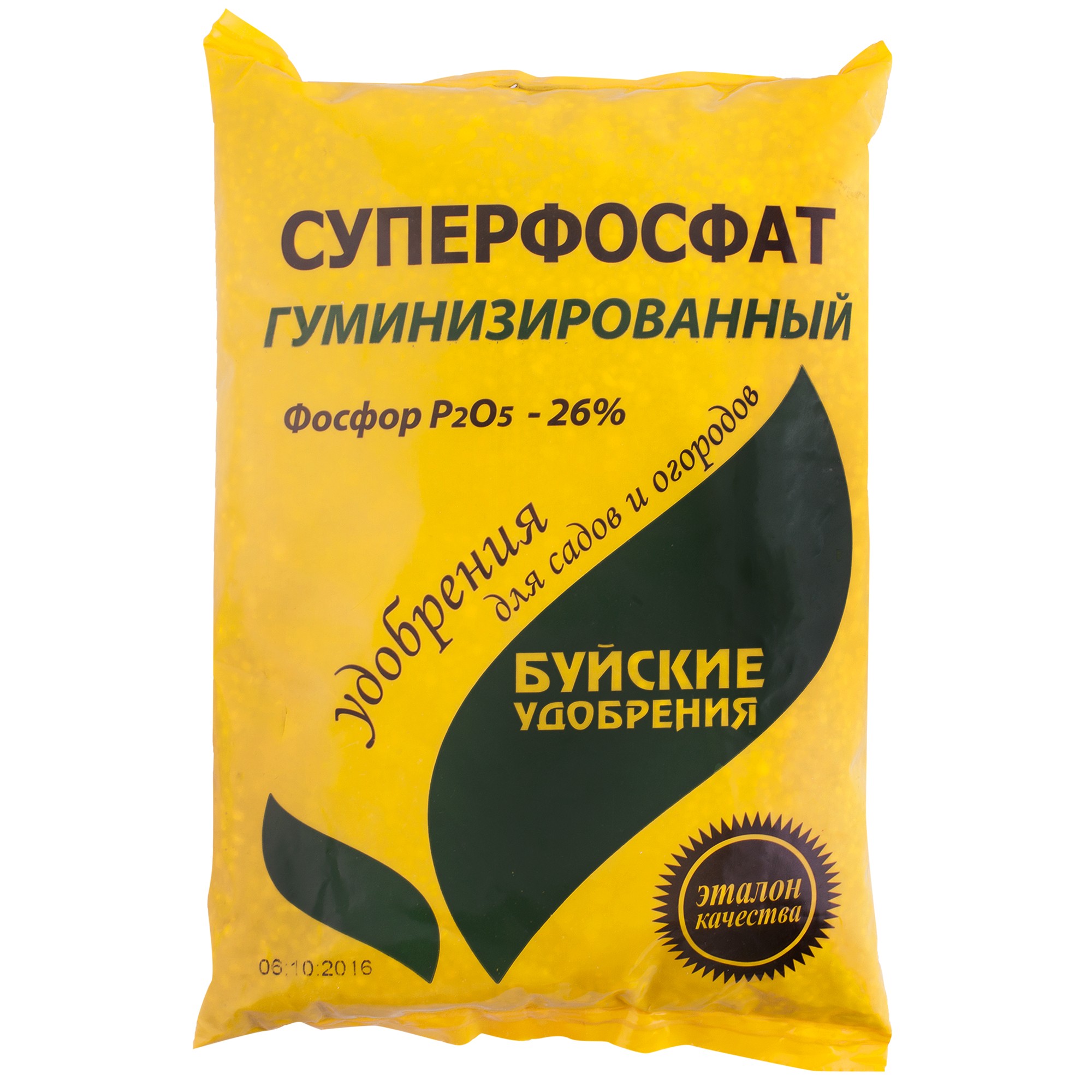
Superphos
This fertilizer is chlorine-free and comes in granular form. It may also contain ammonium phosphate or precipitate. It's considered a universal fertilizer and can be used at any stage of plant development.
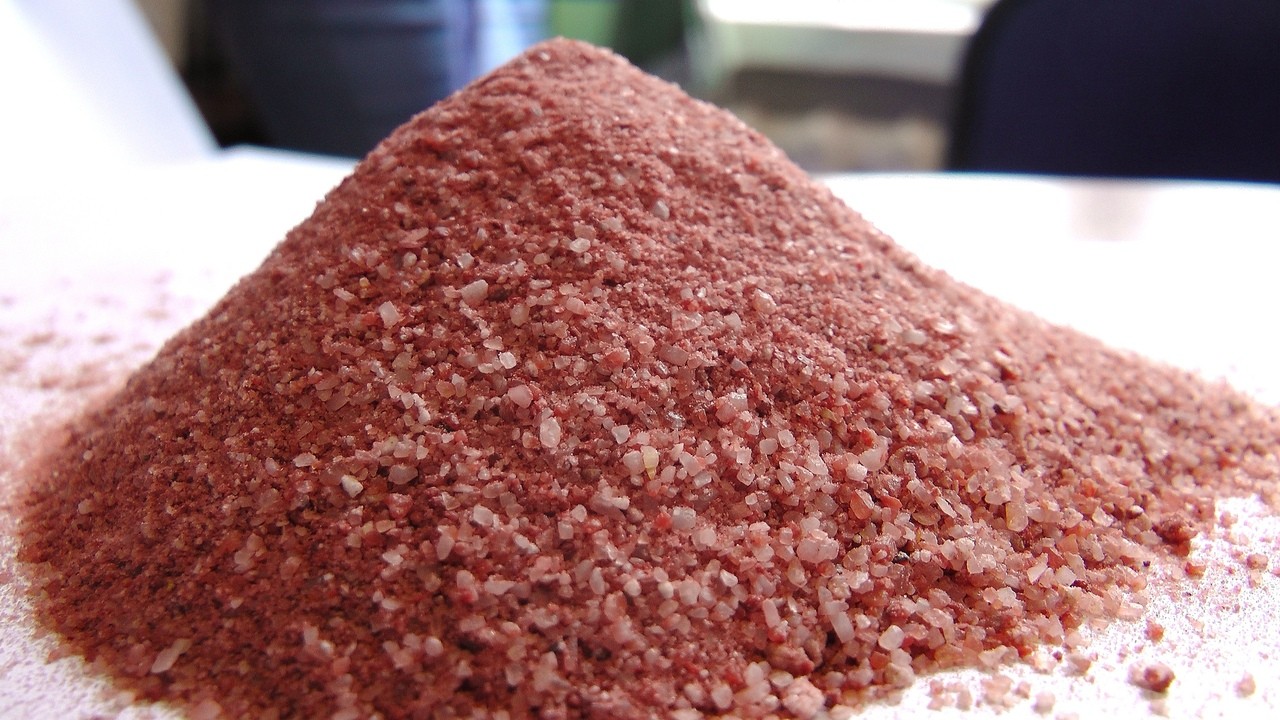
Thermophosphate
The product contains 14-30% phosphorus. The specific amount depends on the type. For example, Thomas slag contains 14% of this substance. The product is obtained by processing ore. The composition is considered alkaline, therefore it is used in acidic soils.
Double superphosphate
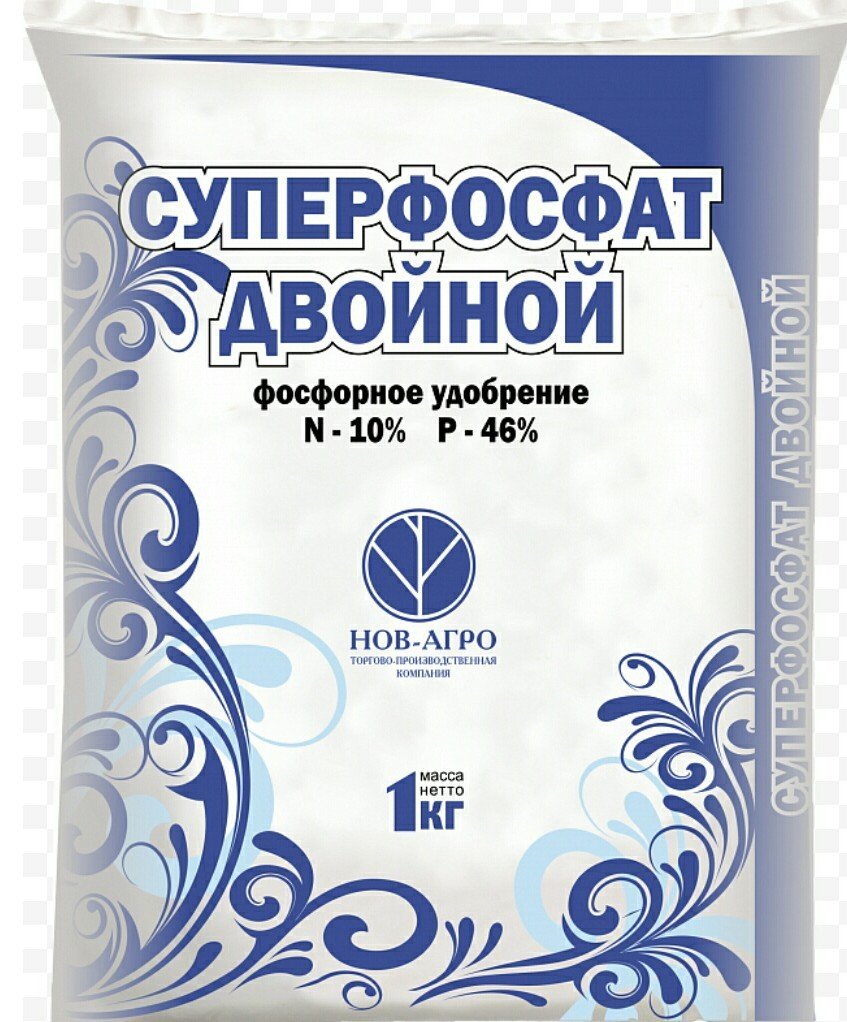
This product contains 40 to 50% phosphorus. Due to its high active ingredient content, it is economical to use. Double superphosphate should be applied in the spring or fall during tillage. It can also be applied before flowering.
How to identify nutritional deficiencies
Nutritional deficiencies can be identified by the following signs:
- disturbance of foliage shade and shape;
- deterioration of root development;
- formation of spots on leaves;
- cultural lag in development;
- leaf fall;
- drop in crop yields.
Potassium and phosphorus-based fertilizers are valuable elements essential for all plants. To ensure these products produce the desired results, it's important to use them correctly. Carefully follow the instructions.