
- Why is it necessary to fertilize tomato seedlings?
- How to determine what substances are lacking
- How to feed a young plant
- Mineral fertilizers
- Organic fertilizers
- Folk remedies
- Chicken manure
- Iodine
- Onion peel
- Biohumus
- Use of urea
- Uses of yeast
- Fertilizing seedlings with ash
- Hydrogen peroxide
- Methods of applying fertilizer
- Root specificity
- Foliar method
- Technology and timing of fertilizer application
- For greenhouse tomatoes
- For garden
- Feeding schedule
- First feeding
- Period of ovary formation
- Complex feeding
- What to do
- If the seedlings are thin and pale
- If it grows poorly
- A ranking of the best products for stimulating and promoting good tomato growth
- Nitrophoska
- Agricola
- Effecton
- "Athlete"
- "Humate+7"
- "Hello Turbo"
- Fertica Lux
Tomatoes require only fertile soil with optimal nutrient levels. Fertilizing is essential for tomato seedlings; otherwise, it will be difficult to achieve a full harvest. Most gardeners grow their own seedlings, so they should know everything about caring for tomato seedlings.
Why is it necessary to fertilize tomato seedlings?
While gardeners previously paid little attention to enriching their soil with nutrients, today's cultivation practices have changed. New tomato varieties and hybrids require fertilizers to thrive and produce high-quality fruit. Therefore, there's no doubt about the need to fertilize tomato seedlings. It's a necessary part of caring for the crop.
It can be grown when the soil has sufficient nitrogen, potassium, and phosphorus. These components form the basis of all fertilizers used for seedlings. Only with them will the plants be strong, robust, and able to develop vigorously and produce fruit.
How to determine what substances are lacking
To determine the need for fertilizing, you need to know the signs of a deficiency of a certain element for tomatoes:
- The lower leaves of the seedlings began to turn yellow - there is not enough nitrogen in the soil.
- A lack of phosphorus is expressed by the fact that the back of the leaf turns purple.
- The seedlings' roots will be weak and underdeveloped due to low potassium levels. And the leaves of the growing seedlings will begin to wrinkle, curl, and dry out.
- Pale leaves with noticeable green veins in seedlings that are deficient in iron.
- Seedlings with thin, elongated stems are obtained when the calcium level in the soil decreases.
 Tomatoes should also not be overfed with fertilizer. Too much nitrogen will cause leaf curl.Everything needs balance. This is something to consider before applying fertilizer.
How to feed a young plant
Fertilizers for tomato seedlings should contain the elements the plants lack. Seedlings prefer mineral fertilizers, including superphosphate, potassium salt, and ammonium nitrate. The right fertilizer is determined by the plant's condition. Each stage of tomato development requires specific nutrients. At the beginning of growth, nitrogen fertilizers are more important, while phosphorus and potassium are needed as fruit sets.
A gardener needs to know what organic matter tomatoes need and when it is best to add it to the soil.
Mineral fertilizers
Tomatoes need macronutrients for growth and rapid development, including the most important superphosphate, urea, potassium sulfate, and ammonium nitrate. Superphosphates contain 20 to 50% phosphorus, a substance that positively influences the development of the root system of seedlings. This element promotes accelerated fruiting and prolongs the ripening period of tomatoes. The fertilizer is highly water-soluble.

Among nitrogen fertilizers, urea or carbamide stands out. Fertilizer quickly penetrates the soil and is slowly washed out. Urea is best used on acidic, sandy soils.
To promote seedling growth, feed them with potassium sulfate. This fertilizer is chlorine-free. The components of the fertilizer strengthen the plants and increase their resistance to fungal infections.In ammonium nitrate, the active substance, nitrogen, is contained in a volume of 20-35%. Sulfur, as a component of the feed, helps with the absorption of the substance.
Among modern mineral fertilizers, gardeners have approved of Kristalon. It balances the essential nutrients for seedlings in a convenient, easily digestible form. Kristalon should be applied to seedlings according to the instructions.
Organic fertilizers
In the early stages of tomato seedling development, it's necessary to feed them with organic matter. The nitrogen it contains has a beneficial effect on young plants, strengthening their root system. Organic fertilizers that can be used include mullein and bird droppings. These should not be used in their pure form. Solutions should be prepared in proportions that will not burn the tomato seedlings.

Folk remedies
Fertilizers made by gardeners from natural ingredients, without chemicals, are also popular. These fertilizers are selected to improve the soil's composition and enrich it with phosphorus, potassium, nitrogen, and other elements. It's important to choose the right fertilizer form and application method.
Take a look Also

Chicken manure
Bird droppings contain everything tomatoes need: nitrogen and phosphorus, potassium and calcium. Organic fertilizer also contains small amounts of cobalt and zinc, copper and manganese. Poultry droppings are used to enrich the soil, providing the nutrients to tomato seedlings for growth.

Before planting seeds, add a little bird droppings to the soil. If the plants are growing poorly and their leaves are pale, feed them with a liquid solution of bird droppings diluted 1:15.
Iodine
Tomato seedlings need strong immunity to fight off pathogens as adults. Therefore, iodine dissolved in water can be used as a preventative measure against diseases. It is used as a root and foliar fertilizer. Ten drops of the medicinal solution per bucket of water is sufficient.

Onion peel
The organic and mineral compounds in onion peels are highly biologically active. They participate in photosynthesis and are essential for plants as immune system stimulants, helping them protect against infections.
By increasing the growth rate of seedlings, this fertilizer will strengthen them and prepare them for fruiting.
Spray seedlings with a solution of onion peels to protect them from blackleg. To do this, soak 20 grams of peels in a liter of water. Young seedlings are sprayed three times, 10 days apart.
Biohumus
Vermicompost is a product obtained by processing plant waste using Californian worms. The humates in this product affect tomato seedlings in a way that increases tomato yields by 20-30%. Seeds can be planted in pure, dry humus. In liquid form, the fertilizer is applied as the seedlings grow, diluting them with water.

Use of urea
A key feature of using urea as a fertilizer is that the soil must be moistened before application. Apply 10-15 grams of granules per square meter. If preparing a liquid fertilizer, dissolve 20-30 grams of urea in 10 liters of water.
Since the use of urea leads to an increase in soil acidity, it is necessary to neutralize the effect of carbamide with ground limestone.
After using urea, the seedlings begin to actively grow green mass.
Uses of yeast
Yeast has been shown to help:
- accelerating the growth rate of seedlings;
- strengthening the root system;
- increasing the endurance of seedlings.
Yeast, once in the soil, activates microorganisms that convert plant residues into nutrients—nitrogen and potassium.
 Combine yeast with an infusion of weeds and chicken manure. A proven recipe for feeding tomato seedlings consists of 10 grams of dry yeast, 0.5 kilograms of chicken manure extract, and 0.5 liters of wood ash per bucket of water. You can add 5 tablespoons of sugar to the solution. For watering the seedlings, dilute the liquid fertilizer at a ratio of 1:10.
Fertilizing seedlings with ash
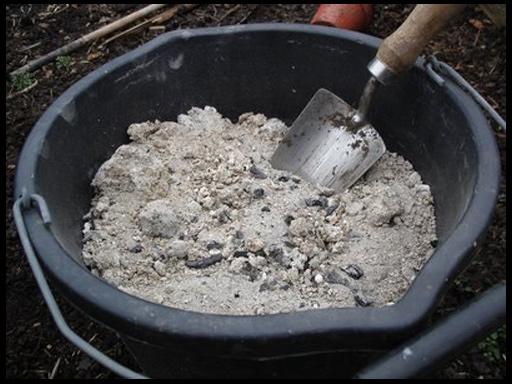
Wood ash is considered a growth and development stimulant for tomato seedlings. It's ideal for seedlings, providing them with phosphorus and potassium.
Before planting, ash is added to the soil, mixing it with the components of the soil mixture for tomatoes.
If the soil is depleted during the seedling growth period, water them with an ash solution. Prepare it as follows: add half a cup of ash to 5 liters of warm water. Let it steep for 2 hours, then water the plants.
Hydrogen peroxide
Hydrogen peroxide also stimulates seedling growth. Another property of the product is its disinfectant properties. Treat seeds and soil with a hydrogen peroxide solution before planting tomatoes. Prepare a spray for young plants by adding one tablespoon of hydrogen peroxide to a liter of water. After spraying, tomatoes will begin to grow and be protected from fungal infections.
Methods of applying fertilizer
When growing tomatoes from seedlings, fertilizing is essential. You just need to figure out how to apply the fertilizer. You can water the plants at the roots with ready-made solutions. However, foliar application will also allow the green leaves and stems of the seedlings to receive nutrients more quickly.
Root specificity
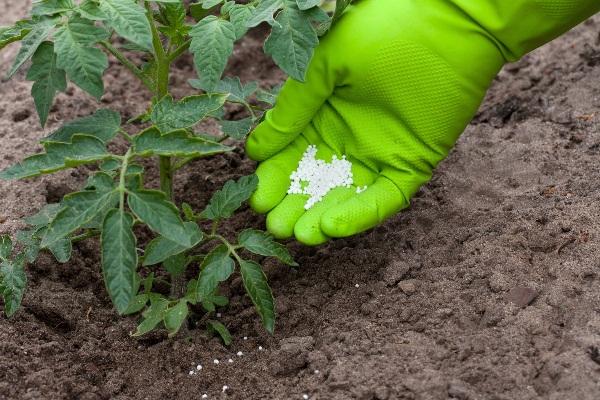
Applying fertilizer to the roots is the simplest and most accessible way to care for tomato seedlings. Care should be taken to avoid the nutrient solution coming into contact with the leaves of the vegetable. The first two feedings of seedlings are done using the root method. The fertilizer solution is prepared at a concentration that will prevent burning the roots and stems.
Fertilizing the seedlings begins 10-14 days after transplanting. After two weeks, water them again with a nutrient solution. For root feeding, use nitrogen fertilizers. Dissolve a tablespoon of urea in 1 liter of water and water.

Foliar method
Foliar spraying is used to spray tomato plants using a spray bottle. This method is used during the period of active plant growth and when the soil becomes depleted.
 An important aspect of foliar feeding is the correct selection of fertilizer concentration. When diluting, the proportions of nutrients in the water are three times lower than for root treatments. Failure to do this can ruin the tomato seedlings.
They are conducting top dressing after planting tomatoes in a greenhouse and onto the beds. Tomato bushes need to be irrigated in order to:
- strengthen a plant that has a pale, weak appearance;
- the tomatoes bloomed on time;
- fertilizers were better absorbed;
- the seedlings received nutrition if the root system is damaged.
Most often, this method requires the use of iodine, hydrogen peroxide, and yeast. These treatments are performed once every 14 days. If the plants begin to feel unwell, stop feeding.

Technology and timing of fertilizer application
Seedlings require nutrients when:
- the first leaves appeared;
- the seedlings were transplanted after 2 weeks;
- 10-12 days have passed since the application of fertilizers;
- There are 4 days left before transplanting tomatoes into open or closed ground.
The technology and timing of further fertilizing vary depending on where the tomatoes are grown.
For greenhouse tomatoes
After transplanting the seedlings to the greenhouse, it's important to help them adapt. Fertilize the plants with organic matter, then, after two weeks, with potassium fertilizer. Spray the tomato leaves with a wood ash solution in the evening after 14 days. Do not apply both root and foliar fertilizers simultaneously. The best time to apply fertilizer is determined by the condition of the tomatoes.
For garden
Once the tomatoes have adapted to the nutritious open ground, root feeding with phosphorus-potassium fertilizers is applied. Nitrogen is not used, as the soil is sufficient. Excessive fertilizer will result in excessive foliage growth and a lack of fruit set.
During the flowering period of tomatoes, it becomes necessary to fertilize them with wood ash or ready-made complexes.
The use of Nitrofoska will help to activate the fruiting of tomatoesThey will set fruit better and ripen on time. Dissolve 2 tablespoons in a bucket of water and water the roots. This amount is enough for root feeding of 4 vegetable plants.
Feeding schedule
When tomatoes are cared for properly, seedlings produce high yields. Fertilizing the vegetable crop must be done according to a specific schedule. Indiscriminate fertilization will result in plant death or stunted growth.

It's best to start with organic fertilizers. These should be applied to the soil in the spring, ensuring the transplanted tomato seedlings receive the necessary nutrition and quickly establish themselves in the open ground and greenhouse.
After the initial organic feeding, it's time to apply mineral fertilizers. During flowering and fruit set, plants require phosphorus and potassium. This sequential application of fertilizers will allow tomatoes to develop harmoniously. First, nitrogen stimulates seedling growth and strengthens them, and then the nutrients stimulate fruiting.
First feeding
Seedlings need nutrients when the first leaves appear. However, if the soil for the seeds was fertile and enriched with humus or peat, you can skip fertilizing and apply fertilizer later. It's best to begin when the soil is low in nutrients.

Fertilizer should be applied for the first time after transplanting the seedlings. This is determined by the appearance of the third leaf on the seedlings. Fertilizing should be repeated 20 days after transplanting the tomato seedlings. At home, use a mixture of superphosphate (20 grams), urea (10 grams), and potassium salt (15 grams), dissolved in 10 liters of water. Alternatively, use a wood ash infusion: 1 tablespoon per 2 liters of water.
Period of ovary formation
Fertilizer application is especially important when tomatoes begin to bloom. A second feeding is done 10-14 days later, and then during fruit set. Spray the bushes with a solution made from 9 liters of water, 1 liter of milk, and 10 drops of iodine. Separately, dilute 0.5 teaspoon of boric acid in a glass of water. This fertilizer will accelerate fruiting. At the same time, foliar feeding will help strengthen the plants' immune system and protect them from fungal infections.
 Every 2 weeks, it is necessary to sprinkle dry wood ash under the bushes as a source of phosphorus and potassium. After the procedure, water the bushes generously with water at room temperature or a solution of vermicompost.
Complex feeding
Complex fertilizers are used throughout the entire tomato growing season, starting with seedlings and ending two weeks before harvesting ripe tomatoes. These fertilizers contain balanced nutrient components. Simply feed the seedlings according to the instructions.
What to do
Homemakers notice that as tomato seedlings grow, they turn from strong and green into yellow or pale, scrawny things. This degeneration is caused by improper care. It's important to review all procedures and pay attention to the soil condition. Fertilizing can correct any developmental deficiencies in the seedlings.

If the seedlings are thin and pale
Gardeners often part with pale tomato plants, ruthlessly pulling them out. After germination, pale plants and thin stems can be due to insufficient light, overwatering, or too little or too much nitrogen. To thicken the stems and strengthen the seedlings:
- normalize the frequency of watering;
- organize additional lighting of seedlings with phytolamps;
- fed with the drug "Athlete";
- If there is excess nitrogen, add superphosphate.
Urea contains a lot of nitrogen, so this fertilizer is used to ensure plump tomatoes. Dissolve a tablespoon of urea in a bucket of water and pour 100 milliliters under each plant.Keep the seedlings for 2 days at a temperature of 10 degrees.
If it grows poorly
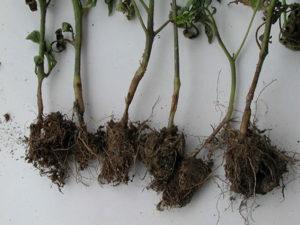
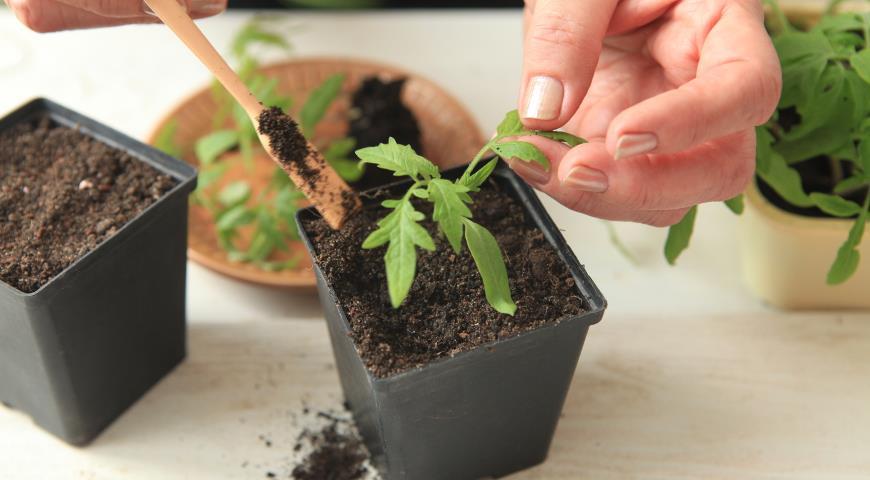
After transplanting, tomato seedlings sometimes stop growing, wilt, and their leaves turn yellow. Panic often sets in, unsure what to do next. Even if transplanting is done correctly, weak seedlings are often due to a lack of micronutrients. Choose a complete fertilizer that combines nutrients for optimal tomato growth. Fertilizing should be done carefully, following the instructions.
A ranking of the best products for stimulating and promoting good tomato growth
There are a wide variety of products on the market for stimulating tomato growth. Each product has its own pros and cons. It's best to choose those that have been tested by gardeners and are popular among home gardeners.

Nitrophoska
This fertilizer is a classic mineral fertilizer, composed primarily of potassium, nitrogen, and phosphorus salts. When applying the fertilizer, the development characteristics of tomatoes and their growing season are taken into account. There are several brands of fertilizer, each with varying proportions of the main elements. Nitrofoska, a phosphate-based fertilizer, is used for tomatoes. It contains the substances that will help tomato plants produce high-quality fruit.
Agricola
Vegetable crops require complex fertilizer during flowering and fruiting. It's used as a root watering and foliar spray. Tomato seedlings are watered with Agricola solution. Fertilizing after planting seedlings in open ground is also beneficial.

Effecton
As a source of humus, organic fertilizer helps saturate the soil with carbon dioxide and improve gas exchange. This accelerates photosynthesis and improves nutrient absorption by tomatoes.
"Athlete"
For seedlings, the product acts as a growth stimulant. By positively affecting the root system of seedlings, it helps young plants survive transplantation and adapt quickly. When using the solution, seedling roots develop rapidly, extending deeper, and stems become thick and strong.

"Humate+7"
Regular application of this fertilizer promotes the development of strong roots in tomato seedlings and increases vegetable yield. After planting the tomato seeds, water the soil with "Humate." Repeat the process after two weeks. Then, reduce the concentration by a third. Water the plants 3-4 times during the growing season.
"Hello Turbo"
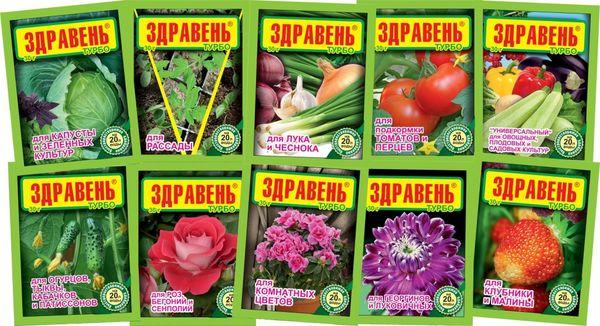
The complex mixture contains all the elements necessary for the development, growth, and fruiting of tomatoes. Chelated minerals are fully absorbed by plants. Only 15 grams of fertilizer is needed per square meter of garden space. It is dissolved in 10 liters of water and watered at the roots. For foliar feeding, the concentration of the substances is reduced.
Fertica Lux
The crystals of this complex fertilizer dissolve well in water. Therefore, it should be applied in conjunction with watering. Using a nutrient solution is beneficial for both tomato seedlings and mature plants. The recommended dosage is 1 tablespoon of powder per 10 liters of water. Use the mixture every 2 weeks. The fertilizer can be incorporated in the fall to prepare the area for spring vegetable planting.
Related posts:
 How to prepare tomato seeds for planting seedlings
 What fertilizers and when to use for feeding tomatoes in a greenhouse
 Rules for growing tomatoes in open ground, choosing a variety, planting and care
 How to feed tomato seedlings after transplanting
 What is the best way to feed pepper seedlings to ensure they grow plump?
 The best eggplant varieties for growing in a polycarbonate greenhouse: planting and care
 What fertilizers should I use for tomatoes in open ground and greenhouses?
 How to plant, grow, and care for tomatoes in a polycarbonate greenhouse