
- Black leg - what is it?
- Common causes of tomato diseases
- Factors that provoke the disease
- Characteristic signs and symptoms of seedling disease
- Treatments for tomatoes
- Hilling up seedlings
- Folk recipes
- Store-bought medications
- How to prevent the disease
- Disinfection of soil and containers
- Pre-planting seed treatment
- Seasonal treatment of bushes
- Choosing resistant tomato varieties
Before deciding what to do if blackleg is detected on tomato seedlings, it's important to understand the cause. A number of characteristic signs can indicate the problem. The disease can be triggered by various unfavorable factors. Treatment can be achieved using both commercial products and traditional remedies. To prevent recurrence, a number of preventative measures are necessary.
Black leg - what is it?
Blackleg is a common fungal disease that affects tomatoes and other nightshade crops. Pathogenic fungal spores live in the surface soil layer (up to 2 cm deep) and, under favorable conditions, begin to actively multiply, infecting neighboring areas.
Blacklegged beetle pathogens reside on the surface of untreated seeds and plant debris. Therefore, it is crucial to treat the seeds and prepare the soil for planting.
Common causes of tomato diseases
Young tomato seedlings can be affected by black leg for many reasons:
- improperly prepared soil and its unsuitable composition;
- lack of moisture or excessive waterlogging of the soil;
- hot, dry indoor air (above 30 degrees);
- lack of light (less than 10 hours a day);
- excess or deficiency of micronutrients.
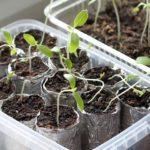
 Tip: To reduce the risk of blackleg spreading, it is recommended to plant seeds in separate peat containers.
Factors that provoke the disease
The following unfavorable factors can provoke the disease:
- damp soil;
- cold or too hot air;
- high soil acidity;
- seedlings planted too close together;
- lack of fresh air in the room;
- lack of lighting.
The risk of developing a fungal infection will increase if several of the above factors are combined.
Characteristic signs and symptoms of seedling disease
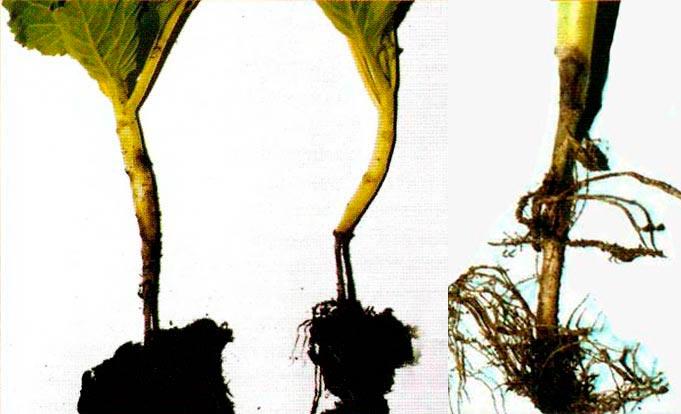
The disease can be recognized by the following characteristic signs:
- wilted stem and leaves;
- initially the leaves turn pale, then curl, turn yellow and dry out;
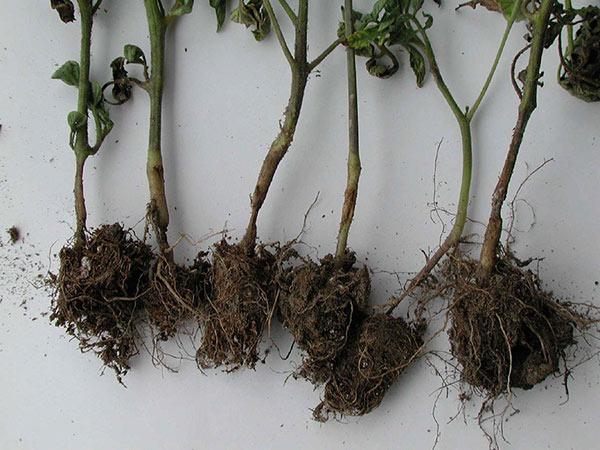
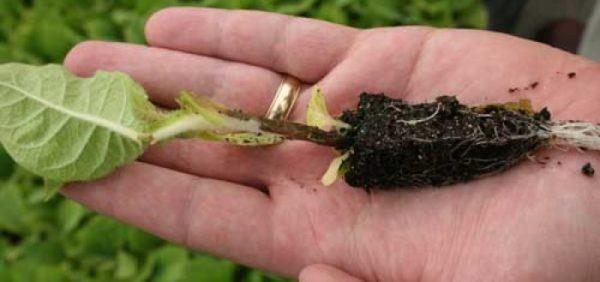
- the root part of the affected bush is covered with small black dots;
- thinning of the stem in the root zone.
If the infection affects very young shoots, before the first leaves have even developed, the plant cannot be saved. The affected plant dries up and falls to the ground.
Treatments for tomatoes
As soon as the first signs of disease are detected, immediate control measures should be taken. This begins with adjusting the plant's care. If store-bought remedies are unavailable, use formulations based on traditional recipes.
Hilling up seedlings
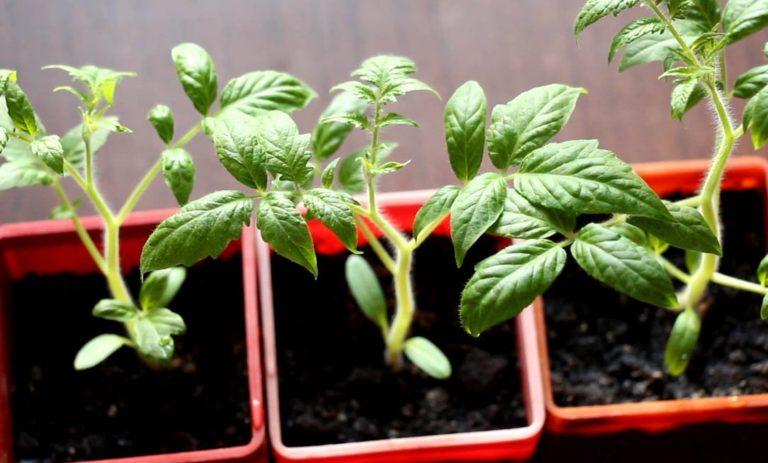
You can hill up the seedlings to help prevent the spread of the pathogen. This procedure is performed immediately after the first shoots appear. The soil should be dry, so do not water the beds for three days.
After hilling, the seedlings are watered with warm water, poured between the rows, avoiding contact with the greenery.
An important procedure is loosening the soil between rows. Loosening prevents a dry crust from forming. This allows air and nutrients to reach the root systems evenly and without obstruction.
Folk recipes
Combating blackleg is possible with folk remedies. They are based on affordable and safe ingredients:
- A mixture of wood ash, dolomite flour, and river sand can help prevent the spread of fungus. Sprinkle the resulting mixture onto the soil. These components boost the plant's immunity, reduce acidity, and absorb excess moisture.
- An infusion of onion peel is suitable for watering the soil and spraying seedlings.
- The activity of the pathogen can be reduced using eggshells.
- Watering with a soda solution is effective.
- A solution of potassium permanganate disinfects the soil and destroys fungi.
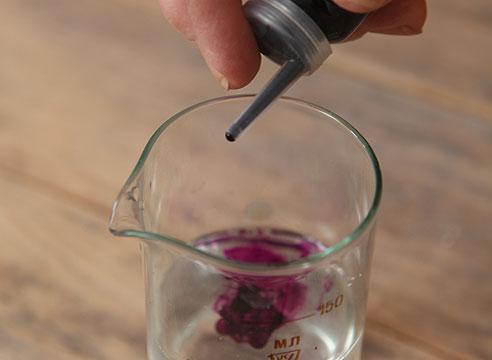
If you notice a sprout with a black root collar, it's best to remove it immediately. Treat all remaining seedlings with a suitable product.
Store-bought medications
You can save seedlings affected by blackleg using effective and well-known preparations:
- The fungicide "Maxim" contains natural components that destroy fungi and enhance plant immunity.
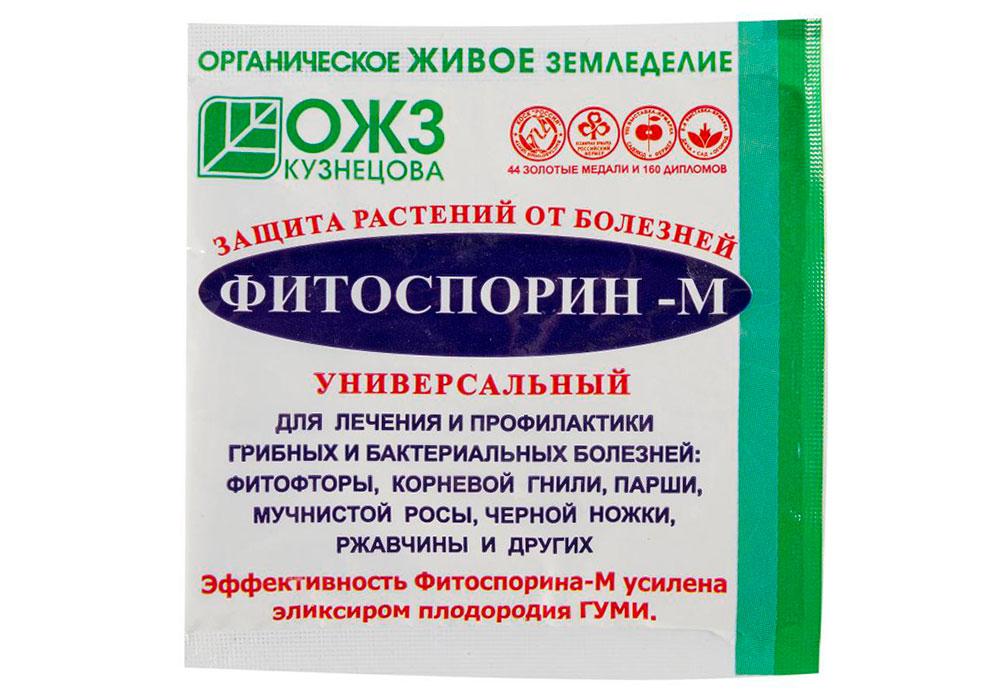
- The biological product "Fitosporin" is based on beneficial bacteria that suppress fungal activity. The product boosts plant immunity.
- The fungicide "Previkur" is designed to combat fungal infections. Its components boost immunity, stimulate growth, and strengthen the plant's root system.
- The bacterial preparation "Planriz" is effective against many tomato diseases, including blackleg. It can be used at any stage of plant development, stimulates growth, and is safe for humans and animals.
- Another effective treatment for seedlings is "Baktofit." This biopreparation eliminates fungal infections and prevents their recurrence, boosts immunity, stimulates plant growth, can be used at any stage of development, and is safe for others.

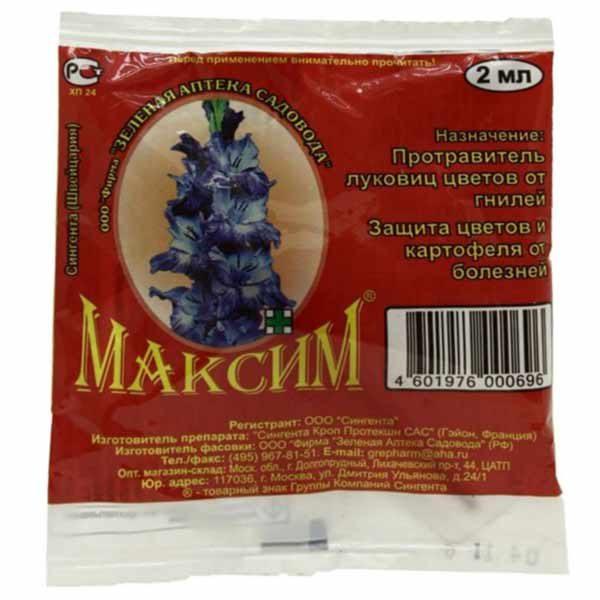
Purchased medications can be combined with compositions prepared according to folk recipes.
How to prevent the disease
You can prevent black leg and other diseases by following a few simple rules:
- It is useful to sprinkle the soil with dry ash;
- establish a watering regime (it is recommended to water rarely, but generously in the morning hours);
- thin out overly dense plantings in time;
- it is necessary to carry out the picking procedure;
- Not only a deficiency, but also an excess of microelements is dangerous for seedlings (it is especially important to monitor the dosage of nitrogen);
- manure cannot be used as fertilizer;
- For prevention, it is useful to water the seedlings with an infusion of onion peels.
Caution: If the soil is highly acidic, lime it before planting.
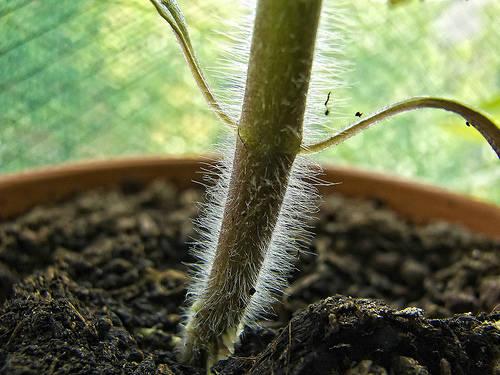
Disinfection of soil and containers
Before planting, the soil and container must be treated:
- A few days before sowing the seeds, the soil is baked in an oven at a high temperature (procedure time 35 minutes) or watered with a solution of potassium permanganate.
- Choose a spacious planting container. It should have drainage holes to prevent excess water from stagnating in the soil. Then, spray the container with a potassium permanganate solution.
Only after these steps should you begin sowing the treated seeds. They should be planted at a sufficiently wide distance, without crowding the seedlings. Each seedling should receive sufficient light and air.
Pre-planting seed treatment
Before planting, tomato seeds should be selected and processed:
- The selection of large and dense seeds is carried out using a saline solution.
- Experienced gardeners warm up their seeds. Warmed seedlings germinate well.
- Hardening off will allow the seedlings to adapt to weather conditions more quickly in the future.
- The selected seeds are immersed in a potassium permanganate solution for 17 minutes. The seeds are then rinsed under running water and thoroughly dried.
- A hydrogen peroxide solution will help disinfect seeds and speed up the germination process. Soak the seeds in the diluted solution for three days.
- To improve immunity, planting material is immersed in a solution based on such preparations as Fitosporin, Epin, Zircon, Baikal M, sodium humate or Immunocytophyte.

If you select the strongest seeds, disinfect them, and soak them in biological preparations, then you are guaranteed a friendly emergence of strong seedlings.
Seasonal treatment of bushes
Diseases often affect tomato plants, regardless of whether they are grown in open or closed beds. Therefore, this vegetable crop requires additional protection.
For spraying tomato bushes, it is better to use biological preparations, for example, Fitosporin.
An effective preventative measure is a copper sulfate solution. Popular folk remedies include whey and onion peel infusion. To ensure strong plant growth and increased resistance to infections, proper fertilization is essential. Urea should be applied before fruit set, and potassium-phosphorus compounds are beneficial after fruit set. During fruiting, a mixture of wood ash, boric acid, and iodine is recommended.
Choosing resistant tomato varieties
Another key factor that can help reduce the risk of developing a fungal infection is choosing the right variety. The most popular varieties resistant to blackleg include Roma, Yablochka Rossii, Banana Legs, Geisha, Ilyich F1, Blitz, and Bogema F1.
Related posts:
 Carrot care guidelines for outdoor cultivation to ensure a good harvest
 Is it possible to soak treated cucumber seeds before planting and how to do it correctly?
 Why didn't the carrots sprout and what should I do? How to plant them so they sprout quickly?
 The best eggplant varieties for growing in a polycarbonate greenhouse: planting and care
 Is it possible to plant carrots in July or at the end of June? What are the best days and care instructions?
 Causes and treatment of eggplant pests and diseases, how to combat them at home
 How to properly plant peas in a greenhouse and open ground
 What to do if cucumbers have blackleg and how to combat it