
Many gardeners are familiar with the dangerous fungal disease blackleg. It affects almost all garden crops, including cucumbers. Experienced gardeners know what to do if their cucumbers have blackleg. They know the steps to take to save the harvest.
What is the disease?
Blackleg is an infectious disease that affects flowers and vegetables. It is caused by a parasitic fungus. Soil is the source of infection for garden crops and vegetables. Young plants die first.
The vegetables most often damaged by black leg are:
- cabbage;
- tomatoes;
- cucumbers;
- radish;
- rutabaga.
There are many varieties of fungi. They feed on plant roots and dead tissue, but they also feed on living plants, so they move to the root collar of seedlings. The disease gets its name from the color of the stem, which turns black just above the soil surface. Blackleg is dangerous not only to young seedlings but also to mature vegetable crops.
Causes of infection
Sources of vegetable contamination include soil and seeds. Fungal microorganisms can also live in peat and manure, which are used to fertilize the soil before planting.
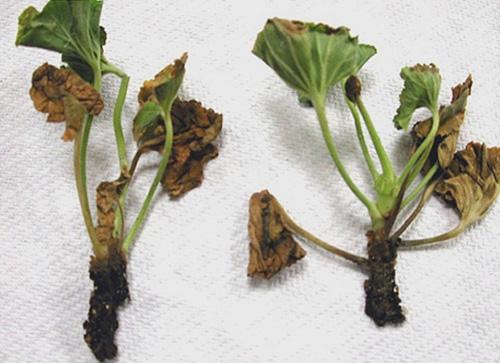
To prevent planting diseased seeds, disinfect them in a potassium permanganate solution and heat them. Buying soil for growing seedlings from a store will help prevent soil contamination. The fungus survives for a long time not only in open ground but also in greenhouses and hotbeds.
Blackleg develops rapidly if favorable conditions are created:
- regular waterlogging of the soil;
- cold weather lasts for a long time;
- lack of light;
- frequent sowing of seeds;
- insufficient ventilation;
- delay in picking seedlings;
- The seedlings are watered with cold water.
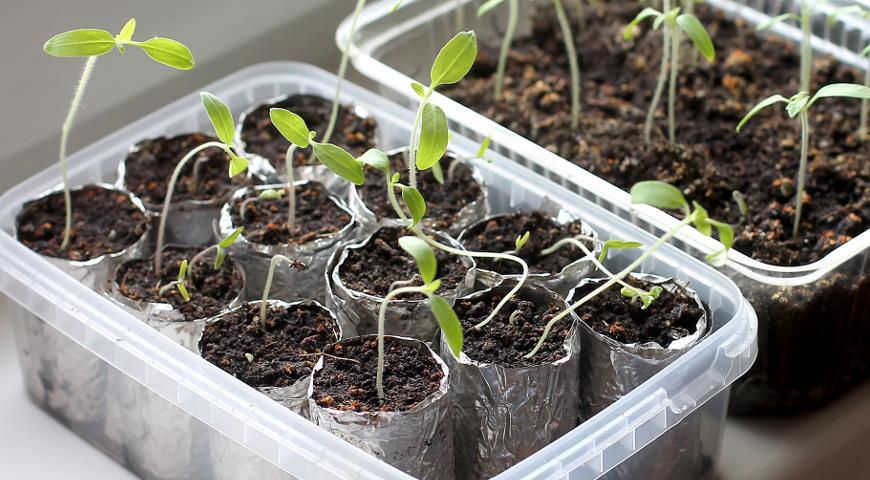
High soil acidity promotes the rapid development of blackleg. It can be reduced with lime or dolomite flour.
Signs of the onset of the disease
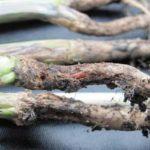
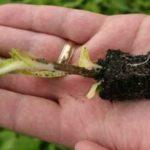
The first signs of blackleg appear during the formation and development of cotyledon leaves. The root collar turns brown, and a constricting cord-like structure appears on it.
Then the leaves become diseased: they turn yellow, wilt, and fall off. You can see that the root collar underneath becomes wet and darkens. It rots, and the plant dies.
Methods of combating black leg
The fight against black leg begins before the seeds are sown.
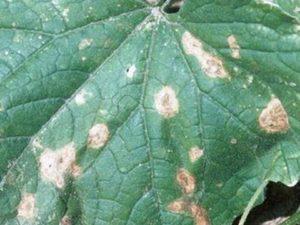
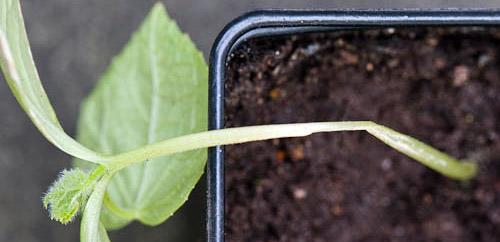
Change terms
If the onset of the disease is detected early, saving the seedlings is still possible. Growing conditions should be adjusted:
- Regulate seedling watering. It's better to water less frequently but more thoroughly than frequently and a little at a time.
- Monitor the room temperature and lighting to ensure the seedlings are warm and bright, and protect them from the cold under a film cover.
- Carry out picking on time, do not plant too densely.
- Regularly ventilate structures under film cover and loosen the soil.
- Add a layer of dry sand no more than 2 cm to dry the soil and accelerate the growth of the root system and the appearance of new roots.
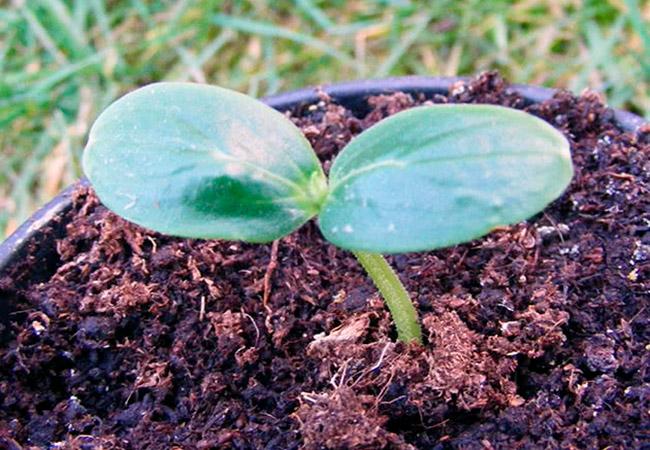
When transplanting seedlings from home to the garden, it is better to discard diseased seedlings in order to save plants that have not yet become diseased.
Carry out processing
You can try treating young seedlings at an early stage of the disease by spraying them with Bordeaux mixture. Unlike chemicals, this solution is not as toxic. To treat 1 square meter of area, you'll need no more than 1 liter of a 1% solution:
- You can water the seedlings with Fitosporin (the dosage is indicated on the package) or a weak (not bright) solution of potassium permanganate;
- mandatory loosening of the soil;
- hill up the root collar.
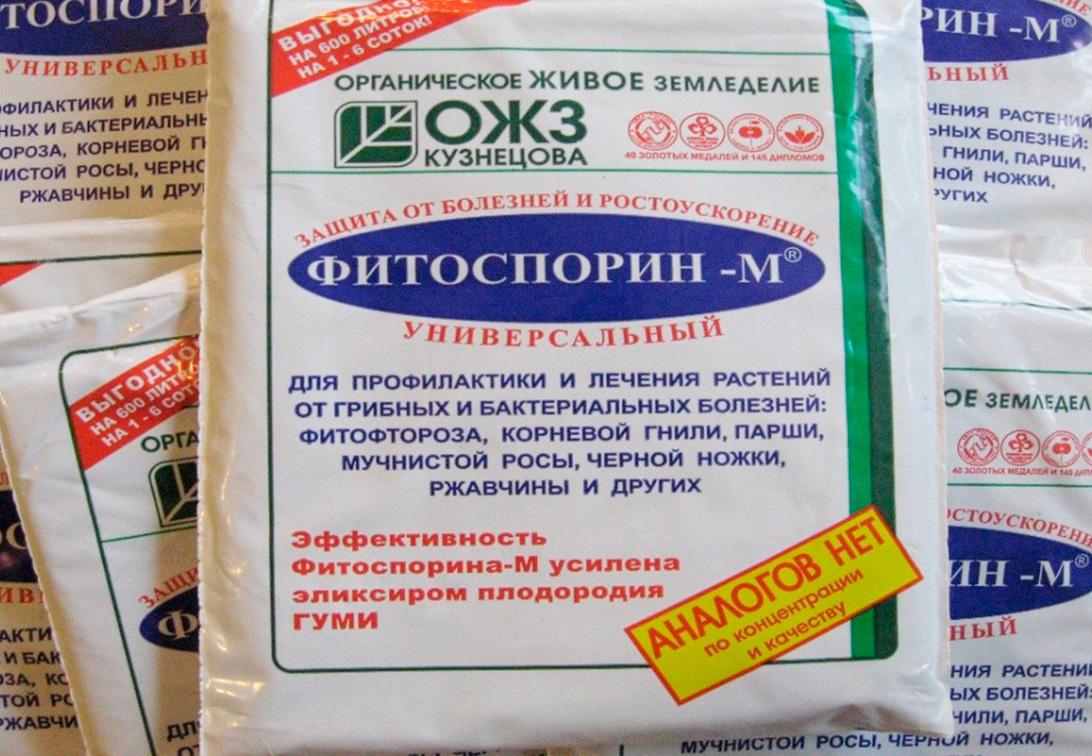
If the disease has already developed and is detected too late, fighting blackleg is useless. In that case, you need to sow new seeds.Under no circumstances should you sow in the same soil where diseased seedlings grew, as black leg will destroy all the seedlings.
Traditional methods of treatment
Traditional methods for treating blackleg include spraying young seedlings not only with potassium permanganate but also with a soda solution (1 teaspoon per 250 ml of water). Instead of a layer of sand, gardeners sprinkle the soil surface with ash; charcoal is also suitable. Sometimes, the ash is mixed with copper sulfate (1 teaspoon of copper sulfate per cup of ash) and scattered under the roots of the seedlings.

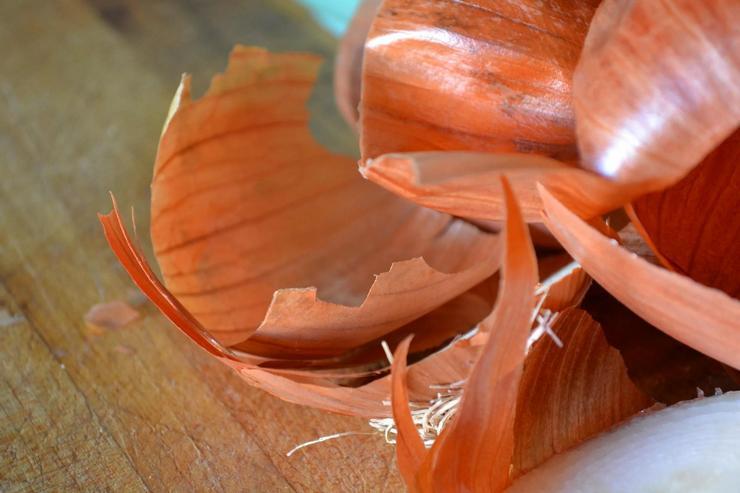
Some gardeners treat diseased cucumber seedlings by watering them with an infusion of onion peels and marigolds. However, all these options only help in the initial stages of the disease. Even if some of the seedlings are saved, a large harvest is unlikely.
How to prevent the disease
Preventing a disease is always easier than treating it. The same applies to seedlings; preventative measures are essential to avoid rot. The main source of blackleg is the soil, so preventative measures should focus on improving its health:
- The soil prepared in the fall for planting seedlings is periodically taken out into the cold. Not only the soil freezes, but also the microorganisms living in it.
- Also, before sowing the seeds, the soil is scattered on baking sheets and baked in the oven.
- The finished seedlings are watered with Fitosporin once every 7 days. The soil surface is sprinkled with dry sand to improve drainage and prevent water from stagnating at the root collar.
Buying ready-mixed seedling soil from a store can help you avoid soil preparation. The manufacturer guarantees the soil is healthy. It's safer to buy seeds from reputable producers.
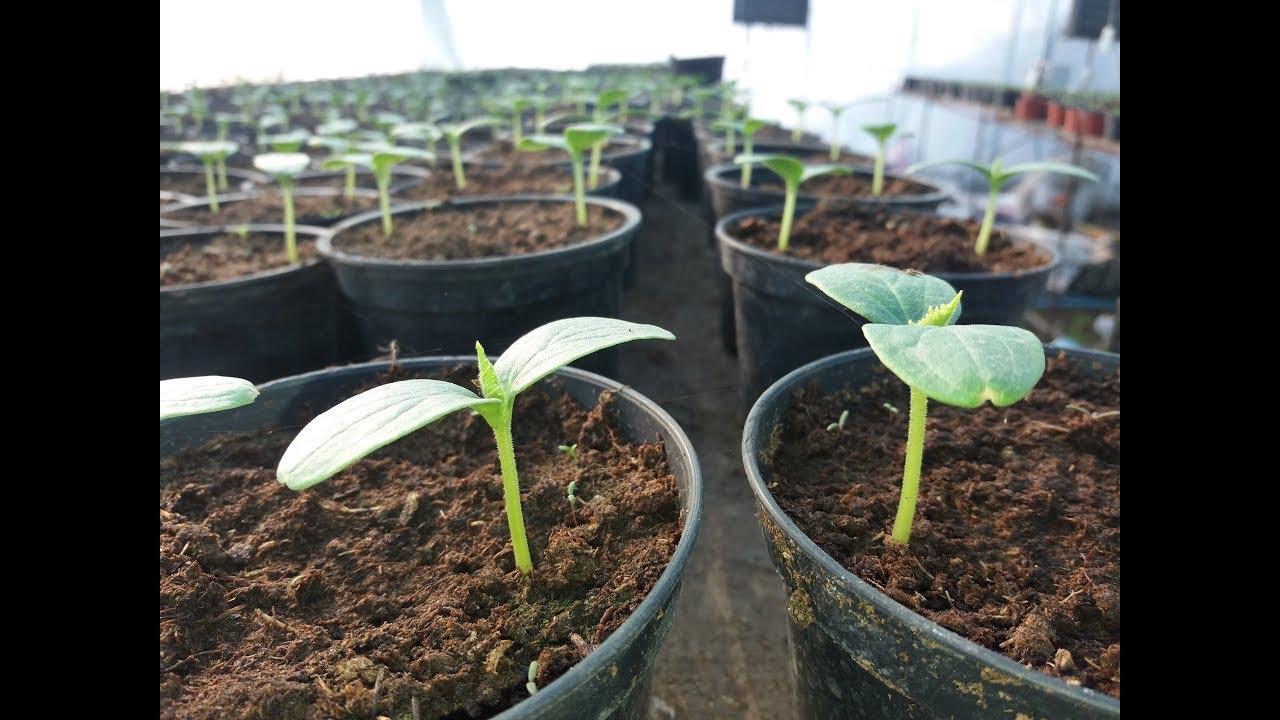
Before planting, treat the soil with colloidal sulfur (40 g of the solution is diluted in a bucket of water) and water the area. Instead of sulfur, sometimes a 1% Bordeaux mixture solution is used: dissolve 100 g of the solution in a bucket of water. After watering, sprinkle the soil with sand. Before planting, carefully inspect the seedlings and discard any weak or unhealthy-looking plants. Diseased seeds can also become a source of rot. They are also disinfected by placing them in a weak solution of potassium permanganate.
If blackleg has destroyed all your seedlings, you need to disinfect the containers (boxes, containers, pots) before sowing new seeds. A solution of potassium permanganate works well for this. Pour it over the containers and then dry them.
Only in this way, by observing all preventive measures and creating the necessary conditions, can you grow healthy cucumber seedlings and enjoy the harvest.
Resistant varieties
Breeding efforts have resulted in cucumber varieties that are relatively resistant to rot. These are called hybrids, designated by the letter F on the packaging. Breeders claim that hybrids are more resilient to many diseases. For example, the Nezhinsky cucumber was developed for cultivation in areas with risky farming. It easily tolerates low light, cold temperatures, and various rot diseases.
Take a look Also

The varieties Aprelskiy, Delikatesny, Rodnichok, Mechta dachnika, Sem' gnomov and many others with the F1 designation have proven themselves to be viable cucumbers, hardened to many crop diseases, undemanding to soil and growing conditions.
There's perhaps only one drawback to hybrid cucumbers: the inability to harvest seeds yourself, which some gardeners find undesirable. Hybrids are also more expensive. However, they are resistant to blackleg and other diseases.
Related posts:
 How to combat blackleg on cabbage and what to do for treatment
 What to do with black leg on peppers, how to combat it with medications and folk remedies
 What to do if tomato seedlings have blackleg: control measures and treatment
 How to combat blackleg on potatoes with chemicals and biological agents
 Planting times and care guidelines for black radish in open ground
 20 Best Blackcurrant Winter Preserves Recipes
 Description of black carrot varieties and what kind of crop it is, cultivation features
 The health benefits and contraindications of black currants