
- Botanical characteristics of scorzonera
- General description
- Places of growth
- Compound
- Taste qualities
- Medicinal properties
- Culinary uses
- Traditional medicine
- Black carrot juice
- Decoction of leaves
- Root decoction
- Infusion of roots
- Contraindications
- Varieties
- Sunny premiere
- Volcano
- Medicinal
- An overseas delicacy
- Gypsy
- Black Lisa
- Russian giant
- Spanish Black
- Black Knight
- Purple Dragon
- Puso Asita
- Growing conditions
- Planting a crop
- Ripening time
- Productivity
- Soil preparation
- Sowing scheme
- Ribbon
- In rows
- Plant care
- Watering
- Loosening
- Mulching
- Weeding
- Fertilizers
- Good neighbors
- Predecessors
- Main problems
- Overwatering of the soil
- Lack of moisture
- Excessive thickening
- Insect pests
- Slugs
- Mole crickets
- Nematodes
- Moth
- Diseases
- Different types of rot
- Bacteriosis
- Cercospora leaf spot
- Harvesting and storage
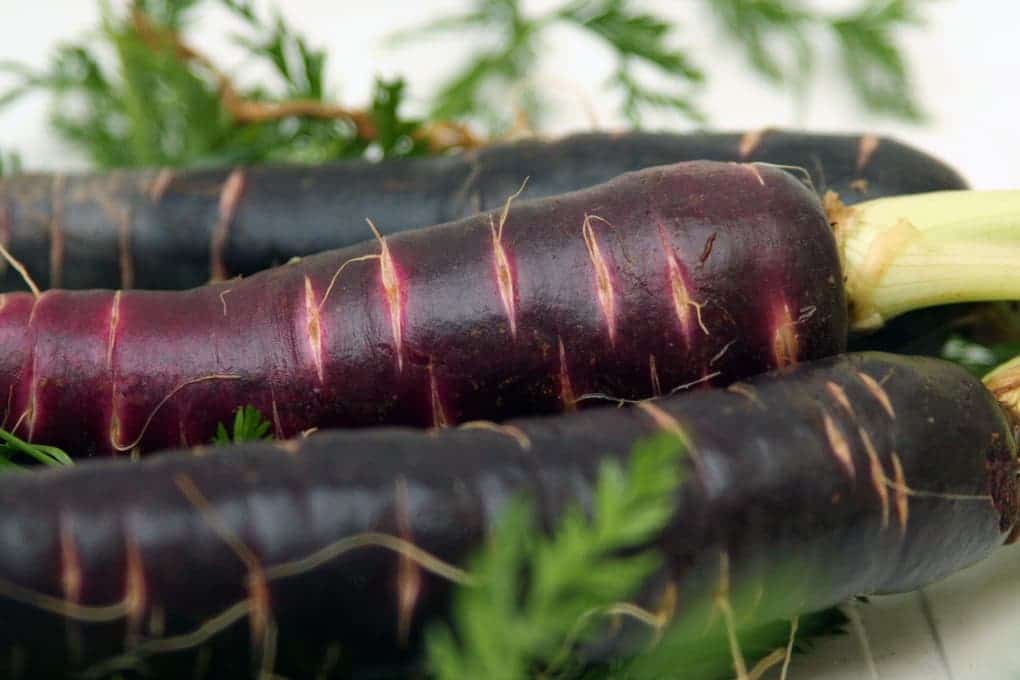
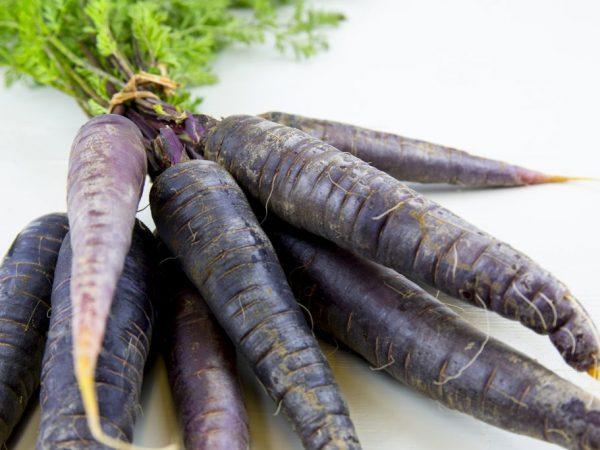
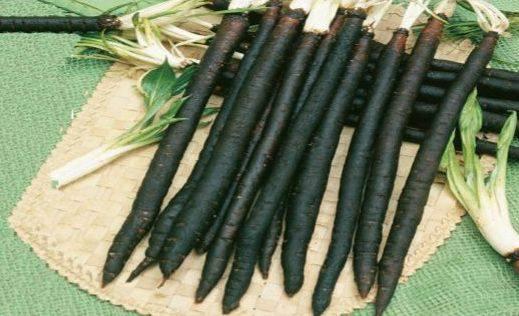
Scorzonera, due to the dark color of its edible roots, is called "black sweet carrot." This plant is indeed high in sugar. It resembles a carrot in appearance. Scorzonera is low in calories (only 17 kilocalories), but rich in nutrients. It is used to treat a variety of ailments and in cooking (as a vegetable delicacy).
Botanical characteristics of scorzonera
This annual or biennial plant is usually grown for its dark-colored roots and lush rosette of green, elongated leaves. For its sweet and delicate flavor, the Romans dubbed it licorice. Other names for this plant include black carrot, salsify, and winter asparagus.
General description
Scorzonera: what is it? A biennial plant from the Asteraceae family. During the first season, a long root and a lush rosette of oblong leaves grow. The following season, slender flower stalks and seeds appear. The flowers are large, yellowish, pleasantly scented with vanilla, reminiscent of dandelions. The flowers are gathered in inflorescences. The branched stem can reach a height of one meter. The basal leaves are greenish, lanceolate or pinnately dissected.
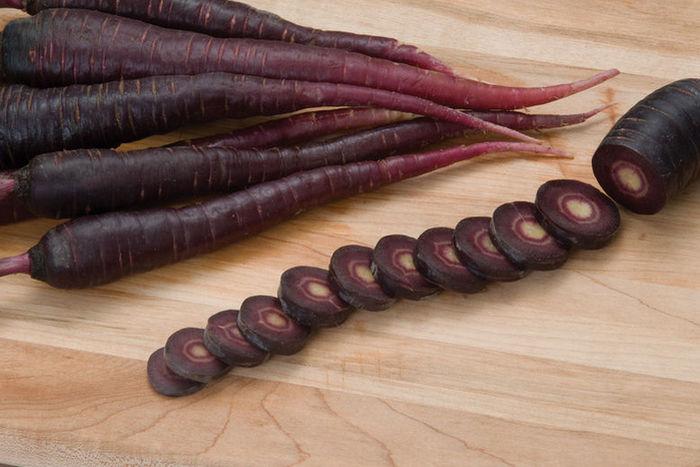
The root is taproot, 33-40 centimeters long. The long, thick root is covered with a dark, rough skin on top. Inside is light-colored flesh, rich in milky juice. The diameter of one such root is 2.15-4.0 centimeters, weighing 62-70 grams.
The growing season in the first year is 120-140 days. The plant is winter-hardy and survives the winter well if covered with dry foliage before overwintering. The following season, the crop develops within 120 days.
Places of growth
The dark scorzonera is considered native to southern Europe and Asia. Wild forms of this plant, of which there are approximately 150 species, grow in sandy, limestone, and rocky soils in southern countries. In Western Europe, scorzonera was only cultivated in the 17th century. The ancient Greeks were the first to note the plant's medicinal properties.
In Russia, this plant is a rare guest in gardens. However, in Crimea, the sweet scorzonera is known and loved, and various dishes are prepared with it. It is also cultivated in America.
Compound
Scorzonera is a highly valuable crop. It is rich in potassium, calcium, and phosphorus, as well as various vitamins. It is also rich in carbohydrates and proteins. Scorzonera roots contain inulin (almost 10%), a natural polysaccharide. This substance improves digestive function and cleanses the body of toxins and bad cholesterol. Inulin gives the roots a rich, creamy flavor and makes a good substitute for natural coffee.
Taste qualities
This carrot is rarely eaten raw. It tastes like a cabbage stalk or a young walnut. Boiled or fried, scorzonera is a completely different matter. It's a delicate, exquisite delicacy. When cooked, the root tastes similar to boiled asparagus. Perhaps this is why the plant is called winter asparagus. However, the flavor of scorzonera improves if it's left in the garden until the first frost.
Medicinal properties
In the Middle Ages, scorzonera was used to treat the plague and as an antidote for snake bites. It is beneficial for excess weight, rheumatism, vitamin deficiency, diabetes, anemia, and atherosclerosis. Consuming the root vegetable significantly improves metabolism and normalizes stomach and heart function.

Culinary uses
In ancient times, sweet scorzonera was grown exclusively for medicinal purposes. Today, the roots are prepared like regular asparagus or cauliflower. Sweet scorzonera is added to drinks and ice cream. Before eating, the root must be peeled and immediately placed in cold acidified water (to prevent it from darkening).
The root vegetables are fried in butter, added to soups, omelets, baked goods, and even delicate soufflés. Dishes prepared with scorzonera have a pleasant vanilla aroma.
A coffee substitute is made from the dried roots. Young scorzonera leaves and the sweet root vegetables can be added to summer salads. However, before eating, the roots are soaked for two hours in cold, salted liquid to stop the milky juice from leaking out. Peeled roots can be preserved (like asparagus). Scorzonera is added to cucumbers and zucchini during pickling to give them a crispier flavor.
Take a look Also

Traditional medicine
Thanks to its rich nutritional composition, sweet scorzonera is used for the prevention and treatment of various ailments. Healing drinks are made from the roots and leaves. Its medicinal properties are similar to those of ginseng.
Black carrot juice
The milky juice and grated pulp of the roots are used to treat purulent wounds. Compresses with fresh juice are even helpful for periodontal disease. Scorzonera helps remove gallstones and kidney stones. To do this, mix the juice with honey in equal proportions and drink one tablespoon before each meal for several weeks. To prepare the juice, peel the roots, chop them, and squeeze the liquid from the resulting pulp.

Decoction of leaves
To prepare a decoction, take 20 grams of crushed leaves and a glass of water. Boil the herbs for 15 minutes, then let steep for another 32 minutes. Strain before drinking. The decoction is useful for colds, skin conditions, gout, and wounds.
Root decoction
It's useful for bronchitis and liver treatment. Add one tablespoon of crushed root to one cup of boiling water. Boil the roots for ten minutes, then let steep for 30 minutes. Take one tablespoon three times daily.
Infusion of roots
An excellent remedy for improving the body's health, treating the liver and gallbladder, and increasing potency. Place two tablespoons of crushed root in a thermos and add two cups of boiling water. Let it steep for 24 hours and take before meals.

Contraindications
Scorzonera has no contraindications. On the contrary, it is used for poisoning and toxicosis. The plant's juice cleanses the body of radionuclides and helps with alcohol addiction. However, it can have a laxative effect.
Varieties
This plant, rare among Russian gardeners, has several varieties. They differ primarily in their ripening time.
Sunny premiere
An early, popular variety. Ripens in 100 days. It has long, ovoid leaves. The roots reach 28-30 centimeters in length. Each root weighs 63-80 grams.

Volcano
A mid-season crop. Ripens in 110-120 days. It has oblong greenish leaves and long roots with dark skin. Inside the root is tender white flesh. Each one weighs 65-80 grams.
Medicinal
Ripens in 120 days. The rosette of leaves is slightly raised. The leaves are greenish and oblong. The root is long (30-35 centimeters), has tender flesh, and weighs 62-80 grams each.
An overseas delicacy
A mid-season crop. The roots are elongated, growing up to 40 centimeters. Each root weighs 105-155 grams. The flesh is tender and sweet.
Gypsy
A mid-season crop with rough leaves and oblong roots. The roots are 33 centimeters long. The flavor is sweet and slightly astringent.
Black Lisa
A mid-season variety bred by German breeders. It produces small but delicious roots. It is grown as a dietary supplement for diabetics.
Russian giant
A late-ripening variety with oblong, lanceolate leaves and a large, dark-brown root. Used in dietary nutrition.

Spanish Black
A heat-loving crop, it's best grown in a polycarbonate greenhouse. It has medium-length roots with tender, sweet flesh.
Black Knight
An exotic and heat-loving plant. As it grows, it forms a lush rosette of leaves and roots (up to 33 centimeters long).
Purple Dragon
A mid-season crop. It produces medium-sized roots with dark skin and greenish-purple leaves.

Puso Asita
A mid-season, heat-loving crop. Popular in southern countries. It produces medium-sized roots with sweet flesh.
Growing conditions
Scorzonera prefers fertile, loamy or sandy loam soil with moderate moisture and neutral tones. It requires deep soil loosening. It does not tolerate fresh manure. Excess organic matter affects the shape of the roots, causing them to branch.
Planting a crop
Sow scorzonera directly into the garden bed in spring, late April, early summer, or August—before winter. For spring planting, use soaked or slightly sprouted seeds. The seeds can be pre-treated with a weak solution of potassium permanganate.

Sow scorzonera seeds as soon as the soil warms and dries. They germinate at temperatures of 5-6 degrees Celsius (41-43 degrees Fahrenheit). Until the shoots emerge, the scorzonera seeds are covered with plastic film on wire arches. When sown in spring, the seeds germinate in 8-15 days. It's important not to delay sowing. The earlier the seeds are sown, the larger the roots will grow. Summer sowing produces small roots, so they are often left in the ground until the following spring.
To obtain planting material, scorzonera is sown in early August. The plants will have time to take root before autumn. Before wintering, they are covered with dry leaves or straw. Large root crops form in the second year, and the seeds can be harvested in late summer. The seeds have a shelf life of no more than two years.
Ripening time
Black salsify can be harvested for consumption in the summer and stored from early October. The roots are usually dug up after the first frost. The ripening period is 120-140 days.
Take a look Also


Productivity
Each root weighs approximately 60-100 grams. A one-meter-long row can yield 1-2 kilograms of scorzonera.
Soil preparation
Before planting, dig and loosen the soil to a depth of 35 centimeters. The soil should be loose and light, otherwise the roots will grow crooked. You can add a little peat or sand to the garden soil. For spring sowing, fertilize the soil with manure in the fall (0.5 buckets of humus per square meter of plot). A few days before planting, add a small amount of wood ash (310 grams), superphosphate, and potassium nitrate (40 grams each per square meter). The plant does not like lime.
Sowing scheme
Scorzonera can be sown in various ways: in rows or strips. Shallow furrows are made in the soil. In spring, the seeds are buried 1-2 centimeters deep, and in autumn, they are planted 3 centimeters deep. With either method, a 60-centimeter gap is left every 2-4 rows.

Ribbon
With the tape method, scorzonera seeds are sown in long strips. Each strip can contain 2-4 rows. Leave 10 centimeters between adjacent plants in the same row. The distance between strips is 50 centimeters.
In rows
Black carrots are sown in narrow or wide rows. When planting in narrow rows, leave 10-15 centimeters between adjacent plants. The distance between rows is 20 centimeters. When planting in wide rows, the beds are more open. The distance between rows is 30-40 centimeters.

Plant care
When the scorzonera seedlings have 2-3 leaves, thin the rows, leaving 5 centimeters between adjacent seedlings. When the scorzonera seedlings have grown a little, thin the rows again, leaving 10-15 centimeters between adjacent crops.
Watering
Throughout the summer, scorzonera is watered regularly. The crop requires generous watering immediately after germination. Five liters of water are used per one-meter bed. The plants are watered twice a week. In the summer, when the roots are developing and growing, the crop is watered only during dry periods.

Loosening
The soil in the garden bed is loosened after rain or watering. Plants are hilled twice a season, raking a little soil from the garden bed onto the roots. This loosening process removes the soil crust and allows the roots to breathe.
Mulching
Moisture will be reduced by mulching the soil around the scorzonera. Well-rotted sawdust or straw can be used as mulch. This method has another advantage: weeds will be unable to grow under a thick layer of mulch.
Weeding
As the carrots grow, the bed requires regular maintenance. It's important to constantly remove weeds growing near the black carrots. Weeds rob the carrots of nutrients and moisture.

Fertilizers
The scorzonera beds are fertilized two or three times per season. A complex fertilizer (Kemira Universal) is added to the soil. Prepare a solution: dissolve 1 tablespoon of the nutrient mixture in 10 liters of water. Water the bed with the solution. Alternatively, you can use 10 grams of ammonium nitrate, 20 grams each of superphosphate, and potassium salt. Dissolve the dry ingredients in 10 liters of water, and water the area with the solution.
Good neighbors
Onions, garlic, and tomatoes can be planted near the scorzonera bed. The scent of these plants repels certain insect pests. To attract beneficial bugs, you can sow dill, mint, marigolds, or calendula near the bed.

Predecessors
Scorzonera is planted in a garden bed after onions, potatoes, cucumbers, and pumpkins. It can grow in the same spot for 3-4 years. It is not recommended to plant scorzonera after carrots, tomatoes, celery, or cabbage, as these plants share common diseases and pests.
Take a look Also
Main problems
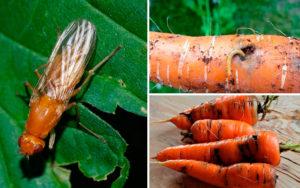
During the growing process, you may encounter various problems: plants may grow poorly or wilt. Leaves may turn yellow, dry out, or become spotted. First, you need to determine the cause of the problem and only then identify ways to correct it. Usually, black carrots are sick or growing poorly if agricultural cultivation rules are not followed.

Overwatering of the soil
If the soil is overwatered, all the beneficial nutrients will be washed away. Roots will rot in waterlogged soil. Excessive moisture will encourage fungal or bacterial infections. Diseased plants will wilt, droop, and turn yellow.
Lack of moisture
If the soil isn't watered, the crop will begin to dry out. Salt crystals can't penetrate the plant. Black carrots will be deprived of nutrients. The roots will grow shallow. Moderate and timely watering will ensure normal root development.
Excessive thickening
Scorzonera does not tolerate shade or overly dense plantings. It is advisable to thin the bed, otherwise the roots will grow small. The optimal distance between adjacent crops is 10 centimeters.

Insect pests
Sweet-tasting root vegetables can be spoiled by crawling, soil-dwelling, and flying insects.
Slugs
Crawling insects. Coniferous mulch helps repel slugs. The soil around the scorzonera can be watered with vinegar, sprinkled with mustard powder, and ash.
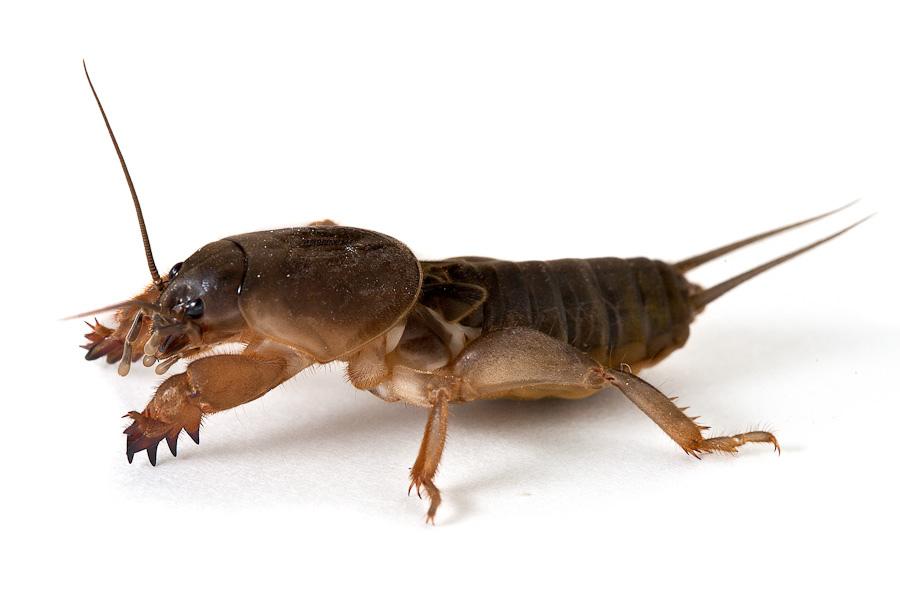
Mole crickets
Soil-dwelling insects. Insecticides (Aktara, Confidor) or garlic tincture can be used to control them. Insecticide solutions are applied to the soil near the plants.
Nematodes
These are small worms that live in the soil. They feed on root vegetables, burrowing into them. Solutions containing mercaptofos, lindane, and phosphamide are used to kill these insects.
Moth
A butterfly-like insect that lays eggs on leaves, from which caterpillars emerge. They feed on the leaves of black carrots.
To control insects, spraying with insecticides and dusting with wood ash is used.
Diseases
Due to a lack of nutrients in the soil or rainy weather, plants may become weakened and diseased. Roots and leaves become susceptible to fungal and bacterial infections.
Different types of rot
Root crops are primarily affected during storage. Rotten dark or grayish spots consisting of fungal mycelium appear on the roots. Fungicides (Fitosporin) are used to combat the rot.
Bacteriosis
An infection that causes softening of root crops. It rarely affects roots in the soil and most often occurs during storage. To prevent this, spray plants with a potassium permanganate solution and add sufficient potassium and phosphorus to the soil.
Cercospora leaf spot
Numerous light or brown spots are visible on the leaves. Preventative treatments with potassium permanganate solution, colloidal sulfur, or fungicides (Fitosporin, Quadris) can prevent the fungal disease.

Harvesting and storage
Scorzonera is harvested in late autumn, just before the onset of cold weather. The roots are dug up as carefully as possible, using a pitchfork. It's important not to damage the long, fragile root, otherwise the milky sap will leak out. Damaged roots become fibrous, don't store well, and rot.
Before storage, trim the tops 4 centimeters from the roots. The scorzonera is cleaned of soil, dried, and stored in a dry, dark cellar at a temperature of 0-5 degrees Celsius. The roots are placed in wooden containers and sprinkled with sand.
You can leave the scorzonera in the garden bed all winter without digging it up. If necessary, you can dig up a few roots. However, it's a good idea to cover the plants with dry leaves or straw before wintering. Fresh roots dug up in early spring will protect against vitamin deficiency. If the entire crop is harvested, a few plants are usually left for seed production.
Related posts:
 Description and properties of the 50 best varieties of asparagus beans, benefits and harms
 Description of the best varieties of bee-pollinated cucumbers, rules for their formation and care
 Description and characteristics of 35 best beet varieties, planting and care rules
 Description of the best pepper varieties for greenhouses and open ground in 2025
 Carrot care guidelines for outdoor cultivation to ensure a good harvest
 Description and characteristics of the best varieties of sweet corn, cultivation technology
 The best eggplant varieties for growing in a polycarbonate greenhouse: planting and care
 The best grape varieties for growing in the Urals, planting and care rules in summer