
- General description of beets
- Classification of varieties by ripening time
- Early varieties
- Libero
- Vinaigrette marmalade
- Cold-resistant 19
- Pablo
- Bordeaux 237
- Kestrel F1
- Mid-season varieties
- Detroit
- Borscht
- Incomparable A 463
- Boro F1
- Late varieties
- Cylinder
- Renova
- Single-sprout
- Egyptian flat
- Varieties suitable for different regions of Russia
- Varieties for the Moscow region
- Red ball
- Vodan F1
- Eclipse variety
- Ataman variety
- Varieties for the Urals
- Bikores
- Variety Valenta
- Bon-Bon F1
- Varieties for Siberia
- Siberian Flat
- Podzimnyaya
- Red Ice variety
- Red Bogatyr
- Mashenka
- The best dark varieties without light rings
- Bordeaux 237
- Modana
- Bohemia
- Delicatessen
- Opolskaya
- Cold-resistant 19
- Matrona Sedek
- Citadella
- Which variety should you choose?
- How to grow tasty beets?
- How to get seeds of the crop?
Which varieties of table beets are best to plant in your garden? These red, sweet-tasting root vegetables vary in ripening time and appearance. Some varieties have flesh that is uniform in texture, more tender, and lacks fibrous, light-colored circles. When choosing seed, consider the weather conditions in your region. Late-ripening beets are best avoided in cold climates.
General description of beets
Red beet, or table beet, is a biennial crop from the Amaranthaceae family. In the first year, a large root and a rosette of basal leaves grow from the seed. In the second season, a flower stalk with spikes appears.
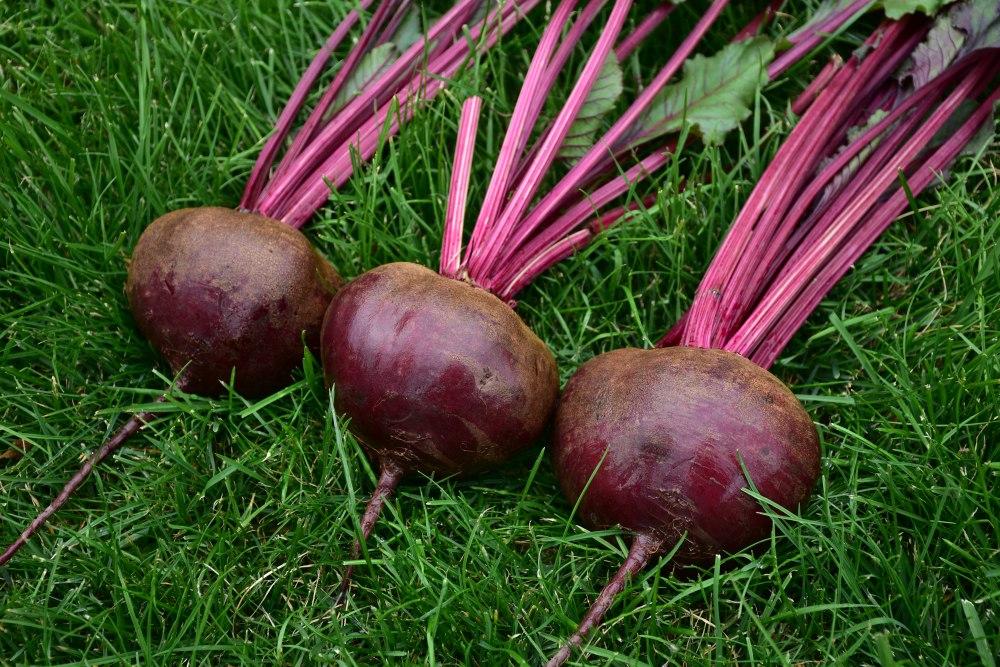
The root vegetable can be round, cylindrical, conical, flat, or oval. Each vegetable weighs 0.1-0.6 kilograms. The flesh, depending on the variety and the coloring substance (anthocyanin) content, can be dark red, burgundy, or purple-red. The root itself grows in concentric circles, leaving light rings within the vegetable. The fewer rings and the more intense the color, the better the variety.
The basal leaves are long-petioled, large, dark green, with crimson veins, smooth, spatulate, and wavy-edged. The erect and branched peduncle grows up to 1 meter in height. Small, lanceolate, and almost sessile leaves grow alternately from it. From the axils of the upper leaves emerge inflorescences consisting of small, bisexual, greenish flowers. After pollination, these flowers are replaced by fruits—one-seeded cherries.
Flowering begins 55-65 days after planting the mother roots and continues for 30 days. After pollination, the pericarps of adjacent flowers fuse to form a ball-shaped infructescence consisting of 2-6 single-seeded fruits. These balls serve as the seedlings. When they germinate, they produce multiple shoots that interfere with each other and require thinning. New varieties have been developed that germinate with one or two shoots.
Classification of varieties by ripening time
Beetroot varieties differ in ripening time, shape and color, taste characteristics, and the degree of expression of light rings.
Early varieties
Early-ripening varieties ripen 50-80 days after germination. Root crops are harvested in July-August.
Libero
An early-ripening variety (80 days). The fruits are round, dark cherry-colored, with faint circles inside. They weigh 120-225 grams. Yields 4.45 kilograms per square meter.
Vinaigrette marmalade
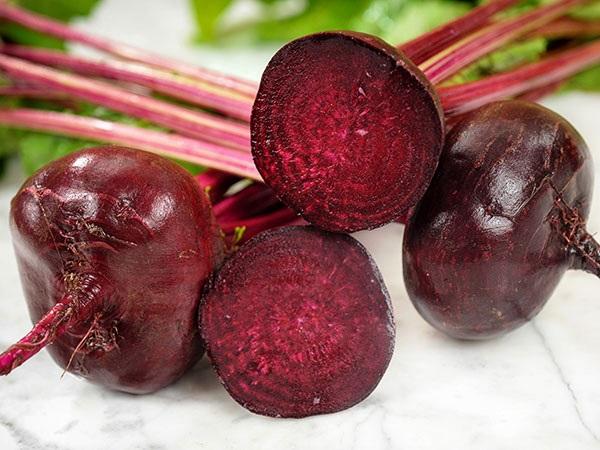
An early variety of table (vegetable) beet with round, dark cherry-colored fruits. They weigh 234-510 grams. The roots can be stored throughout the winter without losing their flavor or marketability.
Cold-resistant 19
An early-maturing crop with flattened, round, dark garnet-colored roots. They weigh 155-235 grams. Seeds can be sown in spring or late winter.
Pablo
Beetroots are spherical, sweet-tasting, and weigh 196-384 grams. They have no light-colored spots inside. The flesh is a rich cherry color.
Bordeaux 237
The roots are medium-sized and beautifully spherical. The flesh is a rich garnet color, without any lighter rings. The flavor is slightly sweet. The harvested crop can be stored for almost six months. It is resistant to fungi and is suitable for winter planting.
Kestrel F1
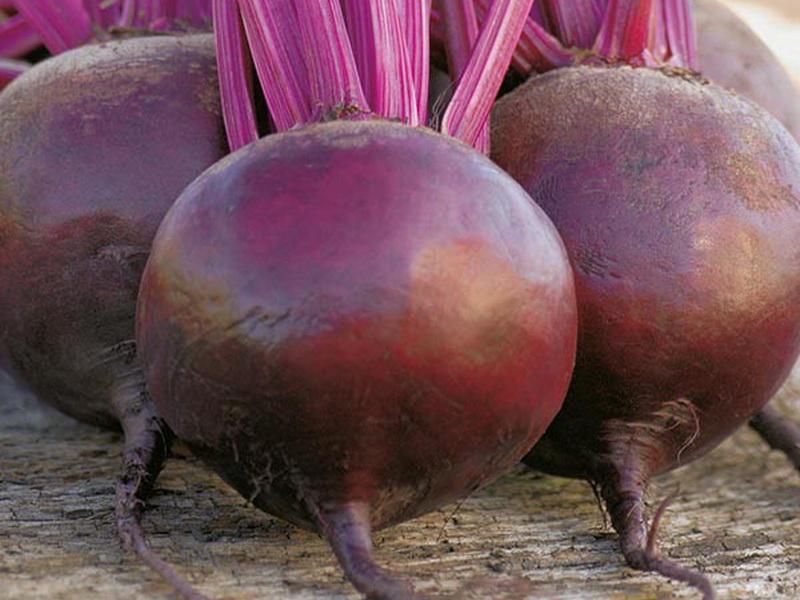
A variety developed by European breeders. The fruits are spherical and deep burgundy in color. They weigh 205-405 grams.
Mid-season varieties
Mid-season varieties of table (vegetable) beets mature in 80-100 days. Beet roots are harvested in mid- to late August.
Detroit
A dark red, round vegetable without light circles inside. Weight: 150-210 grams. During its active growth period, the crop requires watering. Yield: 4 kilograms per square meter.
Borscht
The vegetable is perfectly spherical and purple-burgundy in color. It weighs 225-490 grams. This variety of table beet (vegetable beet) can be grown in all soils. It yields 9.1 kilograms per square meter.
Incomparable A 463
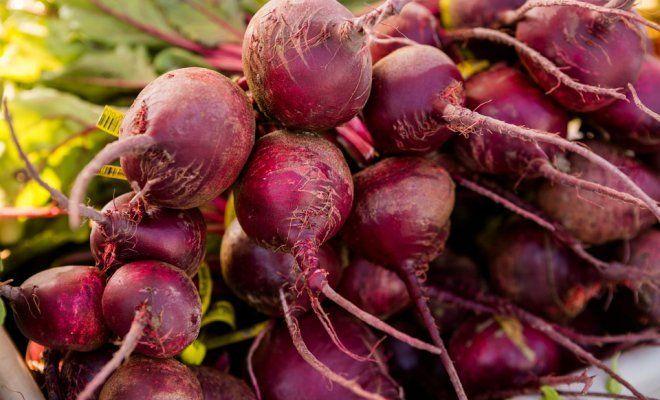
The vegetables are flat-round and cherry-colored. The roots lack light-colored rings. A square meter of plot yields 8 kilograms of fruit.
Boro F1
A Dutch hybrid. The spherical fruits are 8-10 centimeters in diameter and weigh 115-212 grams. The flesh is a rich cherry color, without any lighter spots.
Late varieties
Late-ripening varieties of table (vegetable) beets mature only in 100-130 days. The roots are harvested in September. However, late-ripening table beets can be stored until the following spring.
Cylinder
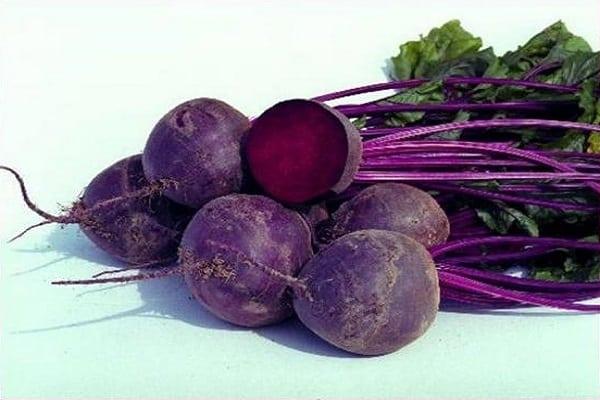
The burgundy-colored roots are cylindrical in shape, each 25-35 centimeters long. The fruits are juicy, sweet, odorless, and have no light-colored circles inside.
Renova
The vegetables are cylindrical and reddish-purple in color. The roots are sweet and juicy, with no beetroot odor. They weigh 250-390 grams.
Single-sprout
A low-thinning crop. The fruits are round and deep burgundy in color. They weigh 445-556 grams.

Egyptian flat
A flat, purple-burgundy beetroot. Each beetroot weighs 305-505 grams. The fruit has narrow, radial circles. This sweet and juicy table (vegetable) beetroot can be stored for about 6 months.
Varieties suitable for different regions of Russia
Russia's territory is located in various climatic zones. Weather- and fungal-resistant varieties have been developed for each region. diseases of table beet varietiesIt's best to buy domestically bred seeds; such planting material is naturally adapted to the Russian climate.
Varieties for the Moscow region
The Moscow region enjoys long, warm summers with frequent rainfall. Any variety of beetroot can be grown in this region.
Red ball
An early-ripening, dietary variety of table (vegetable) beet. The root is spherical and deep red. It weighs 165-255 grams. A square meter of garden yields 3.45-6 kilograms of vegetables.
Vodan F1
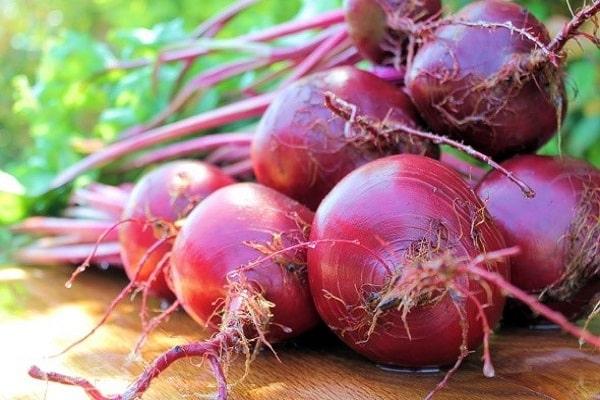
An early-ripening hybrid. The fruits are round, with a thin, long stem, smooth, and dark cherry-colored, without any lighter spots. They weigh 230-450 grams.
Eclipse variety
A mid-season variety with oval-cylindrical, purple-garnet-colored fruits. Weight: 350 grams.
Ataman variety
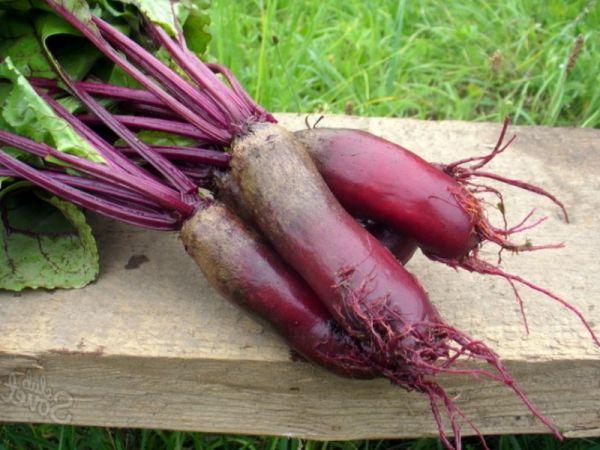
A mid-late variety of table (vegetable) beet, maturing in 120 days. The beets are cylindrical in shape and richly burgundy in color. There are no light circles inside. They weigh 210-305 grams.
Varieties for the Urals
In the Ural region, it is recommended to plant early-ripening or mid-season varieties. The yield of vegetable beets in the Urals is 4-7 kilograms per square meter.
Bikores
A mid-season variety of table (vegetable) beet. The roots are round, smooth, and dark garnet-colored. They weigh 215-350 grams. There are no light circles inside. A 1-square-meter plot yields 6 kilograms of fruit.
Variety Valenta
A mid-season, single-stemmed variety. The fruits are oval-round, dark cherry-colored, weighing 305 grams.
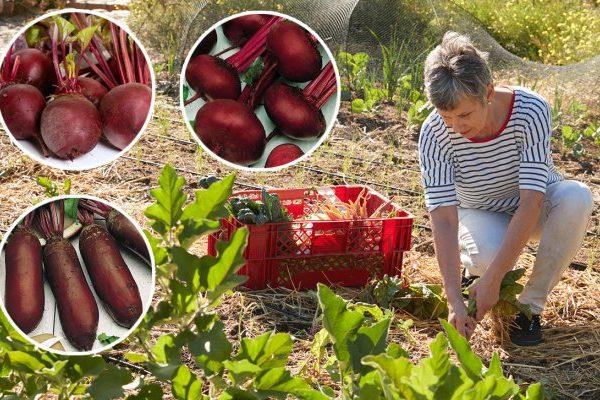
Bon-Bon F1
A medium-ripening variety of table beet. The beets are round, thin-skinned, burgundy-purple in color, and lack lighter rings. This crop tolerates cool weather and sudden temperature fluctuations well.
Varieties for Siberia
Breeders have developed special varieties of beetroot for the Siberian region that ripen in the short but warm summers. However, vegetable growers are advised to avoid late-ripening varieties, as these beets will not ripen in Siberian conditions.
Take a look Also
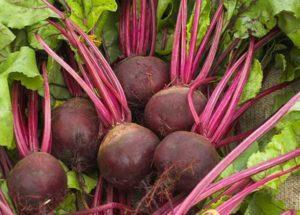
Siberian Flat
A mid-early variety of table (vegetable) beet, maturing in 96 days. The fruits are flat and burgundy-purple. They weigh 205-410 grams. This is a cold- and disease-resistant crop.
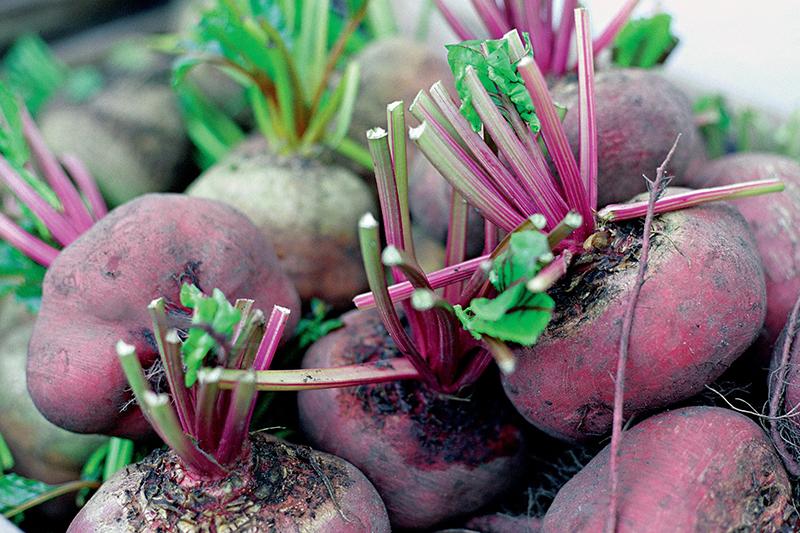
Podzimnyaya
A mid-season variety. Suitable for winter sowing. The fruits are round and burgundy. They weigh 205-385 grams.
Red Ice variety
A mid-season crop. The fruits are round and deep red. They weigh 205-305 grams. 5.45 kilograms are harvested per square meter.
Red Bogatyr
The beets are cylindrical in shape with dark garnet flesh. There are no light rings inside. They weigh 250-500 grams. A square meter of plot yields almost 9 kilograms of root vegetables.

Mashenka
A mid-season variety with purple-red, cylindrical fruits. There are no light circles inside. Weight: 315-590 grams.
The best dark varieties without light rings
Breeders have developed varieties of table beets that lack the light rings inside. These vegetables have a more intense color and delicately sweet flesh. Because the white rings make beets more fibrous and tough.
Bordeaux 237
A mid-season crop with dark garnet flesh. The spherical roots store well after harvest until spring.
Modana
An early variety of red beetroot with neat, round, dark garnet-colored fruits without any light rings inside. They weigh 135-265 grams. This sweet-tasting beetroot (vegetable beet) has a short shelf life (less than 6 months).
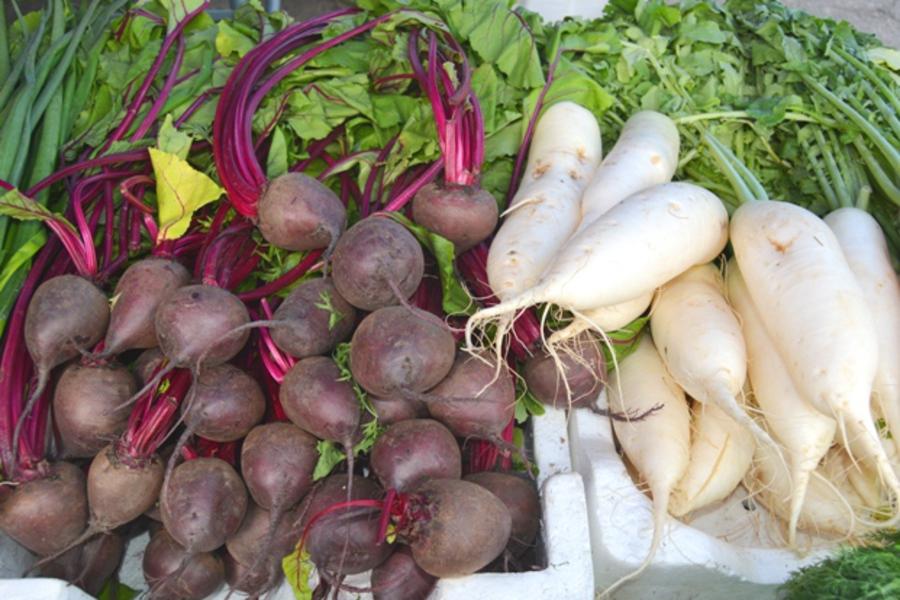
Bohemia
An early-ripening beetroot with rounded fruits. The flesh is juicy, sweet, and dark garnet, with no light rings inside. Weighing 0.35-0.5 kilograms, the beets retain their flavor and appearance during long-term storage.
Delicatessen
A mid-season variety of table (vegetable) beet with small, round, dark cherry-colored roots. There are no radial circles inside. The vegetable has a thin, smooth skin. The flavor is slightly sweet.
Opolskaya
A mid-season vegetable with oblong roots. It's dark burgundy in color and has a slightly sweet flavor. This is a moisture-loving variety of red beetroot.
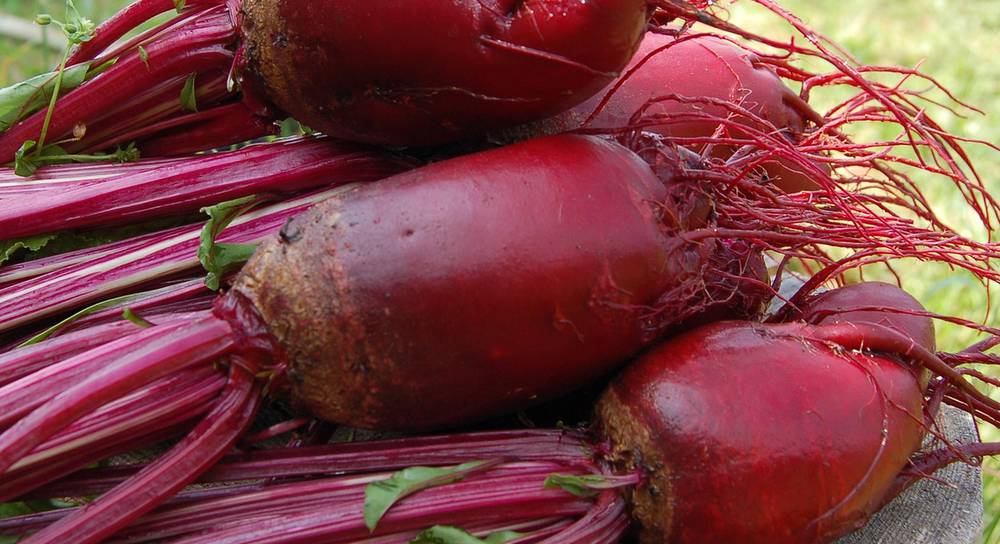
Cold-resistant 19
A mid-season variety of table (vegetable) beet, developed by Belarusian breeders back in 1973. The roots are flat-round with dark garnet flesh. They weigh 146-220 grams.
Matrona Sedek
A mid-late season crop. The fruits are round and dark burgundy, weighing 310 grams. Harvested vegetables are stored for a long time without losing their flavor.
Citadella
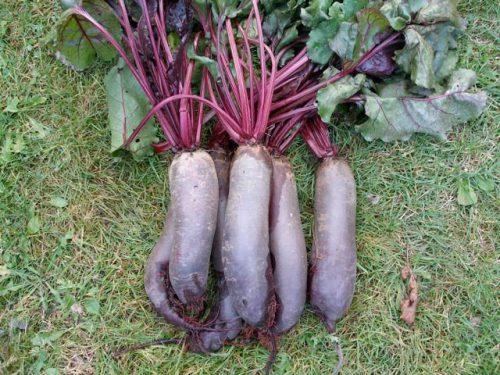
A late-ripening variety with cylindrical, deep burgundy fruits. The diameter of the fruit is 21-26 centimeters. The flesh is free of rings and coarse fibers.
Which variety should you choose?
Red beetroot is used to make traditional borscht, vinaigrette, or herring under a fur coat salad. When choosing a variety, consider its flavor, root color, and the absence of light rings. It's important to choose beetroot varieties adapted to your region. This guarantees a great harvest.
Three varieties of beetroot are the most beloved by vegetable growers: Bordeaux, Egyptian, and Erfurt. Bordeaux is a classic, round-shaped vegetable with a deep burgundy color. It is grown in various regions and has a long shelf life after harvest.
Egyptian beetroot is a flat, round, table (vegetable) beetroot with a rich purple-burgundy color. The flesh has a sweet, delicate flavor. It is grown for summer consumption.
Erfurt beetroot is a cylindrical, dark-red beetroot (vegetable beet). It ripens in the fall. Erfurt varieties retain their shape and flavor well until the next harvest.
Each vegetable grower decides for themselves which variety to plant in their garden. Small root vegetables are edible, so they should be dug up after ripening. Overripe, large fruits are tasteless, bland, and less sweet.
How to grow tasty beets?
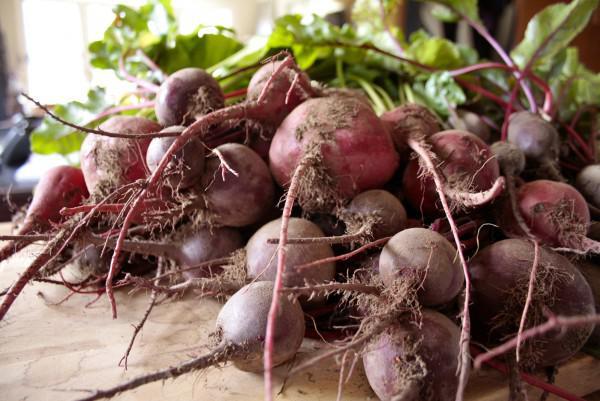
Red beets prefer fertile, neutral soil. A good harvest can be obtained in loose, well-drained, sunny soil. This vegetable can grow in loamy and sandy loam soils. It does not tolerate acidic soils. Beets thrive in soil that has been planted after cucumbers, tomatoes, and potatoes. The soil is prepared in the fall by tilling it and adding well-rotted compost.

Red beet seeds are sown in the spring – in late April or early May. By this time, the soil should have warmed to 8 degrees Celsius.
Before planting, the seed material is soaked in a solution of superphosphate, ash or growth stimulator for 23 hours.
Red beets are a cold-hardy crop and can be sown before winter. For winter planting, seeds are sown in the ground in October (until November). It's best to buy ready-made seed, but you can also grow your own flower stalks.
Sow seeds in rows, burying them 2-4 centimeters deep. Leave 0.30-0.40 meters of open soil between adjacent rows. Seeds are sown 5-8 centimeters apart.
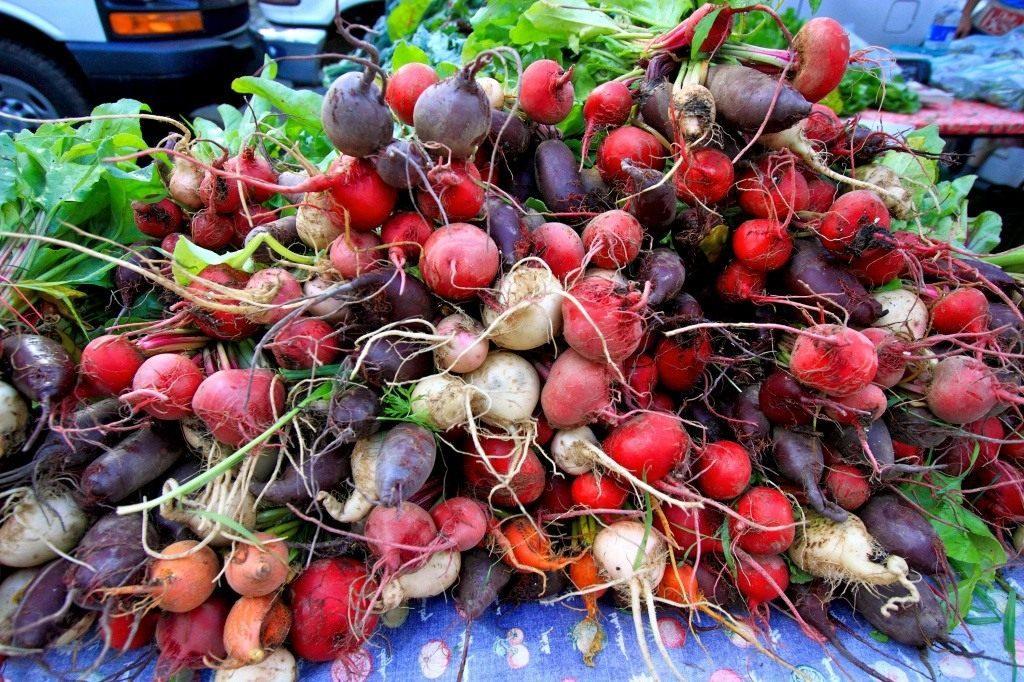
The grown seedlings are thinned, weeded regularly, and weeds are removed from the field. Twice per season, the beet beds are fertilized with organic or mineral potassium and phosphorus fertilizers. The beets are watered 1-2 times per week. Two or three times per season, the beet beds are watered with salt water. Watering is stopped 15 days before harvest.
Beetroot is harvested when the roots have reached the desired size and the lower leaves have yellowed and dried out. The beets are pulled out of the ground with a pitchfork in the morning and the tops are immediately trimmed, leaving 1-centimeter-long petioles at the base. There is no need to trim the stems.
How to get seeds of the crop?
Seeds are usually harvested in the second year. Seeds harvested in the first season are of inferior quality. Beets may produce flower stalks too early due to improper care or recurring frosts.
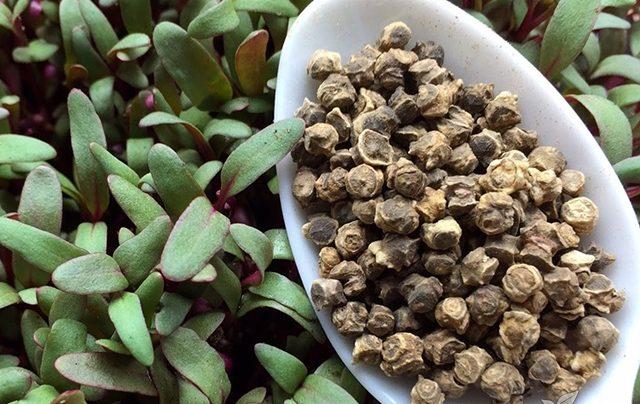
It's not advisable to buy seeds harvested in the first year at the market. The beets will have a low germination rate, and the plant may flower too early, devoting all its energy to the flower stalk rather than the root. However, it's impossible to tell visually when the seeds of table beets were harvested.
You can collect the seed yourself. It's not recommended to collect seeds from table (vegetable) beets growing near fodder beets. Next year, the vegetable grower will have a pink fodder crop.
To obtain seeds in the first year, isolated root crops are completely dug out of the ground, the tops are cut off and they are placed in boxes with damp sand in the basement.
They should be stored in a cool, dark place until spring. In mid-April, when the soil warms up to 8 degrees Celsius, the roots are buried vertically to a depth of 3 centimeters.
Leaves will soon sprout, and a little later, flower stalks. In summer, the beets will bloom, and the garden will smell of honey. The beet stalk, with its spikes and inflorescences, can be tied to a support to prevent it from being broken by the wind. The tops of the flower stalks can be shortened by 2 centimeters, which will speed up flowering.
Beets require regular care in summer, fertilizing with organic or mineral fertilizers after the first leaves appear and before flowering. When the seed pods turn brown and dry out, harvest the seeds. It's best not to wait until the pods are completely dry, as ripe, overly dry seeds can scatter across the field. The harvested seeds are then dried and stored in paper bags until the following spring.
Related posts:
 24 Best Recipes for Preserving Beets for the Winter
 Growing and caring for beets in open ground: step-by-step agricultural technology
 Description of sugar beet varieties, cultivation technology and growing conditions
 Description of black carrot varieties and what kind of crop it is, cultivation features
 Description and properties of the 50 best varieties of asparagus beans, benefits and harms
 The best grape varieties for growing in the Urals, planting and care rules in summer
 What varieties of tomatoes are best to plant in a polycarbonate greenhouse?
 Which tomato varieties are best for open ground?