
Experienced gardeners consider beets a plant that even a novice can grow. However, sometimes, even when grown correctly, spotting can appear on the tops, and the leaves can curl and dry out. To save diseased plants, it's important to research beet diseases and treatments in advance.
Disease Prevention. General Agricultural Practices
Preventative measures can help prevent beet diseases. For this purpose, gardeners use specialized chemicals to treat seedlings. Experienced vegetable growers also employ effective agricultural practices to protect plants, reducing the likelihood of disease.
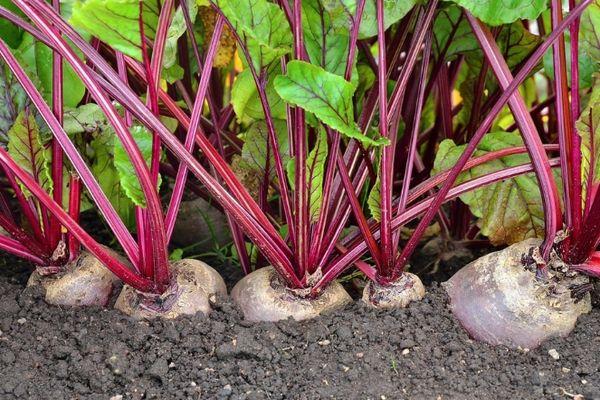
The most common preventive measures include:
- Maintain proper crop rotation. Before planting beets, be sure to familiarize yourself with the list of vegetables that can be grown after them. This will protect beets from common infectious and fungal diseases.
- Autumn soil cultivation. Beets are planted only in pre-dug and prepared soil. Autumn cultivation removes insects and pathogens from the surface of the plot. This also helps eliminate any larvae that were previously left in the upper layers of the soil.
- Plant in fertile, non-acidic soil. To ensure all the necessary conditions for growing beets, it's essential to check the soil's acidity, as disease pathogens often thrive in acidic soils. To reduce acidity, apply lime, flour, or ash to the soil. Also, certain diseases are more likely to develop in nutrient-deficient soils. Therefore, regularly feed the plant with fertilizers containing magnesium and boron.
- Planting only pre-prepared seed material. For further protection of the dining area sugar beet All seeds are treated before planting. Special disinfectants or a potassium permanganate solution are used when treating seeds. Insecticides are also popular among gardeners.
- Adherence to planting timing. Many inexperienced gardeners neglect the timing of beet planting, leading to the emergence and development of dangerous diseases. These often occur if the vegetable is planted too early. In this case, the soil isn't warm enough and is susceptible to infections. Late planting is also dangerous for beets, as it weakens the seedlings and increases their risk of being destroyed by pests.
- Planting in loose soil. Beetroot plants are best grown in loose soil to prevent moisture from stagnating. Heavy soils are not suitable for beets, as they impair oxygen supply and increase the likelihood of seedling death.

Common diseases
Before planting, you need to learn about the specific diseases of sugar beets and understand the folk remedies that can be used to eliminate the symptoms of the disease.
Root eater
Complex beet diseases such as rootworm are very dangerous because they cause multiple types of bacteria and fungi to attack the seedlings simultaneously. The disease manifests itself in conditions of high soil moisture. Sudden temperature fluctuations and night frosts also contribute to its development.

First, the plant's root system is damaged. In the initial stages of the disease, the roots become slightly weakened and darken. Over time, the disease spreads to the upper part of the bush, causing the leaves to turn yellow and wilt. Some plants cope with the rootworm on their own and survive.
However, even after treatment of the disease, the beet bushes and root crops develop worse.
To get rid of rootworm on your own, regularly add sawdust or compost to the soil to loosen it. It's also recommended to reduce the soil's acidity with lime.

To prevent rootworm, all seeds are sprayed with Thiram or Fitosporin before planting.
Cercospora leaf spot
Beet leaf spot is a dangerous disease often encountered by gardeners growing this crop. The pathogens can be found in the seeds or on the leaves as spores. The first signs of the disease appear after prolonged rainfall. Plants often become infected with leaf spot in July.

The infection penetrates the leaf tissue, causing grayish spots to appear on the leaf surface. Over time, these narrow and become small, dark spots that are difficult to notice.
If left untreated, beet leaf spot will disrupt vegetation, weaken the plants, and prevent fruit development. Therefore, it's essential to take immediate action to combat beet leaf spot. To prevent the disease from affecting the plants, treat the seedlings with fungicides in advance. Promptly clearing the area of dried foliage and tilling the soil will also help prevent the disease from developing.
Ramulariasis
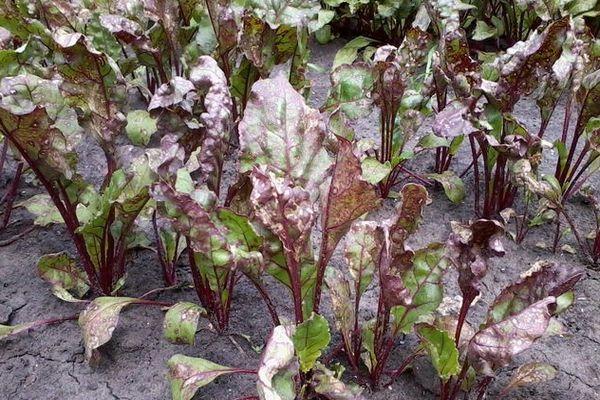
Beet ramularia is often confused with cercospora leaf spot, as these diseases have virtually identical symptoms. However, if you pay attention to the spotting on the leaves, you can discern certain differences. With ramularia, the spots on the leaves are lighter. In the first few days after infection, they turn brown, then gradually lighten. Due to the spotting, the leaves gradually wilt, curl, and fall off completely.

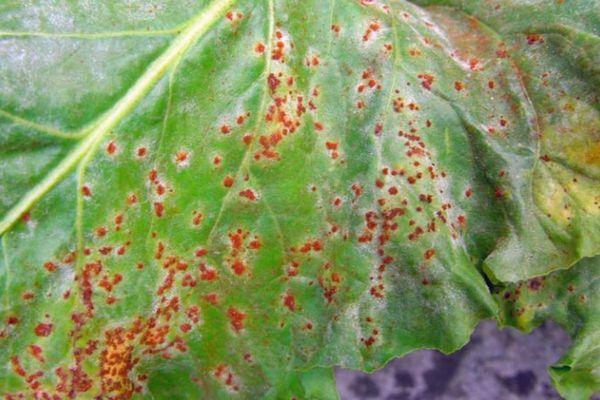
Ramularia pathogens can be found in the plant's seeds and flower stalks. The fungal disease develops slowly, only in high humidity. Low temperatures and poor lighting also contribute to the development of ramularia. This disease is very dangerous, as it significantly reduces crop yields. Therefore, gardeners recommend immediately eliminating signs of ramularia. This can be achieved by treating the bushes with fungicides and other chemicals.
Fomoz
Some vegetable growers ignore beet leaf spot, as it begins to appear late in the ripening process. However, leaf spot shouldn't be underestimated, as it can negatively impact yields.
To identify signs of the disease, pay attention to the leaves of the bushes. Brown spots first appear on them, gradually spreading to the petioles. Left untreated, the foliage can dry out completely. Symptoms of phoma blight persist even after harvest. The disease manifests itself during storage of harvested root vegetables. Dark spots appear on them, gradually covering the entire surface of the fruit.
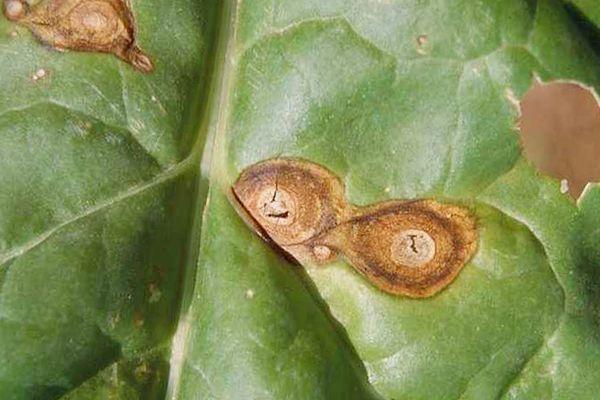
There is no cure that can completely stop the spread of phoma. Therefore, it's important to prevent, not treat, the disease. To achieve this, all beds are treated with mineral fertilizers before planting. Seeds are also pre-treated with a potassium permanganate solution.
Peronosporosis
Beet downy mildew is considered a dangerous disease that frequently affects this plant. Symptoms appear during high humidity or the rainy season. Identifying downy mildew is fairly easy, as it only requires a careful inspection of the leaves. They immediately become covered with yellow spots and begin to curl. A coating containing fungal spores forms on the underside of the leaves.
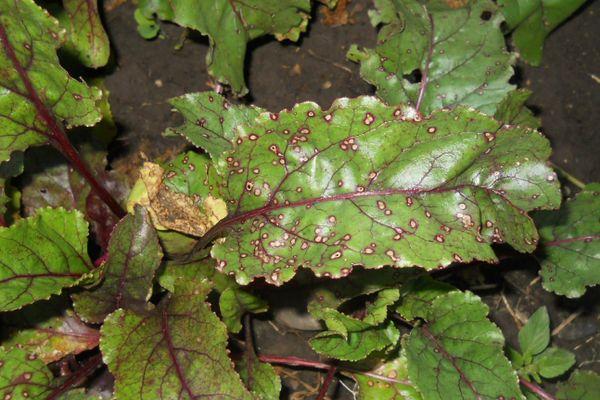
To prevent the development of downy mildew, it is necessary to disinfect the seeds in advance, regularly clear the area of plant debris, and treat the beet bushes with fungicidal preparations.
Cage rot
Among the diseases of table beets, one that stands out is tumble rot, which attacks harvested beetroots. This condition is quite dangerous, as it spoils a large portion of the harvest. Signs of tumble rot appear between September 5th and 10th. The surface of the beetroot becomes covered with green mold, which gradually darkens. The rot causes the beet tissue to decompose and die.
This disease often occurs due to improper vegetable cultivation and nutrient deficiencies in the soil. Therefore, it's important to regularly fertilize the bushes to ensure the seedlings are strong and prevent them from becoming infected with rot.
They fly, crawl, and gnaw.
Chemicals and folk remedies should be used not only to treat beetroot diseases but also to eliminate pests that are killing the seedlings. It's recommended to familiarize yourself with the insects that attack beetroot seedlings in advance.
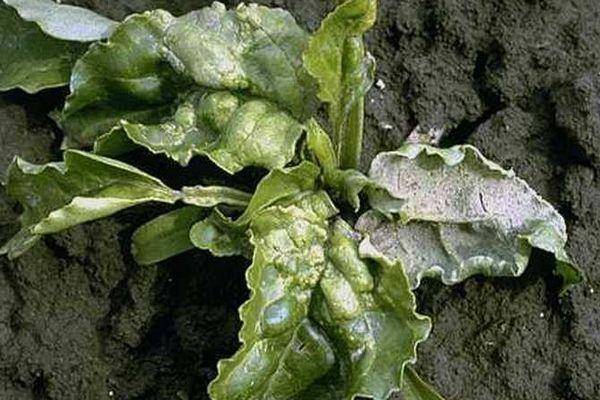
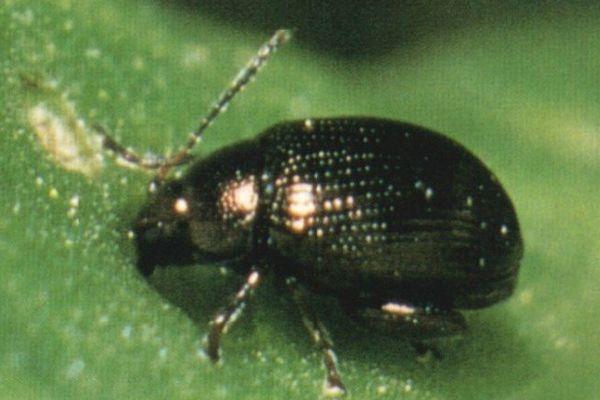
Beet flea beetle
Some beet diseases are less dangerous than the beet leaf aphid. These insects resemble small beetles, about 1-2 millimeters in size. In winter, they live in fallen leaves, and in the spring, they attack the leaves of beet plants.
If the flea beetle is not treated and removed in time, it will destroy the growth point and the plant will die.
It's easy to identify beet aphids on your plants. The main signs of infestation include wilting and curling of leaves. Dark spots also appear on the leaf surface. To grow and harvest healthy root crops, you need to get rid of the pests. To do this, treat the seedlings with Calypso or Confidor.
Beet leaf miner
Among the pests and diseases that cause the death of beets, the leaf miner is particularly prominent. This insect attacks leaf tissue in mid-spring. The fly first lays eggs on the plant, which hatch into larvae that feed on the sap of the beet seedlings. This leads to the gradual drying out and death of the beet plants.
To eliminate the beet fly and the diseases it causes, you need to regularly spray the seedlings with insecticides such as Calypso, Proteus, and Maxi.
Conclusion
People who regularly plant beets in their gardens often encounter pests and diseases. To quickly treat the bushes, it's recommended to familiarize yourself with the main diseases and their treatment methods in advance.
Related posts:
 How and when to properly plant beet seeds in open ground
 Description of sugar beet varieties, cultivation technology and growing conditions
 Description and characteristics of 35 best beet varieties, planting and care rules
 Growing and caring for beets in open ground: step-by-step agricultural technology
 Reasons why beet leaves turn yellow, care mistakes, what to do, and how to treat them
 Description of fodder beet and its differences from sugar beet, planting and growing features
 What to do if beet leaves are covered in spots, why this happens, and how to treat them
 Description and types of diseases and pests of grapes, treatment and control