
Beet pests are parasites capable of completely destroying a root crop. To protect the plants, it's necessary to employ all possible control methods. Agronomic practices, treating plants with herbal infusions or decoctions and other folk remedies, and using contact or systemic chemicals—this knowledge is essential for every gardener.
Growing delicious beets is simple yet rewarding. While the crop is easy to maintain, to ensure a bountiful harvest of pest-free root vegetables, you'll need to protect the plants with chemical treatments or simple agricultural practices.
Let's take a detailed look at each pest and how to combat them.
Beet pests and their control
To prevent pests from devouring juicy, sweet vegetables, gardeners need to know the pest's characteristics, spraying times, and effective treatments. At the early stages of infestation and to repel insects, it is recommended to treat plants with natural remedies that are harmless to humans.
Beetles
Among this class of pests, several types of beet flea beetles are distinguished:
- ordinary;
- southern.
Both types of beetles are similar, they crawl out after hibernation when the first warm days arrive. planting and germination of beets Flea beetles' favorite delicacy is weeds from the Buckwheat and Chenopodiaceae families. After the first leaves emerge, the beetle crawls onto cultivated plants and feeds on the juicy pulp of the leaves. The skin and veins remain intact, but the plant loses its sunlight supply, and growth slows.
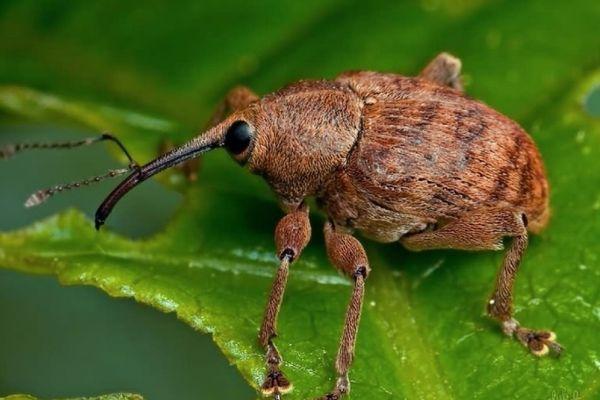
The female, concerned about reproduction, lays clutches of oval, light-yellow eggs directly into the soil of the garden beds. After 14-20 days, small, white larvae emerge. The flea beetle begins actively feeding, then descends and overwinters under the topsoil or in fallen leaves. Beetroot pests and their control involve simple agricultural practices.
Methods of pest control
To prevent beetle infestations, it's recommended to plant seeds under plastic film to ensure early germination. It's also important to apply sufficient mineral and organic fertilizers, and to dig the soil thoroughly before winter. By preventing the spread of quinoa and other weeds, gardeners protect their crops from flea beetles.
Before planting in open ground, treat the seeds with disinfectants. If beetles have appeared on the bushes, it's time to treat the beets for pests. For this purpose, prepare a 40% emulsion solution of "Phosphamide." Apply the solution every 8-10 days.
Take a look Also
Mole cricket
Photos and descriptions of the mole cricket, also known as the ground crayfish, can be frightening to children. Their wide mouth with developed jaws and body structure and shape resemble those of a fantastical monster. The damage these mole crickets cause to crops matches their appearance. Eradicating mole crickets is difficult, and deep soil digging before winter is ineffective—the insects build their lairs below the frost line.
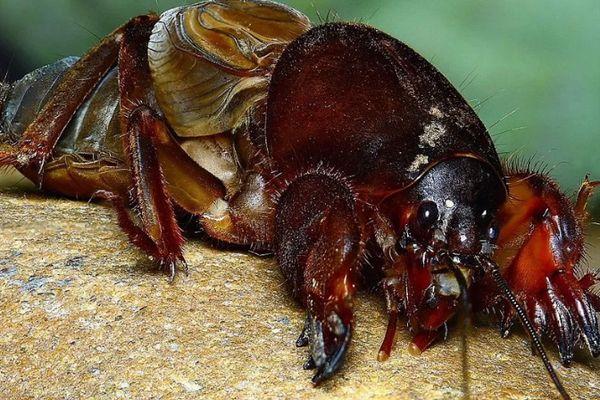
The beetles grow up to 70 mm in length. The female lays her eggs in a sturdy, egg-shaped lump of soil. In the spring, as the soil warms, the tiny insects hatch, quickly spreading throughout the area and devouring any greenery. The pests gnaw at the succulent stems, preventing the beet plants from receiving their full nutritional needs and potentially dying.
Methods of struggle
To protect juicy beet tops and the entire plant, the following will help:
- Weed removal - clean soil makes it easier to spot pest burrows and migration routes.
- Burrows and paths are treated with a strong solution of boric acid.
- Special granules are embedded in the soil around the seed row; the mole crickets eat them and die. Products from the "Grom" brand are popular with gardeners.
Nematode
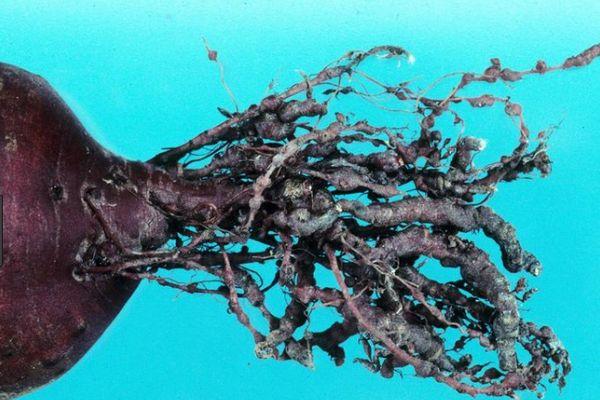
Timely treatment of plants against this pest helps save a harvest of juicy root vegetables. Adult females are lemon-shaped and dark yellow to brown in color. They reach up to 18 mm in length. Males have a worm-like, thread-like body shape and reach up to 16 mm in length.
Before wintering, the female creates a cyst with a thick, durable shell. Inside, the pest eggs are laid. With the onset of a consistently warm period, a large number of larvae emerge from the clutch. They can move independently or "travel" with water currents. With a full range of agricultural practices and normal conditions, beet cultivation will not require nematode spraying.
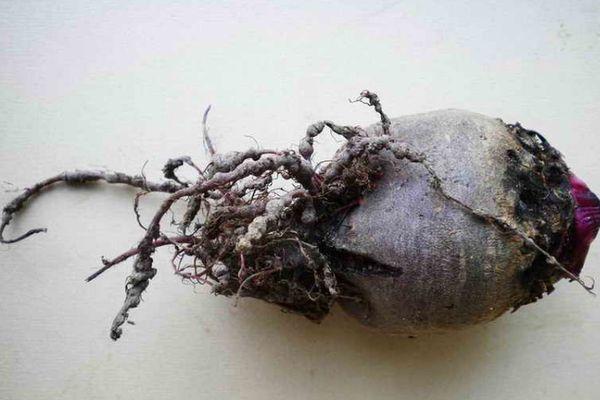
The larvae burrow into the root system and begin to consume it. Affected plants are easy to spot: during the growing season, the beet leaves suddenly begin to wilt and turn yellow. The rhizome begins to branch extensively, and tiny female pests are clearly visible on the roots.
Plant treatment
During the growing season, nematode control is easy. To protect plants, we recommend following a few simple steps:
- It's recommended to plant rows of potatoes between the rows—this plant accelerates the hatching of larvae. The larvae are unable to feed on the potato roots and gradually die.
- All weeds are removed from the beds to prevent pests from developing.
At the first signs of damage, the plant is removed from the soil and burned outside the area.
Beetroot fly
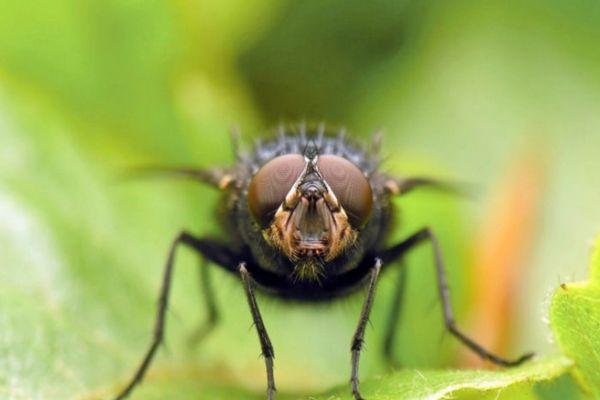
Sugar beet flies are dangerous sugar beet pests belonging to the family Flies. Their ash-gray bodies reach up to 8 mm in length. They are found everywhere except in northern regions, infecting all types of beets. These insects thrive in high humidity. Females lay eggs up to four times during the warm season. The first pests appear as early as late May.

Females lay eggs on the underside of plant foliage. Each egg contains up to 100 fly embryos. On affected plants, the foliage begins to wilt, turns yellow, and gradually falls off. The larvae feed on the succulent interior of the leaves, leaving behind remnants of foliage affected by blister-like swellings and small, underdeveloped roots.
Methods of struggle
Among the works that help to cope with pests, the following are distinguished:
- in the pre-winter period, the soil must be dug up to a depth of 300 mm;
- constant weeding;
- affected plants are dug up and removed from the area;
- Severely affected beet plantings will need to be sprayed with a solution of any contact insecticide.
Beetroot bug
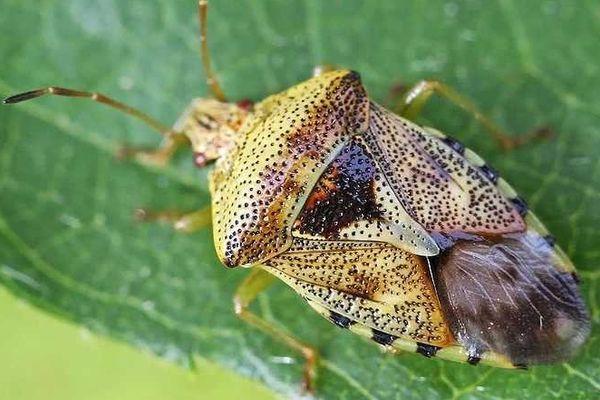
The insect grows up to 5 mm in length. Its body is narrow and oval. A pair of wings is yellow-brown, with a wedge-shaped dark spot at the base. Scattered across the middle of the back are glossy black spots. The insect's head is covered with dark, four-segmented antennae.
The larvae change color from light green to dark. The compound eyes of the pests are reddish-brown.
The sugar beet bug, when infesting plants, causes discolored, irregularly shaped spots to appear on the foliage. Leaves begin to curl, and the edges dry out. Actively feeding, these pests cause leaf blades to turn black and die. These insects attack table (vinaigrette) and sugar beetThe larvae, actively feeding, fly throughout the garden within a month, and within a week each female lays up to 30 eggs. In the pre-winter period, the females of the last clutch burrow into the soil and lay overwintering larvae.
Processing
Key recommendations:
- fighting them is impossible without constant weeding and loosening of the soil;
- deep digging before winter;
- if there are up to 10 insects on 1 plant, the fight against them consists of spraying with a contact insecticide (Fufanon, Bi-58);
- the threshold for the number of bugs on seed plants is 5-10 pieces per plant, in which case insecticide treatment is carried out until the pests are completely eradicated;
- Breeders recommend purchasing beet varieties that are completely resistant to the beet stink bug.
Leaf miner
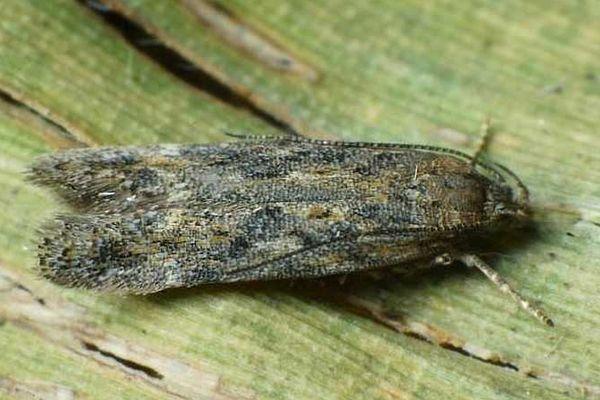
The sugar beet leaf miner is an insect with a body length of up to 7 mm and a wingspan of up to 14 mm. Females lay eggs on leaf stalks, and the caterpillars consume the root itself. Beet plants affected by the pest are indistinguishable from healthy ones. However, the larvae of the first two clutches feed exclusively on the tops, so control must begin early in the infestation.
Processing methods
If a gardener notices small holes in the leaves or blackened foliage, it's time to treat the plants with an insecticide solution, loosen the space between the rows, and perform a deep pre-winter soil digging.

Phoma and cercospora leaf spot of root crops
Young beet shoots are rarely affected by cercospora leaf spot, one of the most common vegetable diseases. The disease appears on mature root crops shortly before harvest. Cercospora leaf spot on table beets manifests itself as necrotic spots with a red border on the foliage. The spots gradually spread across the entire leaf surface. High air and soil humidity in vegetable beds promotes the disease's development.
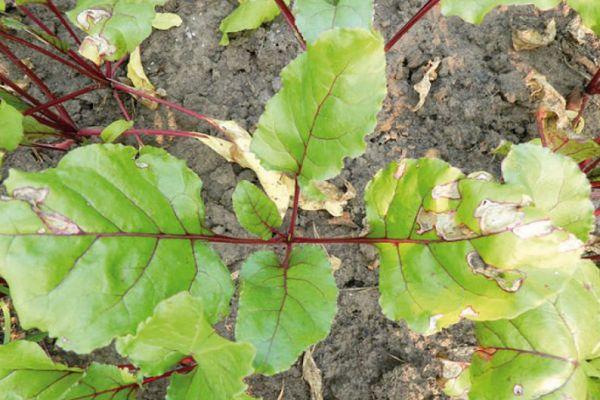
When vegetable crops are heavily affected, they become covered with a velvety, greyish coating. Late treatment increases the risk of plant loss or stunted growth, resulting in reduced yields.
Phoma is a bacterial disease that affects plants at all stages of the growing season. The disease destroys not only the foliage, but also spreads to succulent stems and root crops. Gray or dark red spots appear on affected areas, increasing in size over time. The interior of the spot is black. Small cavities with a white coating around the edges form on affected roots. Gardeners' primary concern is to water the seeds with a fungicide solution during the seed soaking stage.
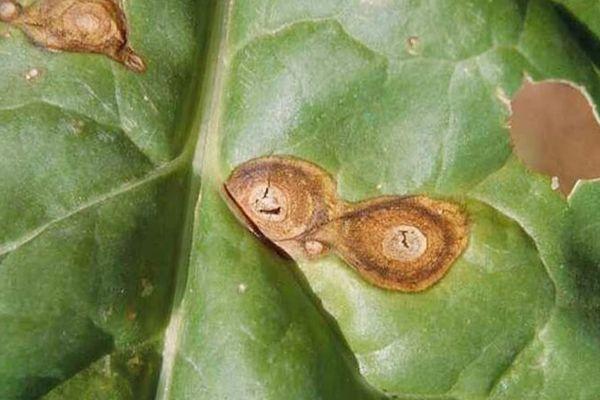
Methods of combating diseases
To protect plants, it will be necessary to carry out a full range of treatments:
- constantly carry out crop rotation of plants in the garden;
- When planting, use only chemically treated seeds;
- When the first spots appear on the leaves, immediately treat the plants with contact fungicides;
- regular weeding between rows, removing weeds and tops after harvesting.
Conclusion
Beetroot is a popular crop among gardeners, growing it without costly treatments or time-consuming preparations. However, to preserve the harvest, every gardener must be aware of pests and know how to control them. Only timely chemical treatments and constant care of beet crops will help preserve and grow a harvest of sweet and juicy root vegetables.
Related posts:
 Description of sugar beet varieties, cultivation technology and growing conditions
 Description and characteristics of 35 best beet varieties, planting and care rules
 How and when to properly plant beet seeds in open ground
 What to do if beet leaves are covered in spots, why this happens, and how to treat them
 Growing and caring for beets in open ground: step-by-step agricultural technology
 Description of beetroot diseases, their control and treatment with medications and folk remedies
 What can you feed beets with? The best fertilizers for open ground.
 Reasons why beet leaves turn yellow, care mistakes, what to do, and how to treat them