
- General description of beets
- Plant varieties
- Specifics of crop cultivation
- How to choose a variety
- Planting dates
- Site selection, crop rotation
- Preparing the soil for beets
- Preparation of planting material
- The landing process
- Is it possible to grow beets in a greenhouse?
- Further care of beets
- Watering rules
- Thinning
- Fertilizers and dressings
- Diseases and pests of crops
- Diseases
- Root eater of seedlings
- Downy mildew
- Sheet mosaic
- Fomoz
- Pests
- Vegetable flies
- Beet aphid
- Beet tortoiseshell
- Potential problems when growing
- Cleaning and storage
It's hard to imagine a garden without beets. This vegetable is considered an essential part of our diet. The benefits of beetroot and beet tops have been known since ancient times. Even a novice vegetable gardener knows how to grow and care for beets outdoors. The plant is easy to care for, but getting good yields requires some effort.
General description of beets
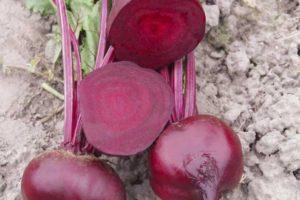
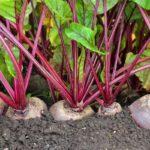
This root vegetable is classified as a biennial or annual crop. A member of the Amaranthaceae family, it is prized for its fleshy roots. The plant is crowned with a rosette of large basal leaves. They are oblong or lanceolate, dark green with burgundy veins.
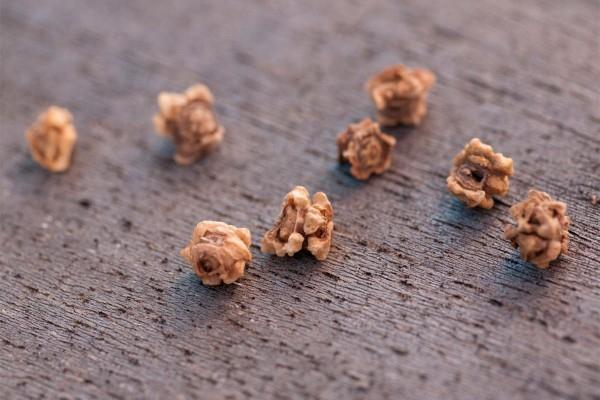
During the first year of its life, the plant expends nutrients to form a succulent, fleshy root. In the second year, fruits with seeds form. The single-seeded nuts are fused with the perianth. They are used for propagation of the vegetable plant.
This vegetable crop is native to the Mediterranean coast and countries with a temperate climate. The plant can withstand light frosts. Beets can be grown in any region, with both warm and temperate climates.
Plant varieties
There are several types of beets. Up to 11 are found in the wild, while cultivated beets include common and leaf beets. Breeders have developed varieties of the root vegetable. Everyone is familiar with the table beet. It is eaten in soups, salads, and appetizers. Red beets have dark flesh, and their leaves are burgundy or green. The veins and petioles are dark red.
Beetroot varieties come in a variety of ripening times, from early, mid-season, and late. For cooking, varieties with juicy flesh and tasty, dark-red or purple roots are used. Beets add a vibrant color to soups. They are used boiled in salads and as a garnish for main courses. Small beets can be pickled for the winter.
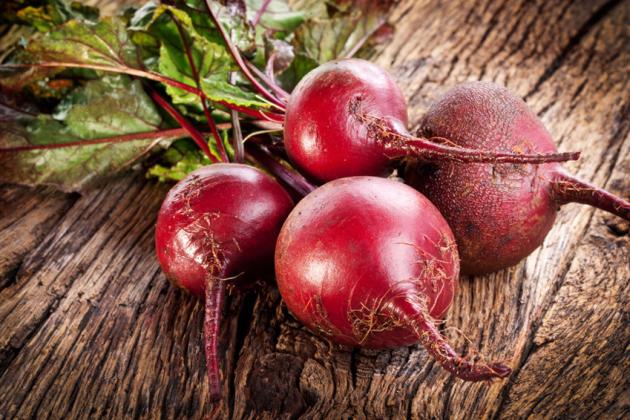
In addition to the table variety, there are also known sugar beet varietiesThis forage crop is valued for the high sugar content of its roots. It is used as a raw material for producing beet sugar. Forage varieties of the vegetable are used for livestock feeding.
Specifics of crop cultivation
To grow high-quality, tasty root vegetables, you need to properly prepare the garden bed. Beets have very specific soil requirements. It's crucial to choose the right variety. After all, root vegetables can last until spring if you sow hybrids with good shelf life. Only step-by-step cultivation techniques will ensure high yields.
How to choose a variety
Suitable for regions of Siberia and the Urals early maturing beet varieties or mid-season ripening. The Bordeaux, Egyptian, and Eclipse varieties are chosen for their vibrant and uniform color and sweet fruit flavor. Among the frost-resistant varieties, the Incomparable A 463 stands out.
The hybrids Negryanka and Smuglyanka produce large root vegetables, weighing up to 0.5 kilograms.
In the southern regions, Renova and Tsilindra beets are grown. These varieties have the advantage of long-lasting fruit.
Planting dates
Before planting vegetables, the soil should warm up to 10 degrees above zero. Seeds can survive in cold soil for a long time and germinate when the weather warms up. However, some will still die.
The optimal time for sowing is mid-May. By this time, the threat of frost has passed.
Site selection, crop rotation
A suitable place for beets would be a well-lit place where there are no strong cold winds.
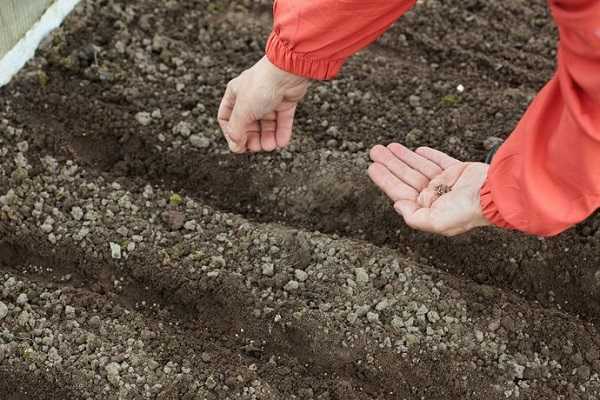
Root vegetables prefer clean, loose soil. Neutral soil is best, with a pH of 5 to 8. For root vegetables, choose a site where cucumbers, onions, tomatoes, and legumes were previously grown. Beets grow poorly after cabbage., potatoes. The vegetable crop is cultivated in the same place for three years.
Preparing the soil for beets
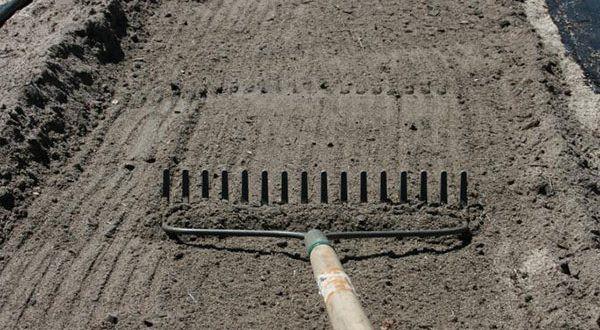
Beets grow best in deeply tilled soils plowed in the fall. Loamy soils are amended with nutrient-rich mixtures of humus and peat. Coarse sand and wood ash should be added to ensure a loose soil texture. Nitrophoska fertilizer should be added.
You can improve the nutritional value of clay and sandy soils by adding 1-2 buckets of compost per square meter of the bed. It's best to mix the fertilizer with turf.
It is essential to dig up the area first in the fall and then in the spring before planting vegetables.
Preparation of planting material
Store-bought vegetable seeds don't need any treatment. They're ready for planting. However, home-collected seeds are soaked in:
- potassium permanganate solution;
- warm and then hot water;
- growth stimulator "Epin".
If the plants were sick last season, it is necessary to treat the seeds in a fungicide solution.
The landing process
Before planting, ammonium nitrate (20 grams), superphosphate (40 grams), and ammonium sulfate (20 grams) are added to the soil in the beds. During digging, acidic soils are neutralized with slaked lime (0.5 kg per square meter).
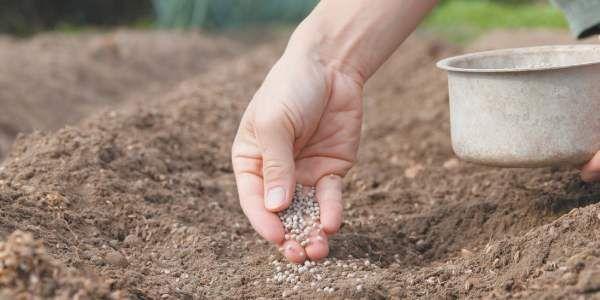
The density of beet planting plays a role in achieving large root crops. It's best to space the seeds 4-5 centimeters apart. This will prevent the beet from becoming overgrown, but will instead keep the root crop medium-sized. If growing from seedlings, the central root should be shortened by a third when planting. If there's a risk of frost, cover the bed with non-woven fabric.
Is it possible to grow beets in a greenhouse?
Early beet varieties can be planted in the same greenhouse soil where tomatoes are planted. Choose varieties with small roots, which are suitable for making summer vitamin-rich soups and botvinya. Beetroot grows best indoors in full sun, so it's best to harvest before the tomatoes become too large. Tomato plants will shade the beet plants and inhibit their growth.
Further care of beets
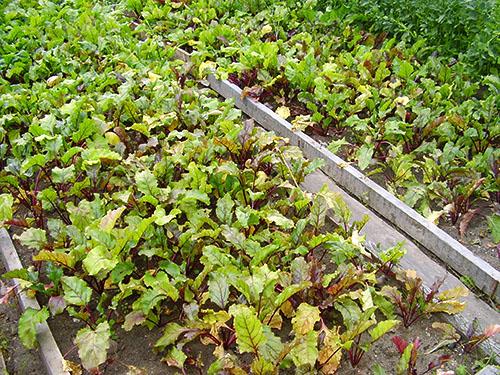
The secret to growing juicy and sweet root vegetables lies in proper care. It's important to remember that plants thrive on water. In arid regions, without moisture, the plant will stunt growth and dry out.
It is especially important to regularly monitor the growing conditions of the root crop in June, when the tops begin to grow intensively.
If there's too much nitrogen, fruit won't form in July. All the nutrients will be absorbed into the green mass. Care should be taken with the vegetable seedlings until harvest.
Watering rules
The juiciness and sweetness of red root vegetables depend on proper watering. Not all varieties of the vegetable tolerate drought. Watering should be done at the first sign of the topsoil drying out. Use a sprinkler system, ensuring that the roots are watered and the tops are refreshed.
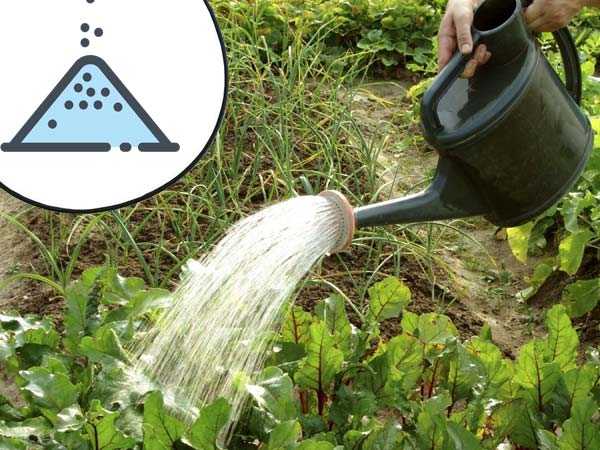
To get a good beet harvest with minimal effort, you can mulch your beet beds with peat. This will keep them clean, weed-free, and retain moisture longer. Tasty, sweet beets are harvested by watering them with water and adding table salt (1 tablespoon per bucket).
Take a look Also
To avoid flooding the garden bed, you need to use up to 20-30 liters of water per square meter.
Irrigation is stopped two weeks before harvesting root crops.
Thinning
Vegetable plants typically emerge 10-14 days after planting. The seedlings should be thinned 2-3 times. First, thin the seedlings 1-2 centimeters deep, leaving the good, strong part of the shoots. The second thinning is done at 10-15 centimeters.
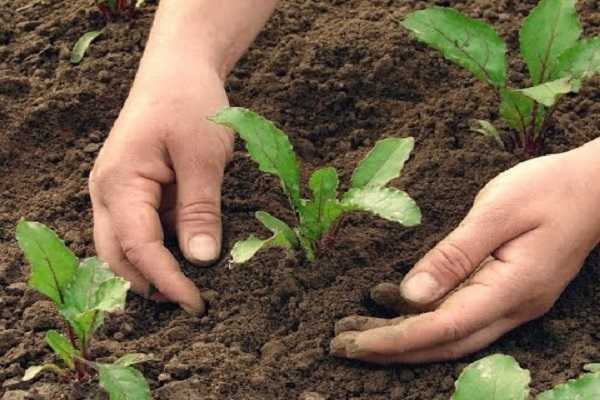
It's best not to throw away pulled-out plants. They can be replanted. However, it's a good idea to shade the plantings for the first three days.
Fertilizers and dressings
Thinned seedlings require fertilization for the first time. Beets respond well to nitrogen-containing fertilizers at the beginning of the growing season. Therefore, a solution of mullein or bird droppings is used.
As soon as the tops grow and close together on the bed, it is time to apply potassium and phosphorus fertilizers.
Use wood ash, dissolving 1 cup in 10 liters of water. Spray beet foliage with a saline solution, using 60 grams per bucket of water. Foliar feeding will help protect vegetable plants from pests and provide them with sodium.
Diseases and pests of crops
Like all garden crops, beets are susceptible to disease under unfavorable growing conditions. Infection can be caused by improper care practices. High nitrogen levels in the soil, along with over- and under-watering, leave plants vulnerable to pathogens.
Diseases
Most crop diseases are associated with fungal activity. Their spores can remain in the soil, plant debris, or seeds for a long time. When favorable conditions arise, the microorganisms begin to spread.
Root eater of seedlings
Young seedlings are unable to resist pathogenic fungi. Stems thin and turn black, indicating damage to the root system of the seedlings. The disease occurs due to increased soil compaction, preventing nutrients, moisture, and air from reaching the underground parts of the beets. It is necessary to loosen the soil regularly and apply lime to deacidify the soil.
Downy mildew
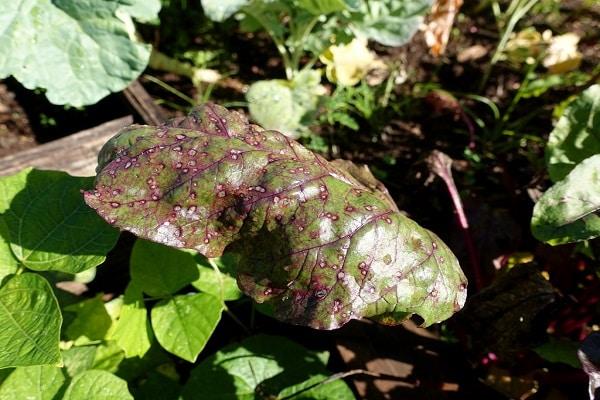
Symptoms of downy mildew include the appearance of a pale purple coating on the underside of the leaf blade. As the disease progresses, the leaves curl. If the summer is hot and rainless, the foliage dries out and crumbles. During rainy seasons, the foliage rots.
Before planting, vegetable seeds should be soaked in Apron. Diseased plants should be sprayed three times with fungicide solutions.
Sheet mosaic
A mosaic pattern of leaves, with alternating dark and light areas, is a sign of a viral disease. If the disease progresses, the foliage becomes malformed, curly, and thread-like.
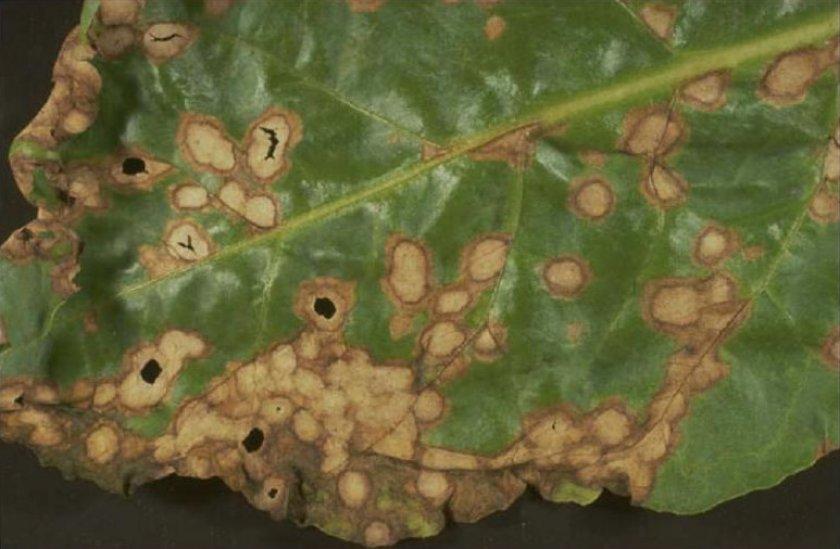
To prevent mosaic disease, select healthy seeds and disinfect them in a 1% potassium permanganate solution for 30 minutes. Afterward, rinse and dry the seeds.
Fomoz
The disease develops due to a lack of boron in the soil. As a result, the lower leaves are covered in brown spots. Black pycnidia, which harbor fungal spores, then appear on them. The beetroot fruits also become covered in dry spots. Boron levels in the soil can be replenished by watering the plants at the roots with water containing borax, or by spraying the beets with boric acid, diluting half a teaspoon in 10 liters of water.
Pests
Pests appear in beet beds when plantings become dense. Failure to properly harvest or burn plant debris allows the insect larvae to overwinter in the soil or old foliage. In the spring, they emerge and begin feeding on young plants.
Take a look Also
Vegetable flies
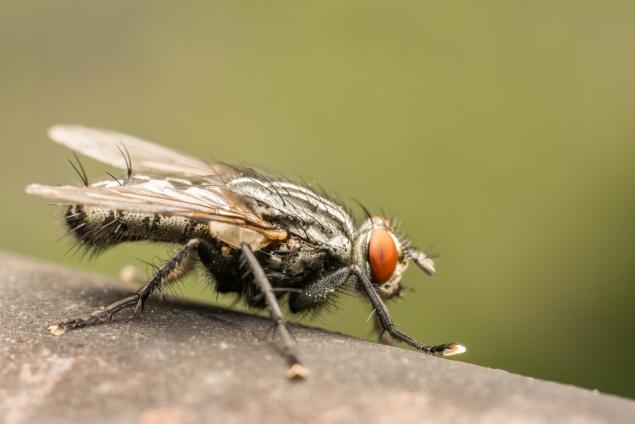
Flies cause damage in their larval stage. The worms overwinter in the soil, then emerge in the spring to become adults. Females lay eggs between leaves or under clumps of soil.
The hatched larvae reach the root through the base of the leaves, causing beetroot rot.
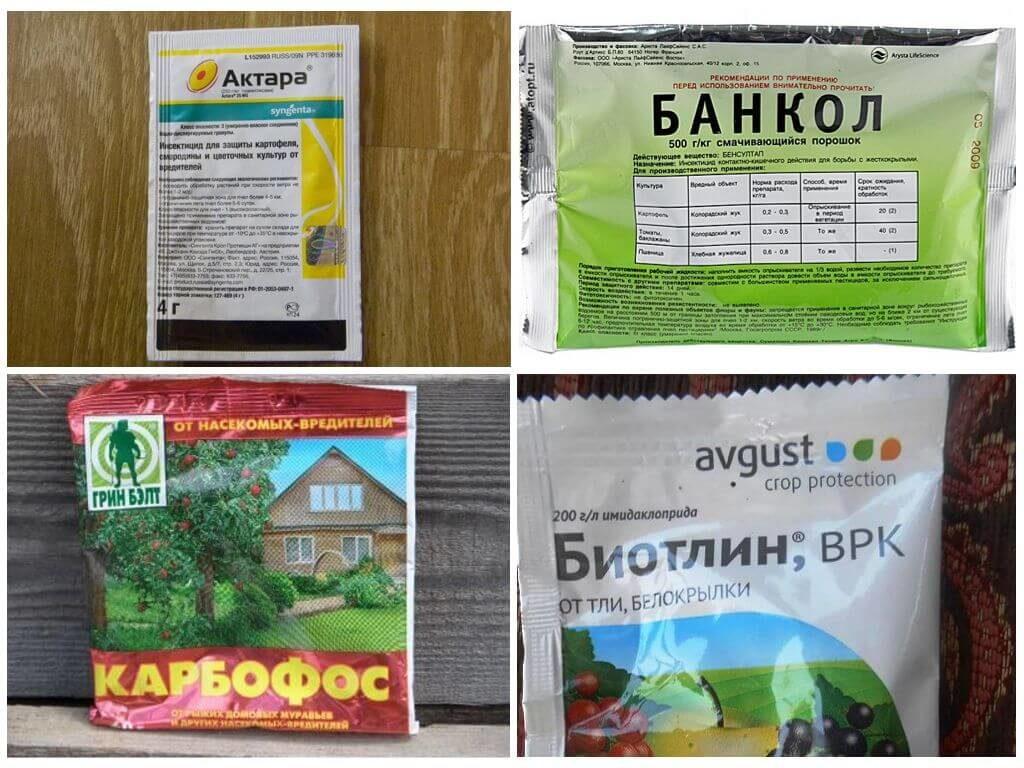
To repel insects, use naphthalene or creolin. Seeds should be treated with insecticides before sowing.
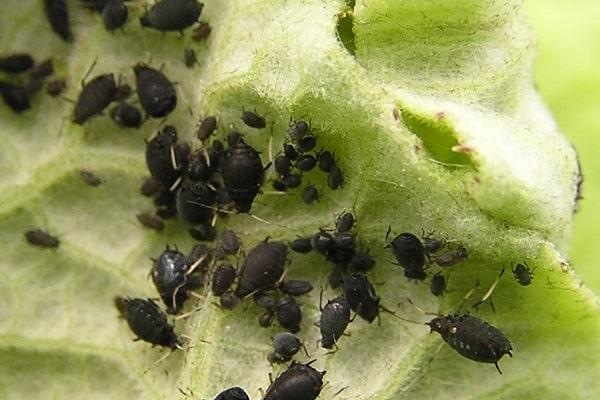
Beet aphid
Plants infested with aphids are sprayed with an infusion of onion peels. To do this, take 20 grams of peels and steep them in a liter of water. Affected plants should be sprayed three times, 10 days apart.
Beet tortoiseshell
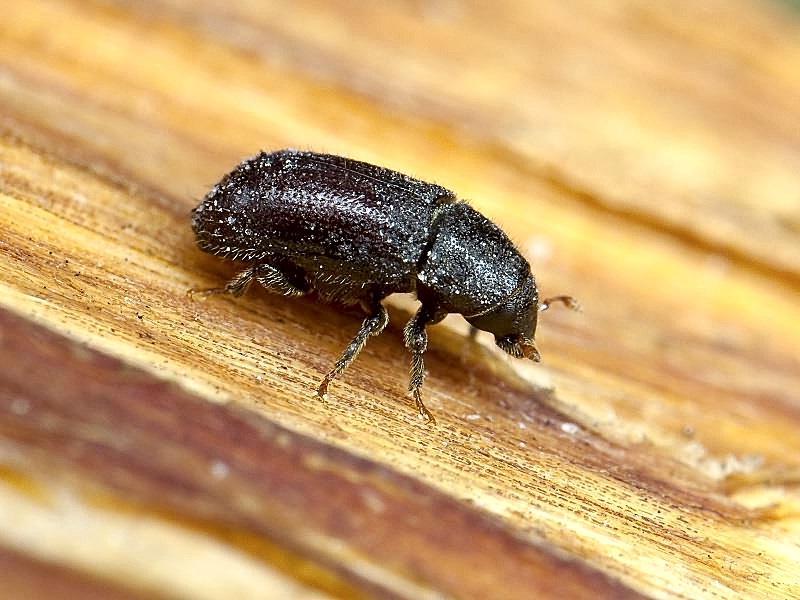
This member of the leaf beetle family has a body length of 5-7 millimeters. Its entire body is covered with a shield, concealing its black head. The yellow-green larvae overwinter in leaves and then feed on the leaves of young seedlings. The larvae pupate in late May or June. The beetles then emerge, feeding on beet crops.
To combat the insect, remove weeds that carry the tortoiseshell. The pest can be repelled with tobacco infusion.
Potential problems when growing
Problems with growing vegetable crops arise due to improper care:
- If beets are wilting in the garden, the cause is a lack of nutrients and moisture. Evaporation from the tissues is more intense in hot weather, and the soil is dehydrated. This causes the leaves to droop. Watering the garden bed will restore the water balance.
- A lack of manganese is visible by the curling of leaves and the appearance of grey and then brown spots on them.
- Beets wilt when they lack nitrogen and potassium. Iron deficiency causes young leaves to die off.
The causes of wilting tops can be eliminated by applying fertilizers and regular watering.
Cleaning and storage
Early beet varieties can be harvested as early as July. There's no need to wait for the beets to overgrow. Ideally, choose beets 10-15 centimeters in diameter. Large and medium beets are used for storage. Small beets can be canned.
Typically, beets with dried-out tops are dug up. A pitchfork is needed for harvesting. The beets are dug up with it, pulling them out of the ground by hand. The harvest must be dried thoroughly. The tops should be cut off with a sharp knife, leaving a 20-millimeter stump.
Before storing, the harvested fruit is culled. Damaged ones are used for animal feed, while the rest are thoroughly dried in a well-ventilated area.
To store beets in a basement at your dacha, maintain a temperature of 0 degrees Celsius. Beets will not dry out if the humidity is 90%. You can store beets alongside potatoes. It's recommended to place the harvest in boxes filled with damp sand.
Related posts:
 TOP 10 recipes for delicious beetroot caviar for the winter – finger-licking good!
 Description and characteristics of 35 best beet varieties, planting and care rules
 Description of sugar beet varieties, cultivation technology and growing conditions
 Reasons why beet leaves turn yellow, care mistakes, what to do, and how to treat them
 How and when to properly plant beet seeds in open ground
 How often should beets be watered in open ground, the rules and timing of the procedure
 Description of beetroot diseases, their control and treatment with medications and folk remedies
 Description of fodder beet and its differences from sugar beet, planting and growing features