
- The main causes of yellowing leaves
- Lack of moisture in the soil
- Magnesium deficiency
- Iron deficiency
- Pests
- Beet aphid
- Beet flea beetle
- Shield beetle
- Beet fly larvae
- Diseases
- Brown rot
- Cercospora leaf spot
- Downy mildew
- Fomoz
- Blackleg
- Nitrogen deficiency
- Does the time of year and month affect: yellowing in June, July, August
- Why do beet leaves curl?
- Why do beet leaves wilt and dry out?
- What to do if the leaves turn yellow
- How to prevent the problem
- Consequences
The greenness of the leaves, like a mirror, shows the health of the plants. Beetroot is a crop that is unpretentious in terms of cultivation and care., but can suffer from diseases and pests. The condition of the beet tops indicates health problems. To avoid disappointing harvests, it's important to know why beet leaves turn yellow and what steps to take to prevent the problem.
The main causes of yellowing leaves
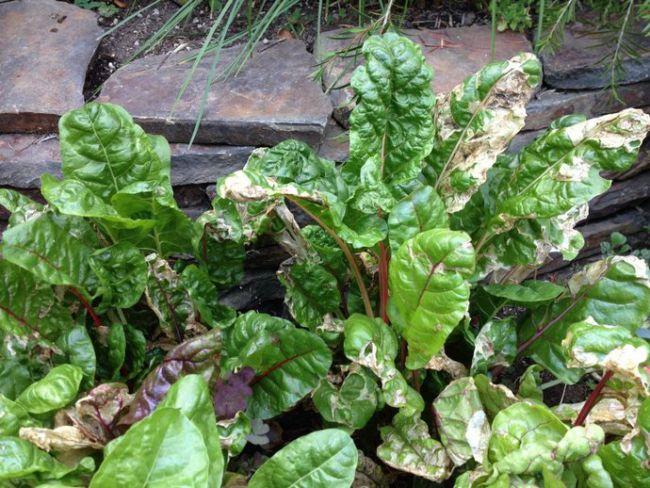
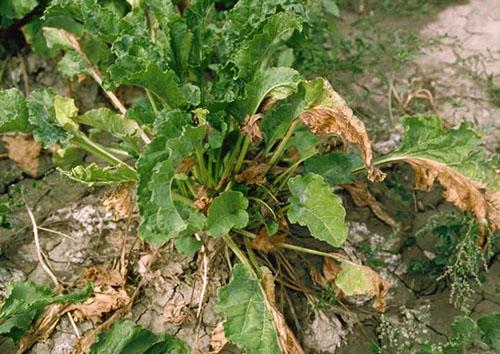
Healthy beets have juicy green tops crossed with vibrant crimson veins. When the beet is ripe and ready to harvest, the tops will turn yellow, but this is a natural process. Yellowing of the foliage during the growing season indicates a problem. Sometimes yellowing occurs on the lower, older leaves, but sometimes it's the young, upper foliage that turns yellow.A change in the color of the lower leaves indicates a lack of nutrition or a plant disease, while yellowing on young leaves indicates a lack of watering.
Sometimes spots appear on the beet tops, indicating that the root crop has been attacked by harmful insects. Factors that influence yellowing of beet tops:
- lack of water;
- nutritional deficiency (minerals);
- pests and parasites;
- diseases.
Lack of moisture in the soil
A lack of water in the soil is one of the obvious reasons why beet tops turn yellow. The root vegetable "loves" water. Beets need regular, abundant watering., especially during the period of fruit ripening (at least two buckets per 1 m2). If watering is insufficient, the leaves turn yellow, wither, and fall off.
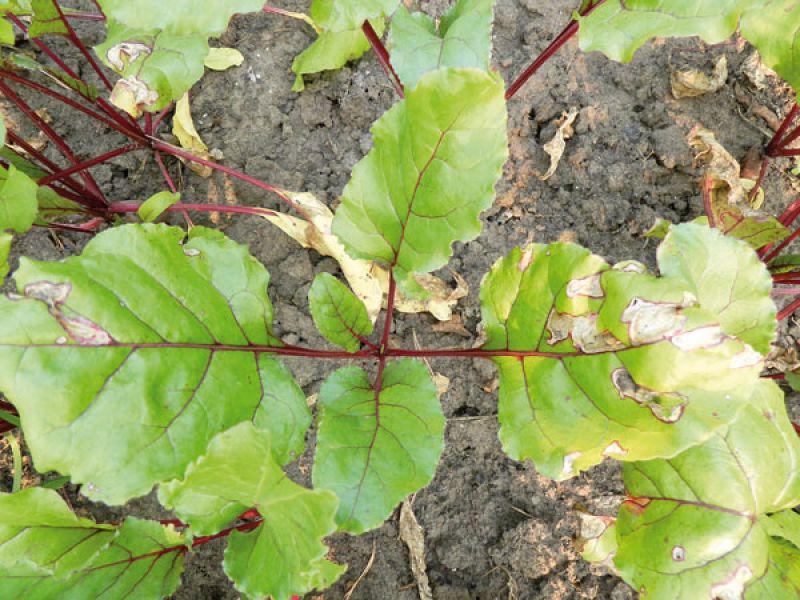
Water shortages often occur among gardeners who only tend to their gardens on weekends. Mulching can remedy this. Mulch retains moisture longer and also inhibits weed growth.
Magnesium deficiency
Beetroot reacts differently to a deficiency of a particular mineral: the tops turn yellow or red, and may become spotty. A magnesium deficiency causes the leaves to turn reddish-yellow. They develop spots, resembling large burns. The edges curl in these spots, and new leaves grow small and malformed.
Iron deficiency
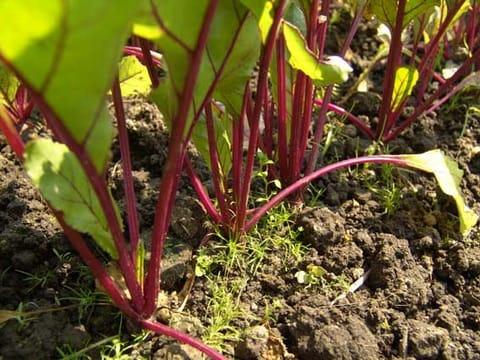
When a plant lacks iron, the lower leaves turn yellow, starting at the tips, which then wither and fall off. This occurs due to a disruption in photosynthesis and chlorophyll production. Due to iron deficiency, the root crop may not grow to the desired size and may remain small.
Pests
Insect damage can also cause the tops to turn yellow.
Beet aphid
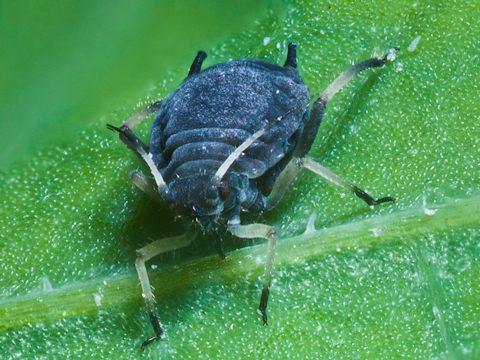
Aphids transmit many dangerous diseases. Late May is when they emerge. Their offspring can produce more than 10 new offspring during the season. Aphids feed on leaf sap. Signs of their presence include black spots on the underside of leaves, which become softer and lose their vibrant color. Over time, the leaves wither, curl, and fall off. Plant and fruit growth are stunted.
To combat aphids, you can use their enemies: ladybugs, their larvae, and beetles. They feed on aphids. To do this, plant crops that harbor ladybug larvae (carrots, cabbage, and others).
Beet flea beetle
A small black beetle. With the onset of spring and warm weather, the beetles emerge from their winter shelter. Initially, they live on weeds and early grasses, then migrate to beets. The beetles gnaw at the leaves of the beet tops, and the larvae, laid at ground level in June, are now parasitizing the roots.
The presence of holes in the leaves of the tops indicates flea beetle activity. The edges of the holes turn the leaves rusty. The best remedy for this pest is prompt weed removal.
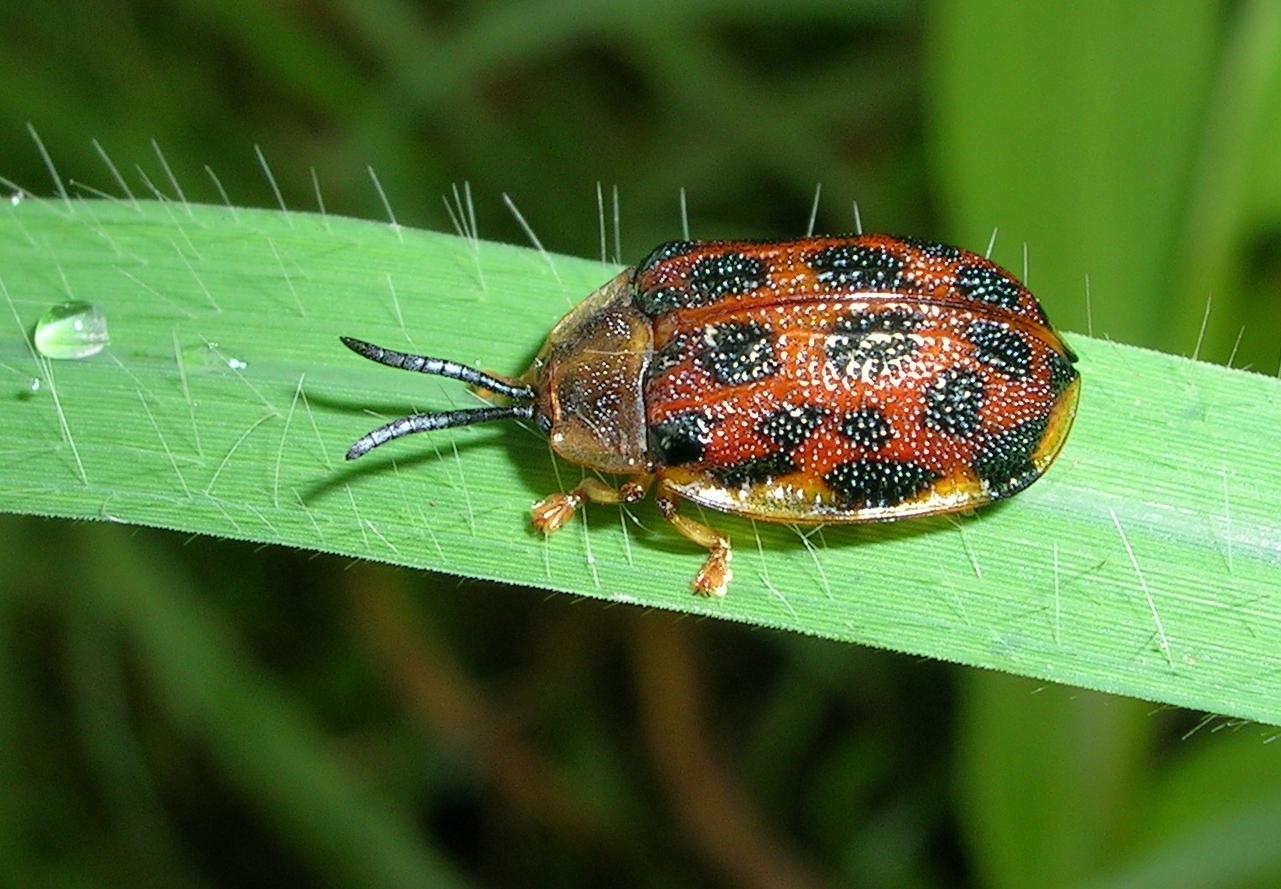
Shield beetle
The insect's favorite delicacy is quinoa. If this herb grows in the garden, it should be removed, otherwise it will become a breeding ground for most unwanted pests. Adults are brown, and the larvae are green. They begin to feed on the underside of the leaves. To combat the beet scale insect, treat beets with an infusion or dried celandine.
Beet fly larvae
The insect is not very harmful. It causes the tops to turn yellow, but does not harm the roots. The presence of the fly is noticeable by the cluster of white, elongated larvae on the underside of the leaf. The plant is treated with an ash solution.
Diseases
The most serious cause of yellowing beet tops is disease. It can destroy the entire crop in a short period of time.
Brown rot
An infectious disease. It's dangerous for root crops. First, the leaves turn yellow and wilt, then fall off. Root growth is stunted, and young foliage is underdeveloped. A fluffy coating—mycelium—forms on the root crop. The fruits crack, revealing a layer of dirty-white webbing (fungal spores) at the cracks. The root crop rots completely.
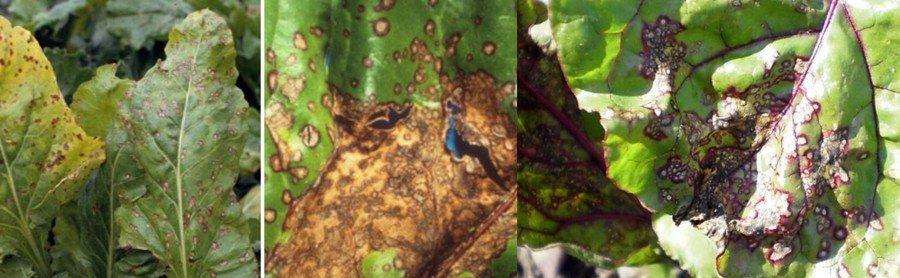
Cercospora leaf spot
The disease is caused by a fungus. Initially, light spots appear on the beet tops, with a brown border around the edges. Later, the leaves turn black and die. The disease can be caused by sowing infected seeds. If signs of the disease are detected, the beets should be treated: sprinkle them with chalk or water the roots with a 0.5% boric acid solution.
Downy mildew
Gray spots appear on the underside of leaves. They grow larger and darken, causing the leaves to wilt, turn yellow, and fall off.
Infected planting material or fragments of dead plants could have caused the disease.
Fomoz
The disease is caused by a fungus. Symptoms appear on the foliage as brown spots, with black dots (fungal spores) visible on them. The disease affects the stems and petioles, and later, the roots rot.
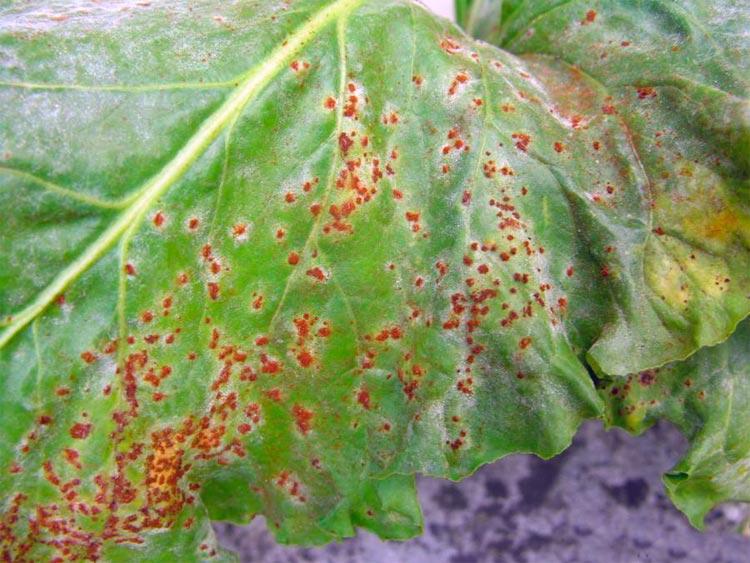
At the first signs of disease, spray the tops with boric acid. Dissolve half a teaspoon in a bucket of water.
Blackleg
This disease is also known as rootworm of seedlings. The foliage becomes soft, turns yellow, and dies. Plant growth slows, and root shoots die. Young plants may die. The disease is caused by excess moisture in the soil or increased acidity. It is necessary to reduce the acidity with lime and regulate watering.
Take a look Also

Nitrogen deficiency
Nitrogen deficiency can also cause yellowing of the foliage, as this mineral affects the formation of green leaves in plants. Leaves become thicker, pale, and coarse. First, the veins turn yellow, and then the entire leaf blade. Plant growth and development slows. It is necessary to fertilize beets with nitrogen, such as ammonium nitrate.
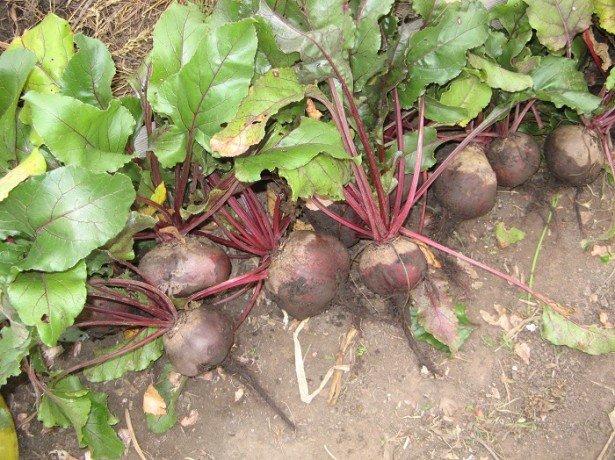
Does the time of year and month affect: yellowing in June, July, August
Beets can experience nutritional deficiencies from the moment they are planted in the garden until they are fully ripened, if they are not fed:
- As soon as seedlings emerge, the crop can be damaged by blackleg (rootworm). Once the seedling develops two true leaves, the plant becomes more resistant to the disease.
- It's important to remember that June is the month when the tops of the plants grow vigorously. Therefore, a lack of mineral fertilizers (nitrogen, potassium, magnesium, phosphorus) can slow down the growth of the foliage, and the leaves may turn yellow.
- Underwatering in early summer will also cause yellowing.
- In July, beets are fed and watered only after sunset. Although beets are sun-loving, direct sunlight can burn the foliage, which will also affect the color of the leaves.
- Throughout the summer, there are plenty of people eager to feed on the succulent greens of beet tops. Aphids become active as early as May, and over the course of the summer season, more than ten generations of them consume the foliage. Beetles also emerge in early summer.
- Fungal infections can make themselves known in early spring.
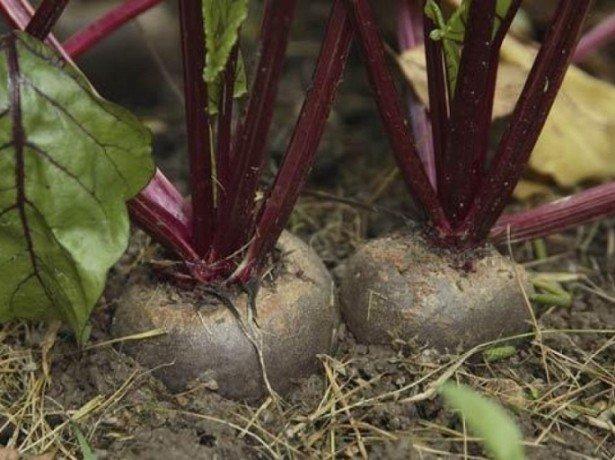
And only by September the tops turn yellow for natural reasons – it’s time to harvest.
Why do beet leaves curl?
Sometimes the leaves of young seedlings curl. There are many factors that can cause this:
- The soil lacks potassium. This occurs in depleted soils with high acidity.
- Beets have been affected by downy mildew. The leaves of red beets curl downward at the edges and thicken, becoming rough in the center. The fruit is not growing.
- The root crops were attacked by aphids.
Beets are fed with potassium if there is at least a month left before harvest.
Why do beet leaves wilt and dry out?
The growth and development of root vegetables depends on the condition of the tops. Sometimes, the leaves dry out without yellowing.
There are several reasons for this situation:
- The plant is experiencing a water shortage. Increased watering is necessary.
- In hot weather, the water for irrigation is too cold. Or, cool, rainy weather and cold soil cause the tops to dry out.
- There's not enough nitrogen fertilizer. It needs nitrogen fertilization.
- Lack of minerals: potassium, phosphorus, magnesium, iron.
- Beet tops dry out due to fungal diseases or attacks by harmful insects.
- Sunburn and foliar aging before harvest also cause drying out.
Any of the causes of wilting affects root vegetables. They stop growing or rot completely.
What to do if the leaves turn yellow
Before taking steps to combat yellowing of the beet tops, it's important to determine the cause. If beet growth has slowed or stopped, and the tops are turning yellow, the plant should be fertilized with minerals:
- Furrows no more than 4 cm deep are made next to the ridge on each side.
- Superphosphate granules are poured into one of them (at the rate of 1 m2 — 10 g). In the other — urea and potassium (consumption is the same as for superphosphate).
- The beets are watered in the bed. There's no need to loosen the soil immediately after watering, only the following day.
The tops turn yellow due to a lack of nutrients in the soil, disease, and harmful insects. The root crop then stops growing.
If the leaves turn yellow due to lack of moisture, then the beets need to be watered generously, after which the tops will recover.
Fungal diseases are treated with fungicides. Insecticides are used against pests. There's a wide selection of these products available in stores. Folk remedies (ash, soap solution, etc.) are also used, but these are primarily preventative measures and are weak against infections.
How to prevent the problem
Preventative measures will help avoid the problem:
- It is necessary to more closely monitor the health of plants, the condition of the soil, and humidity.
- Water, loosen the soil, and remove weeds on time.
- Consider crop rotation. Don't plant beets in the same spot for several years in a row.
- Remove the remains of diseased and dead plants.
- Viable vegetable varieties are selected for planting.
Gardeners don't recommend planting beets too close together because they don't receive enough ventilation and light. The root crop requires thinning and frequent loosening.
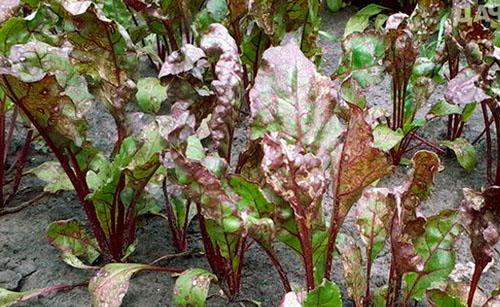
Unlike fodder beets, table beets are sometimes watered with salt water, as they require sodium to maintain their "sweet" characteristics. A deficiency causes the foliage to turn red.
Consequences
Yellow leaves should not be ignored, as they can lead to crop losses. Yellow leaves indicate that the beetroot is not healthy. This prevents burns and the beetroot from being ready for harvest.
It's important to identify the cause and take steps to eliminate it. Yellowing of the tops can lead to crop failure, or the vegetables will be small, misshapen, and quickly rot.
To avoid problems when growing beets and get a harvest you'll enjoy, you need to take care of your beets and heed the advice of experienced gardeners.
Related posts:
 The best recipes for canned beet tops for the winter
 Growing and caring for beets in open ground: step-by-step agricultural technology
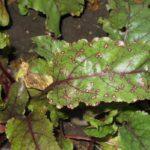 What to do if beet leaves are covered in spots, why this happens, and how to treat them
 Description and characteristics of 35 best beet varieties, planting and care rules
 Description of sugar beet varieties, cultivation technology and growing conditions
 Why beet leaves turn red and what to do
 TOP 10 recipes for delicious beetroot caviar for the winter – finger-licking good!
 Why are beet leaves turning black, what to do, and how to solve the problem?