
- Nutritional value
- Which varieties are best for winter preparations?
- How to make beetroot caviar at home
- Classical
- Fried beet caviar
- Recipe with carrots and onions in jars
- A variation of sweet and spicy beetroot caviar
- Finger-licking good
- With garlic
- With apples and eggplants
- With tomatoes without vinegar
- Recipe with garlic and beets without sterilization
- Cooking option in a multicooker
- French
- How to store beetroot preserves
Beets are prized for their rich nutritional content and unique uses. They can be used on their own or as an ingredient in salads and soups. Preserving the root vegetable's nutritional value and adding variety to your menu during the cold season is easy with recipes for preserves, so we recommend learning about the best ways to make beetroot caviar for the winter.
Nutritional value
Beets are a food whose health benefits are widely acclaimed by both traditional and alternative medicine practitioners. Beets contain a large number of vitamins and acids. Regularly including them in your diet helps replenish phosphorus, potassium, and sodium deficiencies. Their manganese and copper content improves circulatory health, while iodine reduces the risk of atherosclerosis.

100 grams of beetroot contains 42 kcal, which, combined with its diuretic effect, makes it suitable for weight loss. While beetroot is commonly eaten as a root vegetable, the greens are equally nutritious, containing three times more protein. Beetroot also contains a unique component, betaine, which helps normalize liver function.
The root vegetable has wound-healing and anti-allergic effects. Its juice is used in medicine as a choleretic. Its high fiber content helps normalize digestive function with regular consumption. Eating the root vegetable activates the body's processes of removing toxins, heavy salts, and radioactive elements.
Which varieties are best for winter preparations?
Today, there is a wide variety of red beetroot varieties on the market. The roots vary in shape, color, weight, and sugar content. Only table beets are used for preserves. beet varietiesTo treat the tops, use fresh, tender greens.
Late-ripening beet varieties are often used as raw materials for recipes, as they are characterized by a longer ripening period, higher fruit yield, and the ability to retain their appearance and flavor for a long time. The most popular beet varieties include:
- Cylinder;
- Bordeaux;
- Valens.
At planting beets For future use as raw material for winter preservation, it is important to follow the manufacturer's recommendations. The packaging of seeds suitable for such purposes clearly indicates their suitability for use in preservation.

How to make beetroot caviar at home
Beetroot preserve recipes are widely available today. They can involve frying, stewing, canning, sterilization, or even no heat treatment. Their simplicity makes this delicious snack easy to prepare, even for novice cooks.
Beetroot caviar is served cold and can be used as an ingredient in soup recipes. Depending on the ingredients, the appetizer can have different flavor nuances, be sweet or slightly tart.
Classical
Classic beetroot caviar is made from common ingredients that are readily available on hand or in stores. Here's the recipe:
- beets - 1 kg;
- large head of garlic;
- lemon - 1 pc.;
- turnip onion - 8 pcs.;
- water - 0.5 l;
- granulated sugar - 2 tsp;
- odorless frying oil;
- ground pepper, cloves, coriander;
- salt - 2 tbsp.

The amount of spices, salt and sugar is adjusted during cooking depending on personal preference and the sweetness of the chosen variety.

Process of working with ingredients:
- Unpeeled beets are washed and placed in a boiling position; the finished product is easily pierced with a knife blade;
- carrots are grated on a coarse grater;
- garlic cloves and onion are finely chopped;
- Heat oil in a frying pan, fry the onion in it for 2 minutes, add the carrot mixture for frying for 2 minutes, add water and cover with a lid to simmer until done;
- add a mixture of spices and lemon juice;
- The beets are grated on a grater with large holes and placed in a frying pan, leaving for 40 minutes.
To facilitate the braising process, it's recommended to use a frying pan with deep, thick sides, which will facilitate stirring and prevent burning. The cooled mixture can be used as a stand-alone dish, as a side dish, or as a base for toast and sandwiches.

Fried beet caviar
This fried snack can be used plain or with mayonnaise, and can also be used as a soup dressing. You'll need:
- beets - 3 pcs.;
- carrot - 1 pc.;
- onion - 1 pc.;
- butter - ½ cup;
- tomato paste - ½ cup;
- salt to taste.
The onion is cut into small cubes, and the carrot and root vegetable are grated. Fry the onions in a frying pan until golden brown, then add the carrots, and after a couple of minutes, add the beets. Add the pasta, salt, and a small amount of water to prevent the vegetable mixture from burning, otherwise the appetizer will acquire an unpleasant rancid taste.

Recipe with carrots and onions in jars
For winter storage, it's recommended to preserve the caviar in small jars, with 500 and 750 ml capacity considered optimal. For preparation, you'll need:
- beets - 2 kg;
- carrots - 1 kg;
- onions - 600 g;
- red tomatoes - 1 kg;
- oil - 600 ml;
- garlic cloves - 2 heads;
- salt, granulated sugar;
- ground pepper;
- 9% vinegar - 200 ml.
Until recently, caviar preparation required grating beets. Today, a food processor is increasingly used for this purpose.

Cooking process:
- vegetables are fried with the addition of oil, first the onion, then the carrot mixture and the tomatoes cut into small cubes are added successively, the total time for all ingredients is 10 minutes;
- add beets and spices, a small amount of water, cover with a lid and simmer for 35 minutes;
- At the end, add chopped garlic and vinegar and leave on the stove for another 3 minutes.
The vegetable mixture is placed into jars. If desired, the caviar can be pureed using a blender; this preparation is convenient to use as a base for sandwiches.

A variation of sweet and spicy beetroot caviar
This option will appeal to those who enjoy unusual dishes and appetizers with a spicy, piquant flavor. For the recipe, you'll need:
- beets, carrots, sweet peppers - 1 kg each;
- red tomatoes - 4 kg;
- oil - 1 cup;
- onions - 800 g;
- apples - 0.5 kg;
- garlic - 1 head;
- bay leaves - 2 pcs.;
- allspice peas - 4 pcs.;
- vinegar essence - 2 tbsp;
- chili pepper - 1 pc.;
- salt, sugar, spices - to taste.
This recipe calls for apples with a sweet and sour flavor. Use a thick-bottomed container to prevent sticking.

Cooking process:
- beets and carrots are grated on a coarse grater, peppers and turnips are cut into half rings;
- fry the vegetables for 20 minutes;
- Tomatoes are pureed in a blender, apples are grated separately using a grater;
- processed tomatoes along with spices are poured into the vegetable mixture, apples are added;
- continue simmering for 30 minutes, adding water if necessary.
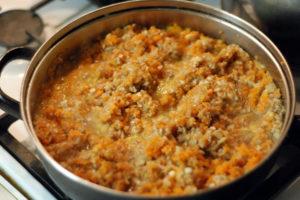
The mixture is placed in pre-sterilized jars and ½ teaspoon of essence is added to each container, after which they are rolled up and, after cooling, put away in a cool place.
Finger-licking good
The advantage of this method is the ease of preparation and the excellent taste of the resulting snack.

For the recipe you will need:
- beets - 1 kg;
- onion - 3 pcs.;
- garlic - 1 head;
- oil - 5 tbsp;
- tomato paste - 4 tbsp. l.;
- essence - 1 tsp;
- salt, sugar and spices - to taste.
Beets with spices are boiled in lightly salted water. Fry the onions, and once golden brown, add the grated beets and simmer for 20 minutes. Add salt, sugar, and spices one by one, and simmer for 10 minutes. A couple of allspice berries will give the mixture a unique spicy aroma. Finally, add garlic and vinegar and mix thoroughly. After the mixture has cooled slightly, place the caviar in sterilized containers.
With garlic
This caviar has a distinctive garlic aroma and is an excellent immune booster during the cold winter months. For the recipe, you'll need:
- beets - 1 kg;
- garlic - 1 head;
- vinegar - 100 ml;
- water - 2 l;
- salt, sugar - to taste.
A spicy flavor can be achieved by adding a mixture of peppercorns, cumin, rosemary, and Provencal herbs, but these ingredients are not considered essential to the recipe. Preparation:
- a marinade is prepared from water, sugar, vinegar and spices;
- beets are cut into thin strips;
- garlic, passed through a press, is thoroughly mixed with the beet base;
- The vegetable mixture is placed in jars and filled with hot marinade.
The jars must be boiled in water for 20 minutes, then rolled up.

With apples and eggplants
A delicious product is created by combining beets with apples and eggplant. The fruit acts as a natural preservative in this recipe. Caviar prepared this way has a unique sweet and sour flavor.
For the recipe you will need:
- beets, eggplants - 1 kg each;
- apples - 800 g;
- sugar - 7 tbsp;
- salt - 1.5 tbsp;
- frying oil - 0.4 l.
Cut the apples and eggplant into small cubes, and grate the boiled beets. Place the vegetables in a container, mix well, and sprinkle with sugar. Let them sit for 1.5 hours to release their juices. Place the pan on the stove, add salt, and simmer for 1 hour. Then add oil and continue simmering for another 10 minutes.
With tomatoes without vinegar
Tomatoes are considered the "ideal" caviar ingredient, so they're often included in recipes. This short-term beetroot appetizer can be prepared without vinegar. For the recipe, you'll need:
- beets - 1 kg;
- tomatoes - 5 pcs.;
- head of garlic;
- onions - 3 pcs.
The amount of sugar and salt is determined by personal preference, as well as the characteristics of the chosen tomato and beet variety. For a richer flavor, add allspice and black pepper. The overall cooking process is similar to the classic recipe: sauté the onions, tomatoes, and beets in sequence. Simmering time varies from 45 to 60 minutes, with salt and spices added at the end.
Recipe with garlic and beets without sterilization
The unique feature of garlic caviar is that it's not only delicious but also healthy. The combination greatly enhances the root vegetable's nutritional value, making it an indispensable source of vitamins during the winter. The recipe's undeniable advantage is that it's quite simple, making it easy even for beginners.
Take a look Also
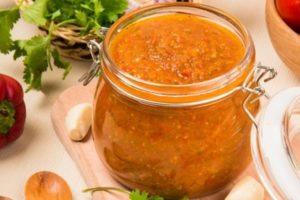

For the recipe you will need:
- beets - 1 kg;
- onions - 6 pcs.;
- garlic - 6 large cloves;
- oil - 100 ml;
- vinegar - 100 ml;
- tomato paste - 6 tbsp. l.;
- salt, sugar - to taste.
Preservation is prepared using standard technology:
- chopped onion is fried;
- add grated beets and chopped tomatoes, simmer the vegetables for 5 minutes;
- introduce the paste and continue the process for 35 minutes;
- At the end, add the garlic mixture and vinegar.
If there isn't enough moisture during cooking, add a small amount of water. If the caviar is too runny, simmer without a lid.

Cooking option in a multicooker
The advantage of this cooking method is that it significantly simplifies the process, as the vegetable mixture doesn't need to be constantly stirred, and there's no risk of burning. Beets can be boiled traditionally or steamed using a multicooker's "steam" setting, where they are left to steam for 30 minutes.
First, cook the onions and oil in the "fry" setting for 10 minutes. Then, season the vegetables with spices, salt, and sugar using one of the following settings:
- “boiling” - 1 hour;
- "Extinguishing" - 40 minutes.
You can choose any of the beetroot caviar recipes for preparation. Before unfolding sterilization of jars is mandatory for the product.
French
French caviar is very light and has a unique flavor. To prepare, you'll need:
- beets - 4 pcs.;
- a bunch of cilantro;
- olive oil - 3 tbsp;
- lemon - 1 pc.;
- a pinch of salt and black pepper.
Boiled or baked beets are grated on a coarse grater. A dressing is prepared from oil and lemon juice. The vegetable mixture is soaked in the marinade, herbs are added, seasoned with pepper and salt, and then thoroughly mixed.

How to store beetroot preserves
Beetroot preparations They retain their quality and properties perfectly for up to 1 year. Jars can be stored at home in a cupboard, refrigerator, or basement. The optimal storage temperature is considered to be +6°C. C, a temperature above +15 is considered undesirable for canning C.
The guarantee of the safety of beetroot preparations is careful preliminary processing of raw materials, adherence to the recipe, sterilization of containers and hermetically sealed packaging.
Exposure to air can cause the product to ferment, indicated by the appearance of mold in the jar. High humidity in the room is undesirable, as it can cause rust to form on metal lids, which can negatively affect the product's flavor.
Related posts:
 24 Best Recipes for Preserving Beets for the Winter
 TOP 40 New Year's 2020 Meat Recipes Using Pork, Beef, Chicken, and Lamb
 What to cook for New Year 2020: a new and exciting menu for the holiday table
 Making finger-licking good eggplant caviar with peppers and tomatoes
 Description and characteristics of 35 best beet varieties, planting and care rules
 When to harvest leeks from the garden for storage, ripening times
 TOP 40 Hot Dish Recipes for New Year 2020: What to Cook
 Growing and caring for beets in open ground: step-by-step agricultural technology