
- Beet varieties for growing in open ground
- Planting dates
- Choosing a location in the garden
- Predecessors
- Lighting
- What kind of soil does beetroot like?
- Sowing root crops in open ground
- Soil preparation
- Seed preparation
- The landing process
- Care instructions
- Top dressing
- Proper watering
- Thinning
- Harvesting
- Conclusion
Beets are considered one of the most popular vegetables among gardeners and homemakers. Beetroot is very nutritious, containing many vitamins. Before planting beets in open ground, it's important to familiarize yourself with the growing process to ensure a good harvest.
Beet varieties for growing in open ground
Before planting, it's important to familiarize yourself with popular varieties. There are three main types of this vegetable:
- table;
- feed;
- sugar.
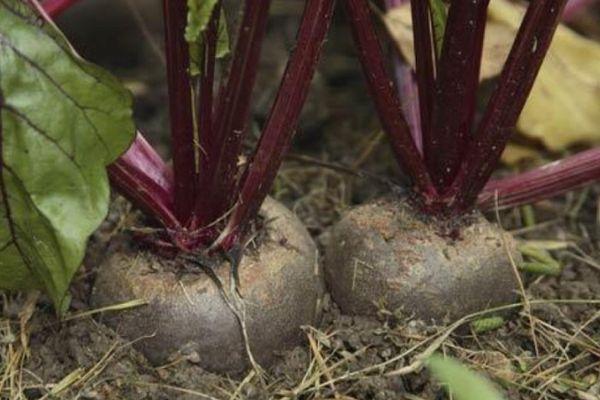
Fodder and sugar beet varieties differ in that they are often used industrially for field cultivation. In gardens, only table beet varieties with rich, burgundy flesh are planted. There are several common table beet varieties that are often planted in garden plots:
- Smuglyanka. Among the high-yielding vegetables, the Smuglyanka variety stands out, yielding 10-12 kilograms per square meter. These roots are round and weigh over 400 grams. Smuglyanka's advantages include long shelf life and excellent taste.
- Cylindra. This variety is considered a mid-season beetroot. It gets its name from its red, cylindrical fruits, which grow up to 20 centimeters long. Cylindra is recommended for planting and growing outdoors, as it tolerates low temperatures and is excellent at repelling harmful insects.
- Detroit. An early maturing variety, the fruits fully ripen within two months. Mature beets weigh approximately 100-300 grams and are burgundy in color. Detroit's main advantages are its high yield and resistance to diseases.
Planting dates
Every gardener planning to grow beets must determine the right time to plant them outdoors. After all, the quality and quantity of the resulting root vegetables depend on the correct planting period.
When planting seeds outdoors, pay attention to the soil temperature. It shouldn't be too cold, as seeds germinate very poorly in frozen ground. For proper seed germination, the temperature should be around 3-5°C (37-41°F). Under these conditions, the first shoots will appear within a month. If the soil warms to 12°C (55°F), the seedling emergence process will be reduced to a week and a half. In soil with a temperature of 25°C (77°F), the seeds will germinate in 3-4 days.
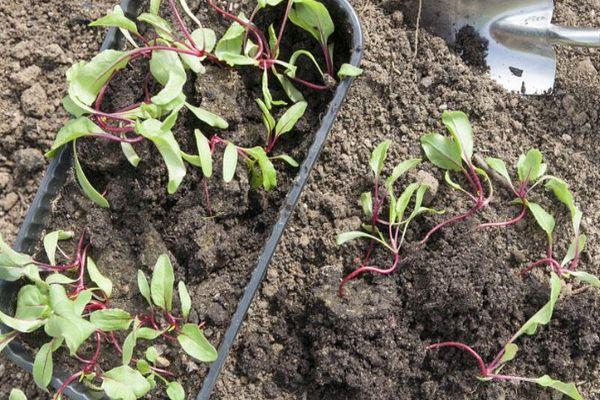
When using beet seedlings for planting, pay attention not to soil temperature but to the date. Sprouted seedlings are planted in the garden no earlier than May. March or April tend to be unfavorable for planting young seedlings. The last time to plant beets is considered the first half of June. Planting later is not recommended, as hot weather may prevent the seedlings from taking root.
If beets are grown in greenhouse conditions, they can be planted at any time.
Choosing a location in the garden
It is recommended to decide in advance where it is best to plant beet bushes, as the yield depends on this.
Predecessors
When choosing a planting site, it's recommended to familiarize yourself with suitable predecessors. Experienced gardeners recommend planting beets in areas previously grown with nightshade crops. These plants don't require many micronutrients from the soil and are rarely susceptible to disease. This is why many claim they are the best predecessors for beets.
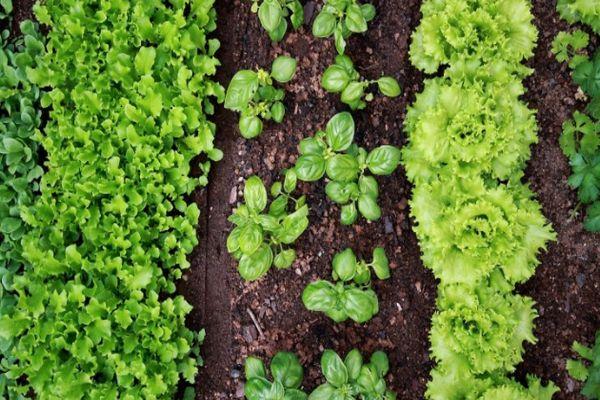
However, there is a detailed list of what you should follow when planting beets in your garden:
- tomatoes;
- potato;
- pepper;
- blue.
Vegetable growers also recommend choosing areas where cucumbers were previously grown for planting. This vegetable's roots don't grow very deep, so they leave behind plenty of nutrients for the beetroot.
Other plants that have a positive effect on the growth of beets include:
- zucchini;
- squash;
- legumes;
- wheat.
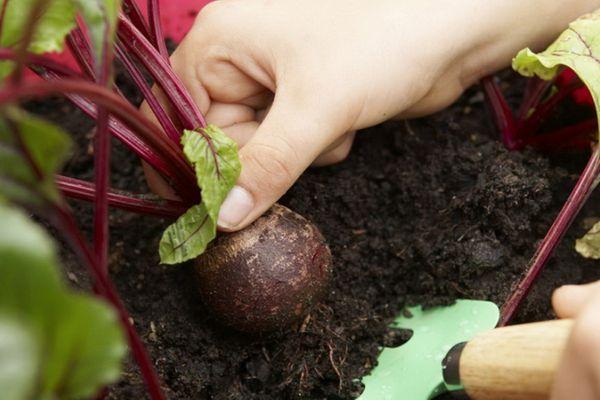
If you plant beets alternately with the above-mentioned plants, you will be able to preserve a sufficient amount of nutrients in the lower soil layer to obtain a high-quality harvest.
Lighting
When choosing a suitable site for planting beets in the spring, pay attention to the area's light levels. Sometimes, vegetable growers can't determine why their beets haven't sprouted and don't know what to do. This problem often arises if the beet was planted in shaded areas that don't receive sunlight. Therefore, only the brightest parts of the garden are selected for planting and growing beet seedlings.
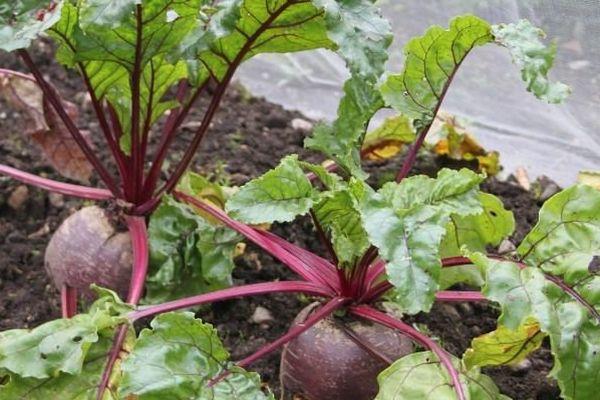
When growing in greenhouses, gardeners must create all necessary growing conditions themselves. Special fluorescent lamps are used to ensure adequate light levels.
What kind of soil does beetroot like?
It's recommended to research the soil preferences of young beets in advance to determine the best soil for their growth. Experienced gardeners recommend planting in sandy loam or loamy soils, as these produce the largest yields. These soils are also characterized by ease of cultivation and long-lasting moisture retention in the upper layers.
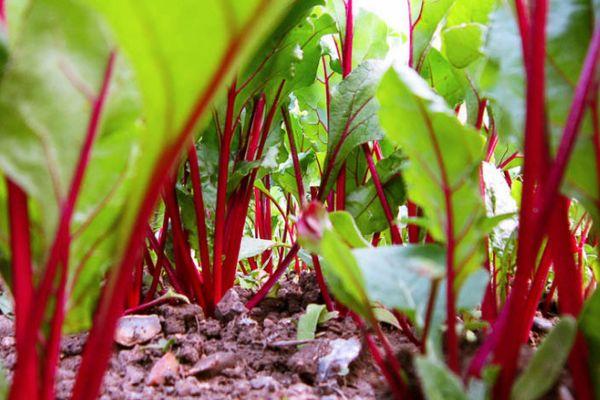
Some grow beet seedlings in soil with a high clay content. However, such soil is less suitable, as it warms slowly and is poorly oxygenated. This leads to slower growth and reduced yields. Sandy soils, which dry out quickly even at low temperatures, are also unsuitable for beetroot.
Due to rapid drying and high soil permeability, the nutrients that the bushes need are washed out of the soil.
When choosing soil for beets, pay attention to its acidity. It shouldn't be too high, as this leads to root rot. It also impairs the absorption of minerals and other nutrients.
Sowing root crops in open ground
To avoid problems when planting beet seedlings in open ground, you need to familiarize yourself with the specifics of this process.
Soil preparation
Seeds will germinate quickly only if the soil is prepared in advance. Preparatory work on the plot is carried out in the first half of spring, after the snow has completely melted. The soil is dug over, and a fertilizer solution made of ammonium, ammonium nitrate, and superphosphate is added. About 50-60 grams of fertilizer is used per square meter. Also, when preparing the soil, add organic matter such as compost and fresh manure. After adding organic fertilizer, the plot must be re-dug.
Seed preparation
Many people are interested in how to quickly germinate beet seeds. To accelerate the growth of the planting material, pre-sowing preparation is carried out.
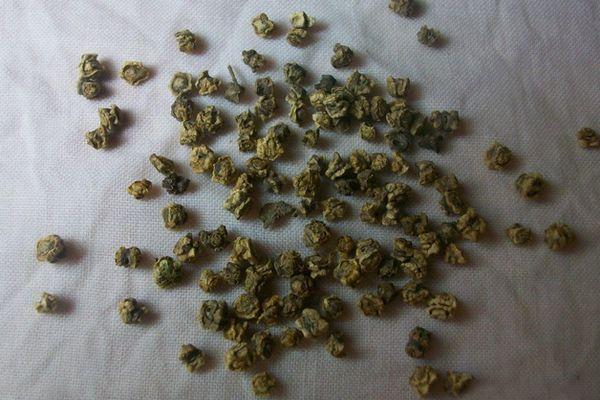
When preparing beet seeds for sowing, the following solutions are used:
- Superphosphate. To prepare the mixture, add 80 grams of the substance to a liter of water. Then, add beet seeds to the container with the mixture for half an hour.
- Wood ash. This mixture accelerates seed germination by 2-3 times. To create the solution, pour a liter of boiled water into a container and mix it with 100 grams of wood ash. The seeds are soaked in the liquid for 24 hours.
The landing process
Before growing, you need to familiarize yourself with the beet planting scheme in advance in order to plant the plant correctly.
Planting beet seeds or seedlings begins with marking out the rows where the beets will grow. Then, small holes 3-5 centimeters deep are dug in each row. These can be made by hand or with a small board. The distance between the holes should be at least 5-7 centimeters to prevent the beets from interfering with each other. Once all the holes are filled, the soil is watered with warm water.
Care instructions
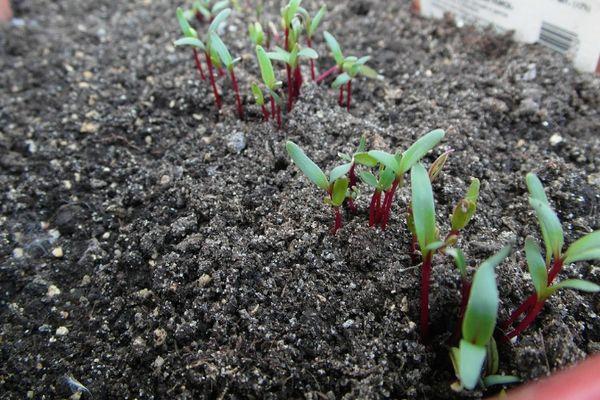
Not all gardeners know how many days after sowing it takes for beets to sprout. The first sprouts are visible two weeks after planting. Immediately after emergence, fertilize the plants to promote better growth.
Top dressing
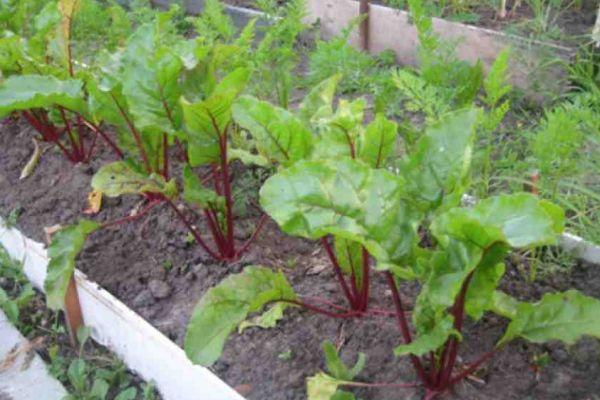
To protect the bushes from pests and diseases, they need to be fertilized periodically. Fertilizer is first added to the area when the first leaves appear on the bushes.
Take a look Also
In this case, the following solutions are added to the soil:
- Wood ash. When creating a fertilizer mixture, add a tablespoon of wood ash to 1 liter of water. The resulting mixture is enough to treat a square meter of garden space.
- Superphosphate. To prepare the fertilizer, add one spoon of superphosphate per liter of water and mix thoroughly.
Proper watering
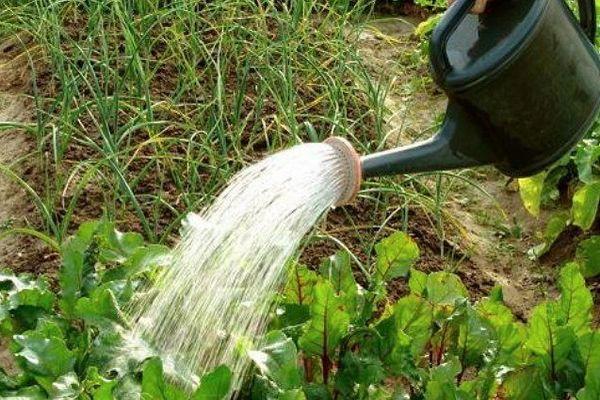
When caring for beets, watering the plants is essential, as they grow poorly without adequate soil moisture. It's recommended to water the soil weekly (at least twice). Approximately 20-25 liters of water should be used per square meter of plot. Also, when growing beets, loosen the soil after watering, which improves moisture flow to the lower layers of the soil.
Thinning
Beet transplants are first pricked out after the first leaves appear on the seedlings. During thinning, the leaves are thinned out in the row so that the distance between the plants is 5-6 centimeters. The next time, the leaves are removed from the beet plants is two weeks later. The final transplant should be completed before the end of summer.
Harvesting
The ripened crop can be harvested in mid-autumn, before the first frosts. All planted root vegetables are carefully dug up with a shovel and removed from the soil. They are then cleaned of any dirt and leaves.
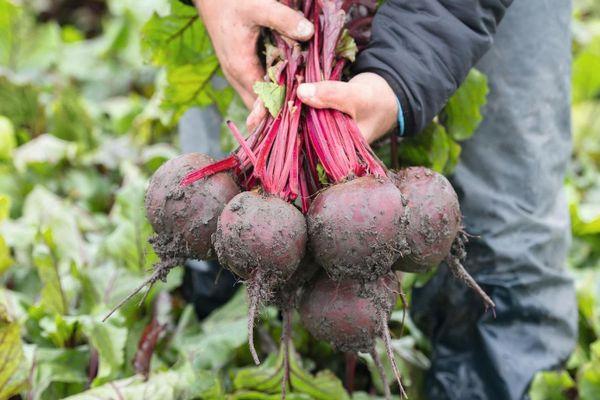
Harvested beets should not be left outside for long periods of time, as they may spoil due to low temperatures.
All dug up root crops are carefully sorted to immediately remove any spoiled crops. The selected beets are transferred to the cellar for further storage.
Conclusion
Many gardeners grow beets, planting the vegetable in their plots every year. Before planting this plant, beginners with no experience should familiarize themselves with its main varieties, planting times, and the specifics of outdoor cultivation. This will help ensure a good harvest of beetroots in the future.
Related posts:
 Description of sugar beet varieties, cultivation technology and growing conditions
 Description and characteristics of 35 best beet varieties, planting and care rules
 Growing and caring for beets in open ground: step-by-step agricultural technology
 Description of beetroot diseases, their control and treatment with medications and folk remedies
 Description of fodder beet and its differences from sugar beet, planting and growing features
 TOP 10 recipes for delicious beetroot caviar for the winter – finger-licking good!
 What to do if beet leaves are covered in spots, why this happens, and how to treat them
 The best eggplant varieties for growing in a polycarbonate greenhouse: planting and care