
- Features of vegetable crops
- Is it possible to plant beets at the end of June?
- Is it possible to plant beets in July?
- What are the benefits of sowing beets late in summer?
- What should you pay attention to when landing late?
- Warm
- Humidity
- Illumination
- How to plant beets in July?
- Choosing a location
- Formation of beds
- Landing
- Further care of summer crops
- Watering
- Weeding and loosening
- Top dressing
- Sun protection
- Harvesting and storage
In some situations, it's impossible to plant beets on time. Then the question arises: can beet seeds and seedlings be planted in July? This crop is used to make borscht and vegetable salads. In the south, planting seeds in July yields good germination and harvest. In temperate and northern regions, early-ripening varieties are preferable. These fruits don't store well, but they are easier to grow.
Features of vegetable crops
Beets are rich in beneficial substances and microelements. They are used in folk medicine, culinary preparation, and for dietary purposes. The fruits contain:
- fiber;
- carbohydrates;
- proteins;
- healthy sugars;
- pectins;
- amino acids;
- manganese;
- magnesium;
- calcium;
- vitamin C;
- carotene;
- phosphorus;
- iodine.
The culture is used to treat problems with the gastrointestinal tract, atherosclerosis, skin rashes, to speed up metabolism, and to improve immunity.

Is it possible to plant beets at the end of June?
Beets are typically planted in early spring. Sometimes, gardeners delay planting and try to plant in the summer. This method is suitable for southern regions, where warm weather persists until mid-autumn. This will ensure a full harvest. In temperate and northern regions, this method won't always be successful. The roots won't have time to reach full size, and some may die. Therefore, early-ripening varieties are used.
Is it possible to plant beets in July?
Beets can be planted in July. This will yield a moderate yield, with small-to-medium roots that last longer and are easier to process. In southern regions, planting in July is easy thanks to the long, hot summer.
In temperate and northern climates, growing a late vegetable harvest is more difficult. It's essential to follow all care and growing guidelines.
Regular watering, fertilizing, loosening, and weeding are essential. Many gardeners use seedlings after the first shoots emerge, which are removed during thinning. They are then transplanted according to the pattern into other suitable beds.
Take a look Also

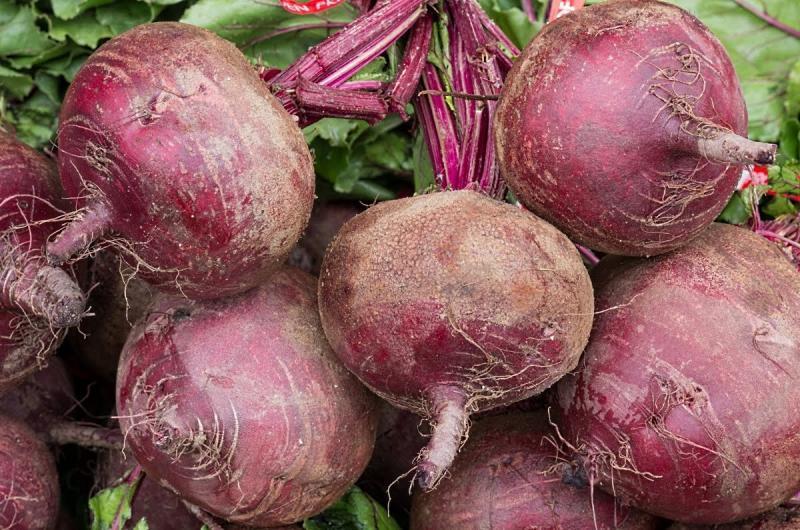
What are the benefits of sowing beets late in summer?
Late sowing of beets has its own characteristics:
- harvested medium-sized root vegetables are easier to process;
- makes it possible to obtain a harvest of young fruits;
- requires careful care of the culture;
- It is necessary to ensure regular watering;
- Suitable for growing in small areas, beets are planted after harvesting other crops;
- the harvested crop is suitable for preparing vegetable salads, soups and preserves;
- Late fruits do not have a long shelf life; it is recommended to process them in the coming months.
What should you pay attention to when landing late?
Late planting will require more effort to create optimal growing conditions. Young seedlings are finicky and demanding when it comes to watering, so for the first two weeks, they require a lot of attention every day.

Warm
Beets are considered a frost-resistant crop. They tolerate temperatures as low as -10°C, and gradual temperature drops won't harm the crops. However, a sudden change, for example from 25°C to 15°C, will encourage bolting. These plants won't develop strong roots; all their energy will be devoted to developing flower stalks. If the roots are exposed to frost, they won't store well.
Humidity
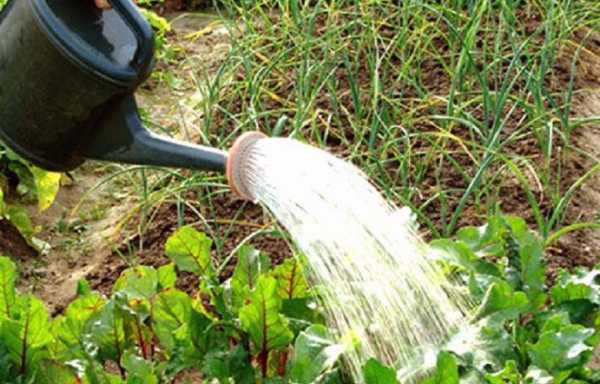
Beets are drought-resistant. When sown early, regular watering is unnecessary. July is the hottest month of the summer, and young seedlings won't survive the heat without additional moisture. Water the plants as the soil dries out. For the first week, water them daily, as July is always hot and the soil dries out quickly.
Illumination
Beets prefer well-lit areas. Additional light improves the plant's absorption of minerals and accelerates biochemical processes. Therefore, seedlings are planted in open, unshaded areas.
How to plant beets in July?
In southern regions, seeds are used for sowing. Due to the long summers in these regions, the plant will produce a full harvest. In temperate and northern climates, it is recommended to prepare beet seedlings in advance before transplanting them outdoors.
Also, if you want to increase the amount of the harvest, plant seedlings that were removed during thinning of seedlings in early spring.
Important! When growing from seed, early maturing varieties are recommended.
Take a look Also
Choosing a location
For planting, it's important to select a suitable site in advance, following crop rotation. Beets grow well next to:
- tomatoes;
- onions;
- garlic;
- spinach;
- parsley;
- celery;
- strawberries;
- beans.
Important! Don't plant beets after beets and carrots.
Formation of beds
For late-season harvesting, create double-row beds, spaced 40 cm apart. Leave 10-15 cm between seedlings. After three true leaves have formed, thinning is carried out. Remove all small and weak plants, maintaining a distance between the main plants.
Landing
Planting is carried out according to a specific algorithm:
- In the garden bed, dig holes 7 cm deep.
- A little water is poured into each hole.
- Place 3-4 seeds or one seedling per hole.
- Cover with soil.
- The planting is well moistened with water.

Further care of summer crops
Young plants don't easily tolerate the weather conditions that develop in July. Careful monitoring of the seeding is necessary for the first two weeks.
Watering
Water young plants daily, as the soil dries out quickly in July. Young plants require plenty of moisture to develop roots.
Weeding and loosening
After each watering or rain, the area around the bush is loosened. This ensures oxygenation of the fruit and prevents the formation of a crust above the soil. Weeds are also monitored and removed as they appear.

Top dressing
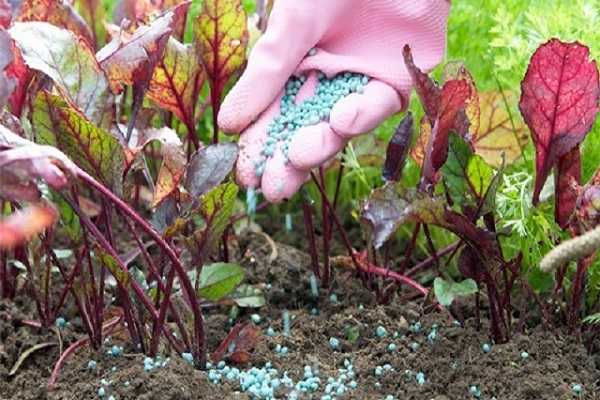
Feed the seedlings every two weeks with mineral phosphorus compounds or organic fertilizers. Beets respond well to solutions of chicken manure and cow dung.
Sun protection
The crop is considered drought-resistant, but this applies only to mature plants. In constant, scorching sun, the seedlings' leaves can become scorched. Therefore, the seedlings are initially covered with newspaper. Once the sprouts have established themselves, the newspaper is removed.
Harvesting and storage
Harvesting takes place in late spring, but before the first frost. Frozen roots do not store well. Late-planted plants grow to a medium size. The fruits are removed from the soil, cleared of soil, the tops are trimmed, and the roots are left on.
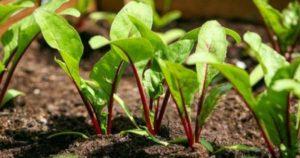
Important! Early-ripening vegetable varieties are recommended to be used within the first two months after harvesting, as they have a poorer shelf life.
Store the harvest in a cool, dry place at a temperature of 5-6°C. The beets should be used before they begin to sprout. Once the tops appear, the beets lose their flavor.
Related posts:
 Is it possible to plant carrots in July or at the end of June? What are the best days and care instructions?
 The best eggplant varieties for growing in a polycarbonate greenhouse: planting and care
 TOP 10 recipes for delicious beetroot caviar for the winter – finger-licking good!
 How often should beets be watered in open ground, the rules and timing of the procedure
 Growing and caring for beets in open ground: step-by-step agricultural technology
 Reasons why beet leaves turn yellow, care mistakes, what to do, and how to treat them
 Descriptions of the 20 best cherry varieties for the Moscow region, their planting and care
 How and when to properly plant beet seeds in open ground