
Beets, a valuable vegetable, are grown in every gardener's garden in our country. Producing large, uncracked roots with good shelf life is the number one goal when growing this vegetable. However, sometimes the fruits become smaller and the roots begin to bloom, which compromises the quality of the harvest. Why do beets color and bolt? It's worth learning in advance how to prevent early bolting.
The harm of early bolting
The classic beet growth pattern: in the first year, the vegetable produces robust tops and large roots, which contain the nutrients necessary for propagation. The following year, the roots devote their energy to the formation of the flower stalk.
If a problem occurs during the growing process, the plant blooms in its first year and draws energy from the still-undeveloped fruit, which loses quality and becomes noticeably smaller. Beets are a biennial plant. Seeds formed in the first year of the vegetable's life are of poor quality for several reasons:
- Poor germination.
- There is a high probability that vegetables grown from these seeds will undergo flowering again.
- The root vegetables are small, with a distinct green, hard core.
If the goal of vegetable growing is to obtain ripe, large root crops, the formation of bolts is highly undesirable.

Why do beets turn color?
The main cause of beet stem bolting is prolonged exposure to cold temperatures. A cold, prolonged spring triggers the plants to bolt, causing the beets to die right in the garden. Several other causes are also identified:
- Poor quality seed material, for example, collected from annual plants.
- Failure to comply with planting deadlines, planting seeds in unheated cold soil (optimal soil temperature is not lower than +12 WITH).
- Incorrect storage temperature for seeds.
- Lack of nutrients for healthy root growth.
- Winter sowing increases the chances of producing flowering plants.
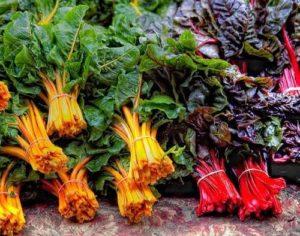
To avoid early bolting, it is necessary to follow the rules for plant care, not violate the planting deadlines and choose high-quality seed material.
 Note: Hybrid varieties very rarely form flower stalks, as they are bred on the sterile basis of male fruits.
Varieties that are resistant to flowering: Detroit, Cold-resistant, Egyptian flat, Bohemia, Bordeaux, Larka and many others, study the description and characteristics of the variety before planting.
Signs that a vegetable is blooming
Beets bloom towards the end of June. The plant produces a strong, thick stem, on which leaves and ovaries form. After a while, the buds open, revealing small white flowers—the future seeds of a delicious root vegetable.

What to do if beets have started to bolt?
Unfortunately, a root vegetable that has bolted is inedible. Breaking off the stem won't help; the process has already begun, the fruit begins to harden and stops growing. It must be removed along with the tops.
The stems can be used as food, and spoiled roots can be used as feed for farm animals.
What can be done to prevent the problem?
Any problem is easier to prevent than to fix. Here are some key points to keep in mind when growing beets to avoid beetroot bloom:
- Use only high-quality certified seeds of zoned varieties; their shelf life should not exceed 2 years.
- Choose varieties that are resistant to flowering.
- Prepare the soil for planting: dig, loosen, add fertilizer.
- Wait until the threat of frost has passed and the soil temperature reaches a stable temperature of at least +12 WITH.
- Thin out the seedlings 3 weeks after planting.
- Avoid overwatering and waterlogged soil.
- Carry out systematic loosening and hilling of vegetable plantings.

During the first week after planting, beet beds require ample irrigation. Subsequently, watering is only necessary during prolonged drought conditions. To help the plant gain strength, mulch the furrows with humus after the first thinning. Regular insect control treatments are essential. Wood ash or mustard powder can be used.
It is important to follow crop rotation rules and plant beets in a well-lit area, avoiding swampy areas and lowlands.
It's easy to grow a harvest of delicious, juicy root vegetables in your garden. Regular care of your plants is essential. However, the weather often surprises you with cold, rainy summers. This can be difficult to overcome, and there's no need to worry about beetroot blooms. The stems can be removed promptly, along with the root vegetables. The flowering stems can be used for making vitamin-rich salads.
Related posts:
 Description and characteristics of 35 best beet varieties, planting and care rules
 24 Best Recipes for Preserving Beets for the Winter
 Description of sugar beet varieties, cultivation technology and growing conditions
 Growing and caring for beets in open ground: step-by-step agricultural technology
 How and when to properly plant beet seeds in open ground
 TOP 10 recipes for delicious beetroot caviar for the winter – finger-licking good!
 Reasons why beet leaves turn yellow, care mistakes, what to do, and how to treat them
 When to harvest beets and storage rules