
- The Importance of Harvesting
- When to harvest depends on various factors
- Varieties
- Weather
- Region
- How to determine the ripeness of beets by external signs
- Why it is not advisable to harvest beets prematurely
- Basic cleaning rules
- Preparation for storage
- Mistakes when harvesting beets
- Further storage
- Storage methods
- Combining beets with potatoes
- Dipping beets in clay
- Sprinkling beets with an absorbent
- Storage in plastic bags
- Storage conditions
Beets are one of the most popular root vegetables, slightly behind carrots and potatoes. They require little care, are easy to grow, and thrive in a variety of conditions, including harsh ones. But growing a harvest is only half the battle. Harvesting beets for storage is a challenging undertaking for both novice and experienced gardeners.
The Importance of Harvesting
Harvesting root vegetables from the garden only seems simple and requires little attention at first glance. In practice, things are quite different. Gardeners need to understand all the nuances of harvesting, including the variety's ripening time, storage methods and guidelines, and the technology and timing of digging.
When to harvest depends on various factors
To ensure safe and proper winter storage of root crops, gardeners must consider a number of factors that influence the timing of digging.
Varieties
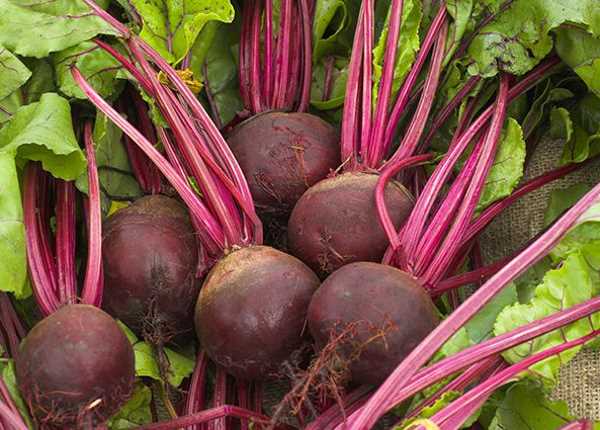
Mid-season, mid-late, and late ripening varieties have the best shelf life during winter storage. The following varieties are characterized by excellent shelf life: Bordo, Borshchevaya, Egyptian Flat, Detroit, Tsilindra, and Mulatka.
Weather
When growing beets outdoors, choose a dry, sunny day with no precipitation for harvesting. If harvesting on a sunny day is not possible and it must be done during rain or high humidity, dry the roots immediately after harvesting. Humidity and cool weather promote the rapid development of fungal diseases that cause rot and mold.
Region
Beets are a crop with a significant portion of their roots above ground level, making them vulnerable to autumn frosts. Frost-damaged roots significantly reduce their winter shelf life. Frost-damaged beets become soft and quickly spoil and rot during storage.
Therefore, it's important for gardeners to consider the region's weather conditions to harvest root crops on time and without losses. In the central part of the country, harvesting begins in the first ten days of October, while in more southern regions, it begins in late October or November.
How to determine the ripeness of beets by external signs
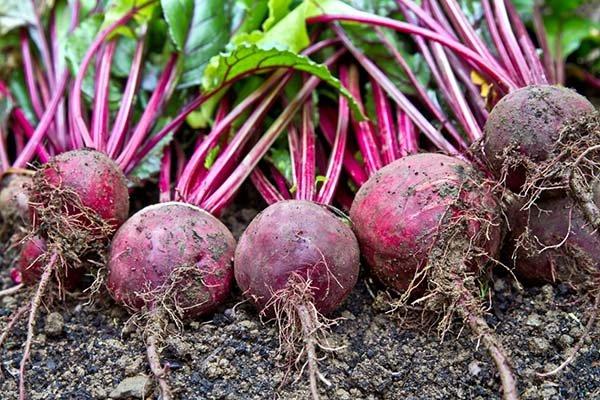
First, consider the variety's ripening period and inspect the plantings. Once the roots have reached the size they should reach according to the variety's characteristics, harvesting begins.
Also, if the number of days corresponding to the onset of technical maturity of the variety has passed, gardeners can begin harvesting after inspecting the crop. If growths appear on the surface and the lower foliage has turned yellowish and dried out, this is another sure sign that the variety is ready to harvest.

Why it is not advisable to harvest beets prematurely
Harvesting root vegetables prematurely prevents them from reaching their full size and absorbing all their juices, vitamins, and nutrients. Furthermore, harvesting them prematurely results in a loss of marketability and flavor, making the fruit more susceptible to drying out, spoilage, and rotting during storage, and the skin will not regain its elasticity.
Basic cleaning rules
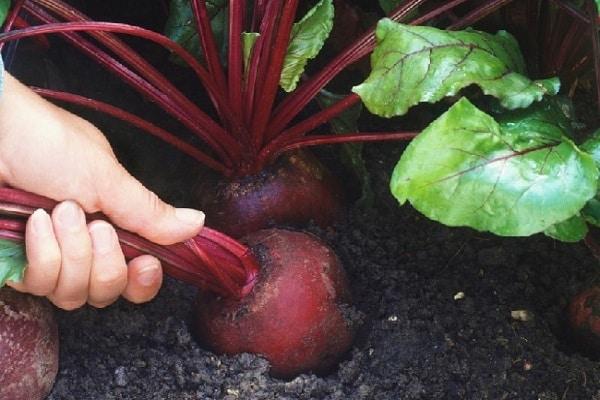
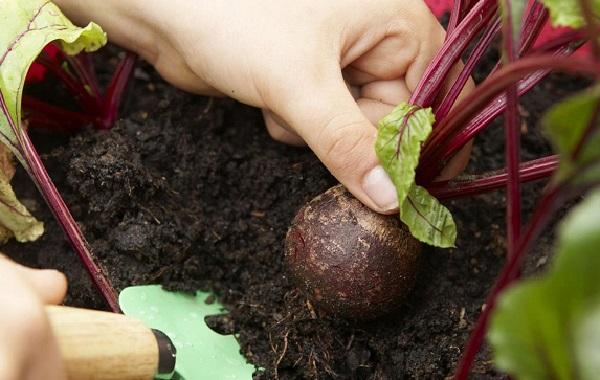
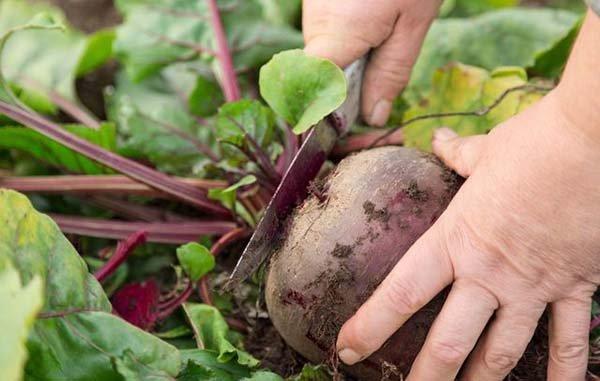
Beets must be carefully dug up from the garden, using a shovel or pitchfork to dig under the roots and gradually pull them out of the ground by the tops. It's important not to damage the roots or scratch the skin too deeply. Cracks and scratches can easily allow pathogenic bacteria and fungi to enter during storage, leading to spoilage and loss of the crop.
Preparation for storage
After harvesting root crops, a number of simple manipulations are carried out to improve their shelf life during winter storage:
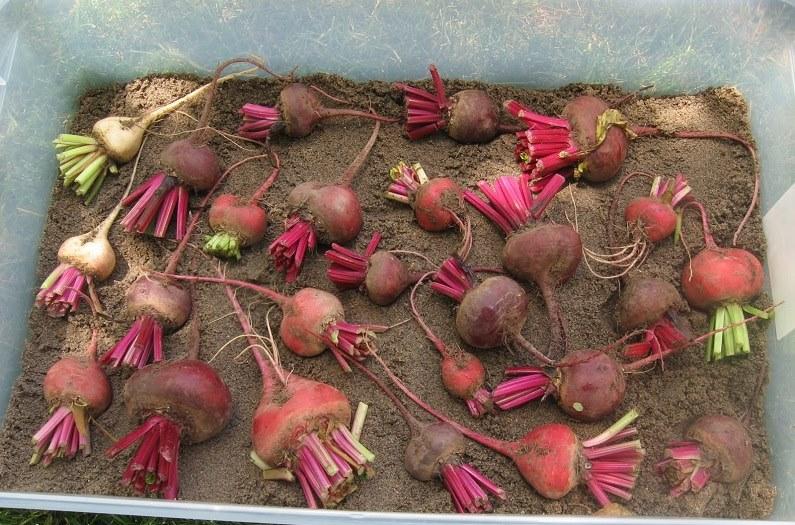
- carefully cleaning off any soil stuck to the root crops;
- pruning of thin lateral roots, the central thick root is shortened to 5-7 centimeters;
- Harvesting beet tops. They are gathered into a bunch and trimmed to a height of 1 centimeter;
- drying root vegetables.

Mistakes when harvesting beets
The main mistake gardeners make is harvesting too early or too late. Moreover, late harvesting is much more dangerous than early harvesting and can lead to crop loss. Other common mistakes include harvesting in rainy weather, not drying the roots sufficiently, and using improper digging techniques, which damage the beets.
Further storage
After timely and proper harvesting, preparation, sorting and calibration, the root crops are placed into permanent storage.
Storage methods
Different vegetables have their own best storage methods. But for root vegetables, the basic rules are similar; storing beets over winter is straightforward.
Combining beets with potatoes
An effective method is storing beets in a cellar, on potato piles or in boxes. Potato piles are ventilated, gable-shaped mounds of potatoes covered with insulating material. With this method, the root vegetables are spread evenly, thinly, on top of the potatoes. This creates favorable conditions for both crops. Potatoes prefer dry storage, while beets require more moisture. Therefore, beets will absorb the excess moisture, keeping the potatoes dry and preventing rotting.
Dipping beets in clay
First, the clay is diluted with water until it reaches the consistency of thick sour cream. Wood ash is added for additional protection against fungal diseases. Some gardeners also add chalk to the clay mixture. Each root vegetable is dipped into this solution separately and allowed to dry. The process is repeated if necessary. Once dry, they are stored.
Sprinkling beets with an absorbent
Sand, table salt, and, less commonly, wood ash are most often used as absorbents. Beets are placed in wooden or cardboard boxes, then sprinkled with sand or ash. When using sand, the beets can be completely buried in it during storage.
When using sand, it must first be calcined or steamed.
This helps protect root vegetables from potential pathogens. When salt is used as an absorbent, beets are dipped in a concentrated salt solution and dried before storage. Another method is to generously sprinkle the vegetable boxes with coarse rock salt.
Storage in plastic bags
For this method of preserving beets over the winter, plastic bags with a capacity of 10-20 kilograms are suitable. A maximum of 40 kilograms can be used. This method is suitable for small cellars and basements, and allows for significant space savings.
It is important to place bags of beets not just on the cellar floor, but on bricks, wooden pallets or stands.
This will help protect root vegetables from spoilage.
Storage conditions
To preserve the harvest, it is necessary to create the necessary storage conditions and regularly inspect the root crops wintering in the basement.
- Preparing the storage area. Inspecting, cleaning, and, if necessary, organizing the cellar.
- Check the ventilation. The air in the basement must circulate freely and not become stagnant. Otherwise, the stored root vegetables will begin to rot and spoil.
- Fumigation or whitewashing of the basement helps protect against fungal diseases.
- If there are rodents, it is necessary to combat them in advance.
- Maintaining the required humidity level at 90%.
- Maintaining the correct temperature regime, from 0°C to +2°C, is crucial. A temperature increase of just 2-3°C will result in rapid beet germination.
- Avoiding a drop in temperature – root vegetables quickly freeze and spoil.
- Regularly inspect root vegetables. If any are found to be rotten or beginning to spoil, discard them immediately.
Related posts:
 Description and characteristics of 35 best beet varieties, planting and care rules
 Description of sugar beet varieties, cultivation technology and growing conditions
 Growing and caring for beets in open ground: step-by-step agricultural technology
 Carrot care guidelines for outdoor cultivation to ensure a good harvest
 How and when to properly plant beet seeds in open ground
 Description of beetroot diseases, their control and treatment with medications and folk remedies
 Description of black carrot varieties and what kind of crop it is, cultivation features
 Description of fodder beet and its differences from sugar beet, planting and growing features