Beet herbicides come in a wide and varied range. In garden plots and on farms, products with low toxicity to humans are used. They do not accumulate in roots or soil and quickly decompose into non-toxic compounds.
Purpose of use
High-quality beet protection increases the yield of harvested root crops to 10.0-17.0 t/ha. The following treatments are required to control weeds:
- soil;
- combined;
- care after emergence.
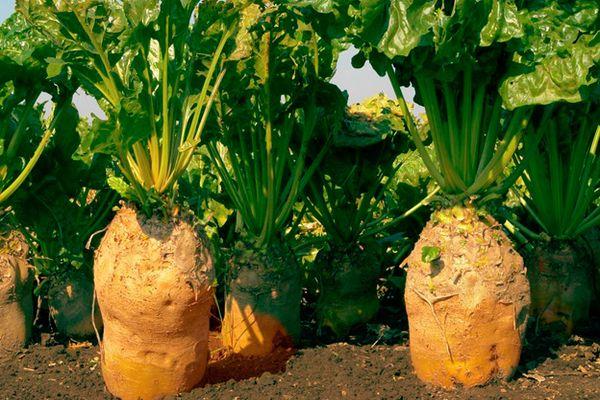
Beet herbicides destroy the vegetative germination of weeds and are applied to the entire beet crop area. To ensure large root crops, weeds are eliminated within 6-8 weeks of emergence.
To avoid losing the harvest, use the following preparations:
- Glialka;
- Pillarround;
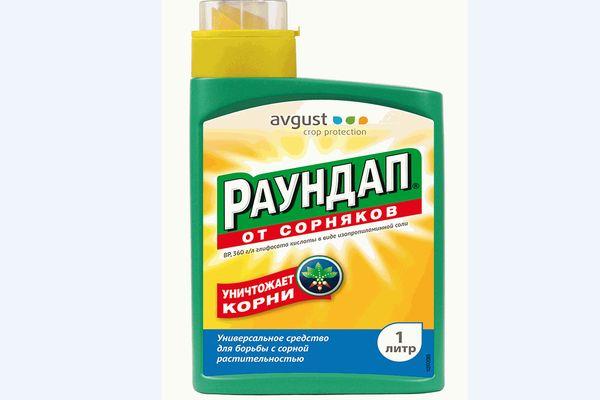
- Roundup.
To increase the effectiveness of herbicides, the following conditions are observed:
- moistening the top layer of soil;
- supplying root crops with mineral substances to accelerate the action of herbicides;
- ensuring optimal temperature;
- compliance with processing deadlines.
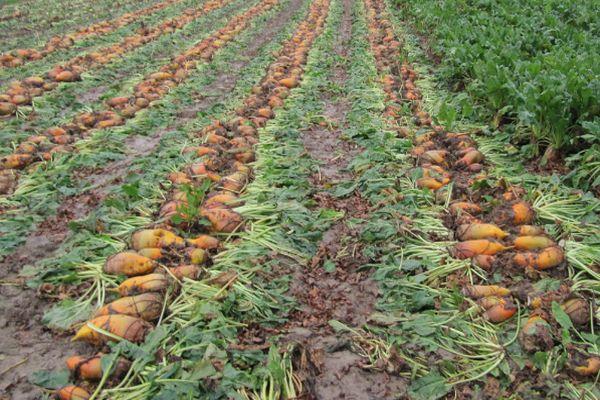
Specific climate zones require specific weed control strategies. Beets are characterized by a constant weed population. The root crop cannot compete with weeds, making the use of herbicides cost-effective.
Classification of drugs
Herbicides combine the following parameters:
- chemical composition;
- mechanism of action;
- deadlines for contributions;
- toxicity.
Drugs to combat beetroot pests are divided into 2 groups:
- continuous action;
- selective.
Contact substances destroy grass and its main parts:
- leaves;
- stems
- roots.
To combat pests, the product is applied before sowing or after emergence of crops.
Weed control products are divided into several groups:
- persistent;
- moderate;
- unstable.
Pesticides are available in granular, liquid, paste, and powder forms. They contain fillers, surfactants, and additives. To help beets, the following weed control products are used:
- Betanal;
- Caribou;
- Panther
- Bagheera;
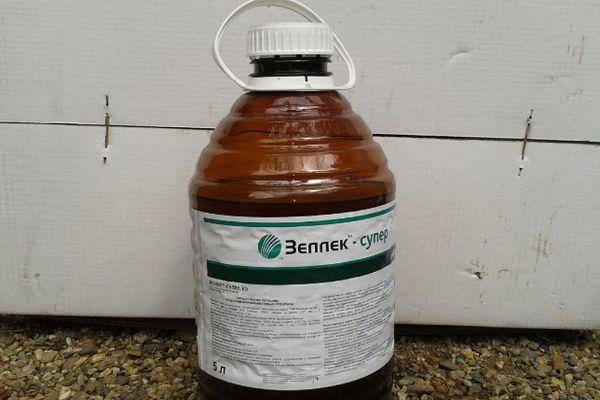
- Zellek-super;
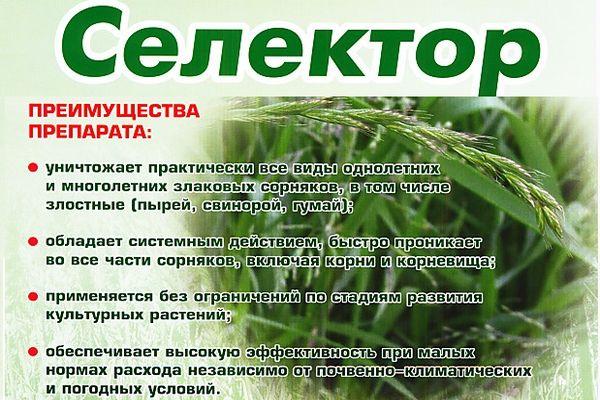
- Selector.

When determining the dosage of the drug, the following factors are taken into account:
- herbicide properties;
- weed composition;
- soil quality;
- climate;
- technology of drug application.
Herbicides are produced in various packaging, including iron drums and polyethylene bags. The container displays the product's name, the amount of active ingredient, and its intended use. The product is available as an aqueous solution or suspension, an oil concentrate, a soluble powder, a water-in-oil emulsion, or a dry, flowable suspension.
Justification of choice
First of all, the degree of weed infestation of crops is determined fodder beet, determine the type and variety of weeds. The main indicator for pesticide application is exceeding the weed's harmfulness threshold.
Before applying the product to the soil, determine:
- consumption rate;
- processing times;
- application of safety regulations;
- prevention of environmental pollution.
To treat weeds, use:
- spraying;
- application of granulated preparations.
Triflusulfuron (Karibu) is used against broadleaf weeds, including amaranth and white goosefoot. To ensure a clean crop, the herbicide application rate is 30 g/ha.
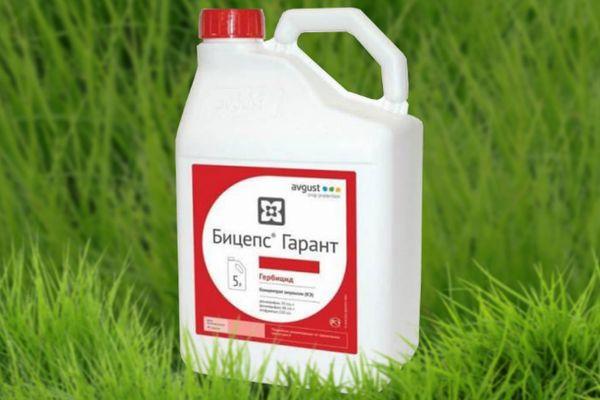
Biceps 22 and Betanal 22 are systemic pesticides. They are recommended for protecting beets from weeds and controlling all types of amaranth. The application rate is 1-3 l/ha.
Fluazifon-P-butyl destroys the following weeds:
- creeping couch grass;
- wild oats;
- pig;
- chicken millet;
- chaff.
Its effectiveness increases when sprayed on vegetative forms of weeds. The pesticide persists in the soil for 8 weeks. It is classified as a medium-hazard pesticide. The permissible level of content in beets is 0.005 mg/kg.
Features of the use of amides and benzofuran derivatives
S-metolachlor is used to control beet weeds. The application rate is 1.6 l/ha. In dry conditions, the best time to apply is before the crop emerges. The granules are incorporated into the soil to a depth of no more than 5 cm.
C-metolachlor is a leading herbicide because it inhibits weed germination, disrupts cell division, and causes shoot death and curling. The pesticide degrades in soil within 27 days. The maximum permissible concentration for beets is 0.02 mg/kg.
Take a look Also

Ethofumesate is an active ingredient in Biceps, Betaren Extract, Betan Trio, and Betanal Expert. The pesticide is absorbed by weed leaves, decomposes in water, and exhibits significant migratory activity. The application rate is sugar beets is 0.3-0.5 l/ha. The product destroys perennial weeds:
- sow thistle;
- dandelion;
- wild oats.
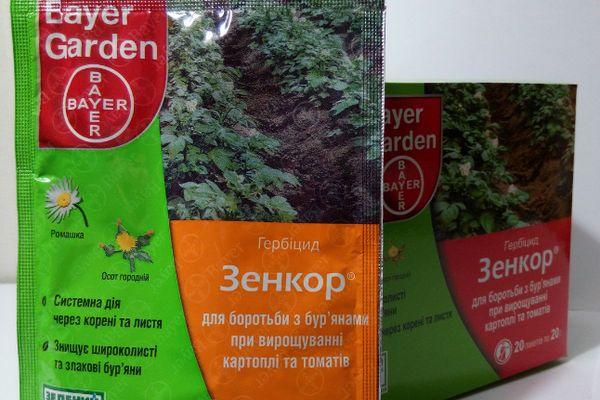
Zenkor is a highly effective weed control product for broadleaf weeds. Its effectiveness increases at high air and soil temperatures. It does not adversely affect crops planted the following year, as it decomposes in the soil within two months.
Terms of application
Before the seedlings begin to sprout, beets are treated with pesticides:
- Frontier Optima;
- Benanal;
- Expert;
- Goltins 700.
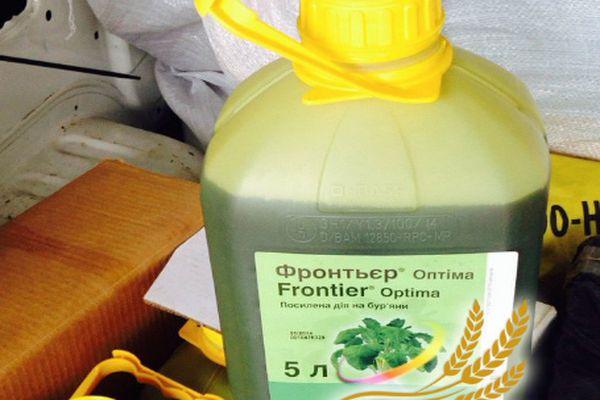
Frontver Optima is available as a concentrated emulsion. Its application kills the following weeds:
- field mustard;
- bindweed;
- buttercup;
- bristle grass;
- purple deadnettle.
The application rate is 0.8-1.2 l/ha. Treatment is scheduled after beet seedlings emerge. Weeds are controlled before planting. Granules are instilled to a depth of 3 cm. The best time for treatment is when weeds are most prevalent.
The product is distributed among the seedlings in three stages. The total amount of pesticide is applied evenly to each section.
To destroy weeds use:
- Caribou;
- Betanal;
- Expert.
Panther is a selective weed control product that kills couch grass, barnyard grass, and field sorghum. It is available in 5-liter plastic containers. After treatment, leaf chlorosis appears within three days of weed application. The weeds die within 2-3 weeks. The pesticide is used against fully emerged weeds.
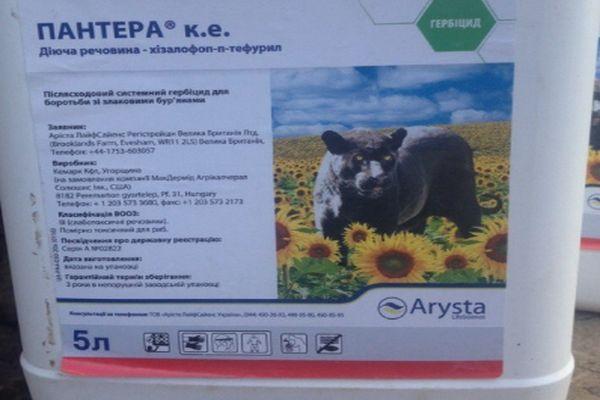
The effectiveness of Caribu increases when applied to annual broadleaf weeds in the two-true-leaf stage. After 7-15 days, the pesticide is applied again to control weeds. The application rate is 200-300 l/ha. Weeds resistant to this herbicide include:
- yellow sow thistle;
- field thistle;
- poppy;
- ragwort;
- spreading quinoa.
If precipitation occurs within 3 hours after the end of treatment, the effectiveness of the herbicide is significantly reduced.
Timely application of herbicides after beet plantings makes it possible to obtain high-quality products.
Related posts:
 Description of sugar beet varieties, cultivation technology and growing conditions
 Description and characteristics of 35 best beet varieties, planting and care rules
 How and when to properly plant beet seeds in open ground
 Description of beetroot diseases, their control and treatment with medications and folk remedies
 Growing and caring for beets in open ground: step-by-step agricultural technology
 Description of fodder beet and its differences from sugar beet, planting and growing features
 What to do if beet leaves are covered in spots, why this happens, and how to treat them
 Reasons why beet leaves turn yellow, care mistakes, what to do, and how to treat them