
- Marigold beetroot - botanical description, growing area
- History of selection
- Useful properties and nutritional value
- Varieties
- Landing
- Site selection and preparation
- Preparing the seeds
- Timing and technology of sowing
- What are the necessary conditions for germination and when should we expect seedlings?
- Further care
- Watering
- Top dressing
- Pests and diseases: protection and treatment measures
- Harvesting
- Healthy recipes
- Swiss Chard Cheesecake
- Pancakes with green leaves
- Cabbage rolls with chard
- Scrambled eggs with chard
Swiss chard is a popular variety of leaf beet in Mediterranean countries, containing numerous vitamins and minerals. It's low in calories and versatile. It can be grown in a garden, a greenhouse, or indoors. With proper cultivation practices, even inexperienced gardeners can reap a rewarding harvest. It's important to familiarize yourself with the growing and care requirements beforehand.
Marigold beetroot - botanical description, growing area
Marigold beetroot belongs to the Chenopodiaceae family and is native to Western Europe. This herbaceous plant "lives" for about two years. In the first year after planting, it forms a rosette of erect, sparsely growing leaves. They are large, rich green, and curly. The petioles reach a height of up to 25 cm and are wide in shape. The stems are strong, up to 200 cm tall, ribbed, and brittle. The fruits form clusters and ripen by September.
History of selection
Swiss chard was grown in the gardens of ancient Babylon since the 4th century BC. The crop gained popularity in Europe in the Middle Ages. In Russian gardens, Swiss chard began to be cultivated since the 18th century.
Useful properties and nutritional value
Young leaves and petioles are eaten, as they contain carbohydrates, nitrogenous elements, organic acids, carotene, vitamins B, B2, PP, potassium, calcium, phosphorus and iron. Beetroot has a pleasant taste, stimulates metabolic processes, and boosts immunity. Swiss chard's health benefits include those with diabetes, kidney stones, anemia, and high blood pressure. It also has a positive effect on radiation sickness. It's used in salads, entrees, vinaigrettes, and cold appetizers.
Varieties
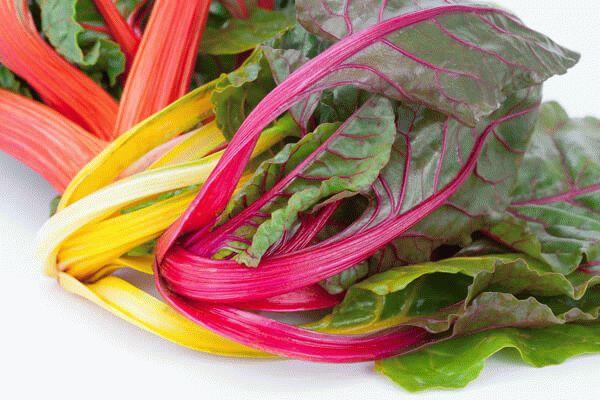
There are several varieties of Swiss chard, which differ in the color of their petioles.
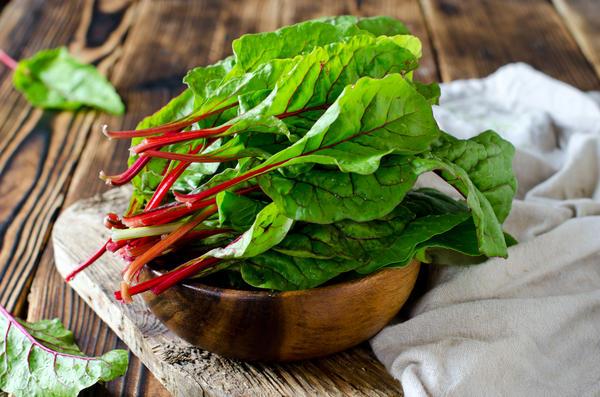
- A red-petioled variety. The petioles are dark scarlet with a purple tint, or reddish-crimson. The rosette is erect, and the leaves are emerald, with red veins.
- Silver-petiolate type. This variety of Swiss chard has white petioles with a silvery-milky hue, up to 15 cm wide. The rosette is erect or semi-erect, and the leaves are rich green or yellowish, corrugated.
- Yellow-rooted. Petioles are yellow or orange, leaves are emerald, with yellowish veins.
- Ruby. Petioles grow up to 45 cm in height, leaves are dark red with raspberry veins.
- Charlie. The leaves are green, slightly corrugated, with rich burgundy petioles. They grow up to 40 cm long. The stem is erect and strong, the foliage is fleshy and succulent.
- Emerald. The emerald variety of chard features rich green, curly leaves and white petioles. The plant reaches 50 cm in height, with fruits measuring 20-25 cm.


Each variety of Swiss chard contains the same amount of vitamins and beneficial microelements.
Landing
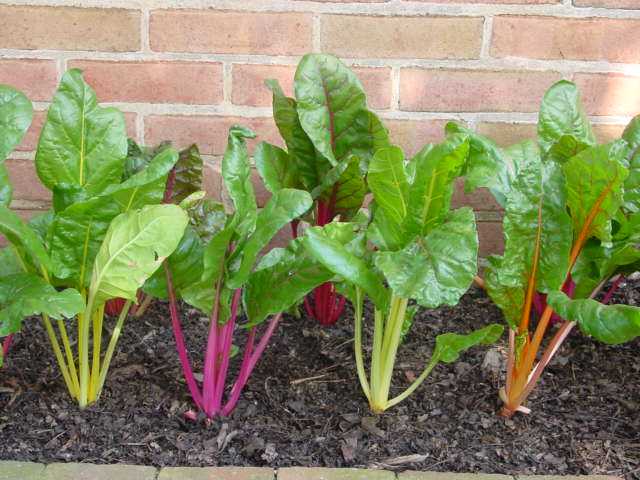
It's recommended to plant Swiss chard in a sunny location. Planting it in a shaded area will reduce the yield and weaken the beet's immune system. It's planted according to the standard pattern for similar vegetables; no special cultivation techniques are required.
Site selection and preparation
Swiss chard is demanding when it comes to soil composition. It's best planted in fertile, moist, loose soils, avoiding waterlogging. It especially prefers soils rich in potassium and nitrogen with a neutral, acidic pH of 6.5-7. This variety is cold-hardy and can survive winters in the south, producing early regrowth.
Preparing the seeds
Seeds should be purchased of high quality, with the production date and specific variety indicated on the packaging. Before planting, discard damaged or deformed plants. Two days before planting, soak them in a potassium permanganate solution to disinfect them.
Timing and technology of sowing
Swiss chard seeds should be sown in late April, but in the south they can be planted as late as August. Plant the seeds 2.5 cm deep, leaving 40 cm between seedlings.
What are the necessary conditions for germination and when should we expect seedlings?
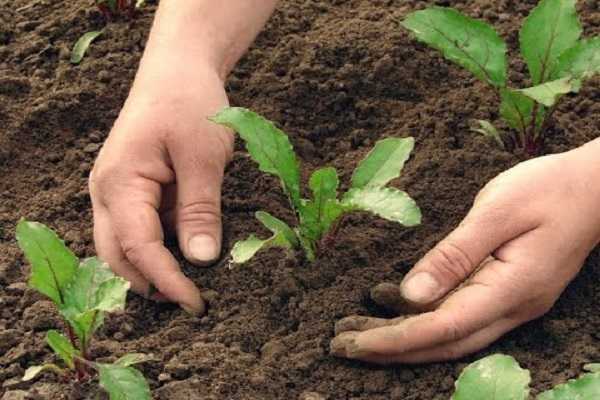
Growing and caring for Swiss chard isn't labor-intensive, but it's important to put in the effort to achieve a decent harvest. The first sprouts will appear in 1.5-2 weeks. Once the plant has five leaves, thin the seedlings. Only one, the healthiest, plant is left in each bed. Removed sprouts can be replanted, or the soil can be firmed around them.
Further care
Caring for Swiss chard outdoors involves regular watering, loosening the soil, and fertilizing the plants. It's best to perform irrigation and fertilizing simultaneously.
Watering
During dry periods, it is necessary to water the chard twice a week. If there is regular rainfall, reduce the frequency of watering to once every 7 days. Pour settled water under the rhizome.
Top dressing
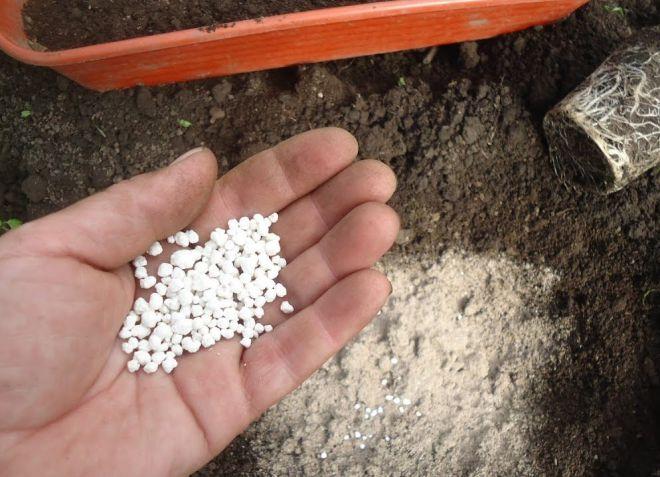
During the growing season, Swiss chard is fertilized 2-3 times. The first application is done 7-10 days after germination, with nitrogen added. The second and third applications involve the addition of complex fertilizers, spaced 20 days apart.
To avoid the accumulation of nitrates, the dose indicated in the instructions for the product should be reduced by half.
Pests and diseases: protection and treatment measures
Swiss chard has strong resistance to diseases and beetles, but it is sometimes attacked by slugs. There is also a risk of fungal diseases if seedlings are not thinned out in a timely manner. When symptoms of disease or beetle infestations become visible on plants, fungicides and insecticides are used.
Harvesting
The harvest is collected by cutting the petioles with leaves. No more than ¼ of the green mass should be removed at a time to avoid damaging the plant. The first harvest can be expected 2 months and 10 days after germination.
Healthy recipes
Below are popular recipes for delicious Swiss chard dishes. They're easy to prepare and budget-friendly.
Swiss Chard Cheesecake
To prepare a cheesecake with Swiss chard, you will need the following products:
- half a kilo of Swiss chard;
- 250 ml milk;
- 1 bay leaf;
- 1 small onion;
- 30 g butter;
- 1 tbsp flour;
- spices, salt to taste.
Bring the milk, bay leaf, and onion to a boil, cool, and strain. Melt the butter, add the flour, and stir. Pour the milk in a thin stream, heating until the mixture thickens. Add pepper, salt, and nutmeg. Pour the beet leaves into boiling water for 3 minutes, squeeze out the excess, chop coarsely, and add to the sauce. Heat the ingredients until boiling, stirring occasionally. Season with salt and pepper. Place the mixture in a heatproof container, sprinkle with grated cheese, and cook for 30 minutes.

Pancakes with green leaves
To make Swiss chard pancakes, you will need the following ingredients:
- flour – 1 cup;
- green;
- 100 g Swiss chard;
- 2 eggs;
- soda on the tip of a knife;
- salt, spices;
- 1 glass of kefir.

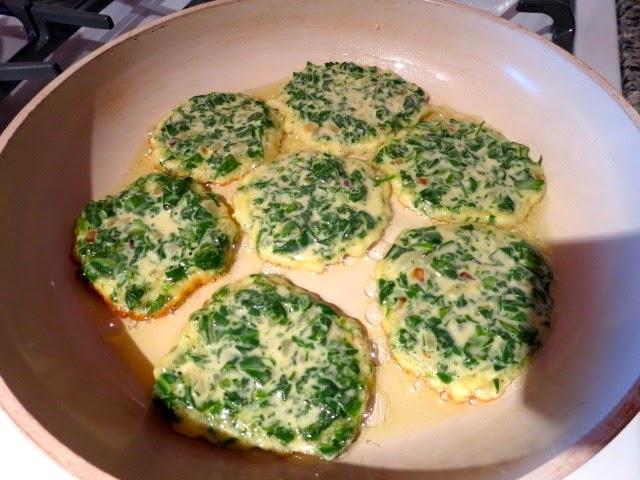
Wash the greens and Swiss chard and cut into thin strips. Knead a dough with eggs, flour, salt, baking soda, and kefir. Add the chopped vegetables and mix well. Place a tablespoon of dough in a preheated frying pan and fry on both sides.
Cabbage rolls with chard
To prepare cabbage rolls from Swiss chard, prepare the following ingredients:
- cabbage leaves – 500 g;
- minced chicken/beef/pork;
- sour cream – 1 cup;
- 1 carrot;
- 1 onion;
- 1 tbsp tomato paste;
- spices to taste.
Place the Swiss chard leaves in salted boiling water for 5 minutes, beat lightly, and trim off any tough veins. Fry the seasoned and salted minced meat in a pan with the sautéed carrots and onions. Place the mixture in the beet leaves, wrap them, and simmer for 40 minutes. Then, pour in sour cream and tomato paste, and simmer for another 10 minutes.
Scrambled eggs with chard
To prepare scrambled eggs with chard, take:
- 2 eggs;
- 50 g chopped beetroot;
- spices, salt.
Crack the eggs, pour them into a preheated frying pan, add herbs, spices, and salt. Fry until done.
Related posts:
 The best recipes for preparing Swiss chard for the winter and storing the prepared product
 Description of the Swiss Chard variety and cultivation of Swiss chard
 What to do if your pepper's leaves are curling, proper care and treatment
 Why do cucumber leaves curl inward and what to do about it?
 Planting, growing, and caring for Chinese cabbage in open ground
 Causes and treatment of eggplant pests and diseases, how to combat them at home
 Why cabbage leaves wilt in the garden and what to do
 Growing and caring for hazelnuts in open ground, rules for planting hazelnuts