
- The Pros and Cons of Growing Chinese Cabbage
- Characteristics and distinctive features of the vegetable
- How is it growing?
- When is Chinese cabbage ripe?
- Beneficial properties and harm
- Possible diseases and pests of the crop
- Necessary conditions for growth and head formation
- Requirements for soil composition
- Lighting and temperature conditions
- Shade or sunny place?
- Landing features
- Growing from seeds
- Seedling method
- From the cabbage stalk
- Growing and care in open ground
- Optimal timing for sowing seedlings
- When to transplant into open ground
- Is picking carried out?
- Fertilizing and watering
- Preventive treatment against insects and diseases
- Loosening and caring for beds
- Harvesting and storing Chinese cabbage
- Variety of varieties
- Pak choi
- Martin
- Bok choy
- glass
- Alyonushka
Chinese cabbage is sometimes called Asian cabbage. Its origin is China, hence its common name. The plant has been cultivated there for 3,000 years. It became known in Russia and Europe in the late 19th century, but it only became widespread in the late 20th century.
This is a valuable vegetable for those who prefer a healthy diet, as it is a dietary product and contains a large number of nutrients. It is often included in dietary plans.
This crop is now grown not only in Asian countries but also in many other regions. Several varieties of the vegetable have been developed. Chinese cabbage is often confused with Napa cabbage. However, they are quite different in both appearance and taste. What Chinese cabbage is, how to grow it, and how to care for it will be discussed below.
The Pros and Cons of Growing Chinese Cabbage
This crop can be successfully grown not only on an industrial scale, but also in the countryside.
Cabbage has a number of obvious advantages:
- Bright, piquant taste.
- Early maturity.
- Relative unpretentiousness.
- Frost resistance.
- High yield.
- Long shelf life of fruits.
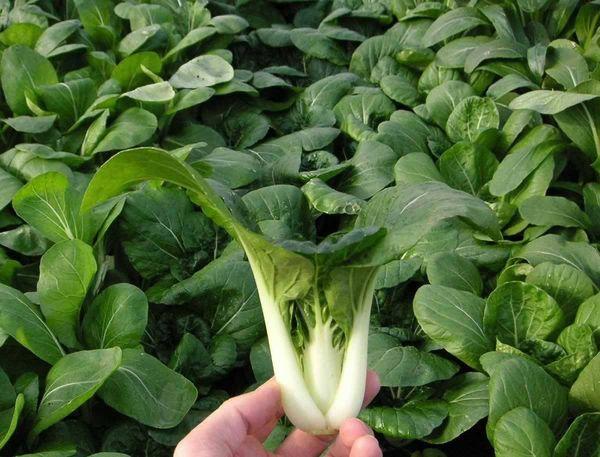 Cabbage has a beautiful decorative rosette, so it can also be a decoration for a summer cottage.
Characteristics and distinctive features of the vegetable
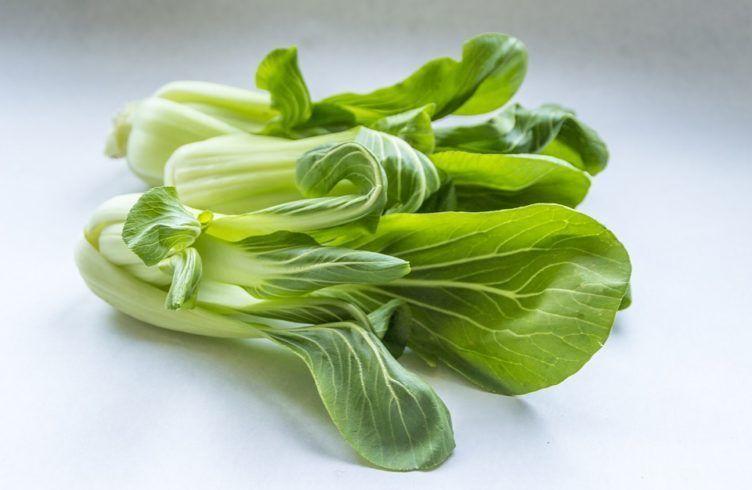
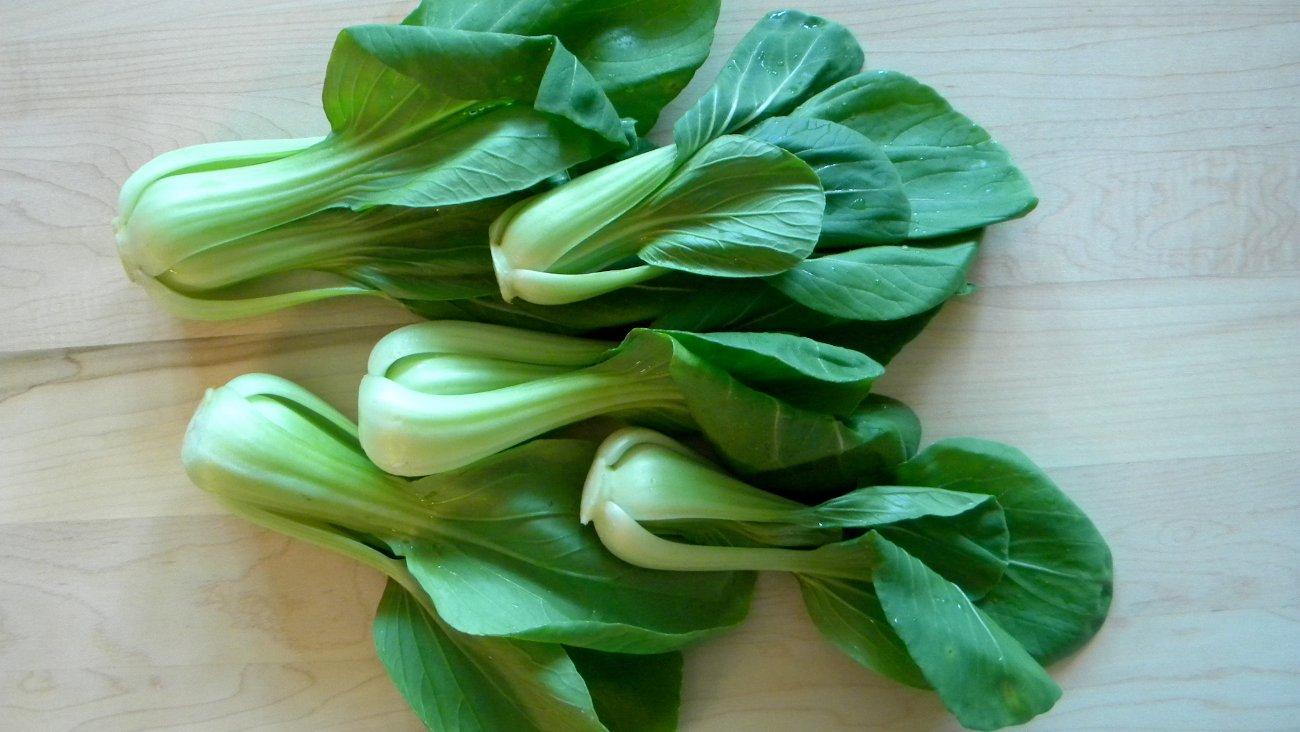
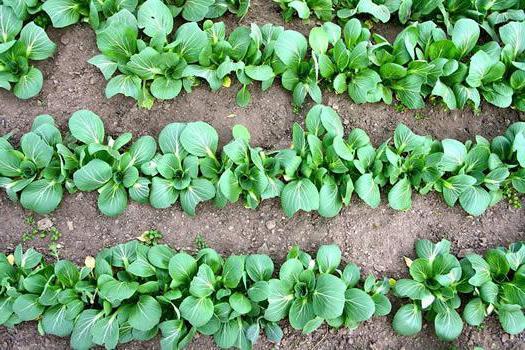
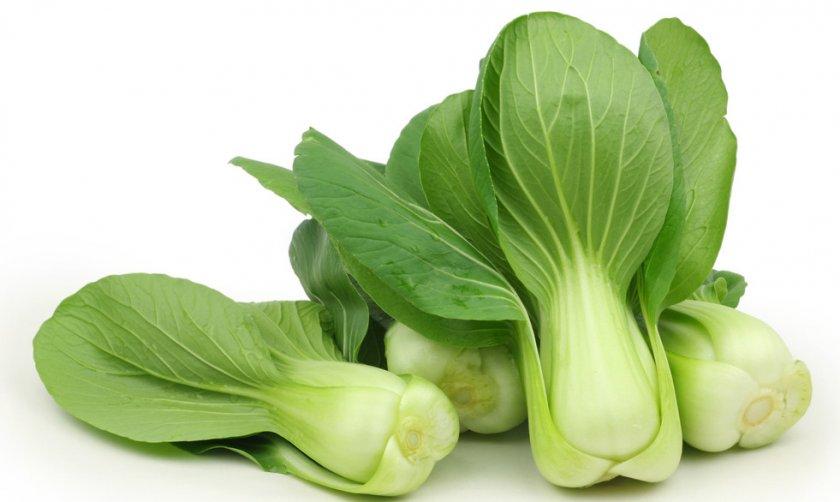
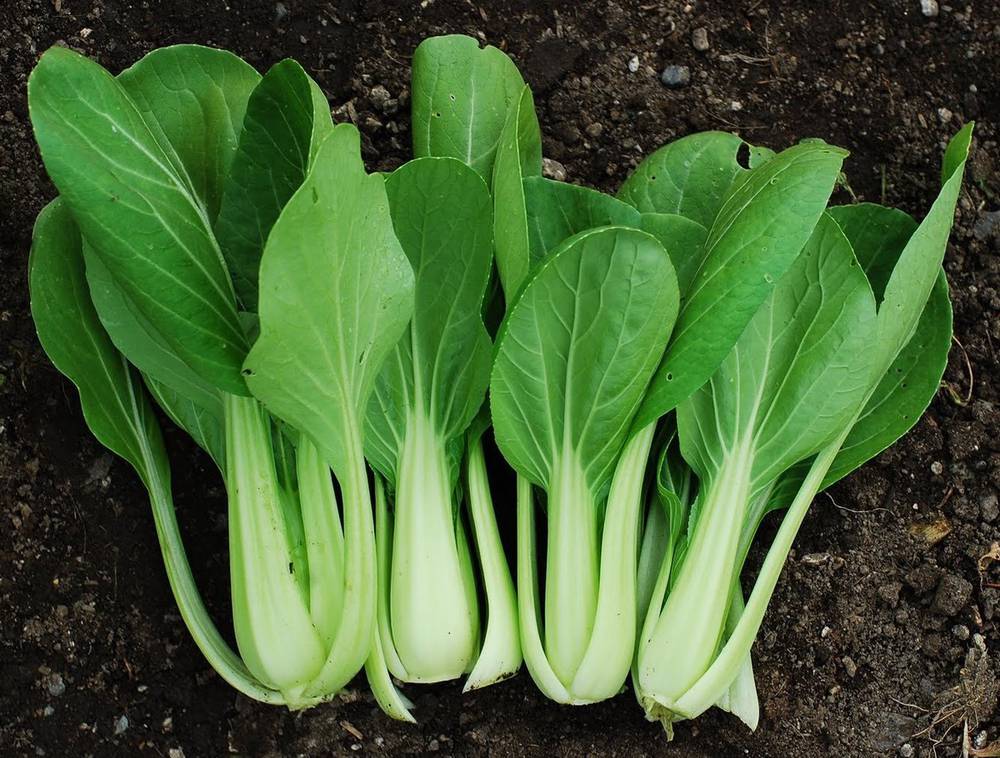
Ripe Chinese cabbage is slightly smaller than Napa cabbage. The plant has dark green leaves that do not form a dense head, but are arranged on dense stems around the main trunk.
How is it growing?
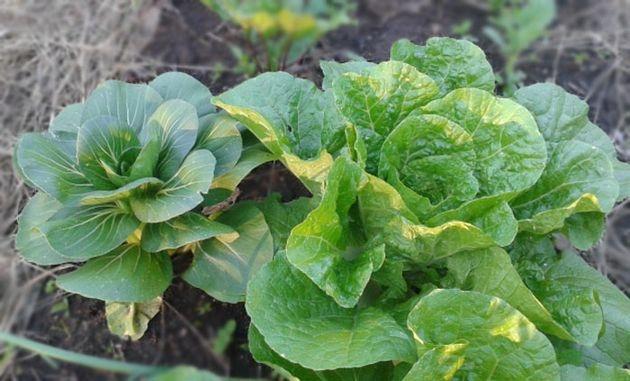
It is an annual, or less commonly biennial, crop. The plant's leaves and petioles are eaten, hence its other name—petiolate cabbage. When mature, the plant reaches a height of about 30 cm. The rosette diameter is approximately 20 cm. It has strong, fleshy leaves that range in color from white to green.
When is Chinese cabbage ripe?
Given the right conditions, Chinese cabbage can be harvested year-round. Outdoor cultivation produces the vegetable in summer and fall.
Beneficial properties and harm
Cabbage has antibacterial properties. In China, it is used not only for cooking but also for healing wounds and burns. Cabbage contains a large amount of folate and beneficial amino acids. It is low in calories—only 13 kcal per 100 g. The leaves taste similar to spinach. When eaten raw, cabbage retains the most vitamins.
It is also used in the preparation of dishes requiring heat treatment, as well as for pickling.
Including Chinese cabbage leaves in your diet will help stabilize gastrointestinal function. Cabbage prevents the development of cardiovascular diseases and cancer. The leaves retain their beneficial properties well throughout their shelf life.
Fresh Chinese cabbage leaves should not be consumed simultaneously with dairy products. Even in healthy individuals, this combination can cause digestive upset, and in those with pancreatic disease, it can trigger severe pain. It should be excluded from the diet if you have colitis, food poisoning, or diarrhea.
In large quantities, this vegetable can lead to a significant drop in blood pressure. Cabbage can also cause excessive gas formation in the intestines.
One drawback is that young shoots are preferred for consumption. The lower part of the leaves becomes too tough over time and is unsuitable for use.
Possible diseases and pests of the crop
Cabbage leaves in garden beds are often attacked by the following insects:
- bedbugs;
- cruciferous flea beetles;
- mole cricket;
- firefly;
- wireworm;
- turnip white butterfly;
- slugs;
- aphid;
- flower beetle;
- petiolate mosquitoes.
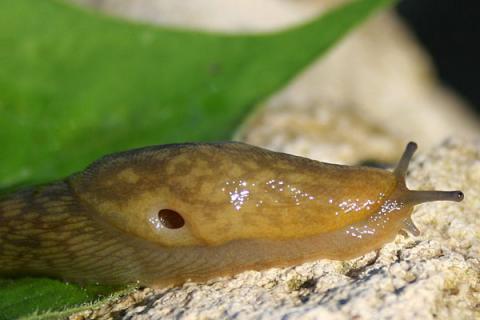
Spraying with chlorophos and dusting the bushes with wood ash helps get rid of pests.
The plant may be susceptible to the following diseases:
- Clubroot. A bacterial infection of roots that occurs in conditions of high humidity or acidic soil.
- Gray mold is a fungal disease that causes brown spots to appear on the leaves.
- Downy mildew. Initially, a white coating appears on the leaves, then the leaves fall off.
- Slime bacteriosis. This bacterial disease often occurs when plant parts are mechanically damaged.
- Blackleg. A fungal disease that develops on seeds or young shoots. As a result, leaves fall off and the plant dies.
If fungal diseases have already affected the plant in its early stages, simply removing the damaged leaves and treating the plant will be sufficient. If the infestation is severe, the plant will need to be removed.
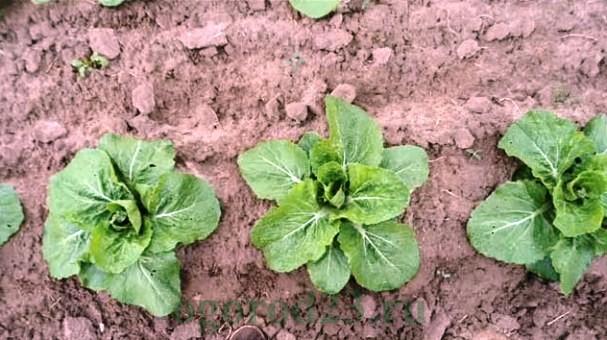
A good preventative measure would be to regularly loosen the top layer of soil and remove weeds.
Necessary conditions for growth and head formation
The plant is unpretentious, but it is worth knowing about some features of agricultural technology and taking them into account when planting and caring for the crop.
Requirements for soil composition
The soil should be neutral in pH and fairly loose but fertile. The plant's growing location should be chosen so that excess water does not stagnate. The site should also be protected from strong drafts, as the Chinese orchid has a weak root system.
Lighting and temperature conditions
When caring for plants, it's important to monitor heat and humidity levels. Ideally, a temperature no higher than 20 degrees Celsius (68 degrees Fahrenheit) will cause the plant to produce flower stalks.
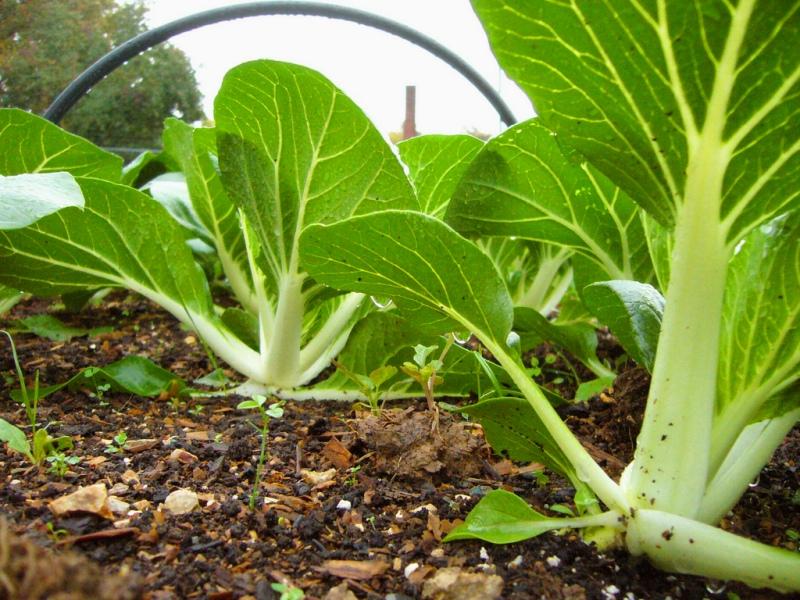
Cabbage has excellent frost resistance, but it should be planted at temperatures no lower than 15 degrees Celsius. During the first few weeks, the plants should be covered with plastic film to protect them from possible spring frosts.
Shade or sunny place?
Well-lit areas are ideal for growing this crop. Some varieties tolerate brief periods of shade.
Landing features
Chinese cabbage can be planted after legumes, potatoes, carrots, onions, and garlic. It is highly recommended not to plant it where tomatoes were previously grown, as it can be damaged by insect pests and diseases.
 It is not recommended to grow this crop in soil previously sown with radishes or any other cabbage variety. In such soil, Chinese cabbage should only be planted after four years. There are several ways to grow vegetables.
Growing from seeds
This method of growing seeds requires preliminary preparation. This increases the chances of successful germination. Place the seeds in a piece of cloth or cheesecloth, immerse them in warm water for 20-30 minutes, then cool them in the water for 1-2 minutes. Then, treat the seeds with a special solution for 12 hours. If they are not planted immediately after treatment, they should be stored in the refrigerator at -9 degrees Celsius.
Take a look Also
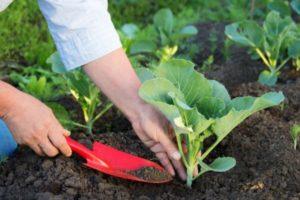
The treated seeds are placed in prepared, moist soil and buried to a depth of 1.5 cm. Cabbage grown from seeds ripens later than that grown from seedlings.
Seedling method
This growing method reduces the risk of crop loss. Cabbage seed germination is approximately 70%, while seedling germination is 90%. Fruit also appears much earlier. Seedlings are planted in a prepared substrate consisting of the following components:
- Coconut soil.
- Humus.
It's best to place the seedlings in a peat pot. The plant should be transplanted directly into the soil. This is very convenient and helps prevent damage to the young plants. Plant 2-3 seeds per pot. Once the first shoots emerge, ensure they receive sufficient light.
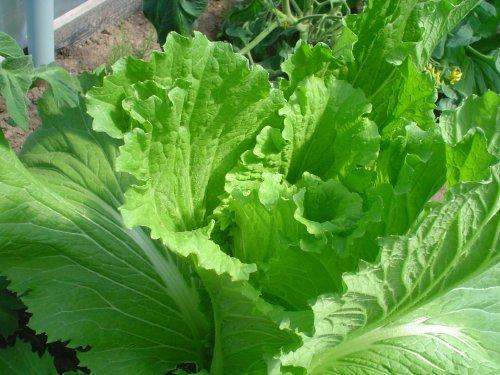
Watering should be moderate, along with light loosening of the soil. Ten days before planting outdoors, the plants should be moved outdoors to allow them to acclimate. Weak shoots should be removed, leaving the strongest ones. Watering should be stopped 2-3 days before planting in the garden beds.
From the cabbage stalk
Cabbage can even be grown from a cabbage stalk. To do this, cut off the lower part so that it's at least 5 cm long. The cut leaves can be used as food. Place the remaining leaves in a container of water and keep in a cool, but not cold, place. After a while, roots will appear. Carefully transplant the plant into a pot, taking care not to damage the roots. The stalk itself should be above ground.
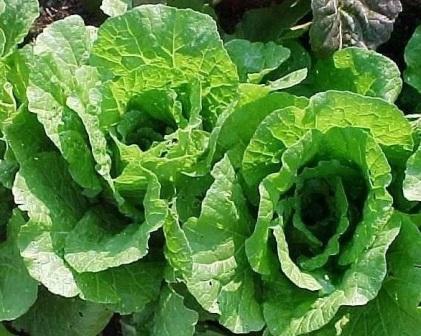
After 7-10 days, the first leaves will appear. They are now ready for use. The cabbage can then be planted outdoors.
Growing and care in open ground
Following some basic agricultural practices will allow you to grow a good cabbage harvest.
Optimal timing for sowing seedlings
Seedlings should be grown one month before planting outdoors. To ensure a good summer harvest, start growing seedlings from seeds in late March. If a later harvest is planned, seedlings should be grown in late June.
When to transplant into open ground
The best time to plant seedlings in the garden is May. For a late harvest, plant them in July.
Is picking carried out?
Pricking out (transplanting seedlings into larger containers) is necessary when two strong shoots have grown in a single peat pot. Then, carefully separate the seedlings and replant them in separate containers.
Fertilizing and watering
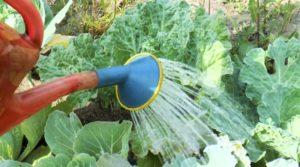
Watering should be sufficient, but not excessive, to prevent root rot. On average, at least 15 liters of water per square meter is required. The plant tolerates organic fertilizers well, but manure is not recommended. Humus is added to the soil after the last harvest and the soil is tilled. The soil will be ready for the next season.
The crop should be treated with a nitrogen solution 3 times during the entire season:
- After planting in the ground.
- During the period of formation of the first leaves.
- During the period of head formation.
During the formation of the head, it is advisable to tie the cabbage leaves into a head-like formation.
Preventive treatment against insects and diseases
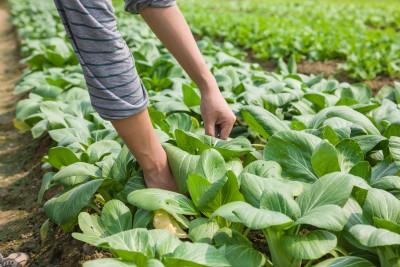
The main damage to this crop is caused by flea beetles. To get rid of them, treat the plants with a tobacco infusion or vinegar solution.
To prevent damage from other insect pests, plants should be treated once a week with a mixture of tobacco dust and wood ash.
Loosening and caring for beds
Loosening the soil is done simultaneously with watering. It's also important to remove weeds in the garden promptly. This procedure must be carried out very carefully, as it can easily damage the plant.
Harvesting and storing Chinese cabbage
The harvest is done in two ways: by cutting off the entire head or by removing individual leaves. The best time to harvest is morning, as this is when the leaves are most saturated with moisture.
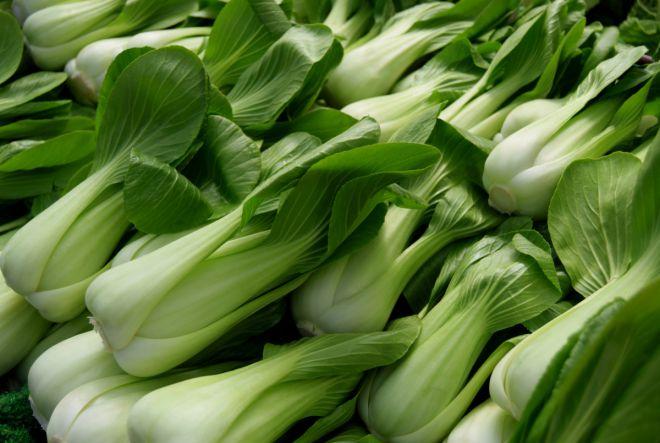
For longer storage, remove the leaves from the stems of the harvested cabbage and rinse them with water. Wrap them in a piece of cloth soaked in water or in plastic wrap and store in the refrigerator. This cabbage can be stored in the refrigerator for up to 14 days. In late fall, when temperatures drop to -3-4°C (-3-4°F), you can dig up the cabbage bush and bury it in damp sand in the basement, then replant it in the garden in the spring.
Variety of varieties
Modern varieties of Chinese cabbage have adapted to new conditions and are quite suitable for cultivation in central Russia.
Pak choi
This is the most common variety of Chinese cabbage. It is the progenitor of other varieties. It is distinguished by its excellent taste.
Martin
This is an early-ripening variety. Its leaves are light green and fleshy. Fruits of this variety can weigh up to 1 kg. Unlike other varieties, this cultivar tolerates short periods of darkness well, as well as sudden temperature fluctuations. It produces high, consistent yields.
Bok choy
The ripe fruits of this variety are somewhat smaller than those of other cultivars. It has dark green leaves that do not form a dense head, but are arranged on dense stems around the main trunk. This variety is most commonly grown in Asian countries.
glass
It gets its name from the distinctive shape of its fruit. Like other varieties of Chinese cabbage, it doesn't form a head, but the leaves form a wide, goblet-like shape. The leaves are wide, dense, and crisp, with a pleasant, slightly spicy flavor.
Alyonushka
One of the most popular varieties among gardeners. Ripe fruits can weigh up to 1.5 kg. It is an early ripening variety. a type of cabbage with leafy leaves A medium-sized rosette. The petioles are dense and wide. It's especially good because it can produce two crops throughout the season.
The Lebedushka, Vesnyanka, and Pava varieties are also recommended for growing in garden plots. In conclusion, I'd like to note that Chinese cabbage is a very good choice for gardeners.
Related posts:
 Description of the best cabbage varieties for 2025 for different regions
 Growing and caring for Chinese cabbage in open ground and greenhouses
 Planting, growing, and caring for cauliflower in open ground and greenhouses
 Why cabbage leaves wilt in the garden and what to do
 Description of the best early cabbage varieties, cultivation and care in open ground
 Description and characteristics of the best varieties of late cabbage, planting and care technology
 Top 40 Best Cabbage Varieties with Descriptions and Characteristics
 Description of Japanese cabbage varieties, cultivation and care features