
- Characteristics of the culture
- History of selection
- Advantages and disadvantages of culture
- Scope of application
- Benefits of using
- Productivity and fruiting
- Susceptibility to diseases and pests
- Popular varieties of Japanese cabbage
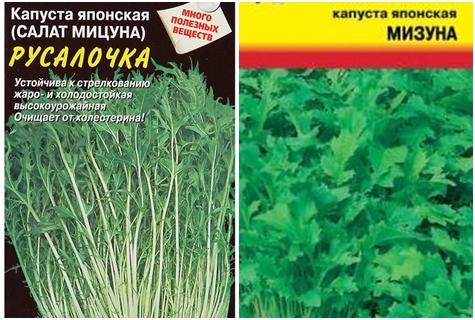
- The Little Mermaid
- Dude
- Emerald pattern
- Mizuna
- Mibuna
- Cyclops
- Growing rules
- Planting seeds for seedlings
- Timing and technology for transplanting into open ground
- How to care for cabbage
- Proper watering
- Fertilization
- Mulching and loosening the beds
- Preventive treatments
- The nuances of harvesting and storing crops
- Reviews from experienced gardeners
Little-known Japanese cabbage has a number of advantages, and growing and caring for it is easy. This salad cabbage variety delights gardeners with its abundant sprouts in early summer. However, the seeds need to be sown for seedlings as early as March. Japanese cabbage leaves are rich in vitamins, which is why it is grown in insulated greenhouses year-round.
Characteristics of the culture
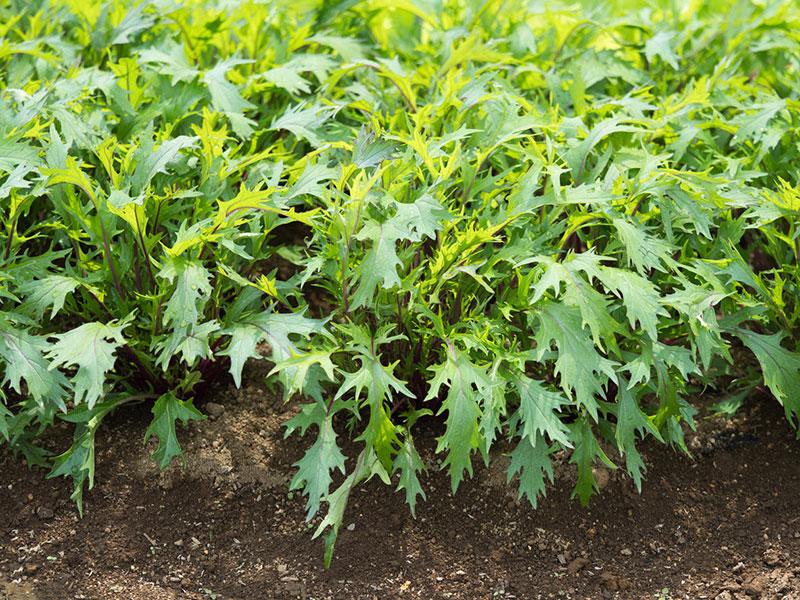
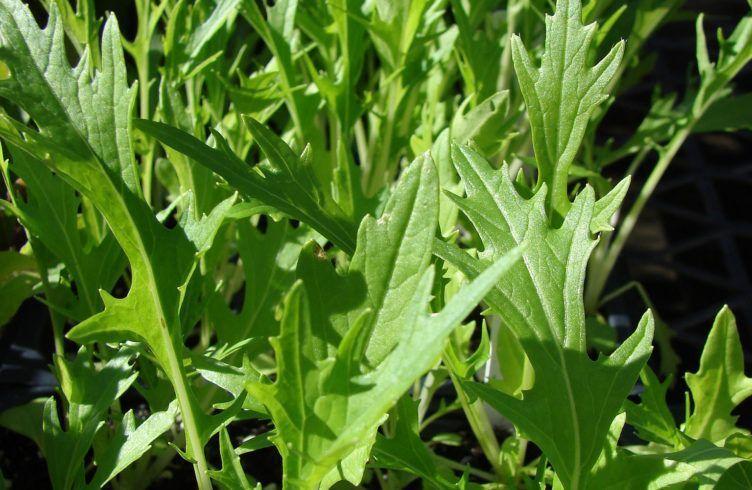
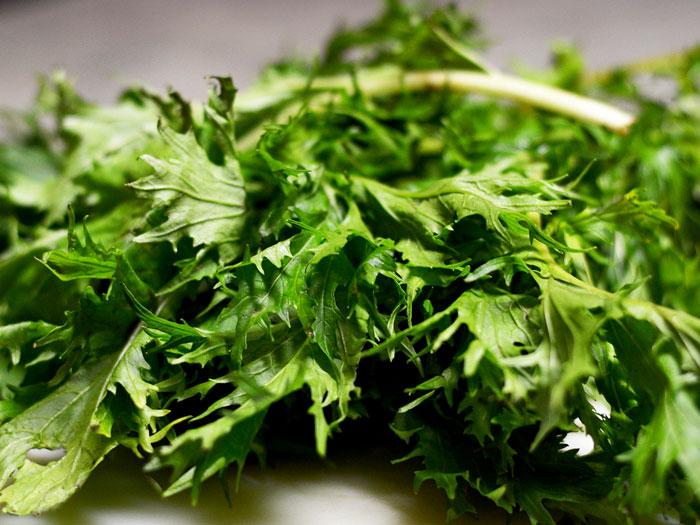
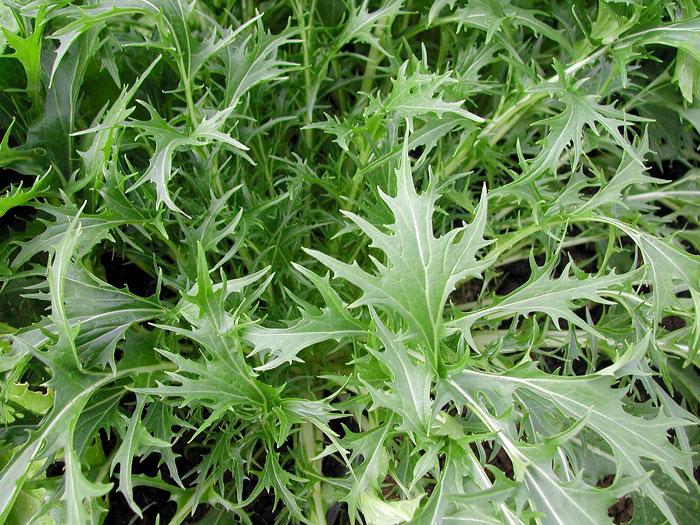
Japanese cabbage is an exotic East Asian crop. It is grown for its tender green leaves, which taste similar to radishes. Different varieties can be harvested 35 to 75 days after sowing. As they grow, the plant forms lush rosettes of lanceolate or lobed leaves, which are grown in garden beds or greenhouses. Due to its unique appearance, this Japanese cabbage variety is used in landscape design for landscaping flowerbeds.
History of selection
Japanese cabbage is native to China. However, it has been cultivated in Japan since ancient times. For the people of that country, it's as familiar a vegetable as white cabbage is to us.
It is used in salads, soups and stews, and is part of the national dish nabemono (a type of stew).
This early-ripening crop is somewhat similar to Napa cabbage and Chinese cabbage. However, it doesn't form a head. It is grown for its lush rosette of green or slightly purple, serrated leaves. Due to its beautiful appearance, it is often confused with an ornamental plant..
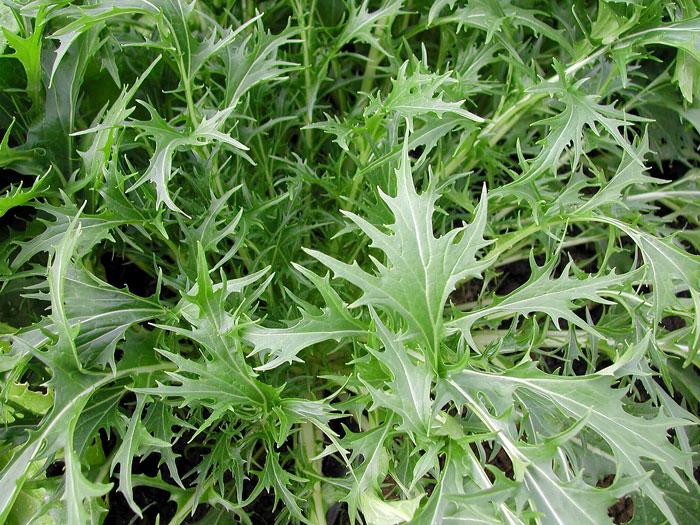
However, Japanese cabbage is loved for its tender, tasty leaves. The mustard oils in the leaves impart a piquant flavor. Cabbage can be harvested 1-2 months after planting.
Advantages and disadvantages of culture
Pros:
- early ripening;
- resistance to adverse weather conditions and diseases;
- high yield;
- excellent taste characteristics;
- a large supply of vitamins and microelements.
Cons:
- after cutting it cannot be stored for long;
- requires regular watering.
Scope of application
Japanese cabbage leaves are an excellent remedy for spring vitamin deficiency. They are eaten fresh, added to salads, and placed on sandwiches. The leaves taste similar to radish, but are not as pungent as arugula. Japanese cabbage leaves have less bitterness due to their low mustard oil content. They can be added to cottage cheese, feta cheese, and meat and fish dishes.
Cabbage can also be used like spinach, adding it to meat or cottage cheese casseroles and pies.
Benefits of using
Japanese cabbage is considered a dietary product (16 kilocalories). It is prescribed for the prevention and treatment of gastrointestinal, cardiac, and vascular diseases. It is also used to treat cancer, gastritis, and stomach ulcers. Japanese cabbage is rich in carotene, ascorbic acid, vitamins (C, PP, B1, B2), and trace elements (calcium, potassium, phosphorus, and iron).
Productivity and fruiting
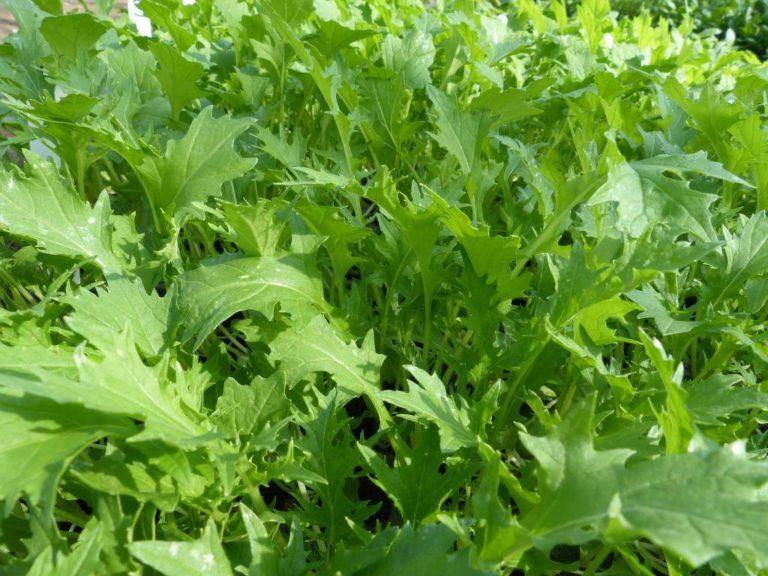
Even a beginner can grow Japanese cabbage. It tolerates heat well and survives short frosts, but requires regular watering. Japanese cabbage can be harvested throughout the summer, right into late autumn. After harvesting, new leaves grow. You can cut the entire rosette at once and store it in the refrigerator for about two weeks. The entire plant (including all leaves) weighs 400-1,500 grams.
Take a look Also
At the end of the season, a cone-shaped root crop, reminiscent of rutabaga in flavor, emerges from the base of the rosette. By the second year, this crop produces a flower stalk and seeds. However, if daylight is too long, some plants begin to reproduce in the very first season.
Susceptibility to diseases and pests
Japanese cabbage is a favorite pest of flea beetles, cabbage aphids, slugs, and mole crickets. These insects bore holes in its leaves and lay larvae and eggs. Folk remedies are used to control these pests, as chemical ones can harm the plant.
Cabbage can get clubroot., blackleg, downy mildew, and phoma. Signs of disease include yellow or dark spots on leaves, darkening of the lower stem, and leaf drying. Disinfection of seeds with potassium permanganate before planting and liming of the soil help prevent diseases.
Popular varieties of Japanese cabbage
There are several popular varieties of Japanese cabbage that have proven themselves in Russian gardens. They differ in maturity time, leaf appearance, and flavor.
The Little Mermaid
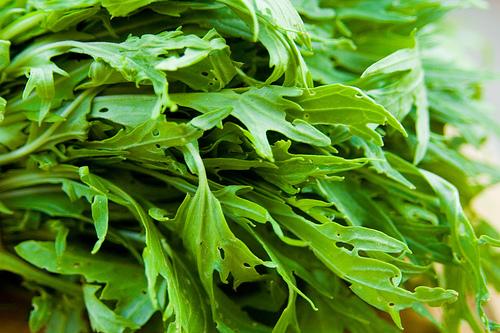
A mid-season crop with a mustard flavor. The harvest is ready 65 days after sowing. It forms a lush rosette of 45-65 leaves. The rosette is 70 centimeters in diameter and 40 centimeters in height. The leaves are green, oblong, and smooth, with serrated edges. Each rosette weighs 1.5 kilograms. Cabbage can be grown in a garden bed from spring to late fall, with several seasons.
Dude
An ultra-early variety, it ripens in 35 days. It has deeply dissected leaves and a horizontal rosette. It has a piquant flavor, somewhat reminiscent of horseradish. Each rosette weighs 455 grams. Seeds are sown for seedlings in April, and the seedlings are transplanted to the garden in May. The harvest can be collected from June through autumn.
Emerald pattern
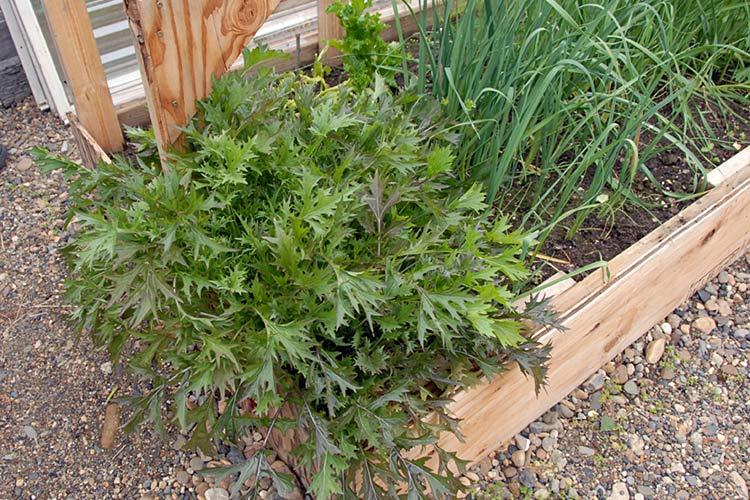
The leaves of this variety of Japanese cabbage are dark green, dissected, and feathery. Harvesting begins in 60 days. The rosette is lush and raised, reaching 36 centimeters in height and 56 centimeters in diameter. The entire plant weighs 0.8-1.2 kilograms. A single rosette contains up to 150 leaves. The flavor is piquant, with an apple-like aftertaste. Seeds are sown for seedlings in March and transplanted to the garden only in May. The crop is resistant to bolting, and leaves regrow well after each cutting.
Mizuna
A variety of Japanese cabbage. It is also known as green mustard or Japanese salad. It matures in 65 days. The horizontally growing leaves form a lush rosette, 40 centimeters high and 0.6 meters in diameter. Each rosette contains approximately 60 green, feathery, dissected leaves. A single plant weighs 1.5 kilograms.
Mibuna
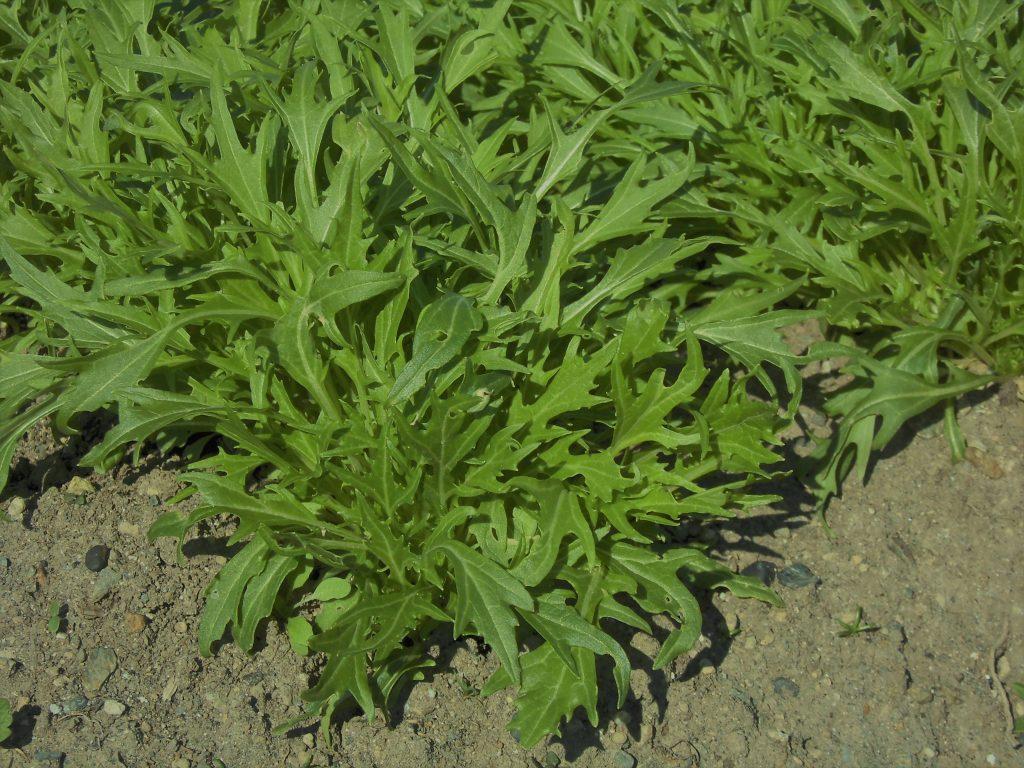
A cabbage with a mustard flavor. This crop is also called mustard salad. It has long, whole, light green, smooth, lance-shaped leaves. The rosette is lush and raised.
Cyclops
This is a variety of white cabbage developed by Japanese breeders. However, Cyclops is not a salad variety. It is called Japanese cabbage because it was invented by Japanese breeders at the Sakata company.
Growing rules
Japanese cabbage can be grown from seedlings or by direct sowing. When using seedlings, the seeds are sown in March or April in peat pots. This crop does not tolerate root damage, so in late May, the seedlings, along with the root ball, are transferred to the garden bed. It's easier to sow the seeds directly into the garden. They will germinate even at temperatures as low as -3°C (3°F). Young seedlings can withstand temperatures as low as -5°C (-4°F).
To obtain always fresh vitamin-rich greens throughout the season, the seeds of this crop are sown in several stages.
Late-season varieties are sown for seedlings in March, and if they are sown in the garden at the end of May, the harvest will ripen by August. Early-season varieties are sown for seedlings in April. In late May, seeds are sown directly into the ground when the soil warms up to 10 degrees Celsius. The last time to sow seeds is in July-August. This crop doesn't require much light and thrives in spring and fall. Long summer daylight hours can cause cabbage to bolt.
The Japanese variety thrives in light, fertile or fertilized soil. Before planting, the bed should be dug over, adding 0.5 buckets of well-rotted compost and 500 grams of wood ash per square meter. To increase the water holding capacity of sandy soil, add clay during digging.
Conversely, overly heavy clay soil is loosened with sand. Cabbage prefers slightly acidic or neutral soil. Tomatoes, potatoes, cucumbers, and onions can be predecessors of this crop. It should not be planted in the same area where other brassicas were previously grown.
Planting seeds for seedlings
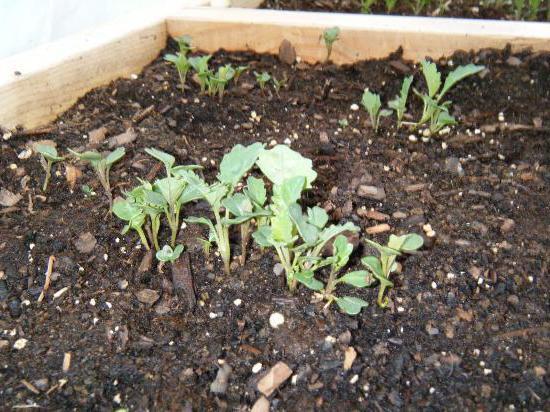
Japanese cabbage seeds retain their viability well for three years after harvest. Before planting, it's recommended to disinfect the seeds in a pink solution of potassium permanganate. Soaking the seeds in growth stimulants is not necessary. They typically germinate within 3-5 days after sowing. Japanese cabbage seeds are smaller than those of their white relative (about the size of a poppy seed). When planting, they are buried 0.5 centimeters deep in the soil.
Timing and technology for transplanting into open ground
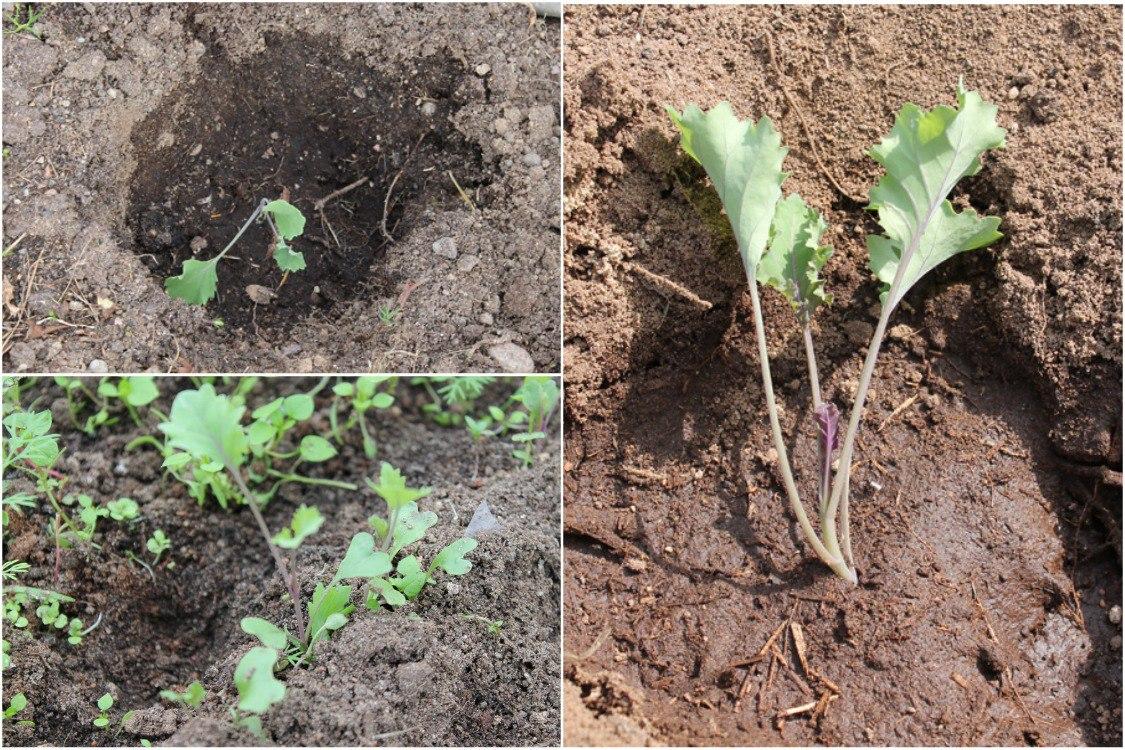
Japanese cabbage seedlings should be transplanted to the garden bed at the end of May. This crop prefers open, sunny spots. In the shade of tall plants, its leaves become less vibrant, and the rosette becomes less lush.
Seedlings are planted in rows using a ribbon technique, maintaining a distance of 40 centimeters. Leave 15-20 centimeters between adjacent plants. At this time, the seeds can be sown in the garden. Cabbage sown directly into the garden bed should be thinned as it grows.
How to care for cabbage
This exotic Japanese plant thrives on moisture. However, it quickly rots in very wet soil. It requires minimal fertilizing and regular soil loosening.
Proper watering
If Japanese cabbage isn't watered, it will begin to wilt. However, watering is only done in hot, dry weather. Avoid watering during rainfall. Its roots quickly rot in overly wet soil.
Fertilization
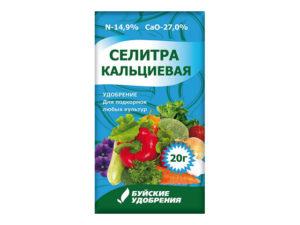
It's best to fertilize Japanese cabbage with organic matter or nitrogen fertilizers early in its growth cycle. Use one liter of well-rotted compost or 30 grams of urea per 10 liters of water. Ten liters of this solution fertilize 3 square meters of soil. Apply nitrogen fertilizers very carefully, as cabbage can accumulate nitrates. A second feeding should be done two (three) weeks after the first. Fertilize with potassium and phosphorus fertilizers (30 grams per 10 liters of water).
Take a look Also
Mulching and loosening the beds
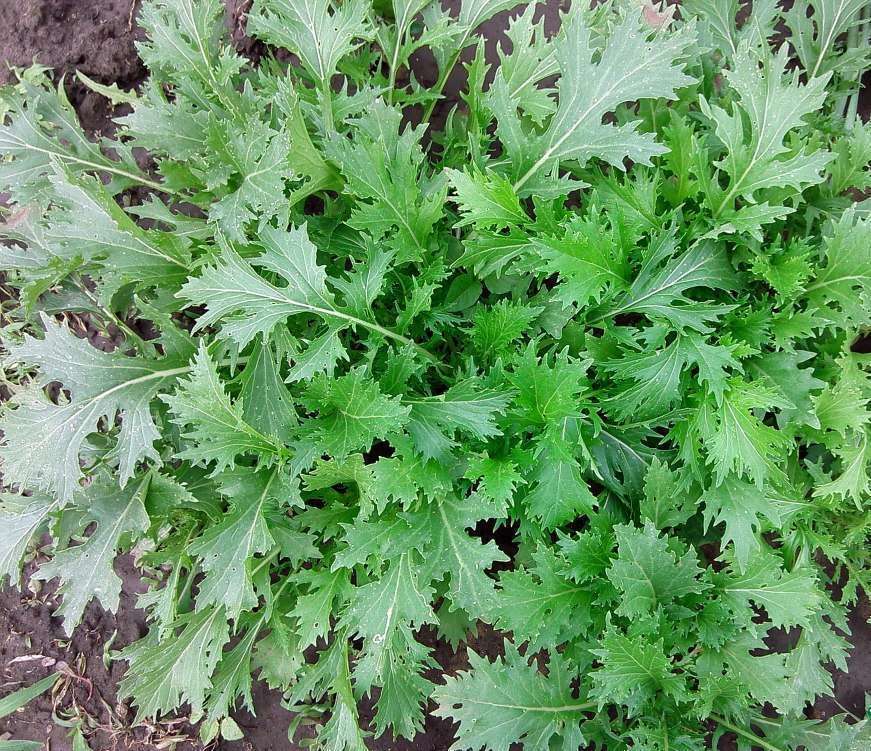
Throughout the season, the beds require regular maintenance, including weeding and loosening the soil. Loosen the soil after rain or watering. The soil around the cabbage plants can be mulched with dry sawdust or straw. This will prevent moisture loss and prevent weed growth.
Preventive treatments
The plant is susceptible to pest attacks. To combat fleas and other insects, use an ash solution, garlic or tobacco infusion, or a decoction of tomato tops. Plants can be sprinkled with ash or tobacco dust. The smell of vinegar repels insects. To prepare a solution, add 250 milliliters of vinegar to 10 liters of water and spray the rosettes.
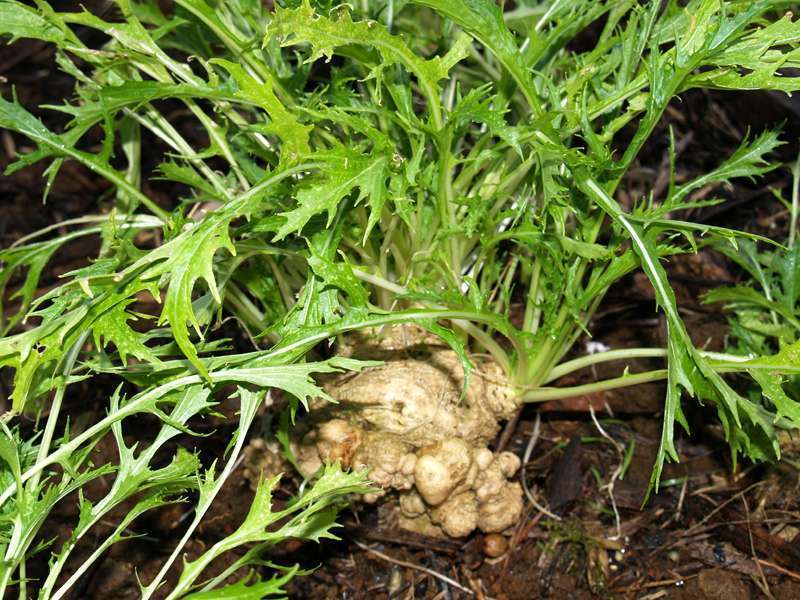
To combat fungal diseases, pre-disinfect the seeds with a potassium permanganate solution or Baktofil or Fitolavin. Avoid over-watering and over-dense soil when planting. As a preventative measure, spray the plant with Bordeaux mixture or a potassium permanganate solution.
The nuances of harvesting and storing crops
Japanese cabbage leaves are harvested (depending on the variety) one to two months after sowing. The greens can be harvested earlier. The key is to allow the leaves to grow to at least 10 centimeters in length. It's important not to pull the roots out of the ground or cut off the growing point.
New leaves grow in place of the cut greens. The harvest can be enjoyed all summer long. The cabbage is not washed and is stored in the refrigerator in a plastic bag. In this form, the leaves can be stored for 10 days without losing their flavor or shelf life.
Reviews from experienced gardeners
Irina Semenovna, 49 years old:
"I recently discovered Japanese cabbage. I didn't think it was so easy to grow. It looks like lettuce or arugula, but it has a completely different flavor. Slightly piquant, with an apple-like aftertaste. I use it in salads or as a garnish for sandwiches. Growing this cabbage is very easy. I don't prepare seedlings; I sow them directly into the garden in mid-May. I fertilize the soil with vermicompost. The cabbage sprouts beautifully and produces a harvest as early as June. I've noticed that seedlings planted in the second half of summer grow more slowly. However, they don't die during cold snaps and stay in the field until the frost."
Related posts:
 Planting and caring for Japanese quince in open ground, growing and propagating
 Description of the best cabbage varieties for 2025 for different regions
 Growing and caring for Chinese cabbage in open ground and greenhouses
 Planting, growing, and caring for cauliflower in open ground and greenhouses
 Why cabbage leaves wilt in the garden and what to do
 Planting, growing, and caring for Chinese cabbage in open ground
 Description and characteristics of the best varieties of late cabbage, planting and care technology
 Planting and caring for red cabbage in open ground, description of varieties