
- What to consider when planting cabbage
- Selecting a variety
- Optimal conditions for growing
- Sowing times for different regions
- Which growing method to choose: pros and cons
- Propagation by seedlings
- Seeds
- Features of planting crops
- Preparing seeds for planting
- Timing of planting and sowing cabbage
- In open ground
- In the greenhouse
- Preparing the soil for sowing
- Technology of sowing seeds for seedlings
- How to transplant and care for seedlings in open ground
- When to replant
- Dive
- How to place plantings on a site
- Watering and fertilizing
- Hilling
- Diseases and pests: protection and prevention
- Getting rid of slugs
- Weed control: herbicides and folk remedies
- Rules for growing and caring for crops in greenhouse conditions
- Preparing beds and planting cabbage
- Fertilizing and irrigating cabbage beds
- Fight against parasites and diseases
- Harvesting and storing Chinese cabbage
- Answers from experienced gardeners to frequently asked questions
- How to avoid bolting?
- Why isn't Chinese cabbage forming leaves?
- Should I pick off the lower leaves?
- Why does Chinese cabbage bloom?
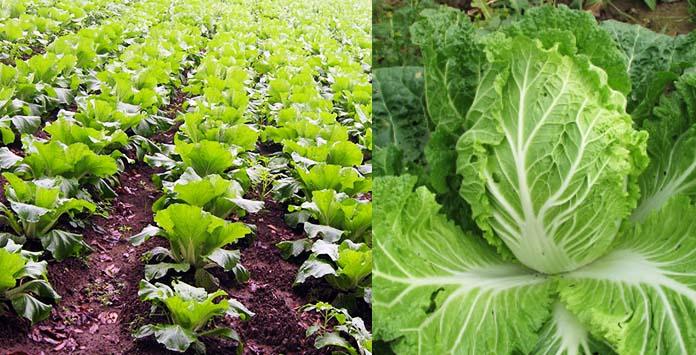
Every gardener, regardless of their gardening skills, can grow Chinese cabbage. This vegetable requires little care and grows well and quickly, allowing for two harvests per season. While it has a long shelf life, it has three drawbacks: slugs, flea beetles, and bolting. Chinese cabbage can be grown in both open ground and greenhouses, and subsequent care depends on the growing method.
What to consider when planting cabbage
Successful vegetable growing depends on many factors, including weather conditions, the cabbage variety chosen, and planting time. Each variety has its own characteristics, which must be taken into account in a given location.
Selecting a variety
Since the country has a capricious climate that tends to fluctuate, it's essential to carefully select the crop variety. The vegetable must be able to withstand temperature fluctuations without affecting yield.
Some varieties of Chinese cabbage are eaten fresh. There are also varieties suitable for winter storage. Short-storable varieties are grown for fresh salads.
Optimal conditions for growing
The ideal temperature range for growing Chinese cabbage is 15-20 degrees Celsius. The vegetable reacts negatively to sudden changes in weather conditions. Too low or too high temperatures affect not only the appearance of the crop, but also the yield.
Sowing times for different regions
Experienced vegetable growers know one important secret for growing Chinese cabbage. To avoid problems during growth and ensure a good harvest, it must be planted on time. Long daylight hours ensure the flower and, consequently, seed production. The first crop should be sown in mid-spring, and the second in autumn.
Which growing method to choose: pros and cons
Pekinese is grown in two ways:
- direct sowing of seeds into the ground;
- using seedlings.
The first method is suitable for residents of southern regions. The second is more suitable for central regions and areas with cooler climates. The seedlings are grown indoors and then transplanted outdoors.

Propagation by seedlings
Advantages of the method:
- strong seedlings;
- the possibility of obtaining an early harvest.
The disadvantages include the amount of time required to sow seedlings, care for them, and transplant them.
Seeds
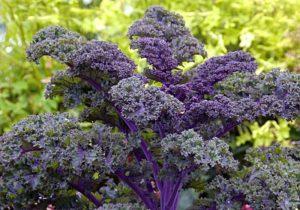
Cabbage can even grow from seeds. There's no need to mess around with seedlings, which is a major advantage. If you're growing kale indoors, it's recommended to purchase varieties that are resistant to bolting. The downsides of this method include:
- you will have to wait much longer for seedlings to emerge, unlike when planting in peat pots;
- requires careful maintenance.
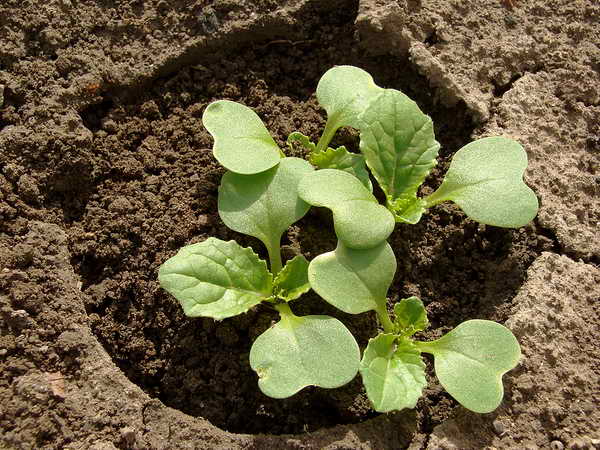
If you don't cover your crops, the cold can destroy the seedlings. To properly grow cabbage outdoors, you need to follow specific rules. Pekinka is a vegetable crop that's easy to grow indoors.
Features of planting crops
Chinese cabbage, like other vegetable crops, has its own characteristics. These must be taken into account when planting. Following proper agricultural practices will determine the vegetable's future growth.
Preparing seeds for planting
Beginning vegetable gardeners typically sow their seedlings without any preparation. But there's a little secret that will help seeds germinate faster. To do this, soak them before planting them in the soil.
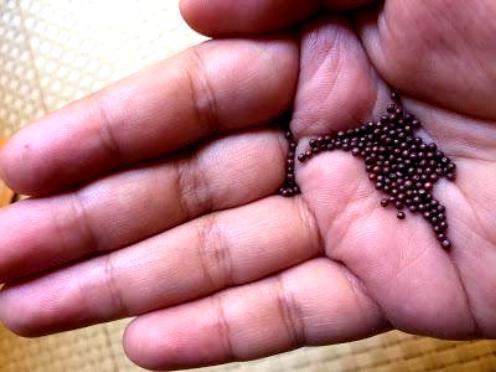
Any liquid, a so-called growth regulator, will work as a solution. The only requirement is to choose only a high-quality product. This could be "Epin," "Heteroauxin," or others.
Timing of planting and sowing cabbage
This depends on the planting method chosen. Varieties suitable for long-term storage and fresh consumption after ripening have specific seed planting times.
In open ground
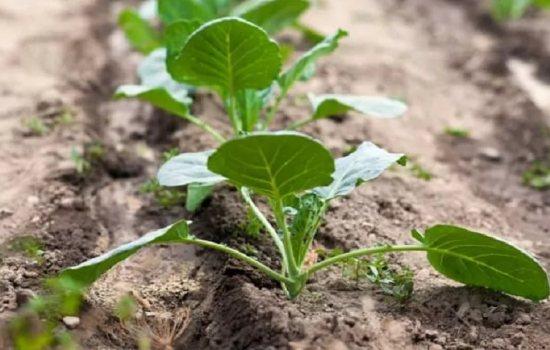
People sow Chinese cabbage in a designated spot in their garden near their home. Cabbage is also widely grown in their summer cottages. Seeds are sown in unprotected soil starting in late April and continuing until the end of May. The second wave of sowing occurs in late July and early August.
In the greenhouse
To ensure an early harvest, it's recommended to grow cabbage in a greenhouse. Polycarbonate greenhouses are an excellent option. Seeds are sown in containers in early April. Typically, the seeds are placed in the soil a month before planting in their permanent location.
Preparing the soil for sowing
The containers are filled with a special soil mixture. The planting soil consists of river sand, turf, and rotted organic matter. These components are used in equal parts. Wood ash is also added to the mixture.
Technology of sowing seeds for seedlings
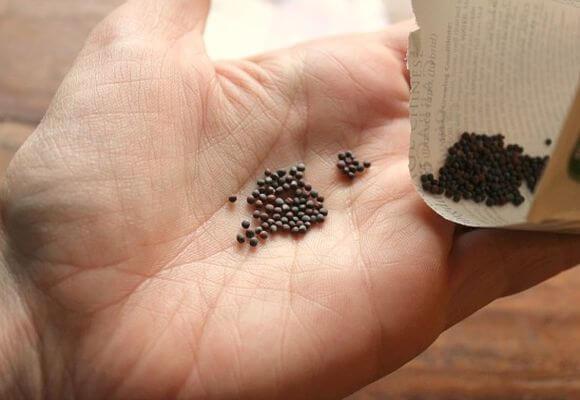
The boxes are filled with soil and then lightly moistened. Using your fingers or any other object, make a hole 1-1.5 cm deep, no more. The seeds are placed in the holes and covered with soil. After this, the pots are moved to a room with a temperature no higher than 22 degrees Celsius.
How to transplant and care for seedlings in open ground
Planting seedlings in open ground isn't particularly difficult. All that's required is to be careful and ensure the plants aren't damaged during planting in garden plots.
When to replant
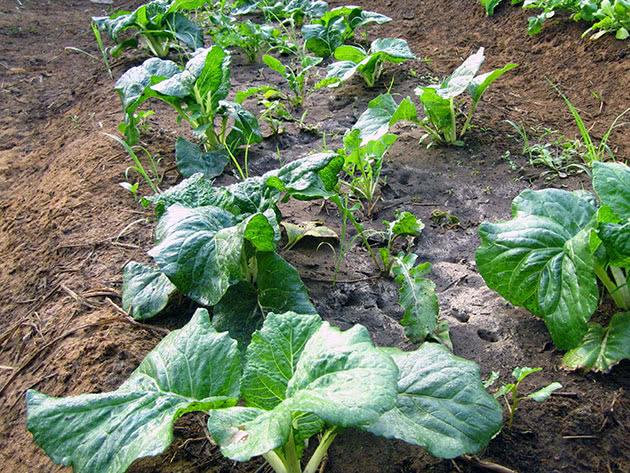
After 25-30 days, the young sprout can be transplanted into the garden bed; this is approximately how long seedlings grow after planting the seeds in the soil. Typically, during this time, the sprouts will have 4 to 5 true leaves. If you plan to eat the vegetable after harvesting, transplanting should be done in early May.
When growing cabbage for long-term autumn and winter storage, transplanting is done in the summer. This process occurs in July.
If cold weather persists, it's best to hold off on repotting. Cold promotes bolting.
Dive
Pekinese cabbage is capricious during transplanting. After transplanting, it takes a long time to establish itself, its immune system weakens, and the plant can become ill. Experienced vegetable growers advise avoiding transplanting.
For this purpose, it's recommended to grow the seeds in peat pots. Young seedlings can be planted in soil along with the pots. This won't damage the root system, and the pots themselves decompose quickly.
How to place plantings on a site
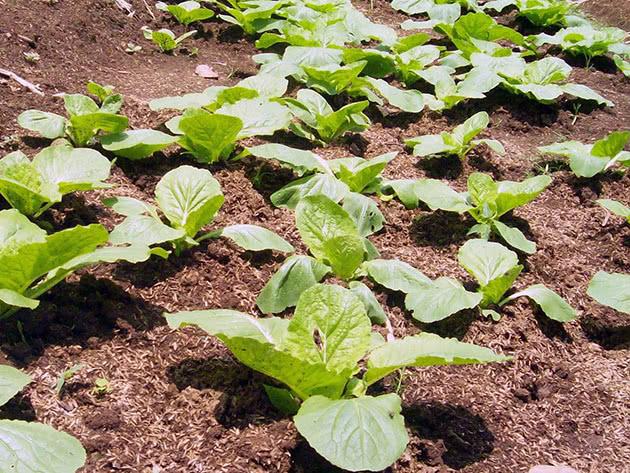
The distance between cabbage plants should not exceed 30-45 cm. Chinese cabbage has lower leaves. As they grow long, they require additional space.
Watering and fertilizing
Pekinka loves moisture, like any other cabbage variety. It should be watered generously with warm water no more than once a week. Once 14 days have passed since transplanting to its permanent location, the plant is ready for fertilizing.
The following are used as fertilizers:
- herbal infusion;
- chicken manure;
- tincture of mullein.
Pour 1 liter of liquid fertilizer under each bush. Fertilize three times when planting cabbage in spring and twice when planting in summer. A boric acid solution promotes fruit set.

Hilling
Cabbage doesn't require this procedure. Weeds are removed from the beds regularly. At the same time, the soil around the plants is loosened.
Diseases and pests: protection and prevention
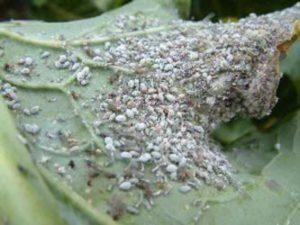
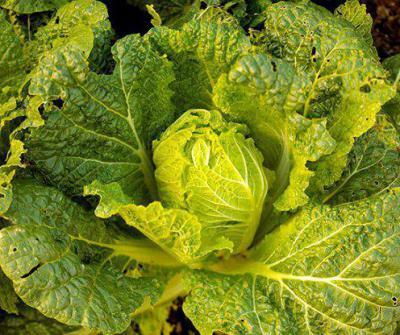
Cabbage is most often plagued by slugs and flea beetles. The vegetable is often eaten raw, so gardeners prefer traditional pest control methods. Methods for getting rid of flea beetles:
- Cabbage plantings are covered with non-woven fabric.
- It is important to prevent insects from appearing in the garden beds.
- The soil is sprinkled with ash.
- Midges are found exclusively in the summer. Therefore, to avoid encounters with them, adhere to a planting schedule.
Cabbage should not be planted after radishes and other cruciferous crops. It should be planted close to cucumbers and tomatoes. If necessary, the crops are sprayed with specialized products. However, this is only done if other control methods have failed.
Getting rid of slugs
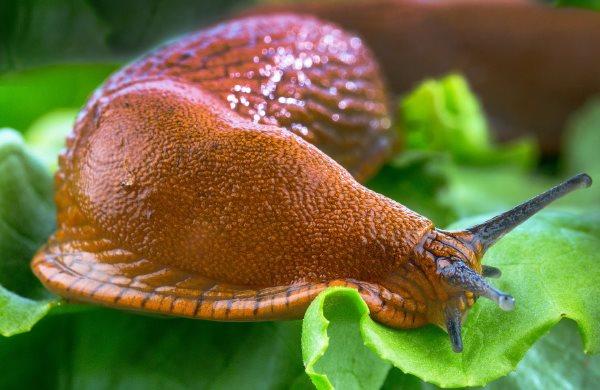
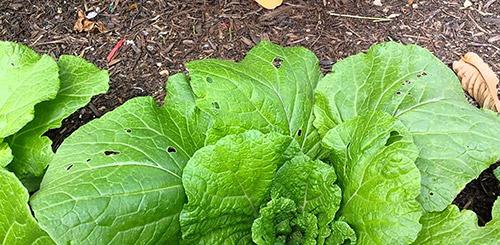
By eating cabbage and leaving a slimy trail on the succulent greens, they also cause considerable damage to the plant. Slugs only eat leaves at night. In the morning, a person goes out to the garden and sees holes in the leaves. The insect hides, and the gardener is at a loss to understand what could have done this.
There are several ways to get rid of slugs. The simplest and most accessible is to cover the soil with boards made of any durable material. After eating the cabbage overnight, the slugs will hide behind the boards, and the gardener will only have to collect them in the morning and move them away from the plantings.
Slugs can be controlled using brilliant green or a mixture of wood ash and hot pepper. Add the brilliant green to water and spray the area with the solution. The soil is also coated with a dry mixture of pepper and wood ash.
Weed control: herbicides and folk remedies
To prevent weeds from interfering with cabbage plantings, they are removed using mulch. Unwanted plants are removed from the bed after rain. The moisture helps pull the weeds out of the soil without leaving any root parts behind. As for special solutions, folk remedies are often preferred over herbicides.
Rules for growing and caring for crops in greenhouse conditions
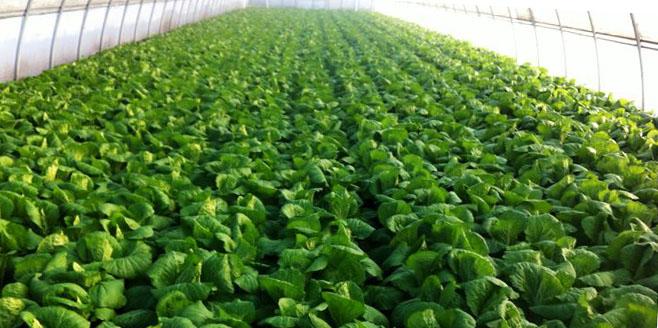
Vegetable growers will enjoy a consistent harvest if they create the perfect conditions for growing cabbage in their greenhouse. There are no specific rules. Cabbage should receive plenty of light and be grown in a greenhouse with optimal temperatures.
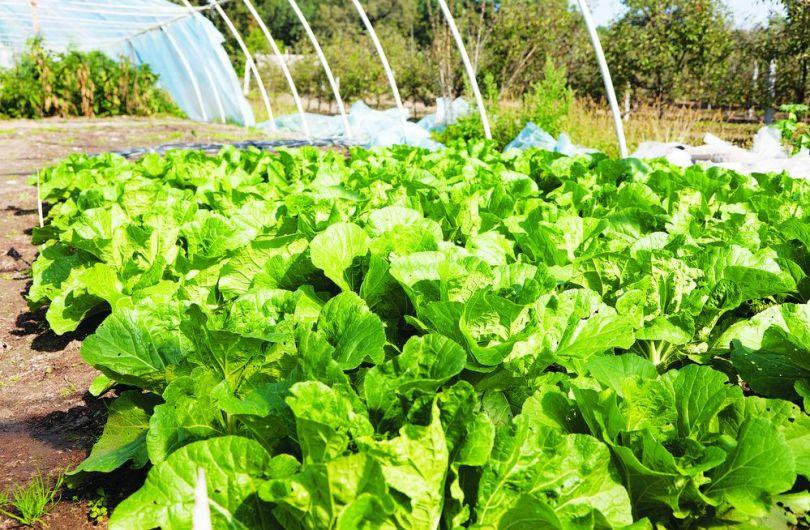
Growing cabbage under a film cover has an advantage over planting the vegetable in open soil.
If the crop is grown in beds and lacks moisture, it loses its nutritional value, and the soft leaves become tough. Furthermore, when grown under plastic, it is rarely attacked by cruciferous midges.
Preparing beds and planting cabbage
The plot of land where the cabbage will grow is dug over to ensure the soil is light. The holes are watered, as moist soil helps the sprouts establish faster. After planting, the holes are covered with soil.
Fertilizing and irrigating cabbage beds
Irrigation is optional. On particularly hot days, additional moisture won't hurt. Chinese cabbage appreciates organic fertilizers, such as grass or mullein infusions.
If possible, it's recommended to avoid chemical-based fertilizers. Cabbage is a leafy vegetable prone to nitrate accumulation. If the kale looks good, there's no need to fertilize it.
Take a look Also

Fight against parasites and diseases
The gardener will not face such problems if:
- Use covers that will protect the plant from pest attacks.
- Observe the planting time and conditions.
- Plant the crop after garden vegetables, except cruciferous vegetables.
- Treat plantings with soot or ash.
Before the onset of winter cold, the soil is dug up to the depth of a shovel blade. There's no need to break up the clods, as this serves a different purpose. The larvae that were in the soil are exposed after the digging and die from the cold.
Harvesting and storing Chinese cabbage
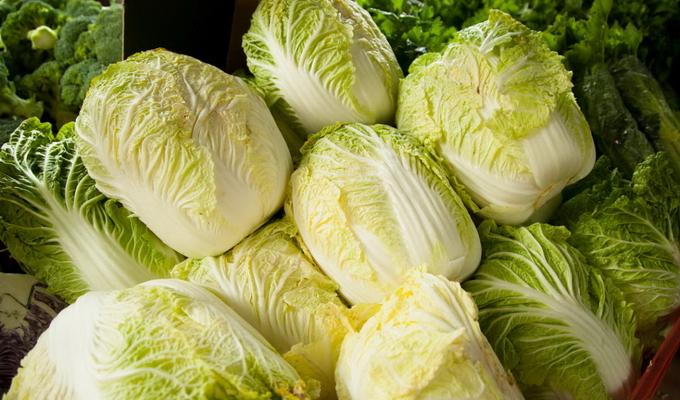
Many people don't know when to harvest their heads. Chinese cabbage is eaten fresh, not even realizing that it makes excellent cabbage rolls. The vegetable's beauty lies in the fact that it can be harvested twice during the growing season. Chinese cabbage is left in the garden until mid-October. Cold is one of the key factors in growing this vegetable, but few people know this and consider it the secret to a good harvest. The head is considered ripe when it becomes firm.
After harvesting the cabbage during the ripening period, it's important to ensure proper storage conditions. Peking cabbage is kept in a basement or cellar with moderate humidity. Each head is wrapped in plastic and placed in a wooden crate. The storage temperature should remain between 0 and 2°C.Cabbage should not be kept together with apples, as the fruits emit ethylene, which causes the leaves to wilt.
Answers from experienced gardeners to frequently asked questions
When growing Chinese cabbage, many gardeners face various problems.
How to avoid bolting?
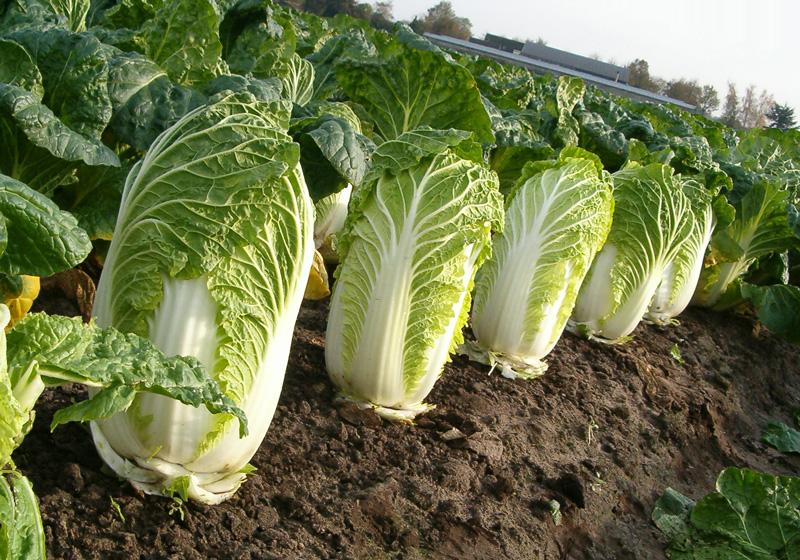
Gardeners must follow a number of rules to avoid the formation of bolts:
- It is recommended to plant near buildings that will provide shade.
- Planting should be done in early spring or late summer.
- The crop is planted by direct sowing into the soil or in peat cups.
- A month before planting, the bed is fertilized with various fertilizers. During the growing season, the plant is fed with mineral mixtures.
It is recommended to adhere to the listed measures, regardless of the climate zone.
Why isn't Chinese cabbage forming leaves?
The most common reasons are:
- poor quality seed material;
- high soil acidity;
- unsuitable weather conditions;
- lack of loosening;
- bad landing spot.
By reviewing the reasons that cause this phenomenon, you can properly organize the care of your cabbage plantings.
Should I pick off the lower leaves?
This action is strictly prohibited. Removing the lower leaves reduces yield and quality. The cut leaves wounds that allow microorganisms to enter the plant, causing various diseases.
Cabbage leaves should only be removed when they no longer participate in photosynthesis. Typically, these are dried-out specimens.
Why does Chinese cabbage bloom?
Gardeners are increasingly noticing an interesting trend. Pekinka blooms not because of unsuitable growing conditions, but because of the specific variety chosen for planting. These are typically hybrids that don't tolerate cold well.
It's impossible to completely eliminate cabbage's tendency to bolt. But it's possible to minimize this tendency. The optimal planting option is Dutch cabbage varieties.
Related posts:
 Planting, growing, and caring for cauliflower in open ground and greenhouses
 Description of the best cabbage varieties for 2025 for different regions
 Planting, growing, and caring for Chinese cabbage in open ground
 Description of Japanese cabbage varieties, cultivation and care features
 Planting and caring for red cabbage in open ground, description of varieties
 Description of the best early cabbage varieties, cultivation and care in open ground
 How to properly plant cabbage seedlings in open ground: spacing, timing, and temperature
 Why cabbage leaves wilt in the garden and what to do