
- Types of aphids that parasitize cabbage
- Reasons for the appearance of insects
- How to spot aphids on cabbage: characteristic signs
- What is dangerous for cabbage plantings?
- Advantages and disadvantages of using folk remedies
- Getting rid of parasites without chemicals
- Garlic and onions
- Spraying with vinegar solution
- Treatment with wormwood infusion
- Potato and tomato tops
- Bay leaf
- Removing aphids with tobacco
- Ammonia
- Ash
- Tar soap
- Chamomile
- Mustard
- Pest-resistant cabbage varieties
- Prevention
The simple process of growing cabbage can turn into a real hassle when pests appear. One of the most annoying is the cabbage aphid. This tiny pest, if not treated promptly, can destroy up to 90% of the crop. Numerous chemicals are developed to combat it, but these can also damage the fruit. Therefore, more and more gardeners are turning to folk remedies for cabbage aphid control, which are considered less harmful.
Types of aphids that parasitize cabbage
Aphids are the most common type of pest attacking all garden plants. These insects belong to the order Homoptera, and there are approximately 4,000 subspecies, a quarter of which live on the European continent. Aphids are voracious and will feed on any plant. However, some individuals prefer only certain types of greenery.
Subspecies of insects found in cabbage beds and living in Russia:
- Large potato aphids. 4-millimeter-long individuals, both wingless (red or green with antennae) and winged (greenish, with brown antennae). In addition to cabbage, they damage potatoes (their most beloved delicacy), tomatoes, and beets;
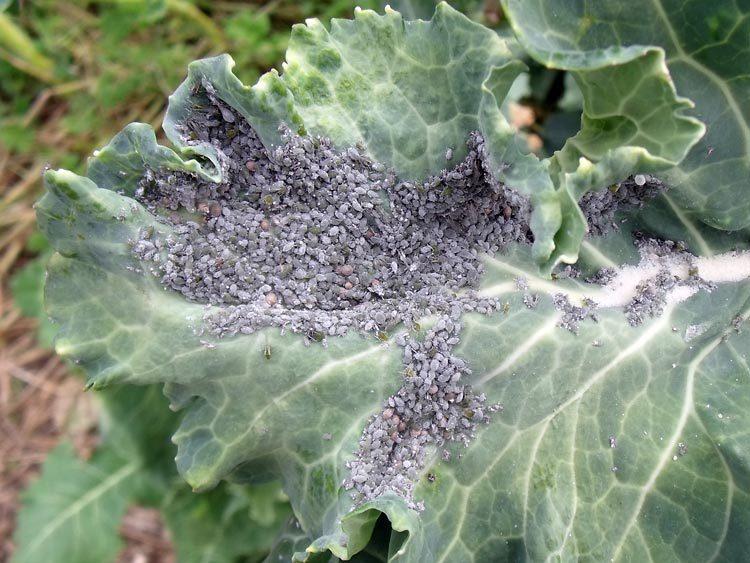
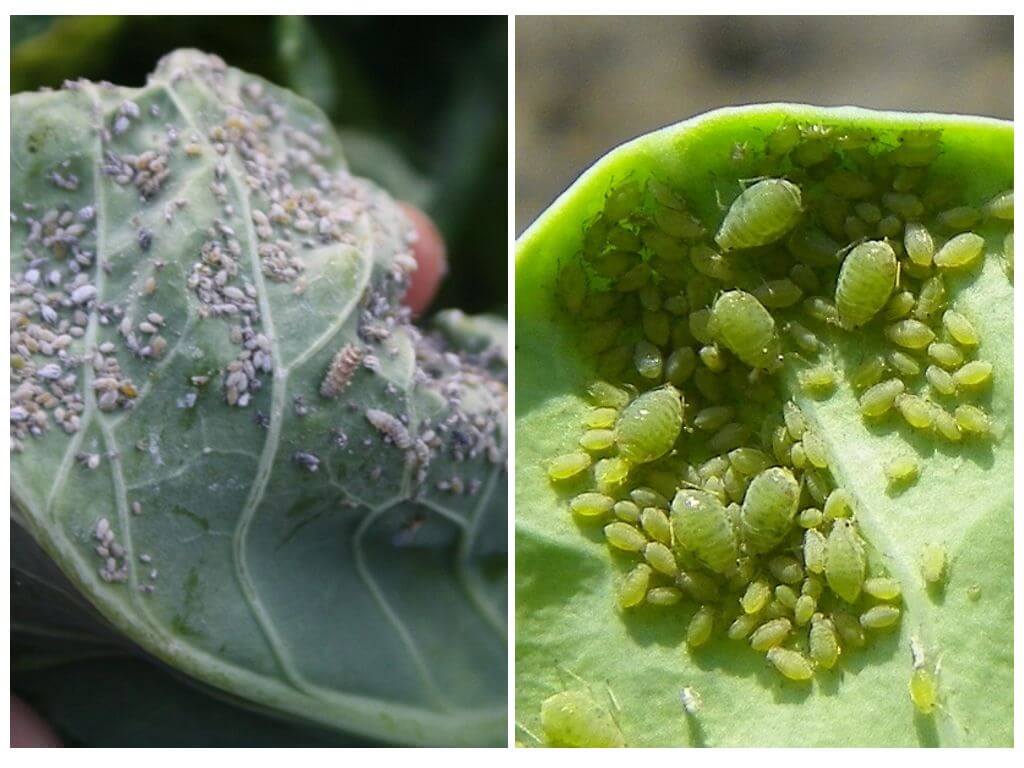
- Cabbage aphid. They grow to a maximum of 4 millimeters in size. Their color is light green with a grayish tint and brown antennae. This pest prefers cruciferous plants and, in addition to cabbage, is also found on radishes and horseradish. This subspecies most often bothers gardeners by attacking cabbage crops.
Reasons for the appearance of insects
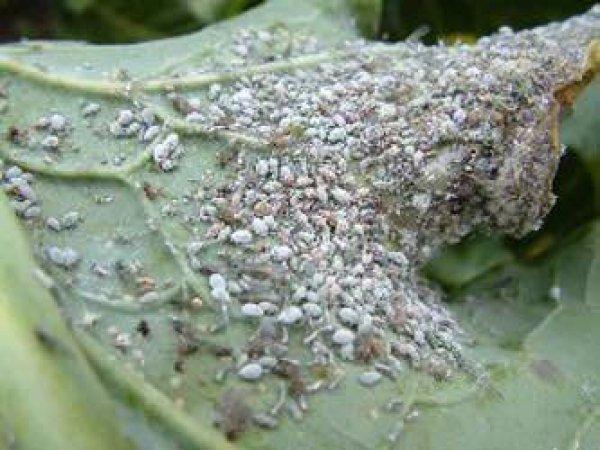
Aphids reproduce at an incredible rate, so a single female aphid entering a garden is usually enough to cause a serious infestation of cabbage. Females reproduce throughout the season, most often laying eggs on last year's plant debris. The hatched larvae then rapidly attack the cabbage beds. Eggs laid on greens in the fall survive the winter without issue.
Another source of infestation is ants. Feeding on the sap secreted by aphids, ants often take the eggs back to their nests, keeping them warm, and then responsibly distribute the eggs throughout the garden in the spring.
How to spot aphids on cabbage: characteristic signs
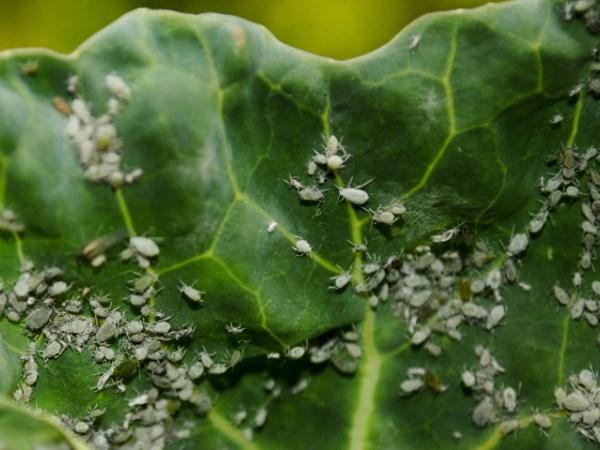
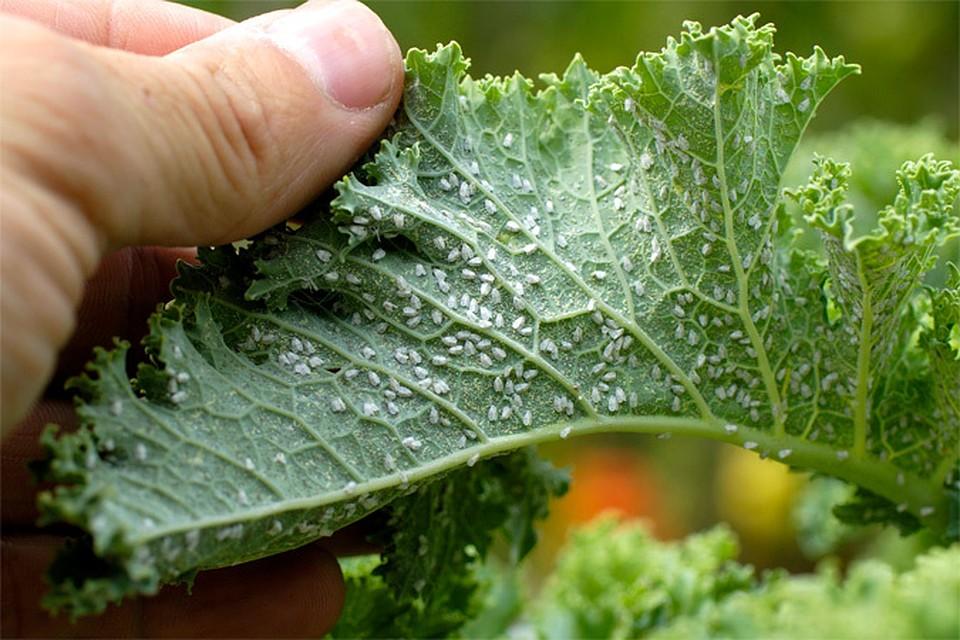
Spotting the appearance of parasites on vegetables isn't easy. Initially, the tiny pest settles on the underside of the leaf, feeding undetected on the sap, but its presence soon becomes obvious. Due to a lack of chlorophyll, the leaf loses its color, weakens, gradually dries out, and curls, causing the cabbage to stop growing.
What is dangerous for cabbage plantings?
Aphids, whose mouth resembles a proboscis, feed on plant sap, drying it out and slowing development and growth, which ultimately leads to the death of foliage and a significant reduction in yield. Furthermore, these pests carry bacteria and fungi harmful to cabbage and other crops, rapidly spreading viruses throughout the garden, including gray mold, mosaic, blackleg, ring spot, and many others.

Advantages and disadvantages of using folk remedies
Fighting aphids with traditional methods certainly has its advantages:
- Safety. This is perhaps the most important point, especially for gardeners with pets or small children. Folk remedies are non-toxic and do not harm beneficial insects, the soil, or the plant itself;
- Simplicity. Preparing your own aphid control mixture is incredibly easy; just follow the instructions and tips.
- Inexpensive. Folk remedies are inexpensive and can be purchased at any store.
Despite the positive aspects, folk methods of eliminating parasites still have several disadvantages:
- Duration of treatment. Compared to chemicals, safer treatments take longer to eradicate the parasite;
- Not moisture-resistant. Mixtures and infusions are easily washed away by rain or dew, but this can be remedied by adding soap.
Getting rid of parasites without chemicals
If you decide to remove aphids from your cabbage crops once and for all using traditional recipes, you need to follow these simple rules.
Garlic and onions
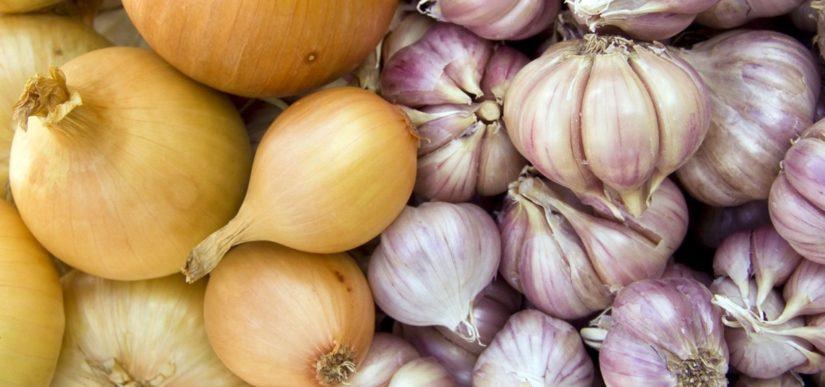
The pungent smell of garlic and onions is an excellent poison for aphids. Here's a garlic recipe that's easy to make at home:
- Add 10 liters of water to 800 grams of unpeeled garlic heads and put on the fire;
- after boiling, simmer over low heat, covered, for at least 2 hours;
- strain after cooking;
- Spray the cabbage from all sides, mixing with water in a 1:1 ratio.
Onion Mix Recipe:
- Cut 3 heads of onions and pour 1 liter of water;
- cook for about 30 minutes;
- add 10 liters of water to the prepared mixture;
- It is preferable to spray cabbage from below, where there is a greater concentration of aphids.
Spraying with vinegar solution
Another recipe that will help repel parasites thanks to its pungent smell:
- a bucket of water;
- a glass of vinegar;
- 2 tablespoons of liquid soap.
Mix the ingredients and pour over the cabbage, remembering to spray on the underside of the vegetable leaves.
Important! Prepare the solution immediately before use.
Treatment with wormwood infusion
Wormwood poison is also considered an effective pest control remedy. Its bitter taste and rich essential oil content put aphids to flight. To make the infusion, you'll need:
- half a bucket of wormwood;
- a bucket of water;
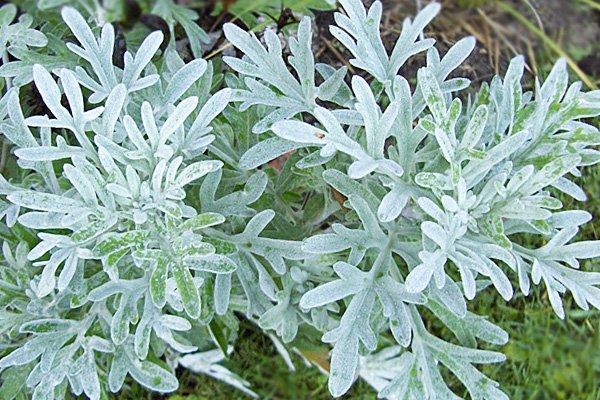
Mix the ingredients and let them steep for at least 10 hours, then spray the cabbage generously. Another way to control aphids with wormwood is to plant fresh branches between the rows.
Potato and tomato tops
Mix equal parts potato and tomato tops and pour boiling water over them at a 1:1 ratio. Let the solution sit for at least 3 days. It's best to spray the cabbage with the solution using a spray bottle, repeating the process if it rains.
Bay leaf
Bay leaves, with their pungent aroma, are excellent at repelling not only aphids but also their friends—ants. Simply place the fragrant leaves under cabbage heads, and the results will be immediate. You can also make a bay leaf decoction. To do this, you'll need:
- 10 grams of laurel;
- a liter of boiling water.
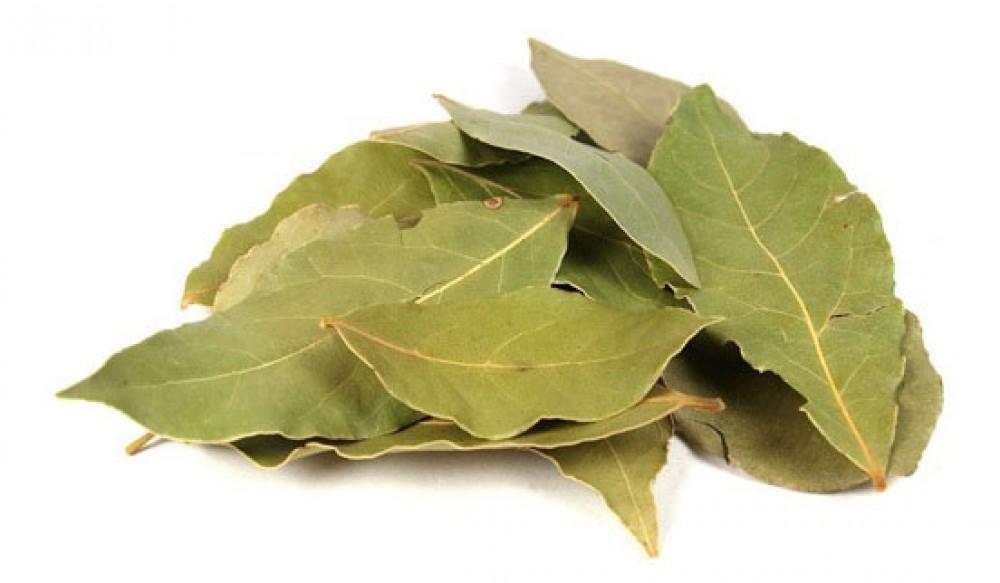
Cover the leaves with water and let them steep for at least an hour. Then, remove the bay leaves from the infusion and water or spray the cabbage, touching the underside of the leaves.
Removing aphids with tobacco
Another effective way to kill pests is a tobacco infusion or decoction. To prepare the infusion, you will need:
- 200 grams of tobacco leaves;
- 5 liters of boiling water;
- soap.
Pour water over the leaves, cover, and let steep for two days. Then strain the mixture, add soap, and spray it on the cabbage.
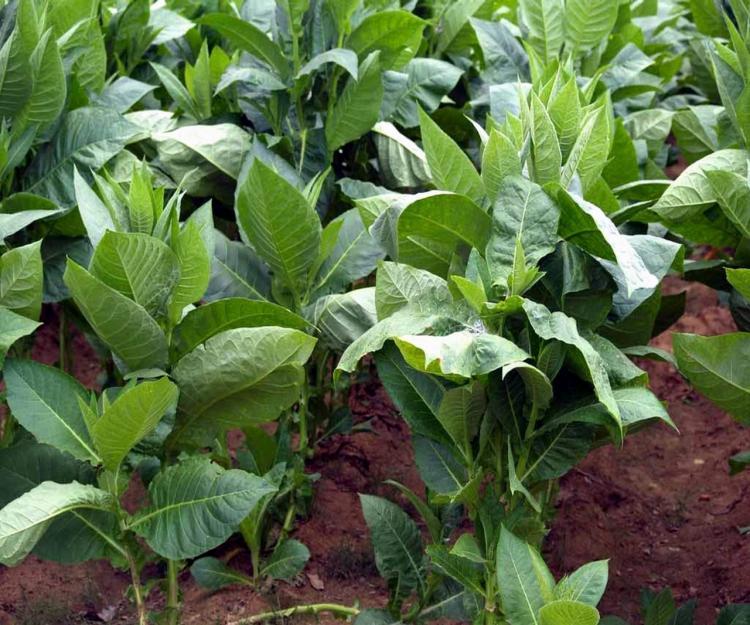
A tobacco decoction is prepared differently, although the ingredients are the same as an infusion. Pour 200 grams of leaves into 5 liters of water, cover, and simmer for 2 hours. After cooling, add room-temperature water until the original volume is completely refilled. Then strain the decoction, add soap, and spray it on the cabbage.
Important! Spraying, both with an infusion and a decoction, should be done regularly – once a week, paying special attention to the lower parts of the leaves.
If aphids have infested greenhouse seedlings, the seedlings should be fumigated. To do this, place tobacco leaves in a metal container filled with hot coals and leave them in the greenhouse overnight.
Ammonia
An effective and affordable solution for aphid control, comparable in results to chemical treatments. For the solution, you'll need:
- 50 milliliters of ammonia;
- 10 liters of cool water;
- 100 grams of crushed laundry soap.
Mix the water and ammonia thoroughly, then add the soap. Water the cabbage with a watering can fitted with a wide nozzle, aiming for the underside of the leaves to eliminate the larvae.
Important! Apply the solution once every two weeks to avoid damaging the plant with excess nitrogen.
Ash
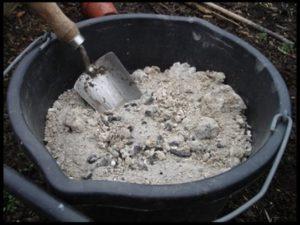
Regular wood ash will not only kill aphids but also serve as an excellent fertilizer. Here's the recipe for an ash infusion:
- 1.5 kilograms of ash;
- 10 liters of water;
- 80 milliliters of liquid soap.
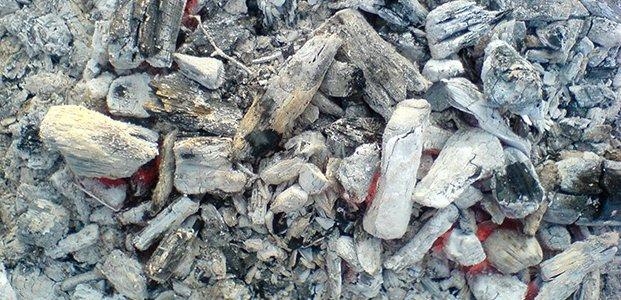
Mix the ash with water, add soap, and let it steep for at least 24 hours. Once cooked, pour it over the cabbage. The ash solution can also be mixed with tobacco infusion in equal proportions, which will enhance the effect.
Tar soap
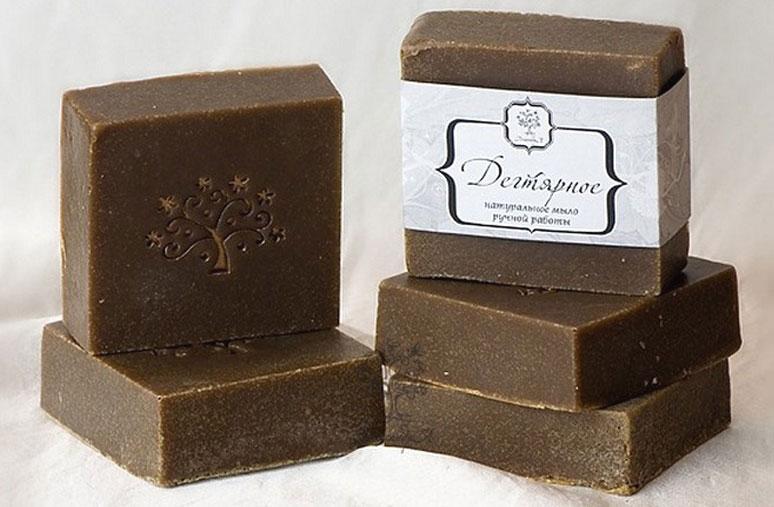
This solution will not only kill pests but also disinfect the cabbage from pest-borne infections and help restore damaged foliage. To make the poison, you'll need:
- 100 grams of soap;
- 1 liter of warm water;
- 9 liters of cool water.
Take a look Also

Dilute the soap in warm water and add cool water. Spray the cabbage with a spray bottle, paying particular attention to the undersides of the leaves.
Chamomile
Dried chamomile flowers, when used regularly, will permanently eliminate the harmful bacteria. For the infusion, you'll need:
- 100 grams of chamomile;
- 1 liter of boiling water.
Pour boiling water over the chamomile and let steep for 1 hour. Then add 10 liters of water and apply to the infected vegetables.
Mustard
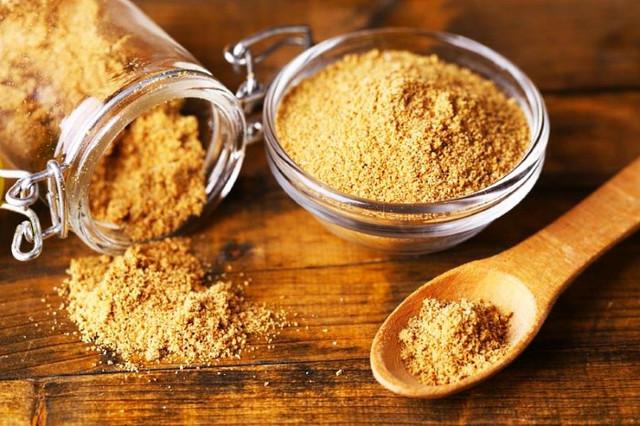
Dry mustard powder can be used in its pure form, sprinkled on the soil around damaged heads of cabbage, or used to prepare an infusion or solution.
Recipe for infusion:
- 100 grams of mustard powder;
- 20 liters of water;
- 1/3 of a bar of laundry soap.
Dissolve the mustard in 10 liters of water and let it steep for at least 24 hours. Then add the remaining liquid and the crushed soap, mixing thoroughly again. Then spray the cabbage.
Solution recipe:
- 1 tablespoon mustard powder;
- 1 tablespoon vinegar;
- 10 liters of warm water.
Mix the ingredients thoroughly and spray the seedlings.
Pest-resistant cabbage varieties
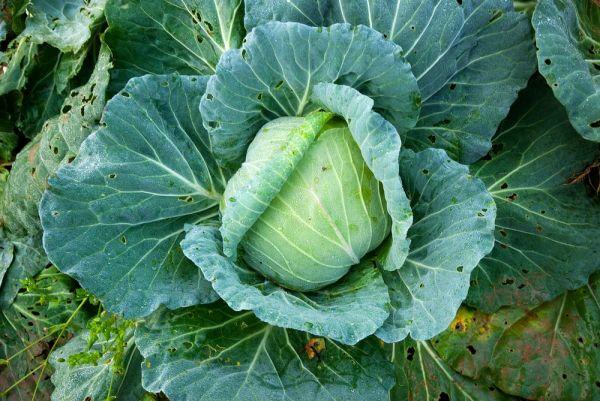
If the crop is frequently attacked by pests, gardeners should consider specially bred varieties that are equally tasty but resistant to aphids:
- Agressor F1. A frost-hardy, late-ripening white cabbage native to Holland. Incredibly pest-resistant and extremely easy to grow.
- Amager 611. A late-ripening hybrid. Characterized by high yields and strong resistance to pests and diseases.
- Bartolo F1. Another late-ripening hybrid of Dutch origin. Resistant to diseases and pests and produces a high yield.
Prevention
The best way to protect your garden from aphid infestations is through preventative measures; without them, any treatment will only provide temporary results:
- autumn removal of plant debris in which laid eggs overwinter;
- burn the remains of infected plants away from the garden;
- the garden should be dug up deeply, destroying all the weeds growing around the infected vegetables;
- When planting in spring, follow the rules to ensure healthy growth of the vegetable, as a weakened bush is the first to be attacked by pests.
Related posts:
 What is the best way to treat cabbage from caterpillars and butterflies, folk remedies
 What is the best way to treat cabbage from pests? Folk, chemical and biological remedies.
 Planting, growing, and caring for cauliflower in open ground and greenhouses
 How to control aphids on raspberries during flowering and fruiting, what to treat them with
 What is the best way to feed cabbage for growth using folk remedies, when and how to apply fertilizers
 How to control onion flies using natural and chemical methods
 40 of the best recipes for delicious homemade winter preserves
 How to properly plant cabbage seedlings in open ground: spacing, timing, and temperature