
- Signs of micro and macronutrient deficiency in cabbage
- Traditional methods of plant feeding
- Top dressing with manure
- Chicken manure
- Hydrogen peroxide
- Potassium permanganate
- Baking soda
- Ash
- Yeast
- Potato peelings
- Eggshell
- Banana peels
- Ammonia
- Boric acid
- Mullein solution
- We decide on the method of fertilizing the bushes
- Foliar
- Root
- Stages and timing of application of nutrients
- Feeding cabbage seedlings
- Fertilize after planting in open ground
- Stimulating active growth of white cabbage
- To form a head of cabbage
When growing vegetables, it's impossible to achieve high yields without fertilizing the plants with mineral and organic fertilizers. Is it possible to use folk remedies to promote cabbage growth? Gardeners have extensive experience using manure, wood ash, banana peels, and other effective remedies. This article discusses the use of folk remedies in cabbage cultivation.
Signs of micro and macronutrient deficiency in cabbage
Deficiency of nutrients and vitamins leads to changes in the color of stems, leaves and fruits.
- With a nitrogen deficiency, leaves begin to turn yellow and decrease in size.
- If there is a lack of phosphorus, a purple or bluish tint appears on the leaves, they gradually dry out, and the leaves curl downwards.
- If there is a lack of potassium, the leaves also curl downwards, turn yellow, and become wrinkled.
- Magnesium deficiency causes leaf discoloration.
Traditional methods of plant feeding
Cabbage is one of the highest-nutrient vegetables in terms of nutrient consumption. Fertilizer requirements increase especially during head formation and shaping.
To get a bountiful harvest, feeding cabbage with folk remedies is an acceptable option. Experienced vegetable growers know that cabbage appreciates mullein, ash, yeast, and banana and potato peelings.
Top dressing with manure
Many amateur gardeners use manure to fertilize their open-air soil because it's readily available and rich in minerals, naturally selected in an easily digestible form. With the onset of autumn, the soil is tilled with the addition of compost or fresh manure. It will completely rot over the winter. In the summer, semi-rotted manure is added.
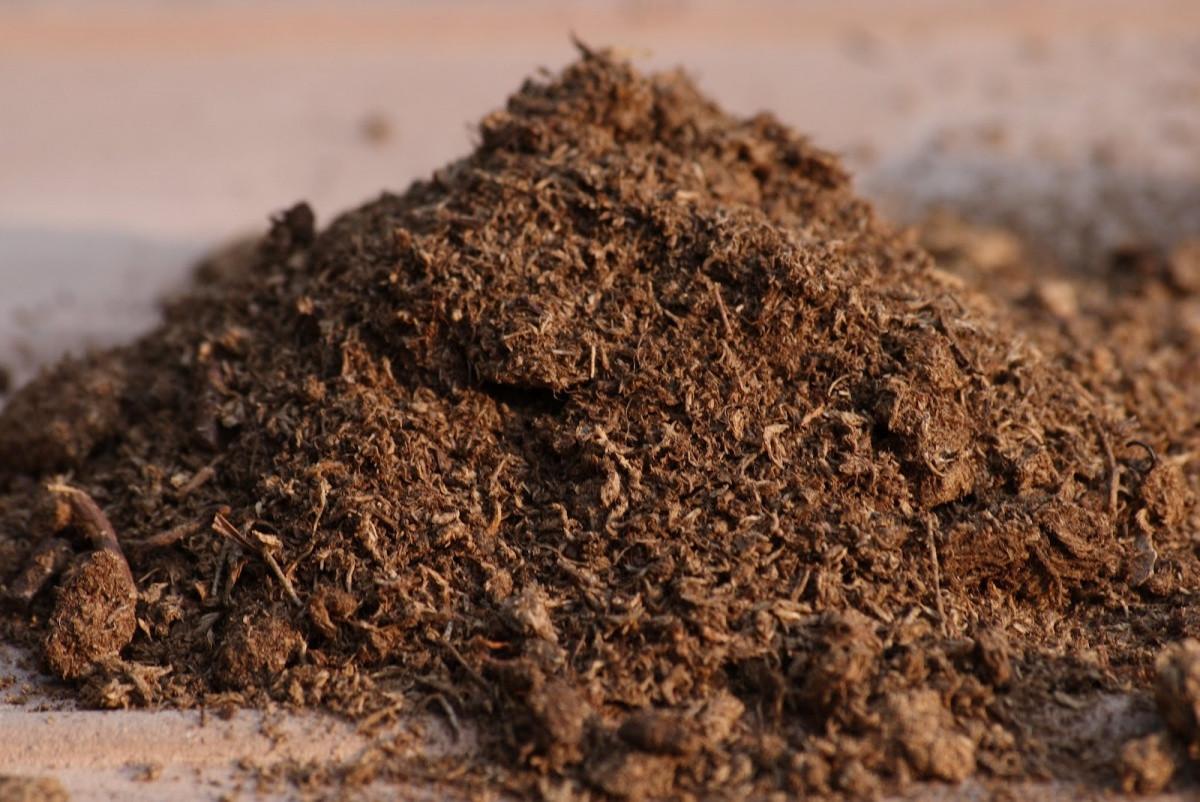
Chicken manure
Bird droppings are considered ideal for fertilizing cabbage plots. They contain a wealth of beneficial elements. Unlike manure, they are not used dry, especially fresh ones. When added as a solution, the cabbage heads become firm, juicy, and healthy. 0.5 kg of chicken droppings are infused in 10 liters of water in the sun for 1-2 days, stirring occasionally.
A manure solution is beneficial for the growth of mid-season and late-season cabbage varieties. When applying, it's important to maintain the proper proportions, as it's stronger than mullein: 1 liter per plant.
Hydrogen peroxide
Spray cabbage with hydrogen peroxide throughout its development. It helps eliminate microorganisms that interfere with seedling growth. Hydrogen peroxide prevents root rot and oxygenates the soil, thereby oxidizing it. Prepare the solution as follows: add 2 tablespoons of hydrogen peroxide to 1 liter of water. Spray the solution once every 5-6 days.

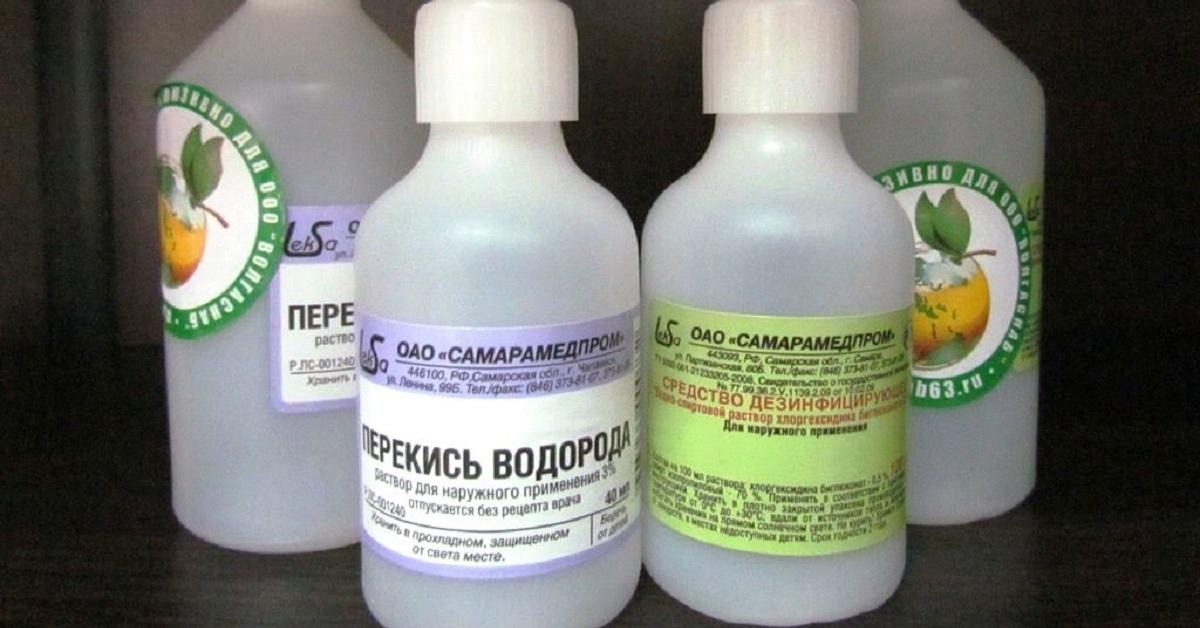
Potassium permanganate
The disinfectant properties of potassium permanganate are well known. Gardeners use it before sowing seeds and in soil preparation. This element has strong antiseptic properties and helps fight pathogenic bacteria and fungi. Not everyone knows that potassium permanganate stimulates rapid fruit ripening and improves chlorophyll synthesis. This is understandable, as it contains potassium.
Fertilize cabbage with potassium permanganate in midsummer, in June, when the leaves begin to develop green mass to form heads. To apply, dilute 3 g of crystals in 10 liters of water. Water each cabbage root and spray the leaves in the morning or evening, when the sun is out.

Baking soda
Baking soda contains sodium, which is beneficial for the growth and development of cabbage. A soda solution is especially useful for young cabbage seedlings. To prepare a soda solution, dilute 20 grams of baking soda per 10 liters of water (or one bucket). The resulting solution can be used to spray the plant's leaves and water the cabbage heads.
Spraying cabbage with a soda solution in the fall helps ensure the cabbage keeps longer, allowing the heads of the vegetable to be stored until spring.
Ash
Ash has long been used in rural areas as a plant fertilizer. It contains essential elements for vegetable growth, such as potassium and phosphorus, calcium, and manganese. To prepare a healing solution, take a glass of ash and dilute it in a bucket of water.
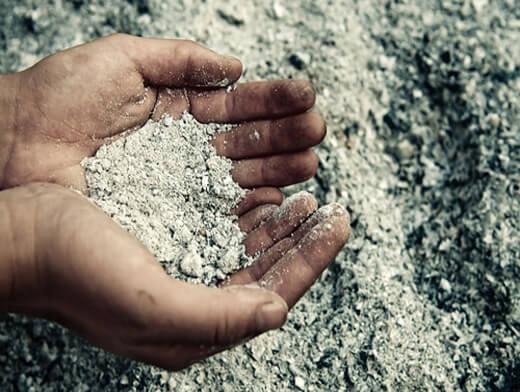
Add one-third of a bucket of ash to 10 liters of water and steep for 2-3 days. This creates an ash infusion, a vitamin-rich fertilizer for cabbage. Some gardeners add dry ash to the hole when planting seedlings.Dry ash can be sprinkled on leaves to repel flea beetles.
Yeast
Gardeners use brewer's yeast in combination with wood ash. This combination helps normalize the calcium content in the soil. To prepare a solution, mix 20 g of yeast with 150 g of coarse sand, then add it to 5 liters of water and let the mixture steep for a week. When watering, dilute 1 cup of the yeast mixture in 10 liters of water.
Potato peelings
Potato peelings are a popular folk remedy for plant nutrition. They contain a lot of starch and other nutrients essential for vegetable growth. They make an inexpensive and safe fertilizer.
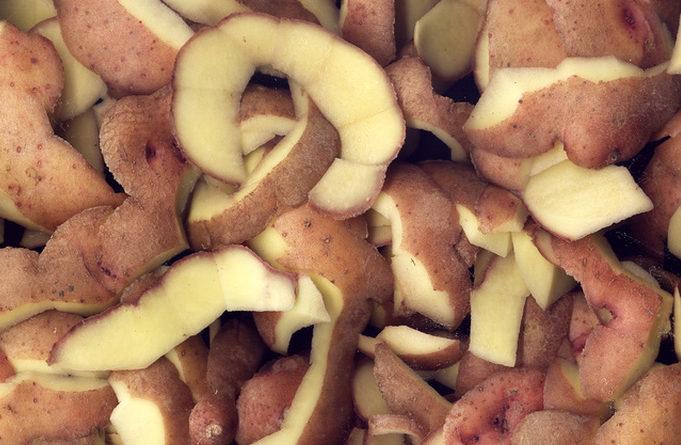
In the spring, peelings are placed in a large barrel, filled with hot water, and left for 2-3 days. The resulting paste is rich in vitamins and minerals, beneficial not only for cabbage but for all plants. The paste improves soil fertility and enriches its composition. Peelings can be easily prepared by drying them in the oven or freezing them on the balcony.
Eggshell
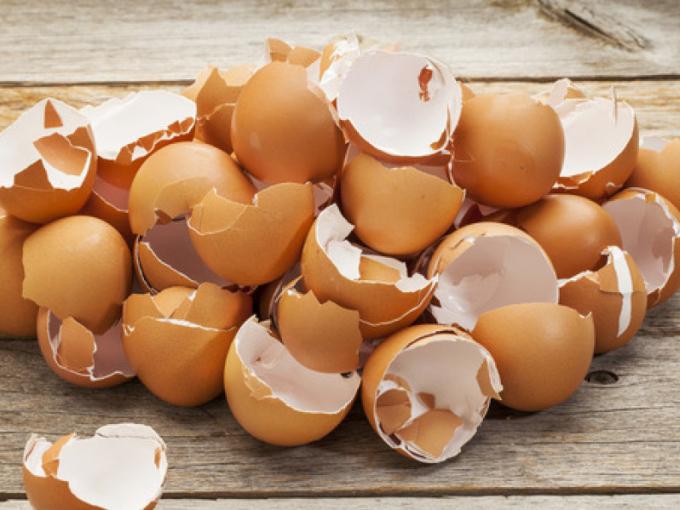
Eggshells are considered by gardeners to be one of the most readily available waste materials for fertilizing garden beds. They are used to liming acidic soil. As one can imagine, a huge amount of eggshells would be required to deacidify the soil. Therefore, eggshells are collected beginning in the fall and continuing throughout the winter. They can be stored whole or crushed in a dry place.
Young cabbage seedlings are fed with eggshell powder after transplanting into open ground, adding it to the planting holes. The calcium nourishes the seedling roots, and the plant begins to grow vigorously.
Banana peels
Banana peels are rich in potassium and other beneficial elements. After eating this juicy and delicious fruit, the peels are chopped and dried. A considerable amount of banana waste should accumulate over the winter. If necessary, the food waste can be crushed and soaked in water. One peel should be steeped in 1 liter of water for 3-4 days.
Ammonia
Ammonia contains nitrogen, which is essential for plant growth at all stages of development. Dilute 3 tablespoons of ammonia in 10 liters of water. Ammonia is also beneficial because its pungent odor repels insects. You can spray cabbage with an ammonia solution on a dry, windless day.
Boric acid
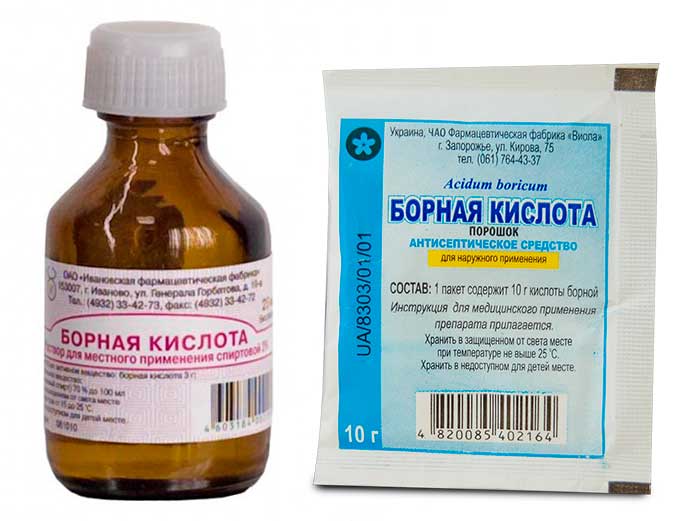
Boron helps plants accumulate sugar, starch, and carbohydrates, improving the flavor of vegetables. Cabbage responds well to boron fertilization. Spraying cabbage with a boron solution during head formation will result in larger, denser, and tastier heads.
Mullein solution
Mullein differs from many other fertilizers in its high content of nitrogen, phosphorus, potassium, calcium, and other essential microelements. It also contains trace amounts of rare metals. It is safe, environmentally friendly, effective, and, most importantly, affordable, especially for rural residents.
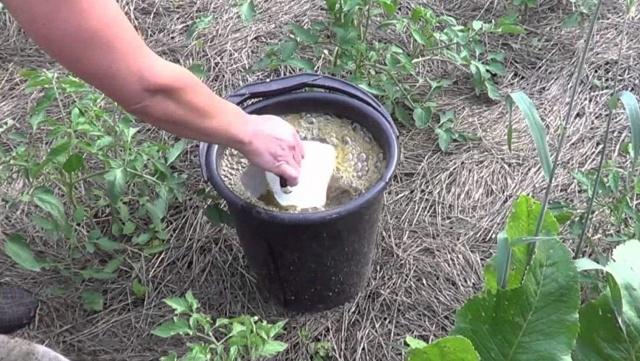
To obtain a valuable fertilizer for watering and feeding, you need to fill a bucket with 1 part mullein and 5 parts water, mix the mixture well, leave for a day, covered with a lid, preferably in the sun.
The resulting slurry should be diluted with water at a ratio of 1:10. One liter of the solution is applied to each bush. Gardeners should be aware that mullein is relatively low in phosphorus. It is recommended to add superphosphate to the prepared infusion.
We decide on the method of fertilizing the bushes
Fertilizing methods for cabbage include foliar and root feeding, which are used at different stages of plant growth.
Foliar
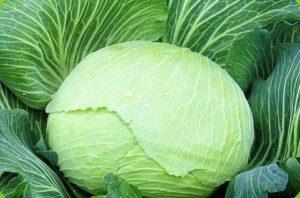
Foliar feeding involves spraying plants with solutions containing important nutrients for growth and development, increasing resistance to diseases and climate conditions.
Root
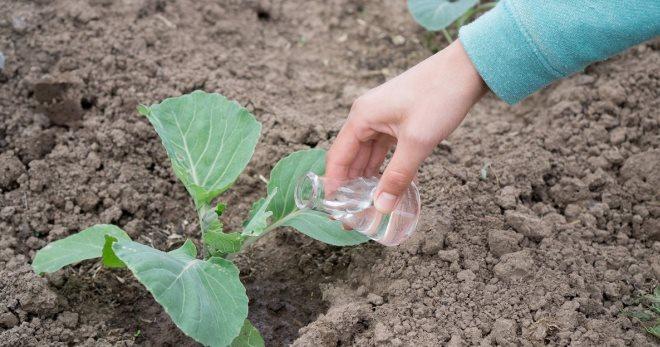
Root fertilization is used from the very beginning of a plant's vegetative development. Fertilizers are applied with various infusions and watered into the bushes. Dry application is also common, using humus, peat, and wood ash.
Stages and timing of application of nutrients
There's a specific schedule for fertilizing plants, outlining the stages and timing. Fertilize the soil first before planting the cabbage seedlings, then after planting. The next stage occurs after the seedlings emerge. Fertilize before planting the seedlings in open ground. The final fertilization in the fall ensures the cabbage's shelf life during winter storage.
Feeding cabbage seedlings
The first feeding of seedlings can be done with ammonia. The calculation is as follows: dissolve 3 tablespoons of ammonia in 10 liters of water. For potassium, use a banana peel infusion. Infuse the peel from one fruit in 1 liter of water.If the seedlings are growing slowly, you can spray them with boric acid.
Fertilize after planting in open ground
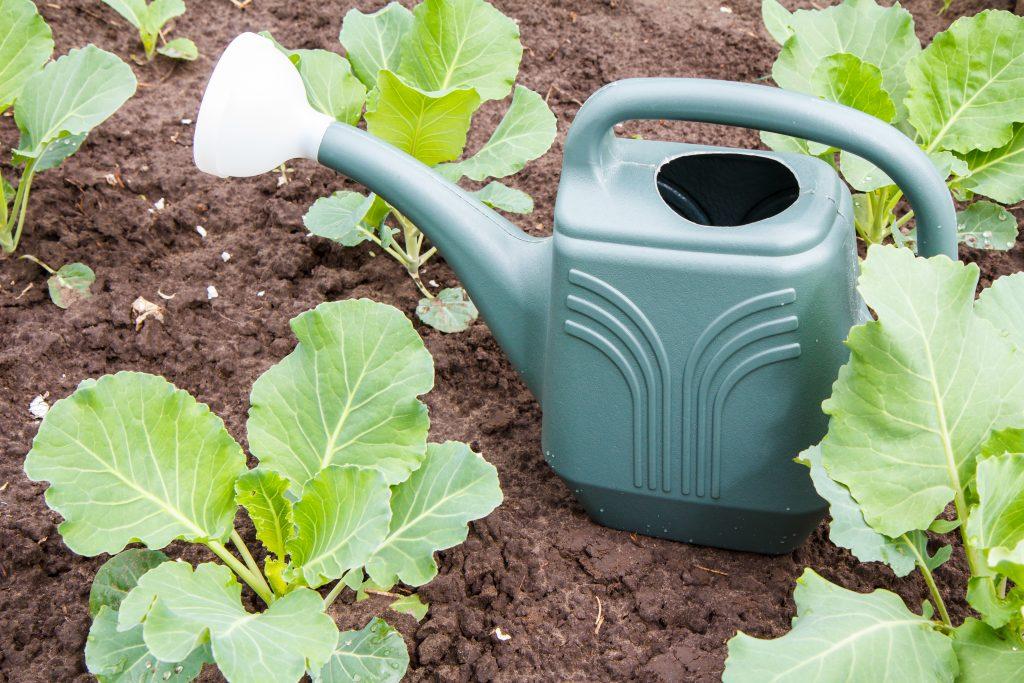
2-3 weeks after planting in open ground, cabbage is fed:
- Bird droppings, horse droppings, or cow manure (1 cup)
- Ash infusion (a glass of raw material)
Fertilizers are infused in 10 liters of water.
Stimulating active growth of white cabbage
To stimulate cabbage growth during the growing season, apply a second feeding two weeks after the first, at the end of June. Use an ash infusion (preferably birch) and chicken manure (a half-liter jar per 10 liters). In July, add additional fertilizer to late-season cabbage varieties using a mullein infusion (1 kg per 10 liters).
To form a head of cabbage
To get large, dense cabbage heads in the fall, you can apply a half-liter jar of fresh mullein to the roots. Using folk remedies for fertilizing vegetable crops is safe and inexpensive.
Related posts:
 How and what is the best way to feed cabbage in open ground, fertilizers for growth
 Why does cabbage grow tall in the garden and what can be done about it?
 Planting, growing, and caring for cauliflower in open ground and greenhouses
 Using calcium nitrate for cabbage, how to feed it and the application rate
 Why cabbage leaves wilt in the garden and what to do
 Description of the best cabbage varieties for 2025 for different regions
 Why do cabbage leaves turn purple and what can be done to treat them?
 Can cabbage be sprayed with valerian to control pests and what are the treatment guidelines?