
- Causes of cabbage stretching
- Violation of sowing dates
- Insufficient lighting
- Elevated temperature
- Excessive moisture
- Planting density
- Lack of hardening
- Depleted soil
- Diseases and pests of cabbage that affect growth
- How to save stretched seedlings
- Cold therapy
- Picking
- Forming a loop
- Irrigation with growth regulators
- Leaf picking
- Adding soil
- Re-seeding
- Rules for transplanting elongated seedlings into a garden bed
When growing cabbage, it's crucial to follow all agricultural practices and plant only healthy, strong seedlings. Poor-quality planting material will produce heads later, even if they do, and the resulting harvest will be small and unattractive. To achieve the desired results from your cabbage, you need to know why it stretches and what to do in such situations.
Causes of cabbage stretching
Agricultural productivity depends largely on the proper development of seedlings. There are many reasons why young plants grow tall, so it's important to familiarize yourself with the most common ones to prevent them from becoming too tall and jeopardizing the future harvest.
Violation of sowing dates
A key factor in growing cabbage is timely planting in open areas. This depends on the climate of the specific region and the ripening time of the chosen variety.
Thus, the time for planting works varies between the end of April and the end of May.
Knowing the exact date of planting seedlings in open ground, you can calculate the day to sow the seeds. However, it's important to keep in mind that it takes 10-12 days from sowing to germination. The seedlings' growth and development period is 50-55 days. Ultimately, sowing should be done 60-65 days before planting.
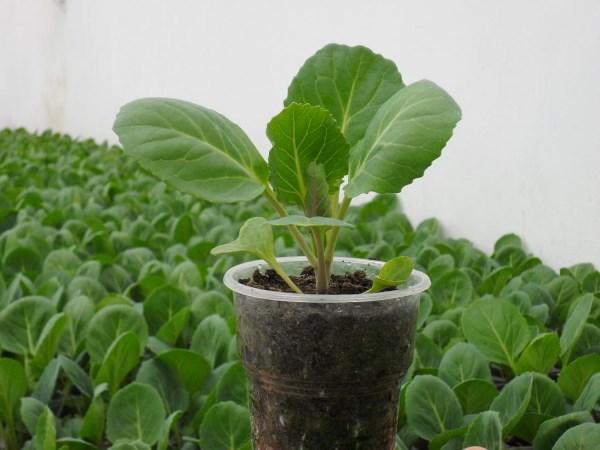
Insufficient lighting
Given the crop's high sun requirements, long daylight hours (12-14 hours) are essential for active growth. Under these conditions, plants will grow quickly and form large heads. Different cabbage varieties have different light requirements. For example, white cabbage requires quite high amounts of light, while broccoli requires little.
If the seedlings begin to stretch, grow quickly, become thinner, or lose their natural color, then an additional light source will need to be installed.
Elevated temperature
Cabbage seedlings don't like high temperatures; they thrive in a cooler microclimate. During the germination stage, maintain a temperature of 18-20 degrees Celsius. Once the sprouts are visible, lower the temperature to 8-10 degrees Celsius and maintain this temperature until the first true leaf appears.
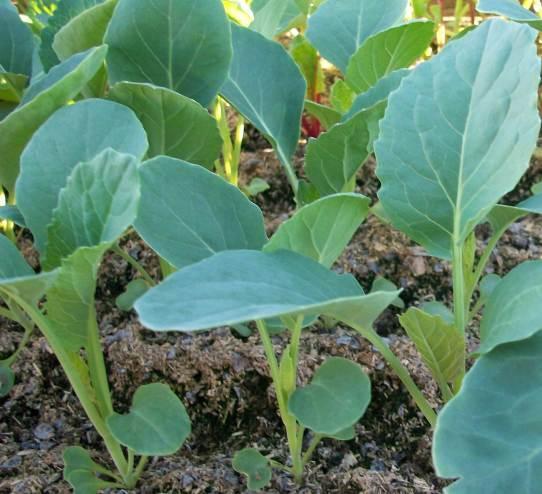
Subsequently, the temperature is maintained between 15-18°C during the day and 6-8°C at night. The difficulty of maintaining these conditions explains why cabbage plants stretch. Brief temperature drops immediately after sprouting not only refresh the seedlings but also harden them off and prevent them from stretching.
Excessive moisture
Excessive soil moisture has just as negative an effect on cabbage as insufficient moisture. If humidity levels are in the 85-90% range, cabbage stem growth accelerates significantly. This becomes especially noticeable when temperatures rise.
Seedlings can also become significantly elongated if irrigated before sprouting and 5 days after sprouting. Irrigation should be started 6 days after sprouting, with a frequency of once every 5 days. Seedlings can also become elongated in open ground if the irrigation system is disrupted.
Planting density
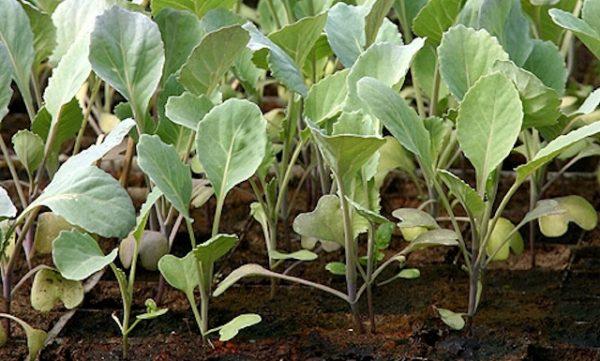
If you plant cabbage too densely in your garden, the seedlings will stretch out as they grow and develop. This is because the plants strive to maximize their light and warmth.
To prevent the plantings from shading each other, it is necessary to thin out the plants after the fourth leaf has formed, removing the weakest specimens.
Only by following basic recommendations for caring for seedlings can you grow a high-quality and quantitative harvest.
Lack of hardening
Young cabbage doesn't tolerate heat well, and it can become very leggy even under optimal growing conditions if it isn't hardened off periodically. Periodically exposing the plants to cold temperatures can also increase their resistance to temperature fluctuations and common diseases.
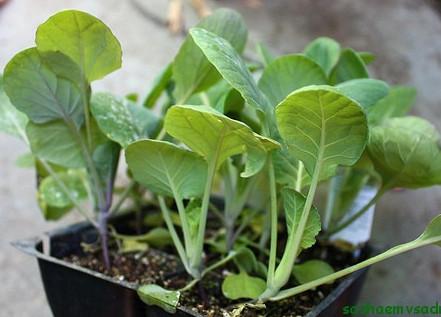
These techniques are especially useful before planting cabbage roots outdoors. It's best to begin hardening off the seedlings 14 days before planting. Place the containers outside at temperatures between 4 and 15 degrees Celsius. Gradually increase the time of hardening, from 30 minutes to 24 hours.
Depleted soil
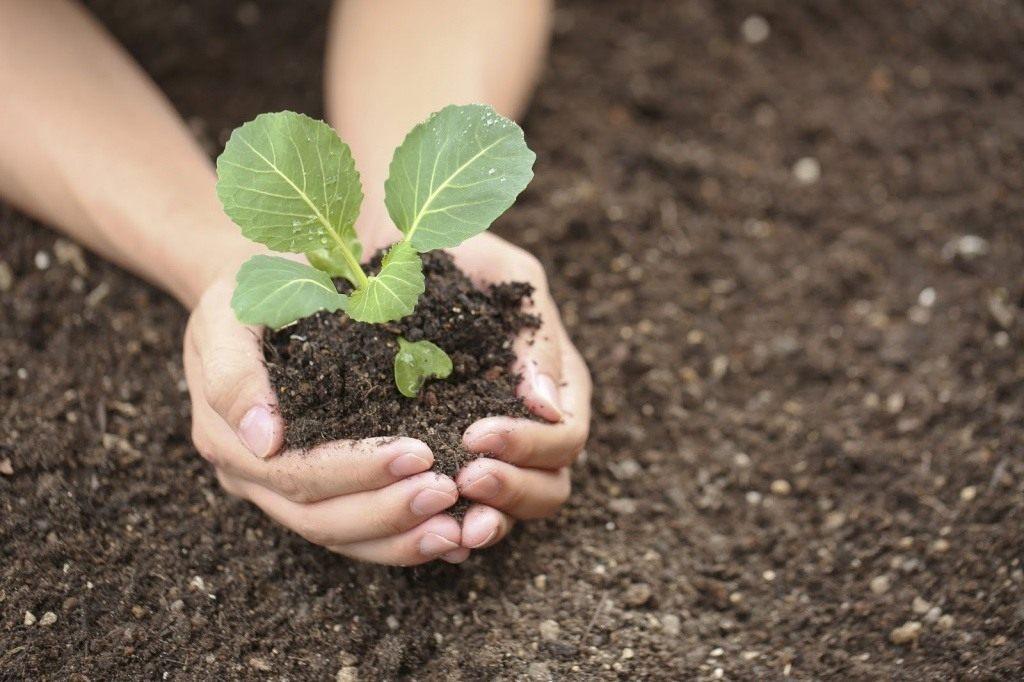
It's preferable to plant cabbage in soil with sufficient nutrient content. Organic compounds and mineral complexes are effective in enriching the soil with nutrients.
If there is a deficiency of nutrients, the cabbage seedlings begin to weaken and stretch out.
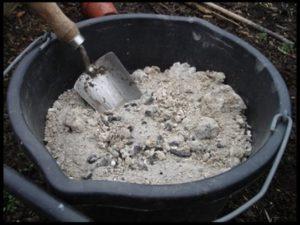
The soil should contain humus, peat, wood ash, and rotted manure. Acidic conditions or clayey or sandy soils often cause rapid growth of young plants. To ensure normal leaf development, nitrogen-containing fertilizers should be added to the soil in advance.
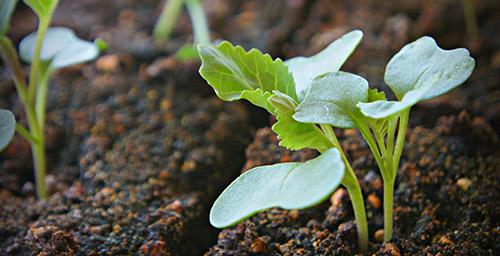
Seedling stretching also occurs when sowing seeds in a prepared substrate purchased from a specialized store. To support cabbage in the early stages, when it has two or three leaves, feed it with a mixture of chicken manure (1 cup), ash (1 cup), and water (10 liters). Repeat this feeding once every 10 days, but be sure to follow the recommended dosage; otherwise, there is a high risk of the cabbage becoming stretched.
Diseases and pests of cabbage that affect growth
Among the diseases dangerous for cabbage are:
- downy mildew (peronosporosis);
- black spot (alternaria);
- black leg;
- white rot (sclerotinia);
- dry rot (phoma);
- gray mold;
- fusarium;
- mucous bacteriosis;
- keel;
- mosaic virus.
Experienced gardeners identify common pests that attack cabbage: aphids, flea beetles, moths, and rapeseed sawflies. Whiteflies, flies, cutworms, and slugs are also common.
How to save stretched seedlings
To prevent cabbage seedlings from growing even taller, it is necessary to take appropriate measures.
Cold therapy
At the first sign of cabbage stretching caused by high temperatures, cold shock therapy should be used. First, the plants are placed in a room where the temperature does not exceed 4°C (4°F). Then, the containers containing the future plants are kept at 7-12°C (45-55°F) for 10 days.
For the next 10 days, the cabbage is kept in a room with a temperature of 14-16 degrees Celsius. During the subsequent growth and development period, the temperature should remain between 19-21 degrees Celsius during the day and 8-10 degrees Celsius at night.
Picking
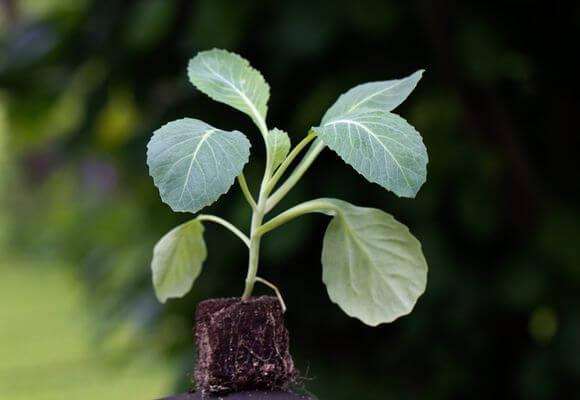
If cabbage seedlings become very elongated and the previous methods fail to produce the desired results, transplant them into another container or directly into open ground. Suitable cups are 6x6 centimeters. Plant the plants deep enough to reach the cotyledons. If true leaves have not yet formed, do not transplant them so deeply.
When transplanting, it's a good idea to pinch back the roots by 0.5 centimeters. After transplanting, the roots grow stronger, and the above-ground part of the cabbage stops growing.
Forming a loop
If the stem is too long, it can be twisted into a loop and buried. Before this, the cabbage should be lightly moistened and the temperature should be lowered by 5-7 degrees Celsius. These conditions are necessary to make the stem softer and more pliable. After twisting and placing the stem in the container, it is covered with soil, lightly compacted, and watered.
Irrigation with growth regulators
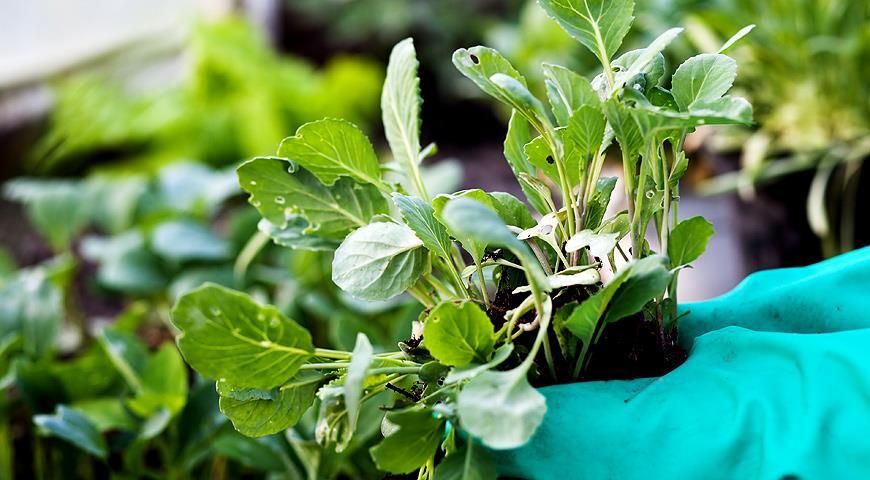
At the initial stage, plant elongation can be stopped by using growth regulators such as Atlet or Obereg. These are highly effective products that prevent the rapid growth of young cabbage. They can be used for both root watering and surface treatment. Irrigation with the working solution stops the seedlings from growing upward, and their root system begins to develop actively.
Leaf picking
If the cabbage still stretches even with ample space in the container, remove one or two lower leaves. This will stop the shoots from growing upward and instead redirect all their energy to root development. If necessary, repeat the procedure again after 6-8 days.
Adding soil
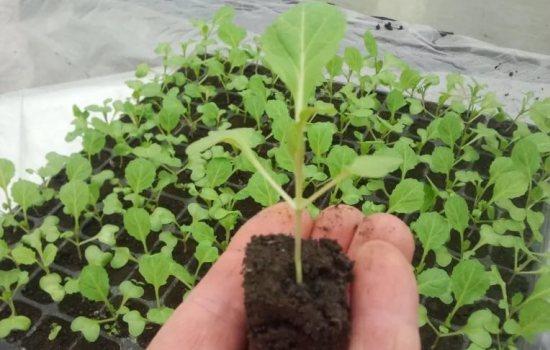
If there's enough space in the containers where the seedlings are growing, stem elongation can be stopped by adding a soil mixture. You can add soil up to the bottom leaves, but be careful not to cover the core of the vegetable. This technique stimulates root development and strengthens the shoots.
Re-seeding
There are situations when no methods for saving seedlings from stretching are effective. Then, to reap a harvest, the only option is to replant the seeds and dispose of the overgrown ones. Sowing is done either under plastic cover or directly into the ground, weather permitting.
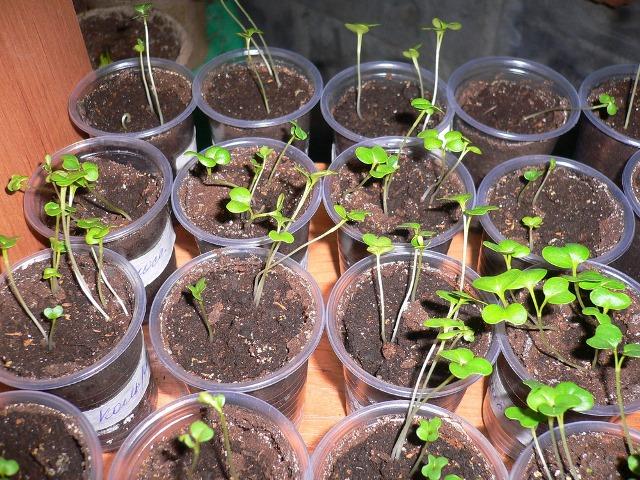
Rules for transplanting elongated seedlings into a garden bed
Cabbage seedlings that have grown significantly require special care. They are planted in the soil at a 45-degree angle. The hole is made elongated to accommodate the seedling. The plant's roots should face south. To avoid damaging the young plants, it is not recommended to straighten the curved part. The seedling is covered with soil up to the leaves, and it is best to remove the bottom two.
If the seedlings are too long but have straight stems, their roots are shortened by a third. The plants are placed in the hole up to the leaves, without covering the growth bud with soil. However, it is permissible to cover the cotyledon leaf blades.
Once planting is complete, the soil around the cabbage plants is carefully compacted, generously moistened, and mulched. To help the seedlings root more quickly and adapt to the new conditions, they should be protected from the cold at night and from the harmful effects of direct sunlight during the day. To stimulate additional root growth, it is recommended to periodically hill up the vegetable garden plants.
Cabbage stretching in the early stages of development is a serious threat to future harvests. To prevent such negative consequences, it's important to follow basic care guidelines and avoid overwatering. Only through a comprehensive approach can you grow healthy and strong cabbage seedlings.
Related posts:
 Why cabbage leaves wilt in the garden and what to do
 Growing and caring for Chinese cabbage in open ground and greenhouses
 Planting, growing, and caring for cauliflower in open ground and greenhouses
 Description of the best cabbage varieties for 2025 for different regions
 Why do cabbage leaves turn purple and what can be done to treat them?
 How to properly plant cabbage seedlings in open ground: spacing, timing, and temperature
 Can cabbage be sprayed with valerian to control pests and what are the treatment guidelines?
 Description of cauliflower diseases and pests, methods of treatment and control