
- The main reasons for leaf color change
- Micronutrient deficiency
- Consequences of stress
- Pests and diseases
- What is the danger for plantings?
- What measures can help save the harvest?
- Timely application of fertilizers
- Nitrogen
- Phosphorus
- Potassium
- We treat diseases and get rid of parasites
- Eliminating the effects of stress
- Preventive measures
- Selecting disease-resistant varieties
- Soil selection
- Rules of agricultural technology and plant care
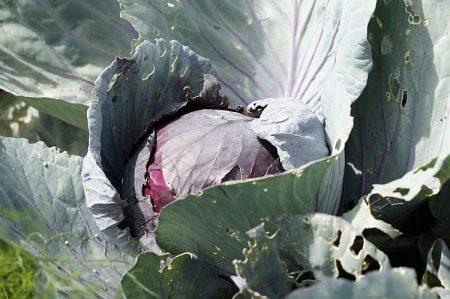
Cabbage is grown in all regions of the country. It has excellent agricultural properties: high yields, good shelf life, resistance to low temperatures, and transportability. Sometimes cabbage leaves turn purple. What to do and what causes this phenomenon? Let's try to figure it out.
The main reasons for leaf color change
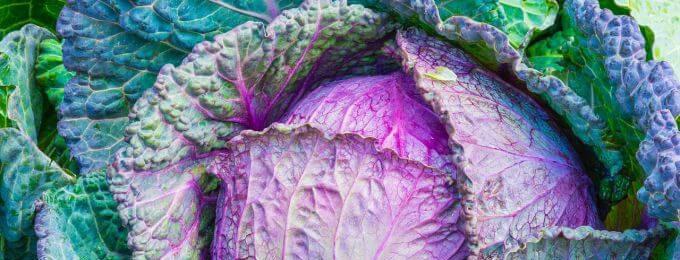
Everyone is accustomed to cabbage having white heads with a greenish tint, without any other impurities, but sometimes the vegetable's leaves turn blue. Why do they turn a different color? There are reasons for this, related to many factors.
Micronutrient deficiency
- The first reason is a vitamin imbalance in the soil and a lack of micronutrients. Cabbage, like any vegetable, is sensitive to the lack of essential elements needed for normal plant growth.
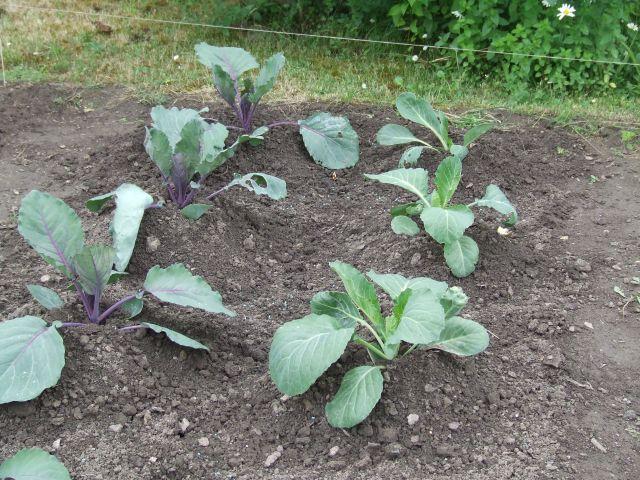
- The second reason for leaf color change is due to improper growing conditions. Plants quickly respond to changes in growing conditions. If seedlings haven't been hardened off by cold temperatures, they may develop a purple-violet tint on their foliage after being planted outdoors.
- Planting a plant in soil that is poor in microelements and overwatering it can also cause the leaves to turn blue.
Consequences of stress
Don't worry about vegetable growers if the seedlings turn purple before they're three weeks old. This is normal, as the plant in the garden experiences stress after planting. This color change will quickly resolve.

Pests and diseases
There are many pests that love cabbage juice. They can be chewing or sucking. Chewing pests include cabbage white caterpillars, cabbage moths and flies, and cruciferous flea beetles.
Pests such as bugs, aphids, and thrips are gnawing insects that damage cabbage heads.
Blackleg is a common disease affecting cabbage seedlings. This fungal disease causes cabbage leaves to turn purple. The fungal spores attack the cabbage's root system, which results in the cabbage heads being cut off from nourishment and the death of the plant.
What is the danger for plantings?
Pests and diseases are dangerous for cabbage. The cabbage flea beetle can completely destroy sprouts and seedlings if no protective measures are taken.

The cabbage fly causes significant damage. Its larvae burrow into the roots or stems of cabbage, creating tunnels. The heads then wilt and die. A fungal disease, clubroot, attacks the cabbage root system, causing the stem to become thin, twisted, and eventually die.
Take a look Also

What measures can help save the harvest?
To save your cabbage crop, it's essential to take measures that include fertilizing the plant, treating diseases, and eliminating pests. If purple-tinted cabbage heads appear in your cabbage beds due to vitamin deficiency, you can solve this problem by applying fertilizer.
Timely application of fertilizers
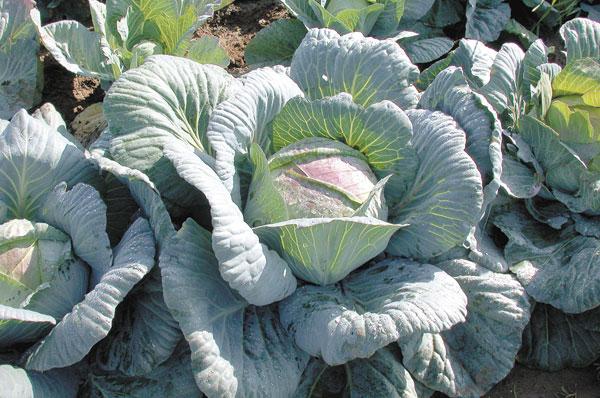
As mentioned above, cabbage suffers from a lack of phosphorus and nitrogen. Nitrogen, along with phosphorus, promotes leaf growth and good root development.
Nitrogen
Nitrogen fertilizers provide the plant with the element necessary for leaf growth and further root development. Adding nitrogen as organic fertilizer, such as manure and mullein, has a beneficial effect on the cabbage yield. 3 to 5 kg of rotted manure per 1 m² of cabbage bed is sufficient. Bird droppings or mullein can also be used. A mullein solution is prepared as follows: add 1 liter of liquid mullein to 10 liters of water, let it sit for 24 hours, and then water each root with 1 liter.
Bird droppings are highly concentrated, so a weaker concentration is prepared. This method is more suitable for rural areas.Gardeners can use urea, nitrophoska, and superphosphate; directions for use are indicated on the packaging.
Phosphorus
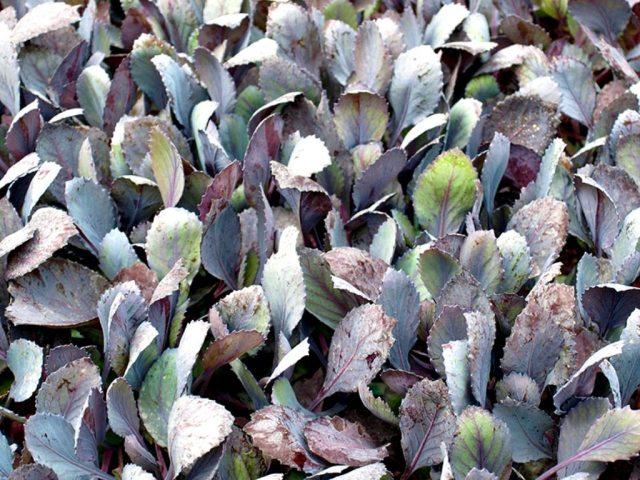
A change in color in cabbage indicates a lack of nitrogen and phosphorus in the soil. Therefore, steps must be taken to address the underlying issue causing the purple veins.
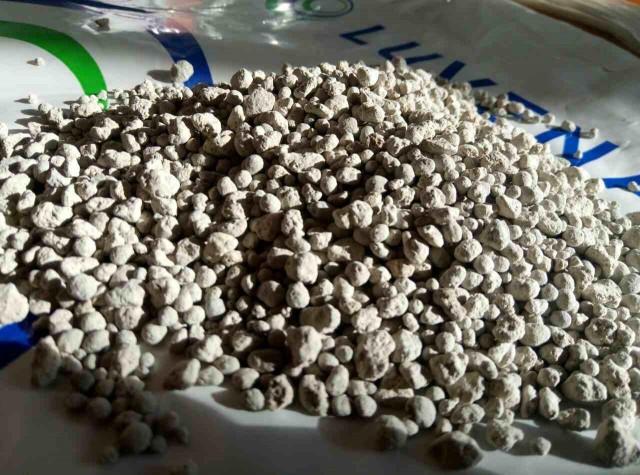
Gardeners know that a phosphorus deficiency causes discoloration of cabbage leaves. A deficiency of this element can cause the leaves to turn yellow, and the entire crop can be lost. When this symptom appears on the plant, a phosphorus-containing fertilizer should be applied. IZAGRI, a liquid fertilizer with a high phosphorus concentration, is available for supplemental feeding. This product contains micronutrients that promote excellent absorption of this important element and healthy vegetable growth. It can be applied in both spring and fall.
Superphosphate is also considered a good source of phosphorus; dilute 2 tablespoons of fertilizer in 10 liters of water and feed in the evening, after watering, onto a loosened bed.Without phosphorus, nitrogen fertilizers are poorly absorbed.
Potassium
The presence of the trace element potassium in the soil is crucial for the development of green cabbage leaves. A deficiency causes slow growth, leaves to turn yellow, the root system to be unable to deliver essential nutrients, and the plant to become weak and susceptible to disease.
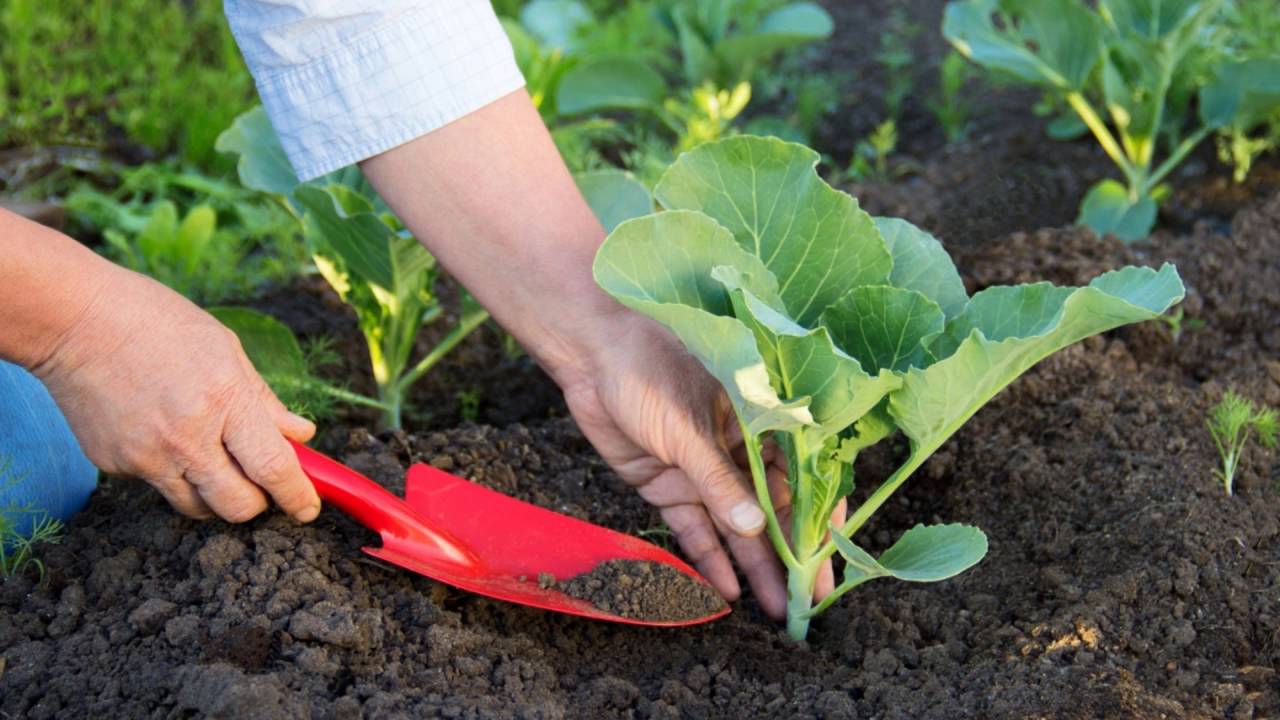
The group of potassium fertilizers includes:
- Potassium nitrate. It contains about 44% potassium.
- Potassium chloride. Cabbage can absorb about 60% of the nutrients contained in the powder. The main drawback of this mixture is its tendency to acidify the soil.
- Potassium sulfate. Contains about 48% potassium.
It is better to apply potassium fertilizers in the fall; they are not washed out of the soil.
We treat diseases and get rid of parasites
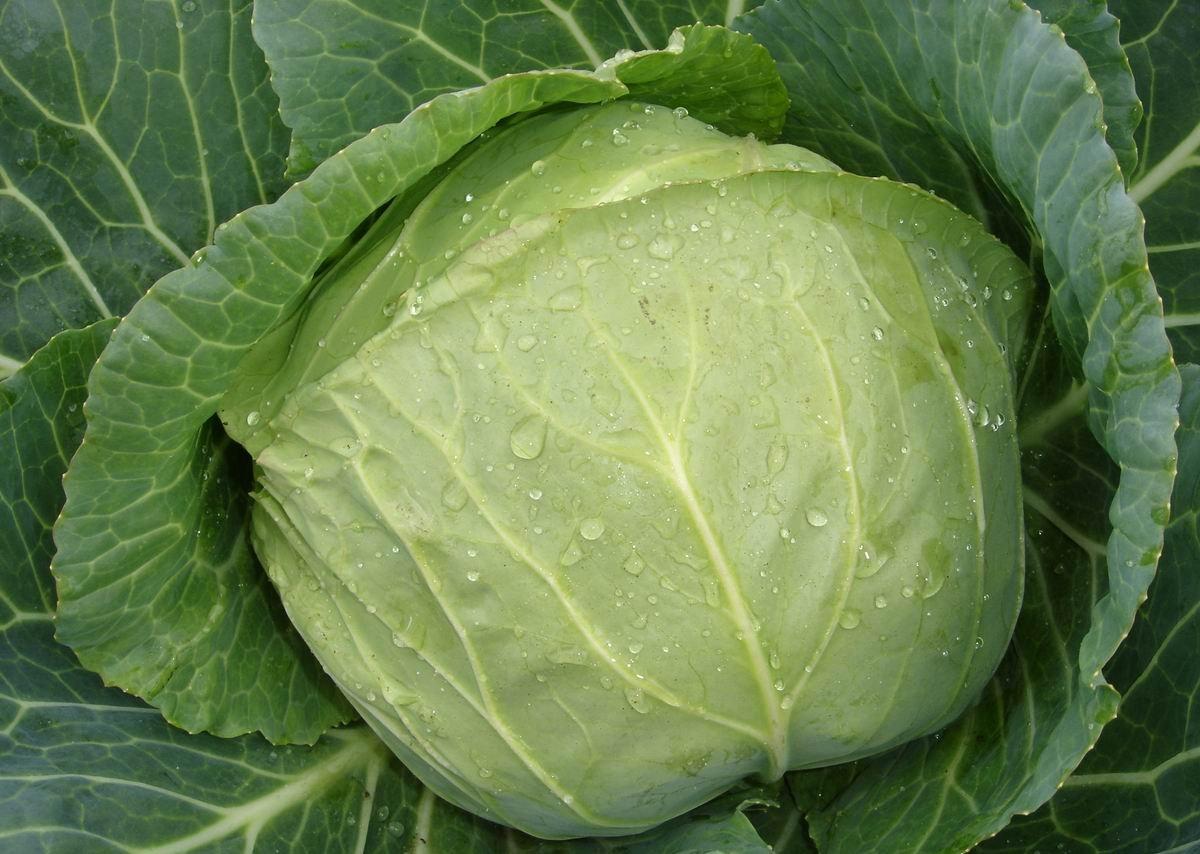
Blackleg is considered a fungal disease that can affect cabbage at any stage of growth, affecting both seedlings and mature heads. Blackleg is identified by the root collar, where black furrows can be found. Fungal spores spread easily in humid weather and acidic soils.
To get rid of the disease at the very initial stage, use a potassium permanganate solution. Take 1 g of 1% potassium permanganate and dissolve it in 150 ml of water. Let the resulting mixture steep for 5 hours, then water the cabbage. One liter of potassium permanganate solution is needed per plant root.
Eliminating the effects of stress
Cabbage, like any plant, is susceptible to stress when its growing conditions change. First, analyze any changes that have occurred during plant care: could the purple or blue discoloration on the foliage be caused by a sudden cold snap or frequent watering? Cabbage can be protected from cold, snow, and hail by covering it with an insulating material such as spunbond. If covering material is unavailable, mulch the soil with peat or sawdust.
Overwatering can also cause cabbage leaves to turn blue. Prolonged rains during the summer growing season can contribute to stress. During these periods, avoid watering; increase soil loosening. Narrow furrows can be made to drain excess water.
Preventive measures
Any negative changes on cabbage leaves cause unpleasant emotions for gardeners.
To avoid the appearance of purple color on the leaves, it is necessary to follow preventive measures.
Soil characteristics and composition vary across different climate zones. Some varieties are suitable for growing in central Russia, while others are suited for the Urals and Siberia. Therefore, gardeners should consider these criteria when choosing a cabbage variety.
Therefore, the main preventive measures are:
- choosing the right disease-resistant variety;
- use of agrotechnical methods of soil enrichment;
- apply fertilizers in a timely manner;
- Harden off the seedlings, maintain the recommended temperature regime, and do not over-moisten the soil with frequent watering.
By following preventative measures, any gardener can achieve a rich cabbage harvest.
Selecting disease-resistant varieties
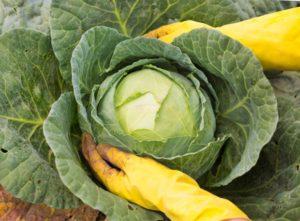
Several cabbage varieties should be grown in a plot: early, mid-season, and late-season. A late-season hybrid variety, Agressor, is popular among vegetable growers. This variety can be grown in all climate zones. It is resistant to blackleg blight and fusarium wilt, and is not susceptible to attack by flea beetles, aphids, or caterpillars.
The Moskovskaya, Mara, Amager, Megaton F1 and Belosnezhka varieties have similar disease resistance indicators.
Soil selection
Cabbage requires high-quality soil cultivation. Therefore, the area should be plowed or dug up as early as possible in the fall. Manure is added for fall cultivation, followed by harrowing and then re-tilling in the spring.
Sandy, clayey, and loamy soils are considered the best for growing cabbage. For other soil types, soil deacidification is recommended.
The vegetable planting site should be open. Fertilize the soil with organic matter during fall tillage. The vegetable responds well to organic fertilizers. Fertilize the soil especially well for late cabbage. Apply up to 7 kg of manure per square meter. Vegetable compost can also be used. To prevent water stagnation, the soil should be level, without any depressions.
Rules of agricultural technology and plant care
There are agricultural rules that must be followed when growing the crop.
- It is necessary to adhere to the rules of crop rotation: the crop should be returned to its original location only after 4 years
- Fertilize the area promptly and correctly in the fall when digging and add organic fertilizers - manure, humus, ash, and also directly into the holes during planting.
- Disinfect the soil using lime, dolomite flour or copper sulfate.
- Treat seeds before planting to improve immunity.
- Comply with the necessary requirements for the culture and growing conditions.
If you follow the correct agricultural practices for growing cabbage, you will be rewarded with dense, white heads of cabbage without any color tint.
Related posts:
 Why cabbage leaves wilt in the garden and what to do
 Why does cabbage grow tall in the garden and what can be done about it?
 Planting, growing, and caring for cauliflower in open ground and greenhouses
 Description of the best cabbage varieties for 2025 for different regions
 Description of cauliflower diseases and pests, methods of treatment and control
 Using calcium nitrate for cabbage, how to feed it and the application rate
 Growing and caring for Chinese cabbage in open ground and greenhouses
 Why cabbage leaves turn yellow, what to do, and how to deal with it