
- The main causes of yellowness and characteristic signs
- Unfavorable environmental conditions
- Light and temperature
- Insufficient irrigation of cabbage
- Potassium deficiency in the soil
- Cabbage lacks iron
- Magnesium deficiency
- Nitrogen deficiency
- Plant burns due to pesticide treatment
- Parasitism of burrowing pests
- Invasion of leaf-eating insects
- Clubroot disease
- Fusarium wilt of cabbage
- How to treat and save plantings
- Agricultural technology rules
- Proper care of the crop
- Pest and disease control
- Irrigation regulation
- Preventive measures
Yellowing of the base of cabbage heads during the pre-harvest period is completely natural, as it indicates the vegetable's ripening. However, it's important to figure out why the leaves of planted cabbage are turning yellow mid-growing season as quickly as possible, as the causes of these changes can be anything but harmless. An unhealthy color can be caused by both improper care and harmful organisms.
The main causes of yellowness and characteristic signs
There are many reasons why cabbage seedlings or mature plants dry out, turn yellow, or become spotted. The main ones are related to the following issues:
- weather conditions;
- violation of light or temperature conditions;
- weak watering;
- nutritional deficiencies;
- chemical burn;
- pest attack;
- diseases;
- improper care.
Characteristic symptoms of vegetation disorders:
- color change;
- curling of the sheet edge and its deformation;
- loss of elasticity and weakness;
- the appearance of damage.
Unfavorable environmental conditions
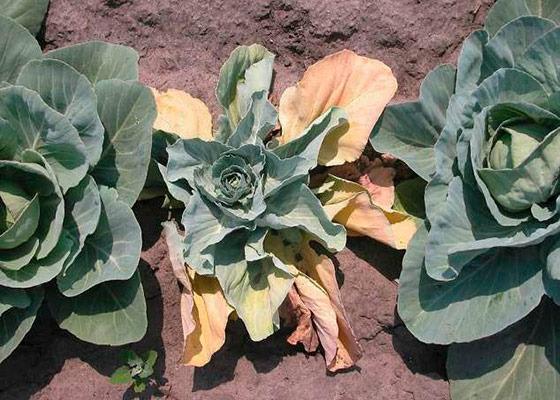
Cabbage doesn't respond well to changing weather conditions. Rain and overwatering cause water stagnation around the roots, which leads to rot and stunted growth. Leaf edges gradually begin to curl and dry out.
Growing cabbage in unsuitable soil negatively impacts its growth. If seedlings are planted in sandy soil, they cannot absorb sufficient nutrients, and water quickly drains away, leading to weakened, wilted, and yellowed leaves.
Light and temperature
After sprouting, cabbage seedlings may turn yellow due to temperature fluctuations. Plants don't need an overly warm location; maintaining a room temperature of 8-10°C for 1-2 weeks is sufficient. Heat will encourage vigorous upward growth, while weak roots will cause the cabbage to turn yellow.
Low light levels can cause yellowing leaves. Light should be bright and long-lasting, but not scorching. This is especially important during the formation of the second and subsequent true leaves.
Insufficient irrigation of cabbage
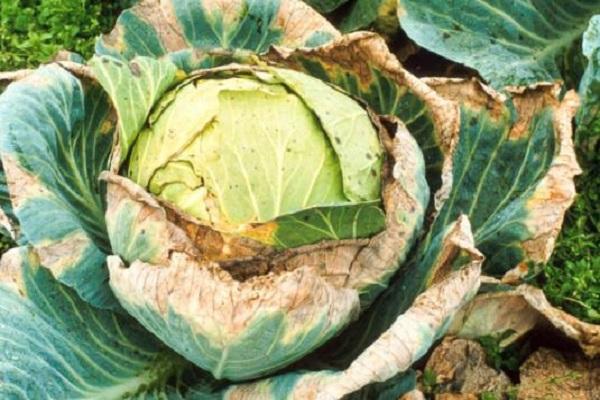
Insufficient watering causes the shoots to dry out and turn yellow. In hot, dry weather, maintaining a proper watering regime is crucial. To maintain the strong, succulent structure of the leaves, water 2-3 times a week; otherwise, the heads dry out and lose their ability to recover.

Brassicas are easy to water with a hose, as they respond well to sprinkler irrigation. If the plants continue to wilt and frequent irrigation is not possible, automatic irrigation systems are recommended.
Potassium deficiency in the soil
Yellowing leaf edges and the tops of plants can be caused by a potassium deficiency in the soil. This problem most often affects cabbage seedlings, which cannot thrive in the garden due to the lack of nutrients.
Applying potassium fertilizer will help transform light green leaves into more vibrant ones and restore cabbage growth intensity.
Cabbage lacks iron
Iron deficiency in the soil also negatively impacts cabbage growth. Older lower leaves take on a pale, slightly creamy hue and eventually fall off, while younger leaves stop growing completely. If heads of cabbage have already begun to form, iron deficiency will prevent them from maturing, and the vegetable itself will develop a bitter taste.
Magnesium deficiency
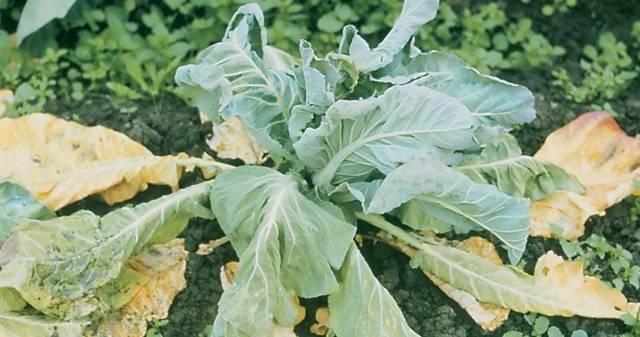
When there's a magnesium deficiency in the soil, the lower leaves of cabbage turn pale and become significantly brittle. The succulent leaves become thinner between the veins, forming a marbled pattern. Magnesium deficiency symptoms begin at the base of the plant but can gradually spread throughout the entire plant.
It is known that cabbage shoots grown on non-acidic loams do not turn white, unlike those grown on other types of soil.
Nitrogen deficiency
Discoloration of cabbage leaves may indicate a nitrogen deficiency in the soil. Plant growth is significantly reduced, and the lower leaves gradually turn light green, yellow, or develop a reddish or bluish tint. In this case, the cabbage should be fertilized with a solution of saltpeter or urea.
Nitrogen fertilization should be avoided in the second half of summer, as it will reduce the plant's immunity to fungal and bacterial infections.
Plant burns due to pesticide treatment
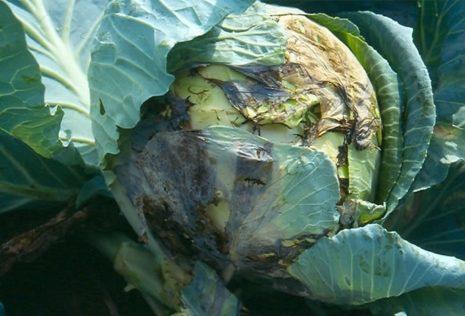
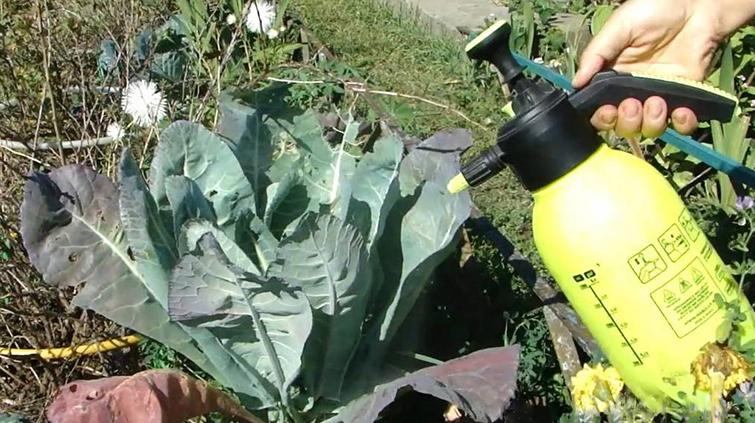
Yellowing of leaves can begin after treating the garden with chemical pest control products. This can occur as a result of improper spraying or incorrect dosing. To restore cabbage damaged by burns, you must:
- remove damaged leaves;
- use phytohormonal preparations;
- stop further chemical spraying;
- increase the number and volume of watering.
Parasitism of burrowing pests
Cabbage roots are often attacked by pests, which deprive the plant of its ability to obtain nutrients from the soil. Burrowing insects include:
- mole crickets;
- May beetle larvae;
- wireworm larvae;
- nematodes.
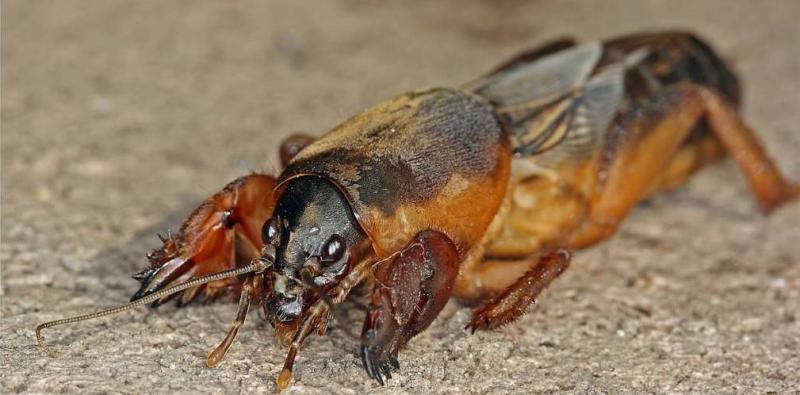
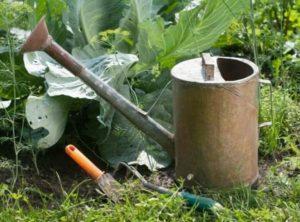
The only way to identify pests is to pull one plant out of the ground and carefully examine the roots and soil. If pests are detected, the beds should be treated with an appropriate product or folk remedies.
Invasion of leaf-eating insects
Aboveground pests are much easier to spot on yellowed leaves. Small spots and holes appear on the cabbage, and the leaf blade weakens, thins, and dies completely. Folk remedies based on soap solution, ash, or tobacco dust can be used to remove the insects. However, if the infestation is extensive, chemical treatments are more reliable.
Leaf-eating pests include:
- cruciferous flea beetle;
- weevil;
- cabbage spring fly;
- aphid;
- caterpillars.
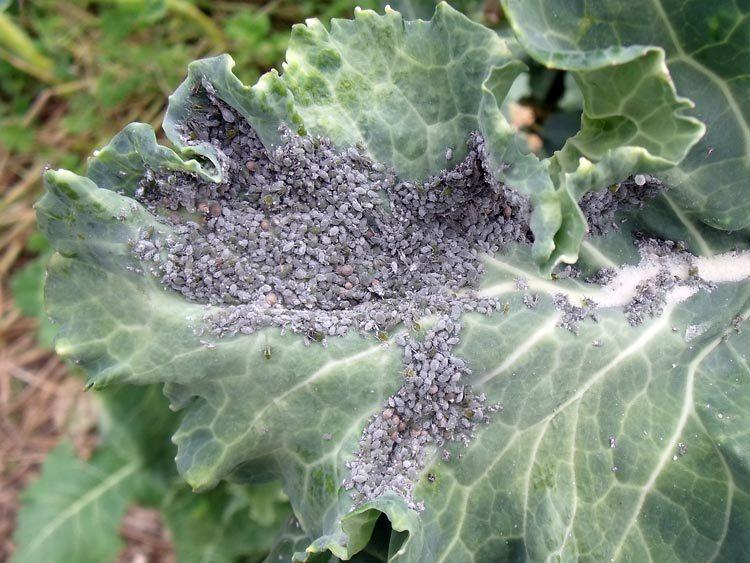 Preventive soil treatment before spring planting and regular removal of weeds from the beds can help prevent infestation by above-ground insects.
Clubroot disease
After pulling up a yellowed cabbage plant in search of insects, you might find growths on the plant's roots instead. This indicates clubroot infestation. Affected shoots are beyond saving, and the cabbage will have to be removed from the beds and burned. To secure a harvest, you can try digging up the seedlings, trimming the roots with the growths, and replanting them, but this isn't the most reliable method.
The soil in the affected areas should be treated with a solution of Fundazol, ash, and lime. For the next five years, do not plant cabbage or related crops in this area.
Fusarium wilt of cabbage
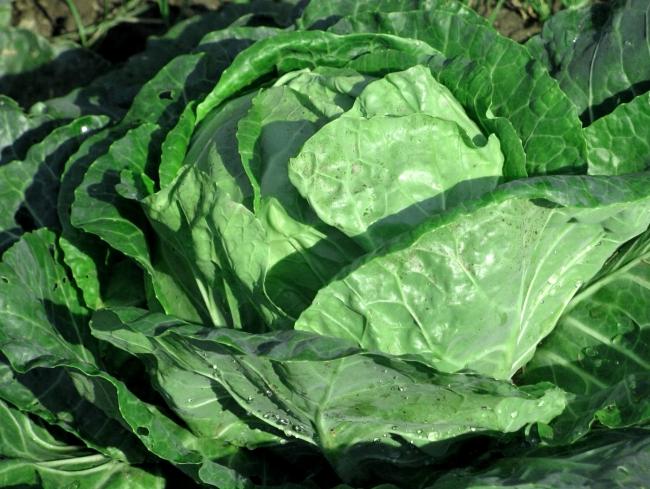
Dry weather without precipitation can lead to the development of fusarium wilt on cabbage. Infection can cause partial yellowing of leaves, beginning with discoloration of the veins on the lower and middle leaves. If left untreated, the disease can destroy entire plants, so when symptoms appear, cabbage should be treated with chemicals. It is much more effective to use varieties and hybrids that are resistant to fusarium wilt.
How to treat and save plantings
If you notice yellowing or wilting leaves, you need to figure out the first steps to save your harvest. The correct order is as follows:
- Inspect the soil and plant for pests or disease symptoms.
- Remove one affected bush from the ground to examine the roots.
- Assess the air temperature, level of illumination and soil moisture.
- If there are problems with humidity, restore the watering regime.
- If you suspect that your soil is poor, you can water the plants with a solution of chicken manure.
- If necessary, treat cabbage against pests and diseases.
Agricultural technology rules
Yellowing and white spots on leaves can be caused by agricultural errors:
- Watering according to the weekend schedule is not sufficient for cabbage vegetation.
- Poor nutrition, unsuitable soil morphology and a lack of minerals such as nitrogen, phosphorus and magnesium cause yellowing of the leaf edges.
- Failure to apply chemicals correctly and spraying in dry weather can cause shoot burns.
Proper care of the crop
To avoid yellowing of leaves and wilting of plants, it is necessary to correctly follow the following recommendations:
- The seedlings are grown in a cool room.
- Young plants are protected from sudden temperature fluctuations.
- Cabbage is planted in a well-lit area.
- The soil for planting should be neutral or slightly alkaline.
- Watering should be uniform.
- The roots need to be provided with oxygen by loosening the soil.
Pest and disease control
To eliminate pests and diseases affecting cabbage, you can turn to proven folk remedies that allow you to get rid of the problem without disturbing the ecology of the plantings. Plants that are significantly infested are best removed completely or treated with chemicals. This will ensure that the problem does not recur and spread to other plantings. The method for combating pests and diseases depends on the extent of the infestation and its cause.
The safest method is preventative disinfection of the soil and seed material, as well as proper preparation of the garden in the spring and fall.
Irrigation regulation
To ensure a high-quality harvest, it's essential to water the seedlings properly after planting them outdoors. In dry weather, water twice a week, applying 3-4 liters of warm water per plant. Afterward, the soil should be dug over, weeds removed, and the root zone mulched with straw.
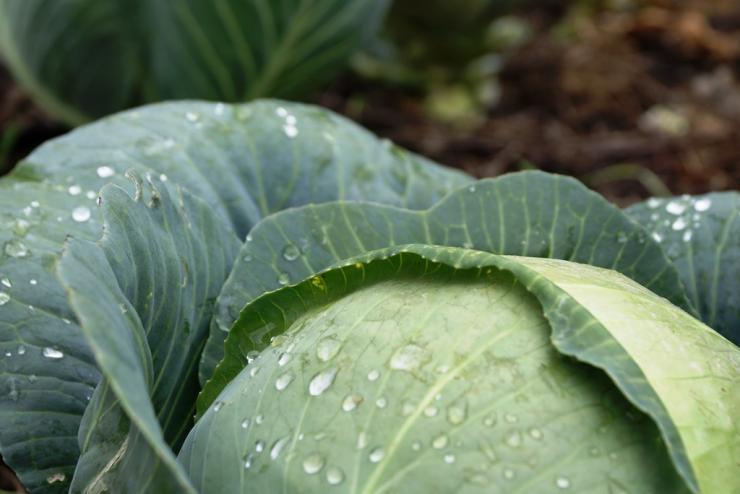
Proper watering requires not only ensuring adequate moisture but also avoiding excess moisture. Both conditions negatively impact the cabbage's health, leading to root desiccation or rot.
Preventive measures
Most cabbage growing problems are easier to prevent than to cure. Preventative measures will save your plants from yellowing and dying:
- Before planting seedlings, disinfect the soil and seeds.
- Do not plant suspicious or possibly diseased plants.
- Make sure to maintain soil moisture and do not use cold water for watering.
- Observe crop rotation rules and choose the right planting location.
It is also necessary to remove weeds, loosen and mulch the soil in a timely manner.
Related posts:
 Why cabbage leaves wilt in the garden and what to do
 Why do cabbage leaves turn purple and what can be done to treat them?
 Why does cabbage grow tall in the garden and what can be done about it?
 Growing and caring for Chinese cabbage in open ground and greenhouses
 Planting, growing, and caring for cauliflower in open ground and greenhouses
 Using calcium nitrate for cabbage, how to feed it and the application rate
 Description of cauliflower diseases and pests, methods of treatment and control
 How to propagate and grow peas, cultivation technology, and care in open ground