
- Signs of micronutrient deficiency in cabbage
- What fertilizers does cabbage need in open ground?
- Should the type of vegetable be taken into account?
- How to choose fertilizer
- Nitrogen
- Nitroammophoska
- Ammonium sulfate
- Urea, urea
- Potassium
- Containing potassium
- Potassium chloride
- Potassium sulfate
- Phosphorus
- Organics
- Mullein solution
- Brewer's yeast
- Ash top dressing
- Dolomite flour
- Complex fertilizers
- Agricola
- "Hello turbo"
- Methods and features of fertilizing
- Foliar
- Under the root
- Stages of introducing nutrients
- During the seedling germination period
- After planting in open ground
- Fertilizing the beds before hilling
- To stimulate active growth
- During head formation
- The last autumn feeding
- Safety precautions when working with cabbage fertilizers
- Molybdenum
Growing a good cabbage harvest is only possible with the use of fertilizers. When fertilizing cabbage in open ground, it's important to choose the right fertilizers, adhere to a schedule for their application, and monitor the crop's development.
Signs of micronutrient deficiency in cabbage
Deficiencies of certain nutrients will cause corresponding symptoms. When examining cabbage plants in your garden, you may notice the following symptoms, which indicate a lack of fertilizer:
- Small spots form on the edges of the leaf blades, which eventually dry out and cause curling. Then, small necroses begin to appear in the central part of the leaves.
- The heads and lower leaves acquire an unnatural hue, from bluish-green to brown.
- The leaf petioles become elongated, and red-purple spots form along the veins on their reverse side.
- The growth of the crop stops, the heads of cabbage become loose and not dense.
- The edges of the leaves darken and gradually die off.
What fertilizers does cabbage need in open ground?
For proper crop development, complex fertilizers with high levels of potassium, phosphorus, and nitrogen are needed. Cabbage also appreciates organic, naturally occurring fertilizers. It is necessary to combine different fertilizers without exceeding the recommended dose of nutrients.Excessive fertilization leads to nitrate accumulation, slow development, and cracking of heads.
Should the type of vegetable be taken into account?
Different varieties of cabbage require specific fertilizers. Following basic rules won't achieve high yields.

How to choose fertilizer
To choose the right fertilizer for cabbage, you should familiarize yourself with the detailed descriptions and characteristics of the various options. Each fertilizer category offers several types with different effects on the crop.
Nitrogen
Fertilizers high in nitrogen promote intensive foliage growth. Nitrogen supplements are beneficial for above-ground parts of plants, including cabbage heads.
Nitroammophoska
Nitroammophoska contains the essential nutrients needed for cabbage. Its comprehensive composition and high nitrogen concentration eliminate the need for additional fertilizers, saving on maintenance costs.

Nitroammophoska promotes vigorous plant growth and allows for large harvests. The fertilizer's effect on cabbage helps it quickly grow green mass and form heads. Since nitroammophoska is highly water-soluble, it can be used as a foliar fertilizer.
Ammonium sulfate
The fertilizer is a sulfuric acid salt in the form of white crystals. Ammonium sulfate is used as a root fertilizer. Application timing depends on the soil properties and climate conditions of the region where the crop is grown. This fertilizer provides the cabbage with nitrogen throughout the growing season and has a beneficial effect on growth, development, and yield. It is important to note that ammonium sulfate has soil acidifying properties.
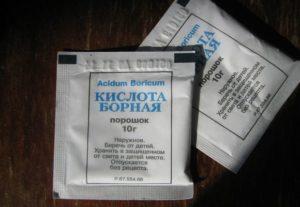
Urea, urea
Urea is a mineral fertilizer with a high nitrogen content. Urea is used as a primary or secondary fertilizer. After applying the fertilizer to the beds, the crop grows well and produces large heads. An additional benefit is its ability to repel pests, including aphids, copperheads, and weevils. Using urea in early spring and late fall helps combat purple spot.

Potassium
Potassium stimulates leaf growth and increases resistance to pests and diseases. Cabbage can be fertilized with potassium in combination with other minerals. Potassium-rich vegetables have a long shelf life.
Containing potassium
The use of fertilizers containing potassium is required when brown spots appear on the leaves and the formation of heads of cabbage is delayed.
Complex fertilizers with a high potassium content are used throughout the entire growing season.
Potassium chloride
Potassium chloride is a white crystalline substance, resembling coarse table salt crystals in appearance. The fertilizer contains approximately 60% potassium. Adding potassium chloride to the soil increases its acidity.
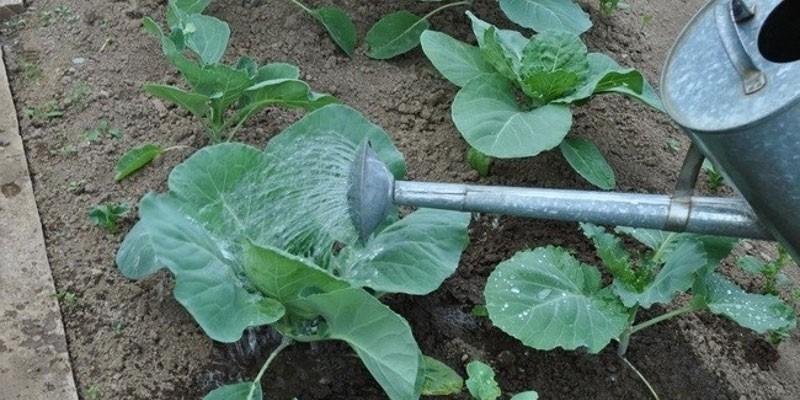
Potassium sulfate
Potassium sulfate contains no toxic additives, which has a beneficial effect on crop development. The fertilizer is applied to the planting holes when planting cabbage. Potassium sulfate can be combined with other fertilizers. The dosage of potassium sulfate is calculated individually, taking into account the climate and the variety being grown.
Phosphorus
Cabbage isn't particularly demanding when it comes to phosphorus levels in the soil, but this type of fertilizer shouldn't be completely avoided. Phosphorus is beneficial during head formation and during the accumulation of nutrients at the end of the growing season. Superphosphate is most often used for cabbage.
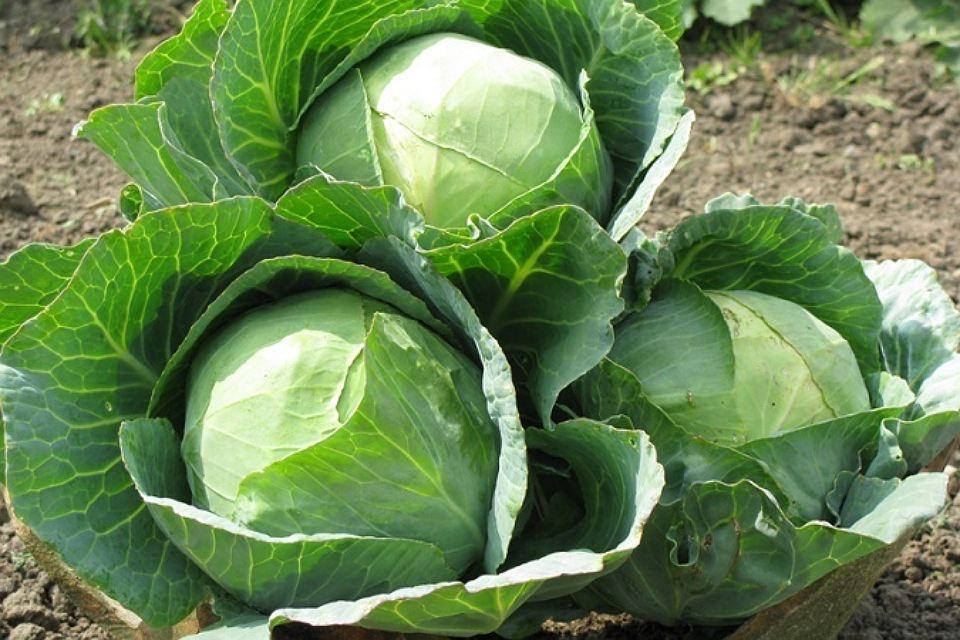
It's important to keep in mind that phosphorus is poorly absorbed when applied to acidic soils. When planning to apply superphosphate to the soil, it's a good idea to test the soil's acidity first.
Organics
Natural fertilizers are used at all stages of crop development. Organic matter is added to planting holes, used to accelerate the growth of young seedlings, and during the active formation of heads.
Mullein solution
Cow manure is a natural fertilizer used to increase crop yields, improve plant immunity, and protect against diseases. Cow manure is better absorbed by plants than other fertilizers. Its nutrient content surpasses that of other animal excrement. Because cow manure contains a large amount of water, its use maintains high soil moisture levels.

Brewer's yeast
Yeast contains a large amount of minerals, proteins, organic iron, and beneficial microelements. Brewer's yeast is beneficial due to the following properties:
- stimulating growth and saturating the soil with beneficial bacteria;
- activation of root formation and the formation of powerful green mass;
- strengthening and increasing plant immunity.
Ash top dressing
Wood ash is a suitable fertilizer for acidic and neutral soils. In addition to phosphorus and potassium, ash contains magnesium, zinc, sulfur, iron, and calcium. Feeding cabbage with wood ash helps protect against diseases such as blackleg and clubroot. Ash can be applied when planting seedlings, transplanting them to their permanent location, and during subsequent plant growth.

Dolomite flour
Dolomite flour is a highly environmentally friendly soil fertilizer that is applied in small amounts and allows you to improve the condition of even large areas with minimal investment. The fertilizer is obtained by crushing dolomite.
The resulting powder is white or gray. Dolomite flour promotes healthy soil, reduces acidity, and enriches the soil with nutrients.
Complex fertilizers
Adding complex fertilizers to the soil ensures all the necessary nutrients are present. Complex fertilizers are available at specialized gardening stores.

Agricola
Agricola contains organic matter, minerals, and liquid elements. Using this fertilizer increases crop resistance to adverse environmental influences and diseases. Agricola can be applied as a root or foliar fertilizer. Plants are able to absorb all the beneficial components through their foliage. Agricola is applied to the roots in liquid form.
"Hello turbo"
Zdraven Turbo fertilizer is most often used for seedlings. It performs the following functions:
- increases plant immunity and resistance to adverse weather conditions;
- accelerates the development of plantings and has a positive effect on crop yields;
- improves the survival rate of cabbage seedlings;
- helps root development.

Methods and features of fertilizing
Fertilizers can be applied to cabbage beds either through root application or foliar application. Each method has its own purpose and is used at different stages of the growing season.
Foliar
Foliar fertilization involves spraying the above-ground portions of plants. Foliar feeding can also be done by cultivating the soil around the plantings. This method is most often used in the final stages of the growing season.
Under the root
Liquid fertilizers are most often applied to the roots. This method of application directs nutrients directly to the roots, which is especially important during the early stages of development.

Stages of introducing nutrients
Cabbage requires a variety of nutrients at all stages of growth, from planting to harvest. Depending on the state of plant development, certain fertilizers are used to help the crop develop.
During the seedling germination period
The first portion of fertilizer is applied when the seedlings are still germinating. Seedlings are fed 7-10 days after transplanting. If cabbage is grown without replanting, the first fertilizer is applied after the fourth true leaf has formed. Any nitrogen fertilizer or organic matter, including a solution of chicken manure and mullein, can be used for seedling feeding.

After planting in open ground
When planted in a new location, young seedlings experience stress and require additional nutrition to adapt to the new conditions. Transplanting is typically done in June, when the temperature rises and the plants need to build up their green mass. Ten to 12 days after planting in open soil, the seedlings are watered with a mullein solution and nitrogen-containing fertilizers are added.

Fertilizing the beds before hilling
Hilling of cabbage is carried out when the head is forming and the plant is actively developing. Before hilling, you can use complex fertilizers to saturate the entire soil surface with nutrients.
To stimulate active growth
To accelerate cabbage growth, fertilize the plants, which is especially needed in July, when the main development period begins. Specialized stimulants or mineral fertilizers can be used to promote rapid plant growth and increase the size of the heads.

During head formation
Early-ripening cabbage varieties require nutrients to promote head formation. During active growth, it is recommended to use nitrophoska, wood ash, mullein infusion, and bird droppings. Phosphorus fertilizer is also effective, as it helps accumulate nutrients for head formation. Superphosphate, which contains 16-18% phosphorus, is optimal.
The last autumn feeding
A final autumn feeding is applied only to late-ripening varieties, three weeks before harvest. The purpose of this fertilizer is to ensure better preservation of the heads and extend their shelf life. You can saturate the soil with a solution of 30 g of potassium sulfate per 10 liters of water or with an infusion of wood ash. Ash can also help combat pests. To combine feeding and prevention, dust the cabbage leaves with ash. It's best to apply the fertilizer after rainy weather to ensure the product adheres to the leaf surface.
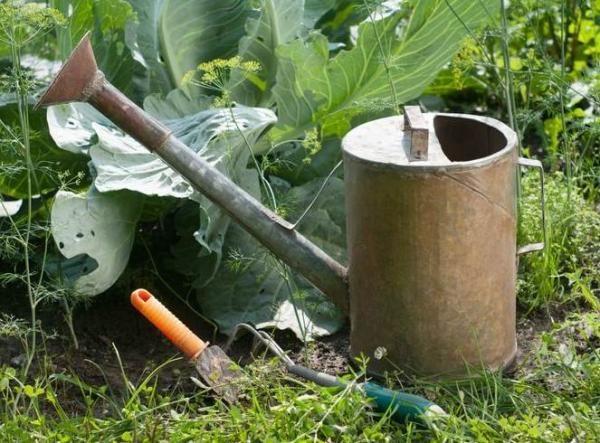
Safety precautions when working with cabbage fertilizers
When applying fertilizers, it's important to calculate the correct dosage to avoid negative consequences. It's also important to adhere to a standard nutrient application schedule. When using chemicals, wear protective gloves to avoid contact with your skin.
Molybdenum
A lack of molybdenum affects the development of heads of cabbage, which may not fully develop. Molybdenum is included in the complex fertilizer "Agricola," and ammonium molybdate can also be used. 2.5-3 g of the substance is diluted in 10 liters of water and used to water the plants. Molybdenum is especially effective in cauliflower beds.
Related posts:
 Using calcium nitrate for cabbage, how to feed it and the application rate
 How to feed cauliflower in open ground for growth and how to do it correctly
 What is the best way to feed cabbage for growth using folk remedies, when and how to apply fertilizers
 Planting, growing, and caring for cauliflower in open ground and greenhouses
 Why do cabbage leaves turn purple and what can be done to treat them?
 Growing and caring for Chinese cabbage in open ground and greenhouses
 Why does cabbage grow tall in the garden and what can be done about it?
 How to feed and what fertilizers are best for blueberries, soil acidification