
- What fertilizers does cauliflower need?
- Signs of mineral deficiency
- Complex fertilizers
- Mineral fertilizers
- Phosphorus
- Potash fertilizers
- Nitrogen
- Biostimulants
- Folk remedies
- Dry and raw yeast
- Ash
- Boric acid
- Potato peels
- Spoiled jam
- Top dressing with cow manure
- What to choose: consider the varietal characteristics of cabbage
- Methods of applying fertilizer
- Foliar treatment
- Spray at the roots
- Timing and technology for fertilizing cabbage beds
- We feed during the seedling germination period
- Before planting in the ground
- After planting in the soil
- During the fruiting period
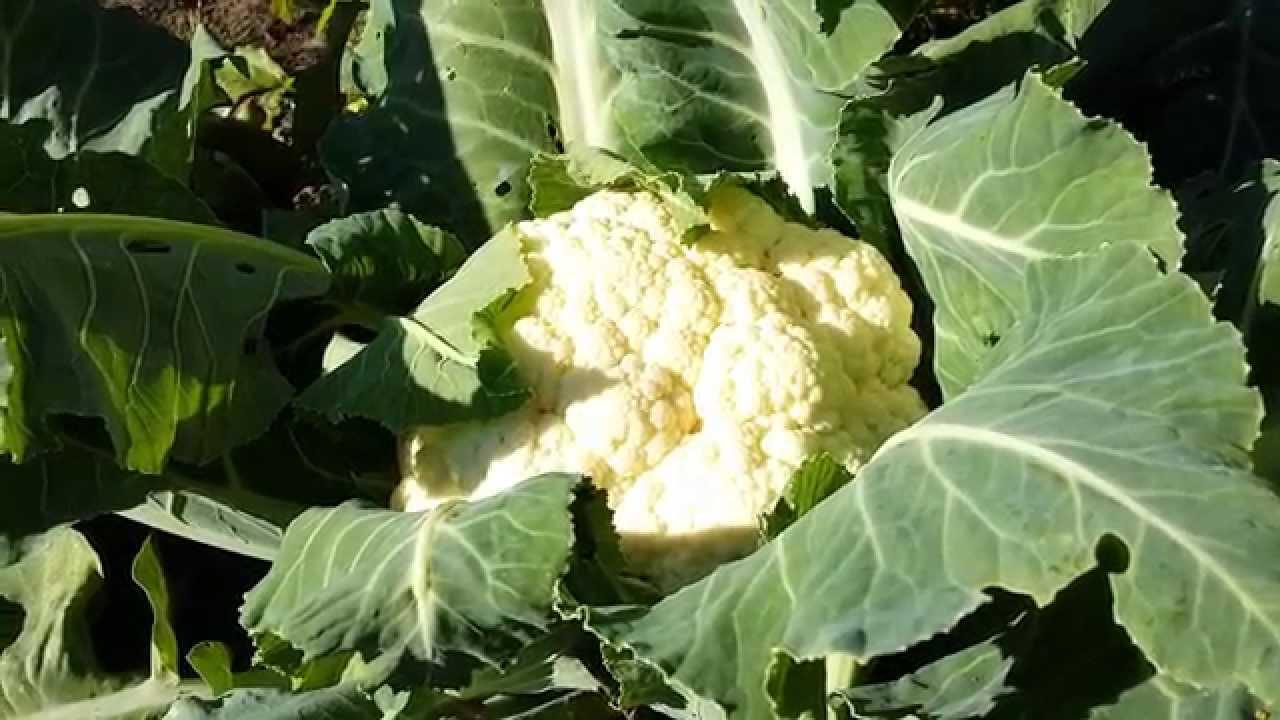
Vegetable crops require fertile soil and regular irrigation, but cauliflower, compared to other plants in the family, has poorly developed roots. To ensure rosette leaves form, optimal conditions must be created immediately after planting the seedlings in the garden. In addition to watering, fertilizing cauliflower in open ground should begin immediately. The heads form after the leaves have developed, which develop unevenly and are demanding of nutrients.
What fertilizers does cauliflower need?
In recent years, vegetable growers have been purchasing hybrids for their gardens, which guarantee a high yield. These plants easily withstand extreme weather conditions, tolerate heat, and are not damaged by cold. However, these cauliflower varieties also have a drawback. When growing the crop, you need:
- Don't ignore exact planting dates.
- Hill up the bushes and loosen the soil.
- Irrigate regularly.
- Select fertilizers correctly.
To develop strong roots and form heads, cabbage requires nitrogen, potassium, and calcium. These nutrients are needed both during seedling development and after transplanting.
When cauliflower takes root, it absorbs a lot of phosphorus, and if this micronutrient is not added in a timely manner, subsequent fertilizing will not solve the problem.
When there's too much nitrogen, the leaves become blistered and the growing point dies. When seedlings emerge and are pricked out, fertilizers containing potassium and phosphorus are used to strengthen the roots and promote rosette development. Once three leaves have formed, cauliflower should also receive nitrogen in addition to these nutrients.
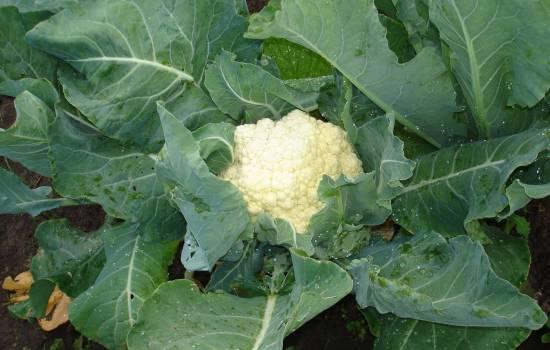
Signs of mineral deficiency
To understand what the plant is deficient in, you need to take a close look at it. Once the cause is determined, the soil around the plant is mixed with the necessary fertilizer:
- If there is a lack of nitrogen, the lower leaves will turn blue or red.
- If there is insufficient molybdenum, the head will not form.
- With a magnesium deficiency, which is almost absent in sandy soil, the cabbage turns yellow; only the green veins do not change color.
- A lack of potassium is indicated by the plant being covered with insects that prevent it from developing, and a soft and small head being formed.
If dark spots appear on the leaves, the cabbage needs boron supplementation. Rosette formation will not occur if there is a lack of molybdenum or a deficiency of molybdenum.
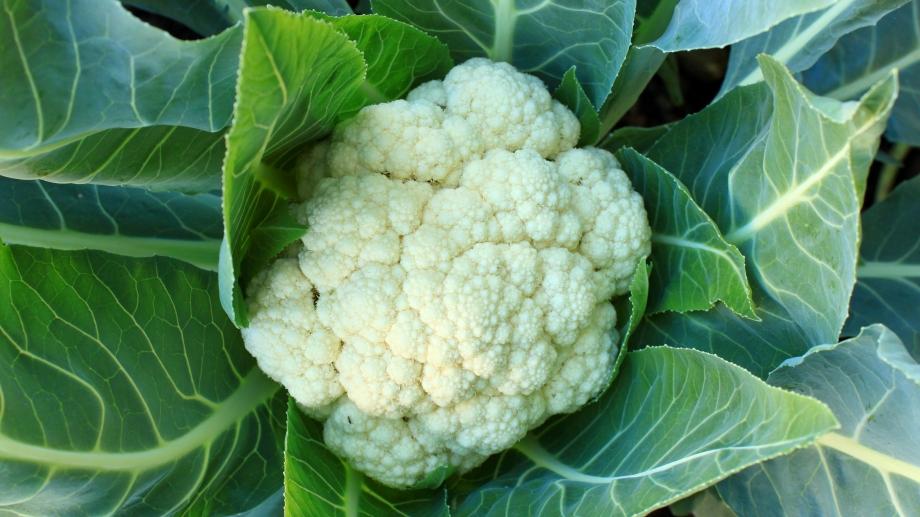
Complex fertilizers
Vegetable crops are fed with organic matter—cow manure, manure, and ash. But this isn't enough for cauliflower to grow and produce large, dense heads. Agricola is excellent for fertilizing seedlings and young plants.
The product is available in the form of sticks, liquid concentrate and powder, dissolved in water in a ratio of 1 to 10 and used at the beginning and in the middle of the growing season, when cabbage leaves are turning yellow from a lack of nutrients.
Mineral fertilizers
Cabbage heads fail to form when the crop lacks molybdenum. Experienced gardeners feed the vegetables with the complex fertilizer "Ecoplant." This mineral fertilizer is chlorine-free and made from natural ingredients. The granulated potassium is available in a form that cabbage can easily access. The complex contains the following micronutrients:
- boron and molybdenum;
- selenium and iron;
- chromium and calcium.

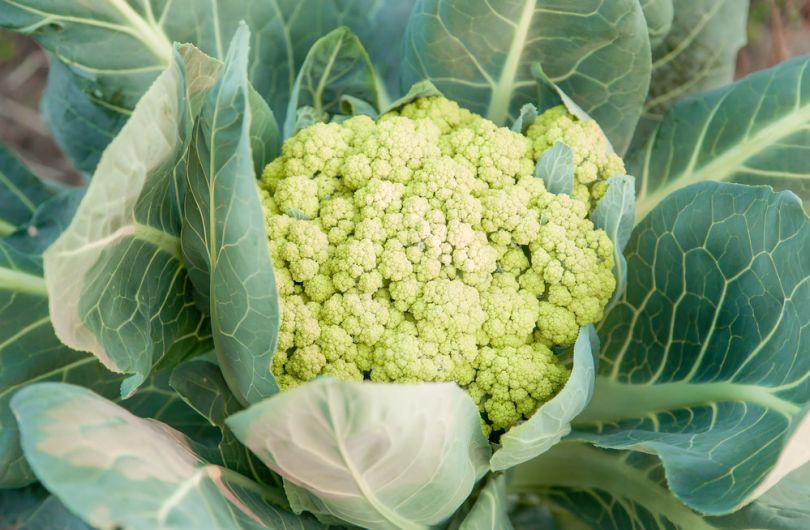
Ecoplant prevents the accumulation of radionuclides and helps reduce soil acidity. The universal fertilizer Mivena, which can be used at all stages of cauliflower development, is chlorine-free and contains molybdenum, boron, and iron.
Phosphorus
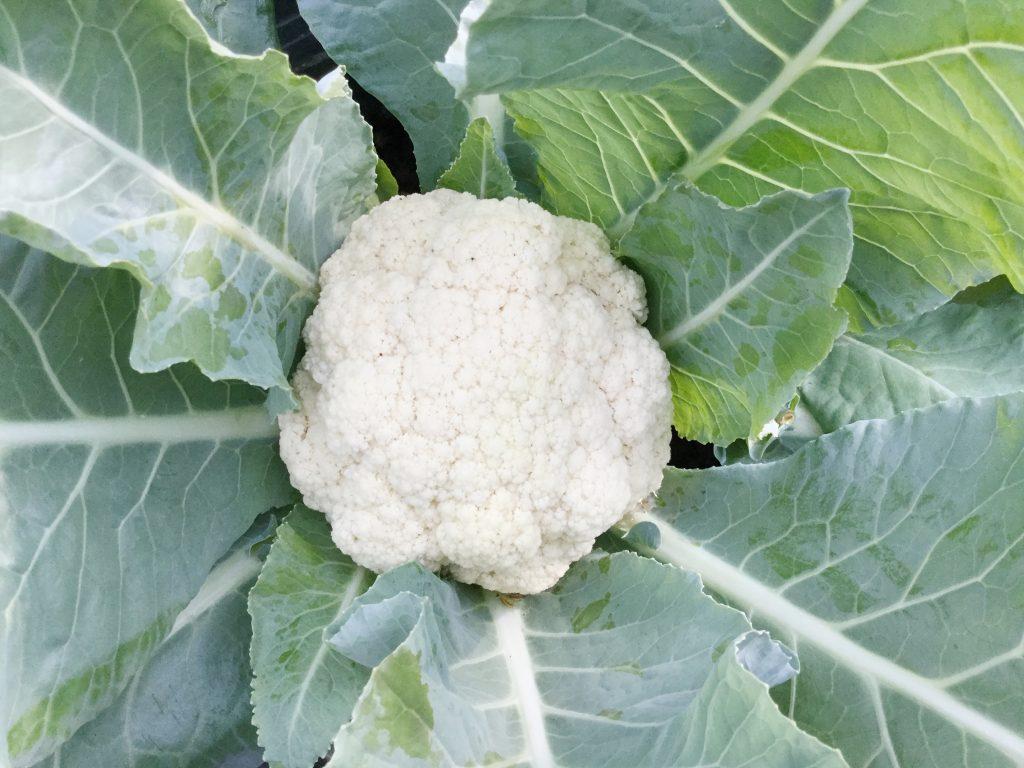
Leaves change color, take on a purple tint, fail to form a rosette, and plant development is delayed if phosphorus is not fed promptly. This micronutrient is found in superphosphate, diammonium phosphate, bone meal, and ammonium sulfate.
Potash fertilizers
To help cauliflower tolerate heat and cold, heat and pest infestations, and reduce disease, potassium fertilizer is added before preparing the garden bed. The main components of potassium fertilizer are:
- Accelerates photosynthesis.
- Improves cellular metabolism.
- Promotes the formation of heads.
- Extends the shelf life of the crop.
Potassium salts are applied to the soil. These fertilizers are not used for foliar feeding because they contain chlorine, which has a negative effect on leaves.
Nitrogen
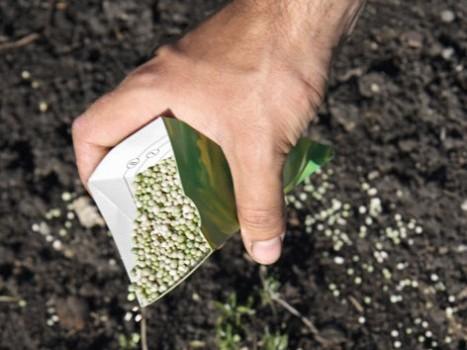
Cauliflower draws all the nutrients from the soil and depletes it. To ensure the plant develops quickly and produces leaves, which are essential for the formation of a head, urea is added after planting in open ground by mixing a spoonful of granules in a bucket of water, and fertilizing with ammonium nitrate. Superphosphate is used for subsequent feeding. All of these products contain nitrogen.
Biostimulants
The cauliflower bed is fertilized with humus in the fall, and compost is added in the spring. If the soil is infested with fungi, mustard is sown in September and the seedlings are dug up when they reach 20 mm. To prevent the seedling stems from thinning and stretching upward, and to encourage the development of large heads, biostimulants such as "Viva," "Megafol," "Epin," and "Kornevin" are used. These products are made from natural materials.
Folk remedies
Not all gardeners use mineral fertilizers to feed cauliflower; many prefer organic matter such as bird droppings, manure, and fermented grass. Folk remedies are also popular among gardeners.
Dry and raw yeast
Some foods contain fungi that, when released into the soil, provide proteins and vitamins to cauliflower and other vegetables, as well as nitrogen and phosphorus. Yeast contains such microorganisms. For plant nutrition:
- A 200g pack of the raw product is mixed in a liter of water, the infusion is combined with another 9 liters of liquid and used to fertilize the seedlings.
- 20 g of dry yeast, one and a half glasses of granulated sugar are left to ferment for 6 days, poured with 5 liters of cooled boiling water.
- Leave 1/2 pack of raw yeast in 10 liters of warm water for 24 hours.


Both the roots and leaves of cabbage are fed with these fertilizers. However, the infusions should only be applied to warm soil.
Ash
Organic matter has a positive effect on cauliflower development and improves head formation. For the second and third feedings, 200 grams of ash are mixed with water and watered. This product is also suitable for dusting plants to protect against insects.
Boric acid
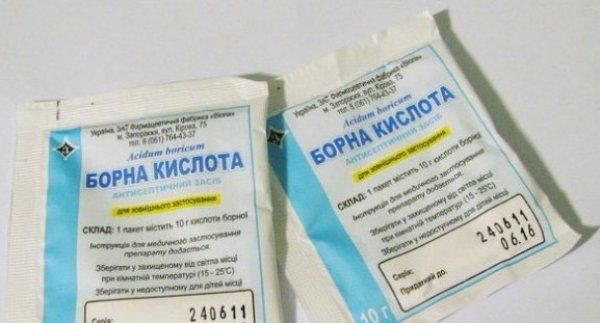
A pharmaceutical antiseptic used in medicine, it also functions as an insecticide and as a fertilizer for vegetable crops. To feed cauliflower leaves, mix 1 teaspoon of boric acid with 15 grams of baking soda and add 3 liters of water. Spray the above-ground parts of the plants with the solution.
Potato peels
In addition to rye bread, which is soaked for two days to improve leaf growth and rosette formation, potato peels are an effective fertilizer for cauliflower. They are rich in starch, potassium, phosphorus, and vitamins. The peels are made into a paste and placed at the bottom of the hole where the cabbage seedlings are placed.
Spoiled jam
Fermented jam makes a nutritious and effective fertilizer for both fruit trees and vegetables. Cauliflower loves this treat. Place two cups of jam, a 100-gram packet of yeast, and water in a 10-liter bottle. The brew will ferment for a week. Mix 200 ml of this infusion with liquid in a ratio of 1:20 and use it to water the plants and spray the leaves.
Top dressing with cow manure
Organic fertilizer such as manure increases crop yields and strengthens the plant's immune system. It is not used in its pure form; instead, it is mixed with water in a ratio of 1 to 5. Fertilize plants with manure two weeks after planting, and then again a month later.
What to choose: consider the varietal characteristics of cabbage
To ensure large, dense heads, the crop needs to be fertilized throughout the growing season, otherwise the rosette leaves will not form. Preparing the plot for cauliflower begins in the fall. Lime the highly acidic soil, and add the following fertilizers per square meter of the bed:
- a bucket of humus;
- half a glass of superphosphate;
- 100 or 120 g of potassium salt.
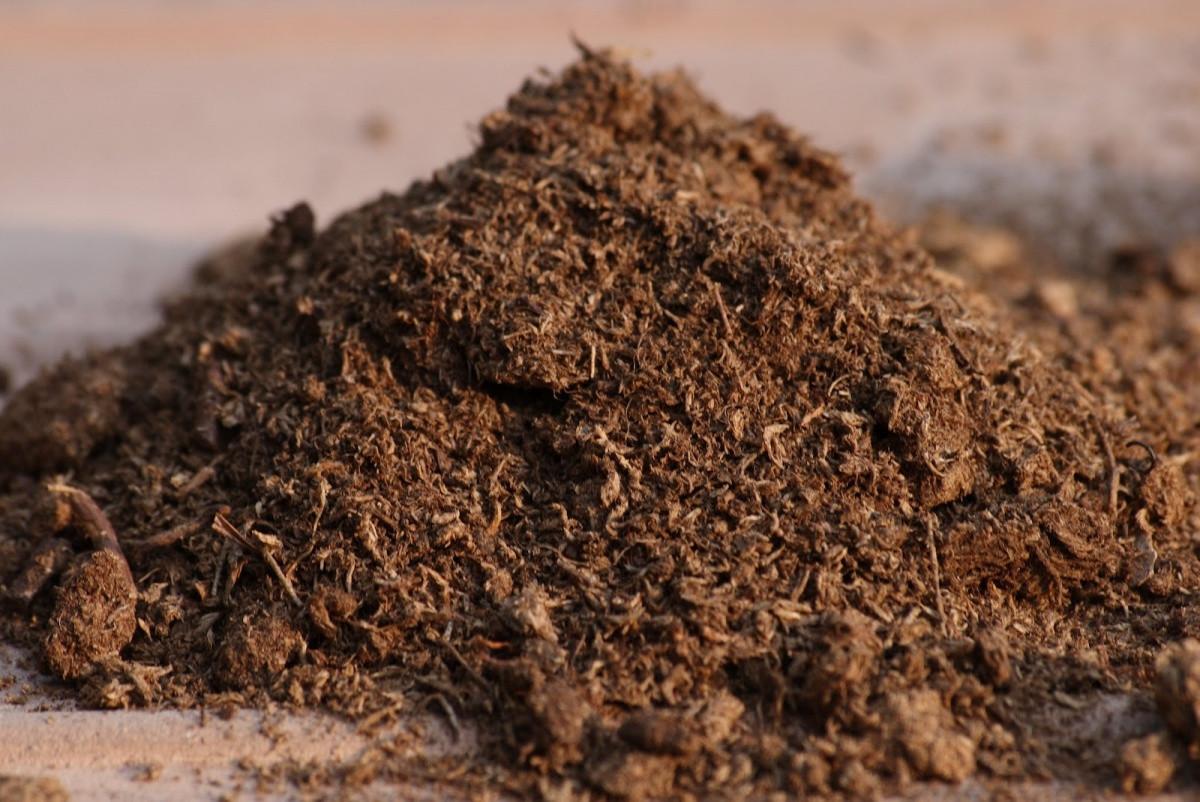
In the spring, ash, urea, boric acid, and the same substances that were used in the fall are added to the soil.
Methods of applying fertilizer
Not only cabbage roots but also its leaves require nutrients. Both seedlings and young plants are fed during crown formation, head formation, and head maturation, using various application methods.
Foliar treatment
To prevent diseases affecting cauliflower, build pest resistance, and stimulate root development, the seeds are soaked and the plants are sprayed with boric acid. To prepare a solution, mix 1 g of the powder with a liter of water. The above-ground portion of the cabbage is treated at least three times per season: before the ovary forms and during the ripening of the heads.
Spray at the roots
Copper sulfate is used to disinfect the soil. Iodine helps protect plants from pests and weeds. Dissolve 40 drops of the antiseptic in a bucket of water and water the roots. Spray the soil under the plant with diluted ammonia.
Timing and technology for fertilizing cabbage beds
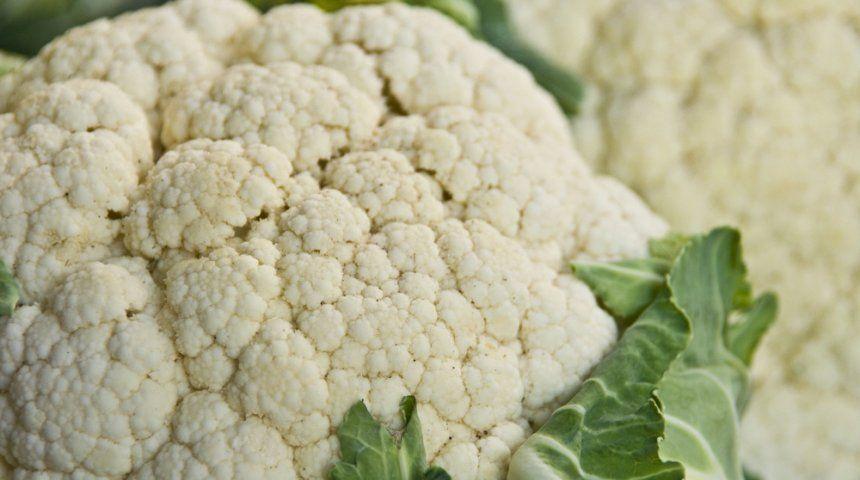
Caring for a plant that requires nitrogen, phosphorus, molybdenum, and boron for its development requires the use of mineral complexes, as well as organic matter, throughout the warm season.
We feed during the seedling germination period
To improve germination and disinfect seeds before sowing, they are soaked in boric acid. This treatment promotes plant development. Seedlings grown in a nutrient substrate are fertilized with:
- 2 weeks after picking;
- the second feeding is carried out after the same amount of time;
- the third - in 10 days.
At this stage of cabbage development, mineral complexes in the form of superphosphate, potassium chloride and ammonium nitrate are used, which are dissolved in water and used to water the plants.
Before planting in the ground
If the cauliflower plot was fertilized with manure or compost in the fall, add double superphosphate and potassium salt to the holes where the seedlings are planted in the spring. Ash and urea will also help.
After planting in the soil
Once the plants have taken root, which usually happens within 2 weeks, 30 g of urea is dissolved in a bucket of water and a jar of the mixture is poured under each bush.
After planting, nitrogen fertilizers are used to promote foliage growth.
Some gardeners water cauliflower with a yeast infusion. The plant responds positively to foliar feeding with wood ash. Fertilizing the plant is recommended every 14–16 days.
During the fruiting period
When the time comes for the cabbage to form, dissolve mullein in water at a ratio of 1 to 5, let it steep for two days, and then add the same amount of liquid. Add 30 grams of superphosphate to each bucket of organic fertilizer and water the vegetable plants. Fertilize again two weeks after the ovaries have formed.
Related posts:
 Why cabbage leaves wilt in the garden and what to do
 How and what is the best way to feed cabbage in open ground, fertilizers for growth
 Planting, growing, and caring for cauliflower in open ground and greenhouses
 Why do cabbage leaves turn purple and what can be done to treat them?
 Growing and caring for Chinese cabbage in open ground and greenhouses
 Why does cabbage grow tall in the garden and what can be done about it?
 Description of the best cabbage varieties for 2025 for different regions
 Using calcium nitrate for cabbage, how to feed it and the application rate