
- Why is cabbage sick?
- Due to landing on an infected area
- Improper plant care
- Deficiency of micro- and macroelements
- Cauliflower Diseases: Symptoms and Treatment
- Blackleg
- Gray rot
- Downy mildew
- White rot
- Mucous bacteriosis
- Fusarium wilt
- Kila
- Mosaic
- Vascular bacteriosis
- Cauliflower pests: signs of parasitism and control methods
- Stem worm
- Cabbage aphid
- Cruciferous flea beetles
- Butterflies: cabbage white butterfly, moth, cutworm
- Cabbage fly
- Slugs and snails
- System of preventive measures
- Treatment with folk remedies
- Recommended store-bought products
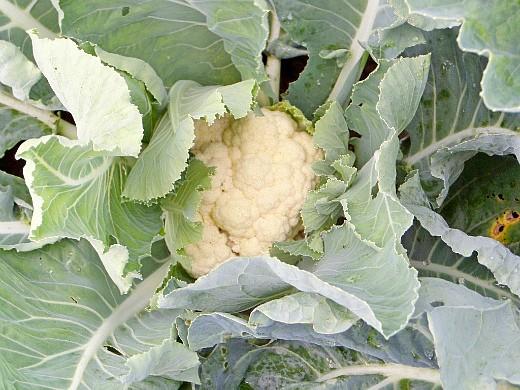
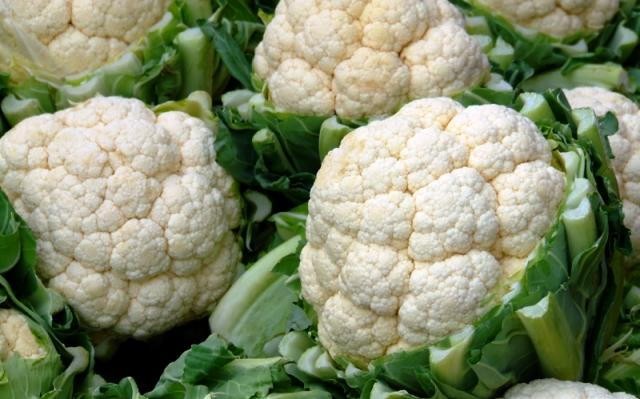
Cauliflower is a vegetable crop bred by crossing white cabbage and kale. Hybrid varieties have now been developed that are adaptable to climate change. Cauliflower's numerous diseases make it challenging to care for. Experienced gardeners discuss these diseases in detail, with detailed photos and treatment principles.
Why is cabbage sick?
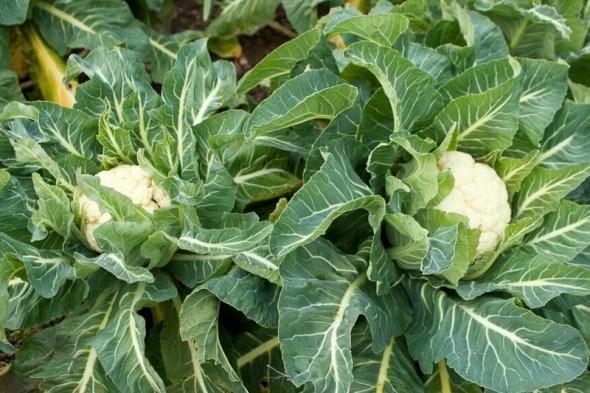
Cauliflower is considered a dietary food, making it a highly sought-after vegetable. It's an annual plant whose main product is a head formed from shoots and inflorescences. The inflorescences, gathered in bunches, are suitable for cooking throughout the long maturation period. The ripening time depends on the variety:
- early (from 90 days);
- medium (from 90 to 110 days);
- late (from 110 days).
Cauliflower does not tolerate low temperatures well, which explains its susceptibility to fungal diseases associated with soil freezing.
The main causes of cabbage diseases are considered to be:
- exposure to parasitic insects;
- fungal diseases arising from changes in soil acidity, excessive moisture, and freezing;
- bacterial viruses that arise as a result of the combination of several factors.
Due to landing on an infected area
The soil in summer cottages and garden plots is prone to depletion. Every 2-3 years, the soil requires rest, crop rotation, and additional measures. Causes of soil contamination include:
- irrigation with hard water, cementing layers;
- disruption of structure due to frequent digging;
- imbalance of nutrients due to lack of supplementary feeding;
- the presence of pathogens in the soil.
The crop responds to minor changes in soil composition. It requires a stable pH level for growth and development; it does not tolerate overwatering and is sensitive to pathogens that inhabit the soil layers.
If the seedlings were planted in an infected area, the root system will react with infection within 2-3 days.
How to check that the soil is not contaminated – this question worries many gardeners.
There are several ways to determine:
- Appearance: The soil is dry, its natural color has been altered, and it appears lifeless.
- Smell. Rotting of the internal layers can be detected by smell.
- Plant reactions. Crops wither after planting, leaves turn yellow and curl.
Improper plant care
Care instructions can cause disease in any crop. Cauliflower is particularly sensitive to these violations.
Deficiency of micro- and macroelements
Overfeeding, as well as introducing inappropriate nutrients, can cause the condition. Different stages of the growing season require different nutrient compositions.
Determine the deficiency or excess of elements on cauliflower can be judged by its appearance, leaf coloring.
- The head turns pink as it ripens if the vegetable is exposed to too much sunlight. In this case, the head requires shade and increased watering.
- The lower leaves of cabbage begin to turn red at the edges when there is not enough nitrogen.
- The appearance of red spots on the apical leaves, on the contrary, indicates a lack of potassium and phosphorus.
- Cauliflower leaves and stems take on a lilac or purple hue if the plant lacks phosphorus or is stressed by temperature fluctuations.

Cauliflower Diseases: Symptoms and Treatment
Vegetable diseases have various symptoms. These make it easy to determine the cause and take the necessary treatment measures.
Blackleg
This disease often affects seedling sprouts. The roots begin to rot, then turn black. The shoots fall to the ground. Mature plants turn yellow, and the blackening spreads along the roots all the way to the base. Causes of blackleg include:
- waterlogging of the soil;
- soil acidification;
- dense plantings.
Blackleg can be triggered by one or a combination of risk factors. Following planting and care guidelines can help prevent the disease. If blackleg occurs, take the following measures:
- treatment with Fitosporin;
- loosening the soil, adding wood ash.
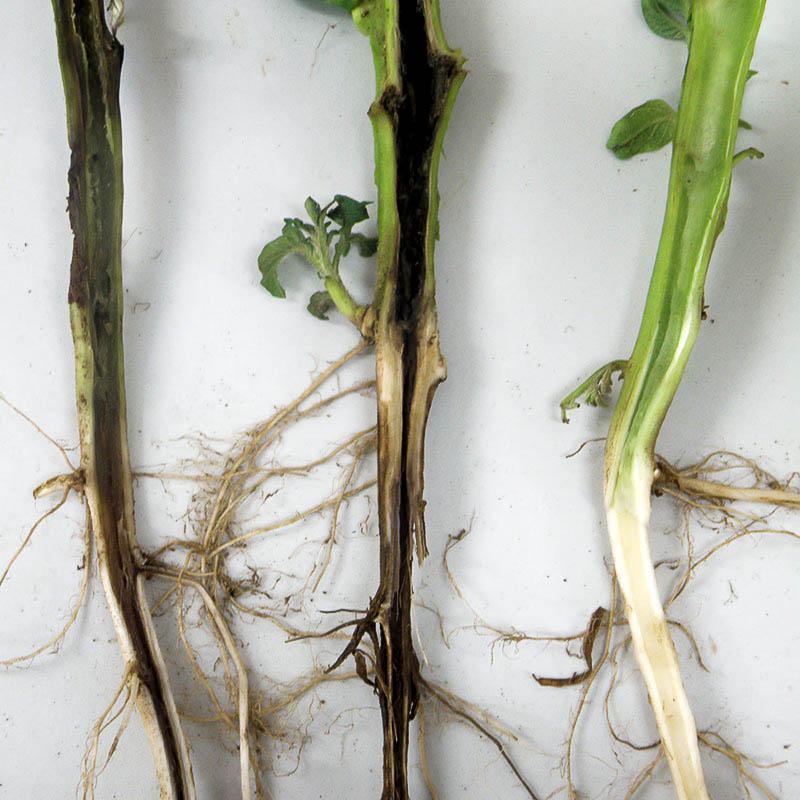
Additional measures to protect cauliflower from black leg include treating planting material before sowing, as well as implementing protective measures that help enrich the chemical composition of the soil.
Gray rot
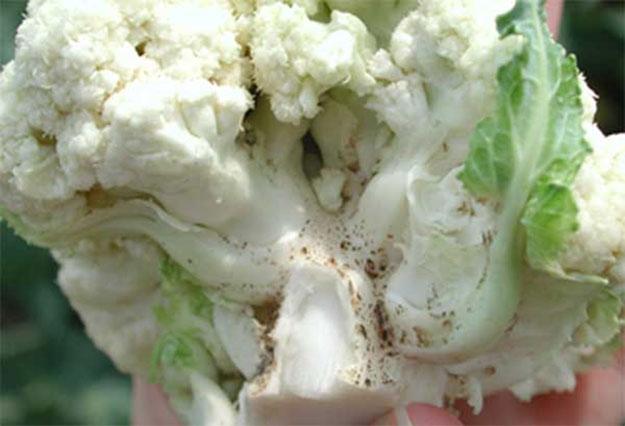
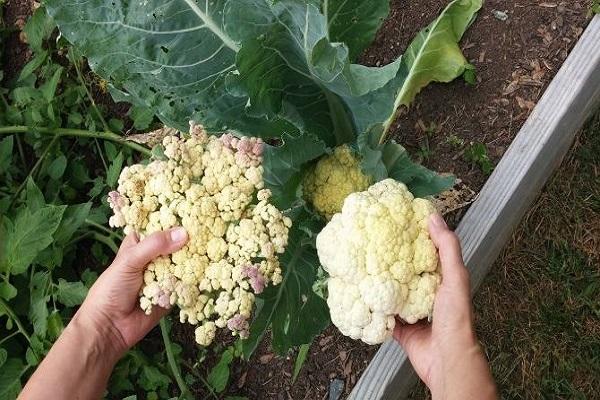
It manifests as rot, with growths taking on a dirty gray hue on the cauliflower head. The disease affects harvested or ripened cauliflower.
The main cause of gray mold is damp, cold weather. The disease often attacks cabbage during the rainy season, when temperatures drop.
If rot is detected, cut it off with a sharp knife to prevent the entire head from becoming infected. If multiple plants are affected, treatment with a lime solution is recommended.
Downy mildew
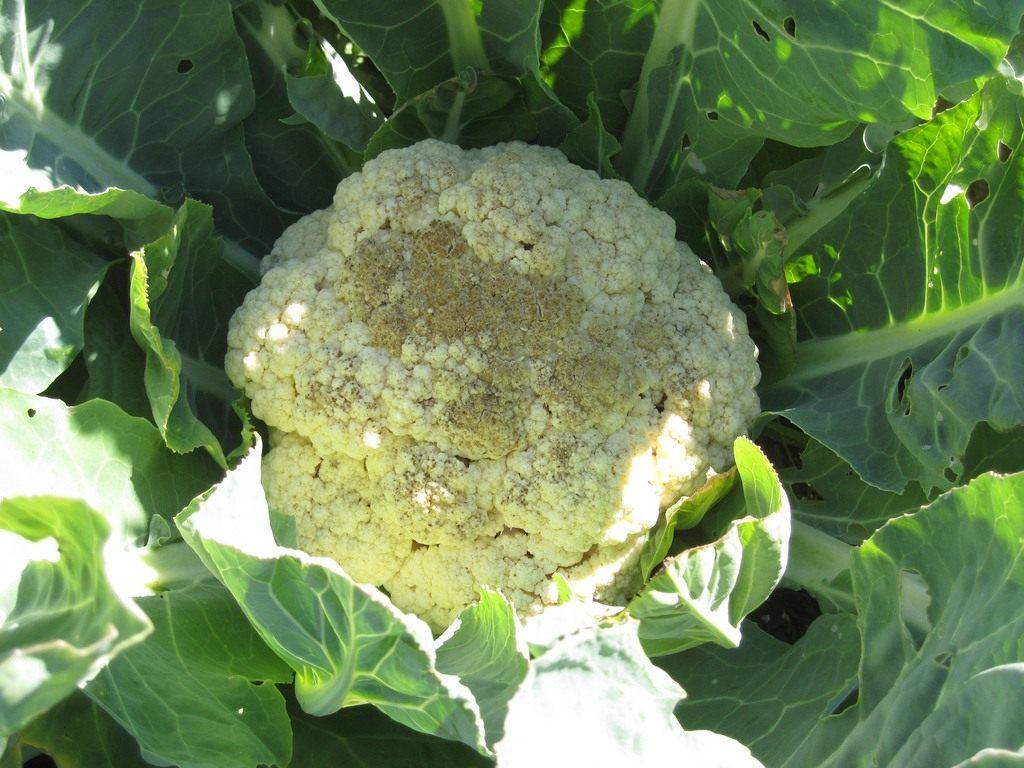
Downy mildew is a disease common among vegetable crops. Cabbage is particularly susceptible to downy mildew. This is due to its intolerance to wet weather, which is when downy mildew actively spreads. Symptoms:
- the appearance of plaque on the underside of leaves;
- yellowing of the edges of leaf blades.
The disease can be prevented by timely seed treatment, creating favorable conditions for seedling growth, and growing them in a permanent location. When powdery mildew appears, remove the plants. Fertilize the soil with potassium and phosphorus and spray with fungicides.
White rot
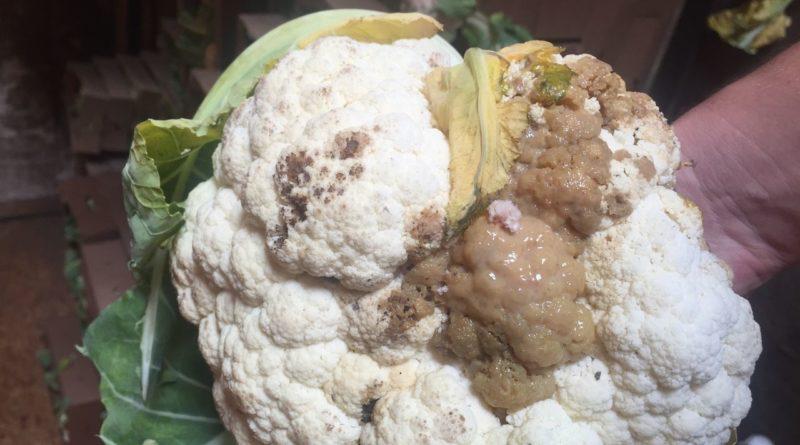
Unlike gray mold, white mold on cauliflower is difficult to spot. A light-colored coating with black spots appears on the upper parts of the head. White mold develops as a result of:
- head injuries;
- reproduction of pests;
- excessive humidity of air and soil.
To prevent white rot, stop watering cauliflower two weeks before harvesting once the fruit begins to ripen. The risk of disease development increases in soil treated with nitrogen-containing fertilizers.
Mucous bacteriosis
This disease spreads to vegetable crops due to high humidity. It occurs as a result of incessant rainfall, which creates a favorable environment for the proliferation of pathogenic bacteria. Slime bacteriosis is characterized by rotting of the cabbage heads, which become slippery to the touch and emit an unpleasant odor. If slime bacteriosis is detected, the affected portion of the crop should be destroyed immediately.
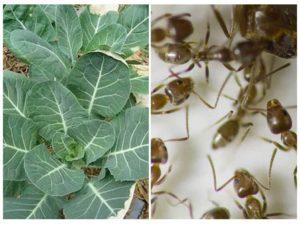
If one of the heads with signs of bacteriosis ends up in a vegetable storage facility, the disease spreads to neighboring heads.
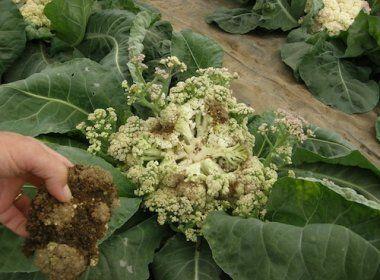
Control measures for vascular bacteriosis can only be taken at the initial stage of the disease. During this period, the upper leaves curl, and the head of cauliflower turns yellow. Sometimes the head of cauliflower begins to wilt in the garden bed. If such symptoms are detected, gardeners recommend removing the cauliflower head from the garden bed, removing the damaged parts, and storing it for processing.
Fusarium wilt
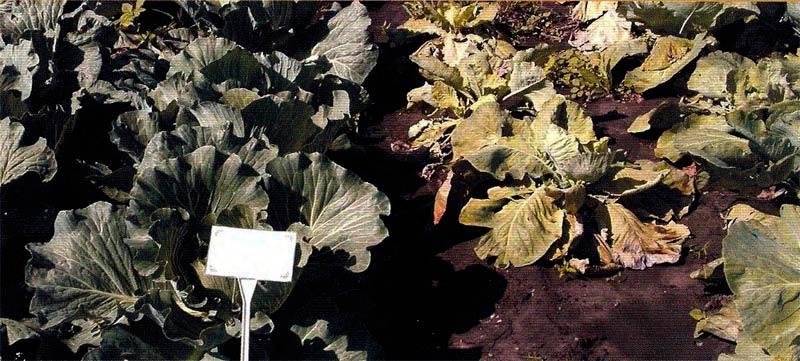
Signs of cabbage wilt are common in the southern regions of the country. Hot summers and recurring droughts can lead to crop losses in cauliflower. The main symptoms of the disease are:
- yellowing of leaves;
- loss of elasticity of leaves, their partial softening;
- the appearance of dry spots on the tips of the leaves.
To reduce the risk of fusarium wilt, it's important to practice crop rotation. When choosing a variety, it's also recommended to pay attention to the cabbage hybrids' resistance to fusarium wilt. Affected plants are removed from the beds, and the soil is disinfected with a copper sulfate solution.
Kila
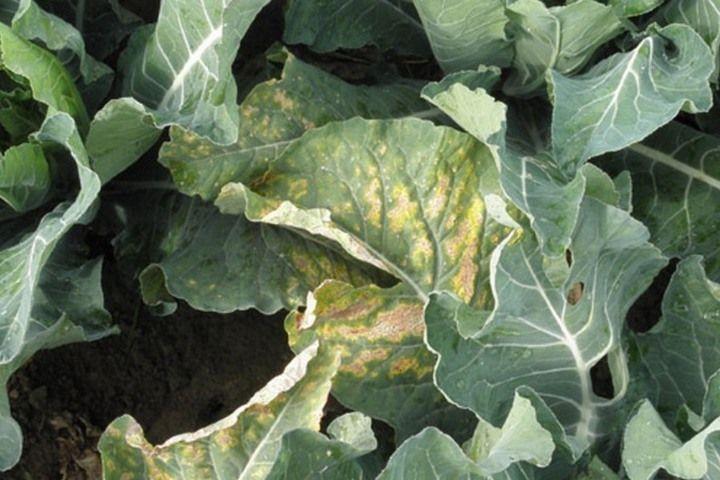
A fungal disease that is particularly dangerous for cauliflower. Spores of the single-celled fungus that causes this disease can remain in the soil for up to 5 years. When favorable conditions arise, the spores regenerate, penetrate the root system of the cruciferous plants, and infect the cabbage. Bumps and thickenings on the cabbage roots can only be detected after removing the plants from the soil. To prevent the spread of the fungus in the soil, follow the following guidelines for seed preparation and planting:
- processing of planting material;
- soil disinfection;
- compliance with crop rotation.
If clubroot is suspected to be spreading in the soil, the question of how to treat the area is especially pressing. A colloidal sulfur solution is considered the optimal option. The plants are earthed up and dolomite flour is added.
Mosaic
Cauliflower mosaic is a common viral disease. It attacks cabbage heads when temperatures rise. The virus is transmitted by parasitic insects. Key symptoms include:
- change in color of color plates;
- withering;
- loss of elasticity of inflorescences.
Preventative control measures include removing insects, weeding the soil around the cabbage, and destroying weeds that promote virus growth.
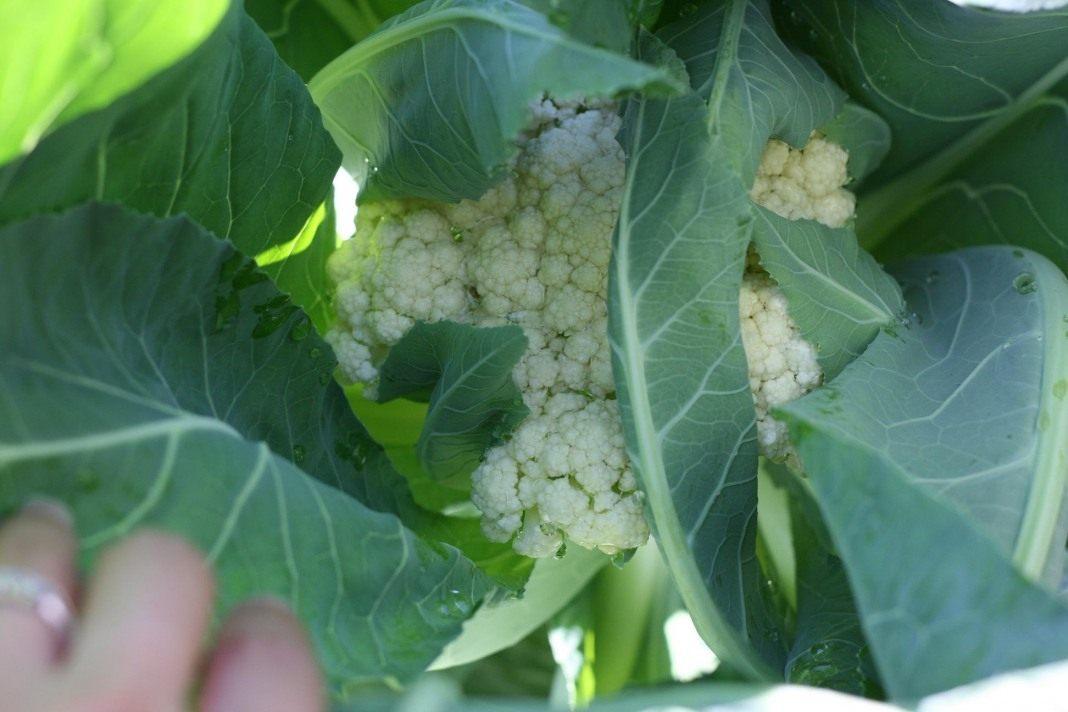
Advice! It is recommended to remove cabbage heads affected by mosaic from the area and remove any traces of their growth.
Vascular bacteriosis
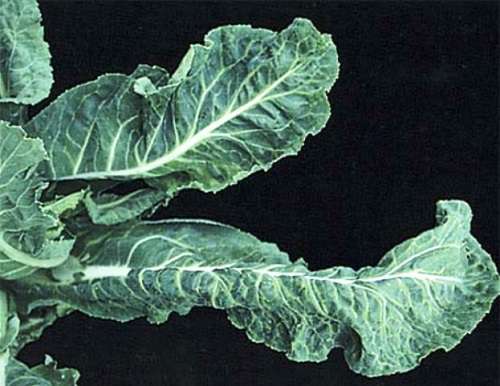
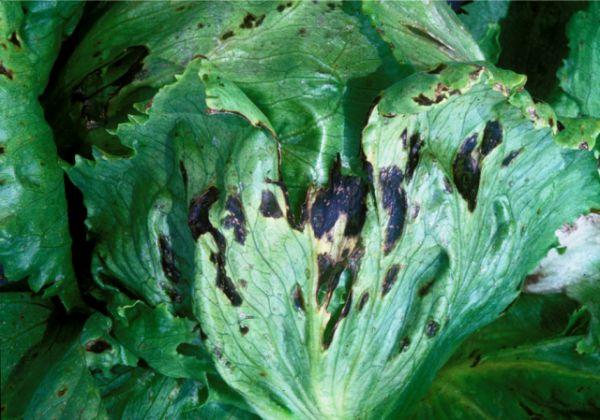
The central veins of the leaves are affected first: they darken, and then spread to the secondary veins. The leaves become thin and soft, and the inflorescences lose their elasticity.
Causes of vascular bacteriosis:
- root rot due to excessive moisture;
- infection from neighboring crops by wind.
To avoid disease, gardeners recommend strictly following crop rotation rules and monitoring the condition of the root system.
Cauliflower pests: signs of parasitism and control methods
Cauliflower is particularly vulnerable to the spread of parasitic insects. Most varieties lack robust immunity and are unable to cope with pest infestations on their own.
Stem worm
The beetle is common throughout the European part of the country. It particularly favors cabbage crops. It can overwinter at -9 degrees Celsius, laying eggs that hatch when warmer weather returns. The beetle attacks leaves, and its larvae pose a particular threat to stems and petioles.
Take a look Also
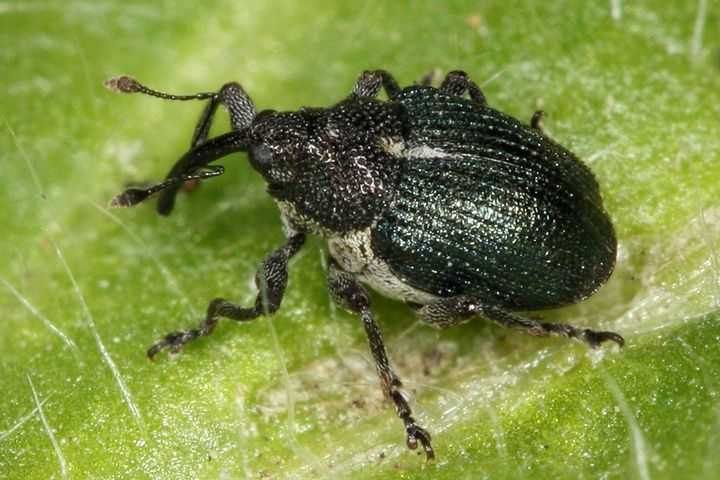
Control measures: autumn digging of the soil, spraying with chemicals before flowering.
Cabbage aphid
The insect can be detected by curling leaves and loss of elasticity in inflorescences. Aphids feed on cabbage sap and transmit fungal and bacterial diseases. Control measures include chemical treatments. Gardeners recommend spraying plants with a solution of laundry soap. The smell and texture of the solution repel insects.
Cruciferous flea beetles
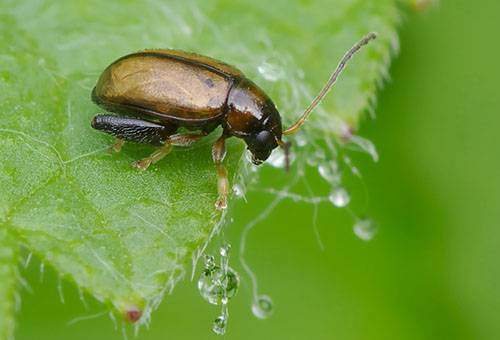
Leaf-eating beetles appear on cabbage during hot weather. They can quickly destroy part of the crop if left untreated. Plants are sprayed with insecticides, manually treated, and hilled.
Butterflies: cabbage white butterfly, moth, cutworm
Butterflies love cabbage, laying eggs on the undersides of the leaves. The caterpillars eat away at the cabbage leaves, then leave the heads to emerge as butterflies in a quiet, peaceful place.
Cutworm and cabbage white butterfly larvae are easily visible on cabbage. Therefore, gardeners recommend collecting them by hand, simultaneously treating the leaves with tobacco or laundry soap. Moth larvae are difficult to see, so chemical treatments are used to get rid of them.
Cabbage fly
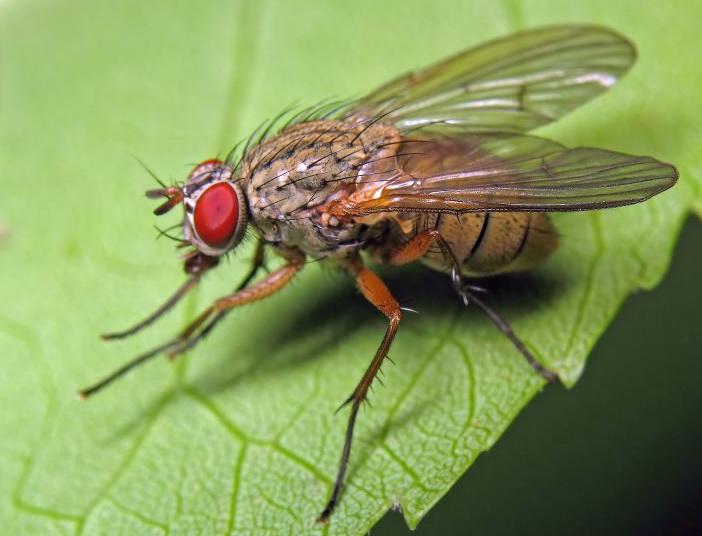
A pesky dipteran pest that appears on cabbage in early spring. Chemical sprays are used to repel the flies.
Slugs and snails
Cabbage pests appear during damp weather and heavy rainfall. The parasites' secretions clog the cabbage's pores, impeding growth. The cabbage gradually wilts and withers. Slugs and snails are collected by hand. To prevent their reproduction, accompanying treatments with folk remedies are used.
System of preventive measures
When starting to grow cauliflower, the question arises of how to protect the crop from pests and prevent disease. The best protection is preventative measures aimed at preventing problems.
Treatment with folk remedies
The methods used by experienced gardeners to protect cabbage are widely known:
- treatment with a solution of manganese, a solution of laundry soap, tobacco infusion;
- hilling cabbage;
- top dressing with colloidal sulfur, sprinkling with wood ash.
Recommended store-bought products
There are several types of treatment with special preparations. Root treatment is performed when planting seedlings to reduce the risk of root system infection:
- ammonia solution;
- iodine solution;
- Soil disinfection with copper sulfate.
Treatment of plants during the period of infection or appearance of pests:
- spraying with Fitosporin;
- treatment of leaves and watering with the Iskra Double Effect preparation;
- treatment with the biopreparation Decis Profi.
Timely treatment protects cabbage from pests and prevents the development of diseases.
Related posts:
 Planting, growing, and caring for cauliflower in open ground and greenhouses
 How to feed cauliflower in open ground for growth and how to do it correctly
 Using calcium nitrate for cabbage, how to feed it and the application rate
 Why do cabbage leaves turn purple and what can be done to treat them?
 Why does cabbage grow tall in the garden and what can be done about it?
 Description of the best cabbage varieties for 2025 for different regions
 Why cabbage leaves wilt in the garden and what to do
 Growing and caring for Chinese cabbage in open ground and greenhouses