
- Fighting ants in your yard: pros and cons
- Are ants dangerous for cabbage?
- Causes of insect infestation
- Signs and symptoms of insect infestation on cabbage
- How to get out of the area
- Physical
- Chemicals
- Combined
- Industrial pesticides
- Choosing an ant control product
- Folk
- Tomato tops infusion
- Destruction of anthills
- Chemicals
- Rules for processing bushes
- Frequency of the procedure
- How to protect cabbage from insects reappearing
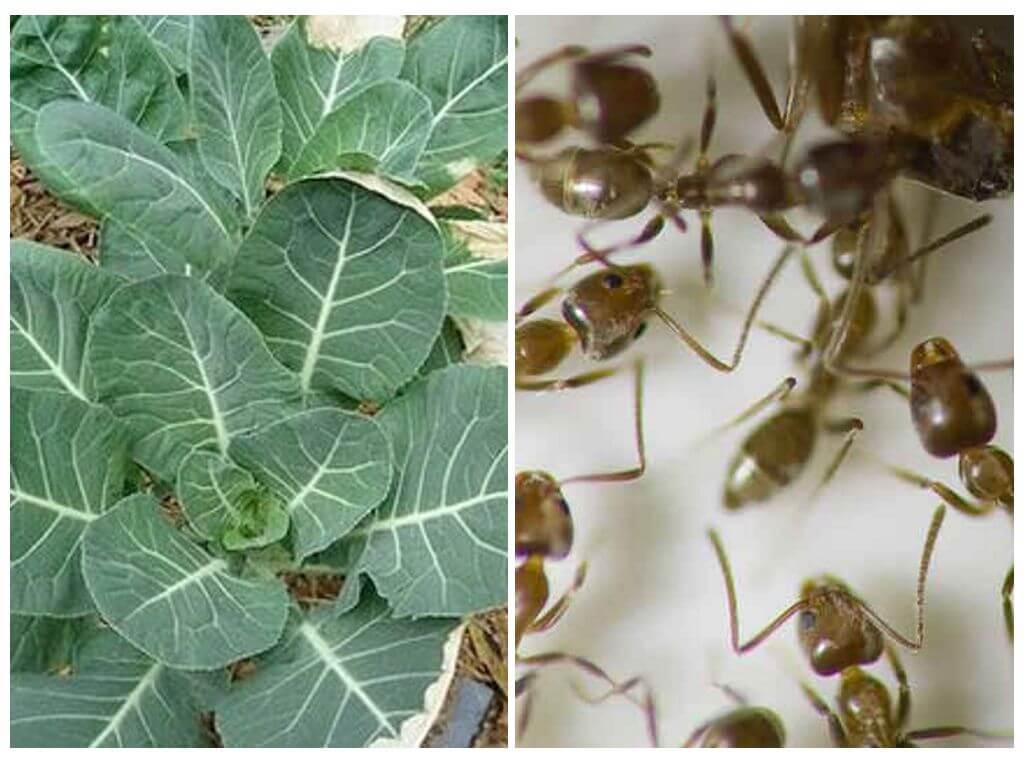
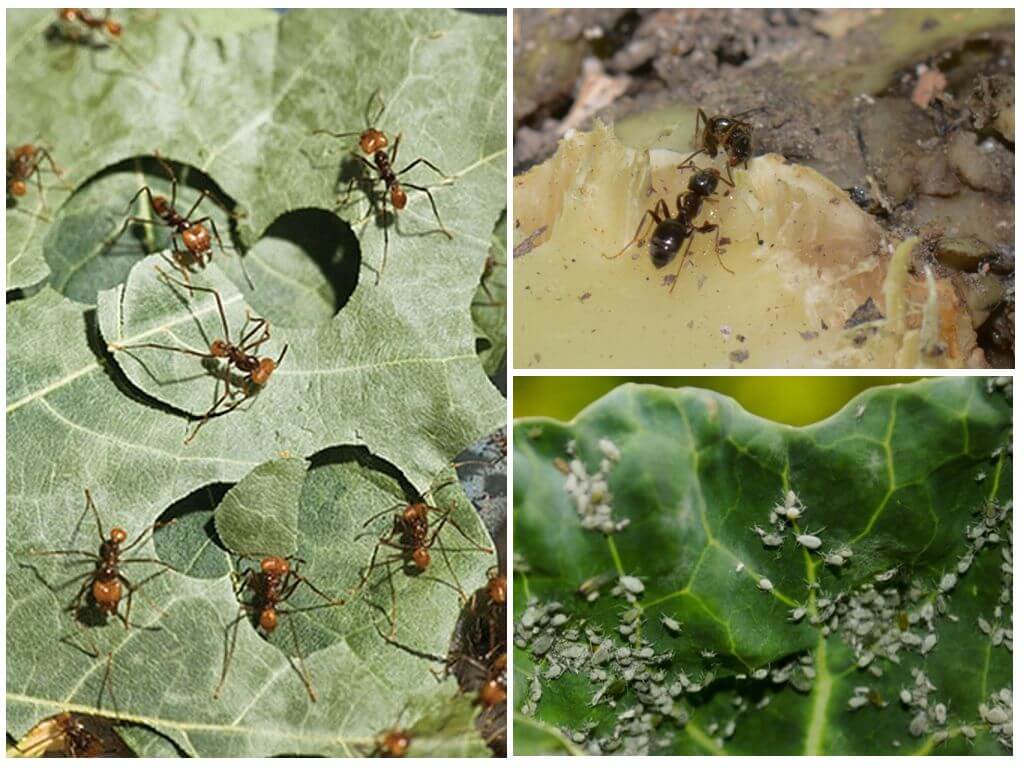
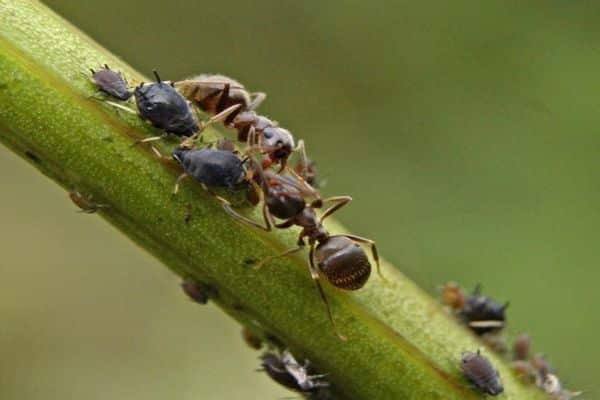
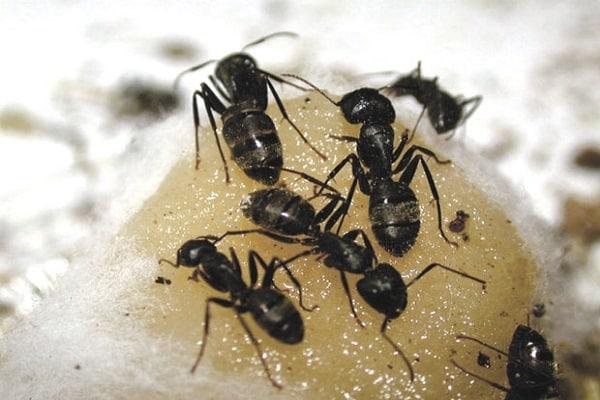
Beginning gardeners wonder what to do if ants are eating their cabbage. There's no definitive answer. Ants feed on nectar, which isn't found in cabbage. However, they eagerly devour the mucus secreted by aphids, which they then use to carry the parasites to their nests for the winter. By creating nests in the holes, the insects damage the root system, causing the plant to die. Ants can be controlled with humane folk remedies and industrial pesticides.
Fighting ants in your yard: pros and cons
Benefits of ants on the site:
- Garden cleaners: destroy larvae, caterpillars, spider mites, and other pests.
- They make the soil breathable by creating passages under the ground.
- They enrich the soil with soluble potassium, nitrogen, humus, and phosphorus. These micronutrients are easily absorbed by plants.
Harm:
- They eat seeds and sprouts of young plants, which leads to the destruction of the crop.
- They breed a very dangerous pest – aphids. For the winter, they are moved deeper.
- They form colonies under the crop, thereby disrupting the root system.
- Underground passages allow cold and insecticides to penetrate into the soil.
- They feast on the contents of buds and flowers.
A serious threat (aphids) forces gardeners and vegetable growers to fight ants.
Are ants dangerous for cabbage?
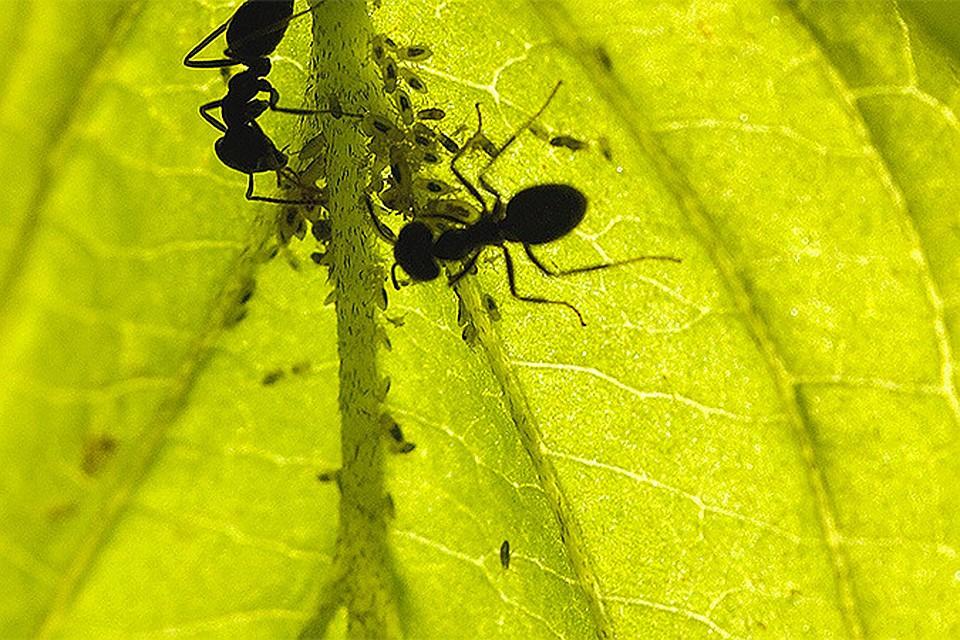
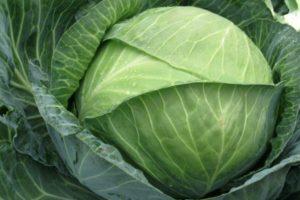
Ants love to feed on sweet nectar. Cabbage doesn't contain it. However, its production by aphids in the garden poses a direct threat to cabbage. The insects eat the roots of young plants or damage the root system as they move. As a result, the cabbage dies. However, experienced gardeners rule out this ant activity and prefer to combat the mole cricket in such cases.
Causes of insect infestation
Ants appear where delicious, sweet, and aromatic foods can be enjoyed. Aphids secrete a viscous liquid that attracts ants. If your garden is swarming with ants, it's time to start fighting them.
Signs and symptoms of insect infestation on cabbage
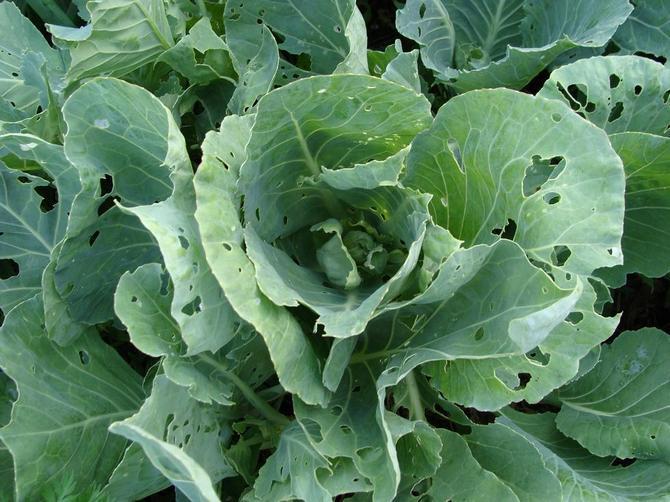
The leaves of seedlings are the first to react to damage. Aphids settle on the underside of the leaf blade and drain the plant's life force. Over time, the leaf becomes translucent and light. A sticky mixture forms on the surface, which ants adore. The leaves become deformed and curl. At the first sign of damage, pest control is initiated. The ants will leave on their own, as there is no food for them.
If the top of the cabbage looks healthy but falls over as if mown down, an anthill could be the cause. It could be right in the hole, or even close to it. As they reach their nest, the ants leave trails. If a young, succulent root gets in their way, the insects damage the root system.
How to get out of the area
Ants are removed using various methods:
- physical;
- chemical;
- combined;
- industrial pesticides.
How to save culture is up to you.
Physical
In the fall and winter, the soil is dug deeply. Beforehand, remove any objects that could potentially harbor a colony: rags, old boards, and tree stumps. While digging, you may encounter an anthill. Removing the queen from the nest will cause the worker ants to abandon the area.
Before planting, treat the soil with a solution: add 10 grams of baking soda and 60 grams of linseed oil to a bucket of water. In the summer, loosen the soil regularly and cover insect burrows with baking soda, ash, or mustard.
Chemicals
They place poisoned baits on the site: boric acid with honey or jam, sugar.
They prepare herbal infusions – mint, garlic, mustard, wormwood – to repel ants.
Combined
Prepare a deep saucepan or any container, lining the bottom with a dark cloth. Pour a viscous, sweet liquid on top: syrup, jam, or honey. Place the container near the anthill. Not only the ants but also the queen will be trapped here forever.
Industrial pesticides
If you don't want to deal with ants using safe methods, industrial pesticides can be a good option. There's a wide selection, but remember safety precautions. Handle poisons with caution if you have children or pets in the house.
Choosing an ant control product
Industry and DIYers offer a variety of ways to get rid of ants in your garden. If you're wondering how to treat crops and soil without harming people and plants, folk remedies are the answer. Aggressive but fast-acting pesticides are the answer.
Take a look Also

Folk
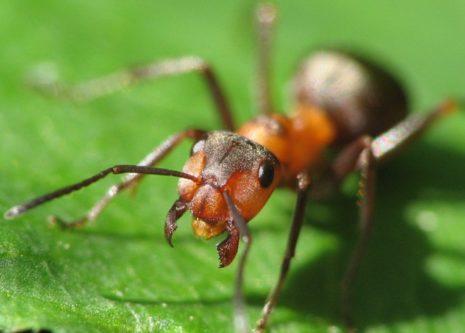
The simplest method is to use repellent herbs. There are plants whose aroma ants cannot stand:
- garlic cloves;
- carnation;
- valerian;
- onion;
- marigold;
- laurel;
- parsley.
The plants are placed between the cabbage rows, planted in the area, and decoctions are made from them.
Tomato tops infusion
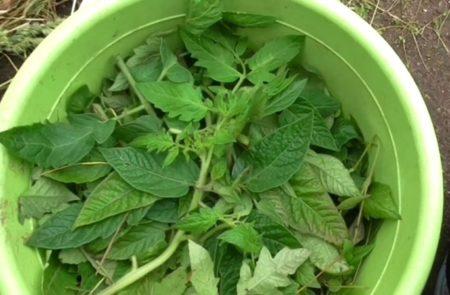
The solanine in the tomato tops kills ants. To prepare, you'll need 10 liters of hot water and 4 kilograms of tomato tops. Finely chop the tomato leaves and stems and pour boiling water over them. After two days, strain and spray the cabbage.
The following substances are used to combat ant trails:
- lime + tree bark + ash;
- bone meal;
- mustard powder;
- coarse salt;
- wood ash;
- ground red pepper;
- soot;
- tobacco dust;
- cinnamon powder.
Destruction of anthills
Simple remedies can help get rid of the nest. Flood the anthill:
- boiling water;
- sunflower oil;
- kerosene.
Potato peelings are scattered around the anthill. Their bodies are unable to digest the starch, and the insects die. The areas are fenced with moats filled with water and small bricks.
Chemicals
Pesticides contain diazolin or chlorpyrifos, which can kill the insect. The first component, diazolin, blocks enzymes that control the nervous system. This causes convulsions, which ultimately leads to the death of the ant. The substance penetrates the plant's roots and protects the plant from pests for three weeks.
Chlorpyrifos acts through the respiratory system, paralyzing the nervous system. This results in death. The substance remains in the soil for three months and protects plants from ants for one to two months.
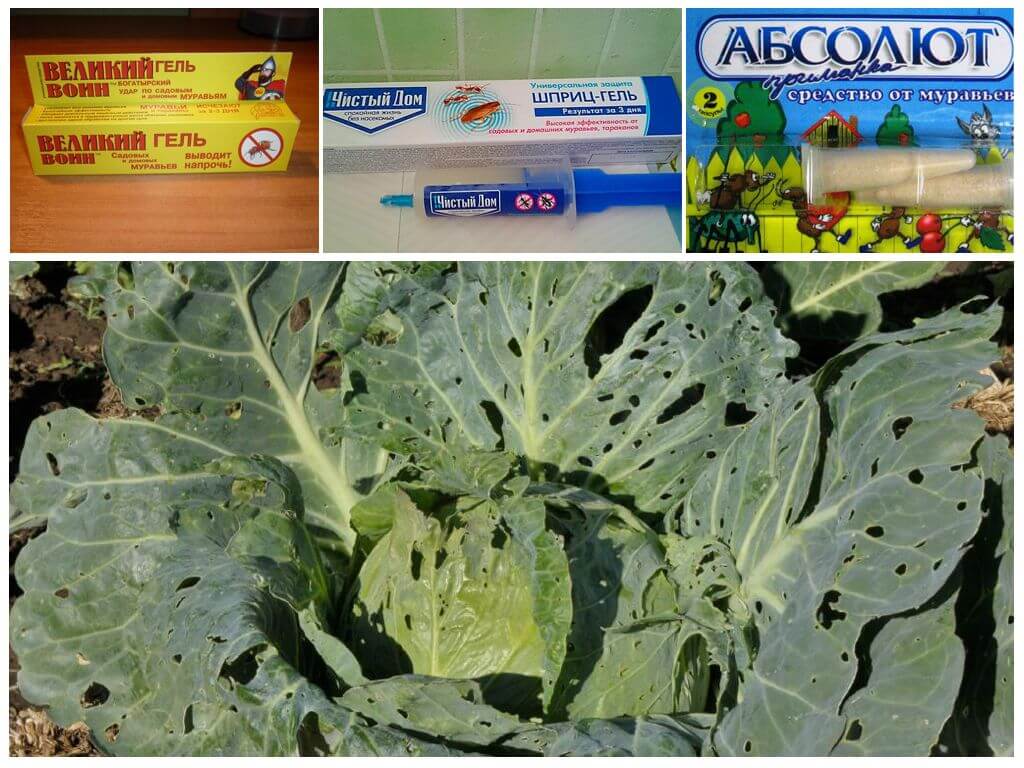
Commonly used ant control products:
- Antiant;
- Great warrior;
- Thunder-2;
- Absolute;
- Medvetoks;
- Delicia;
- Ant-eater;
- Ant;
- Muratox.
Effective preparations allow you to get rid of ants in the shortest possible time.
Rules for processing bushes
After using pesticides, there's no need to worry about how to get rid of these field pests. Follow these guidelines:
- Observe the application intervals. Instructions are included with each product.
- Avoid overdosing on the product.
- Spray after the dew has subsided or in the evening. The weather should be calm.
- Use protective equipment for body and eyes.
- Do not allow children or pets onto the site.
- After work, wash your clothes and rinse your mouth with a soda solution.
- Dispose of any remaining pesticides.
- Process cabbage 30 days before harvesting.
- Pay attention to the expiration date.
- Buy chemicals in a specialized store, do not buy them from someone.
 Following these requirements will help prevent harm to the plant and maintain your health.
Frequency of the procedure
Herbal decoctions are used every 3 days for 15 days. Subsequently, the crop is sprayed once a month for preventative purposes. Poisoned baits are prepared daily and placed out for a month. When using chemicals, 1-2 treatments per season are sufficient.
Maximum – three sprays, if the product does not work on a certain type of insect.
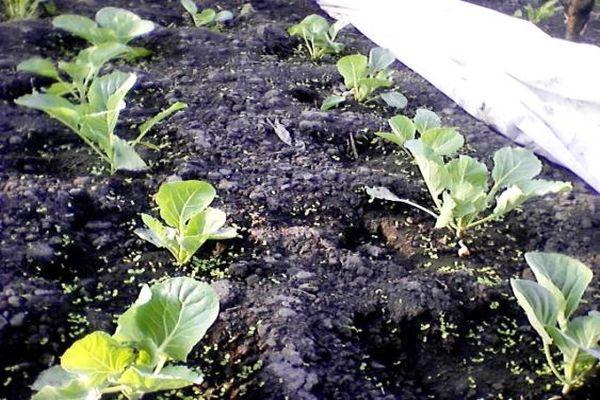
Potent poisons are used after planting cabbage seedlings in open ground. The key is to use only the recommended dosage and combine the ingredients according to the instructions. During the cabbage seedling development period, folk remedies or harmless preparations are used.
How to protect cabbage from insects reappearing
Necessary measures:
- Remove peeling bark from trees, old boards, and tree stumps from the area.
- Do not leave weeds between the rows.
- Collect fallen berries, fruits, and leaves. Build a compost pit for them.
- Do not plant viburnum or linden as a hedge.
- Sow repellent herbs: calendula, garlic, mint, onion.
- Create water barriers around the area.
Little tricks will rid your area of ant infestations forever.
Related posts:
 How to get rid of ants in a greenhouse with cucumbers, what to do to fight them
 Why does cabbage grow tall in the garden and what can be done about it?
 Why cabbage leaves wilt in the garden and what to do
 Growing and caring for Chinese cabbage in open ground and greenhouses
 What folk remedies are best for treating cabbage from pests to protect it?
 Why do cabbage leaves turn purple and what can be done to treat them?
 Planting, growing, and caring for cauliflower in open ground and greenhouses
 Can cabbage be sprayed with valerian to control pests and what are the treatment guidelines?