
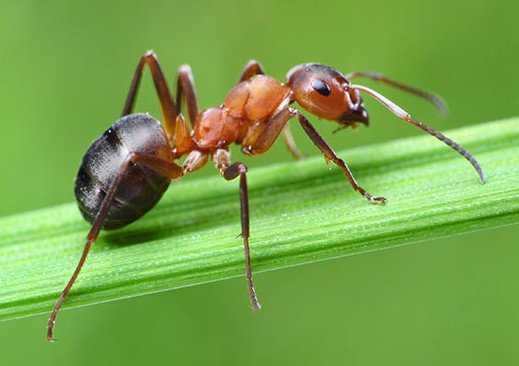
From ants in a greenhouse with cucumbers It's difficult to get rid of them. Many people are concerned about how to do this with minimal damage to the soil, plants, and their own health. Ants are very fond of greenhouse beds, especially those enclosed with wooden boards. Getting rid of these insects is very difficult. The life cycle from egg to pupa lasts only 3-4 weeks. Several generations of worker ants grow in the greenhouse over the course of a season.
Help and harm of ants
Greenhouse ants live in tunnels that extend deep into the soil. The soil around the nest is loose and more fertile because it is enriched with the ant colony's waste products. The soil is well-ventilated, so cucumbers don't suffer from oxygen starvation.
Ants destroy harmful insects living in their territory. This is their undeniable benefit. They feed on larvae, eggs, and adults, spider mites, caterpillars, and flies. It can be considered that they provide certain benefits to greenhouse plants:
- loosen the soil;
- eat dangerous insects;
- enrich the soil with nitrogen, potassium, and humus.
Despite these beneficial properties, greenhouse owners are often dismayed to see ant tunnels in their cucumber beds and ants scurrying along the stems. This negative attitude is rooted in serious reasons. The first question that arises in any gardener's mind is whether ants can eat young cucumber seedlings. A large colony of these insects can cause significant damage:
- they can eat young shoots and sprouting seeds, depriving the gardener of a long-awaited harvest;
- aphids breed on young leaves and shoots of the plant, the larvae and adults of this insect weaken the immunity of cucumbers, damage buds, and spread infection;
- Insects can attack humans, and ant bites can cause an allergic reaction in gardeners.
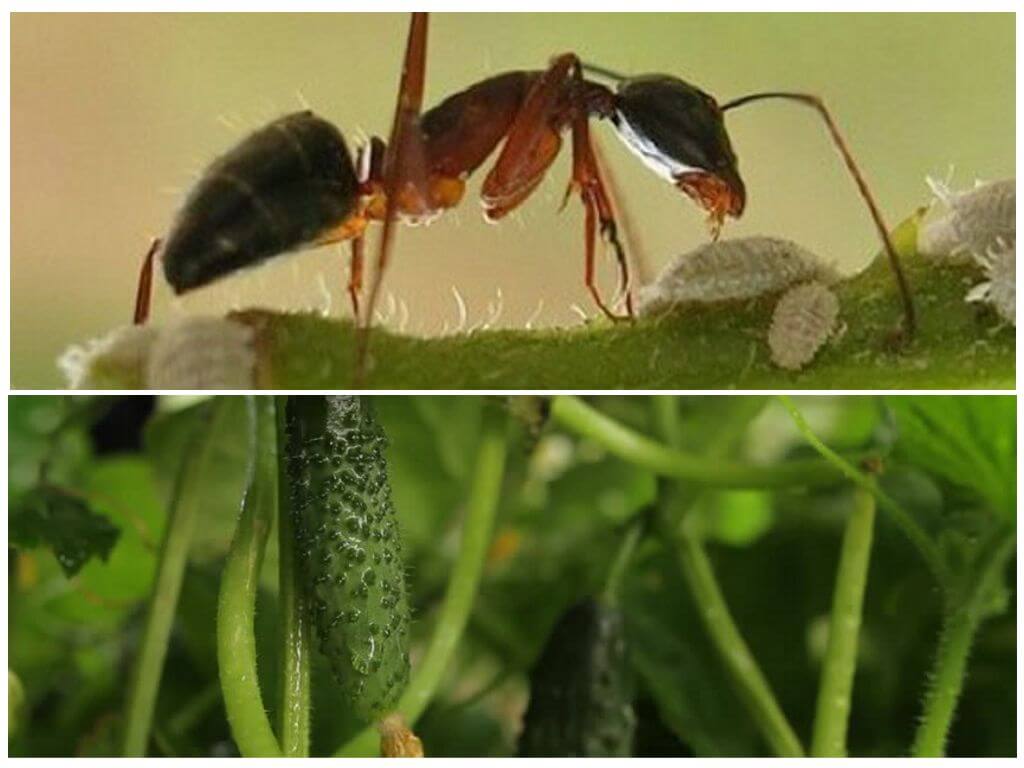
A dangerous tandem of aphids and ants
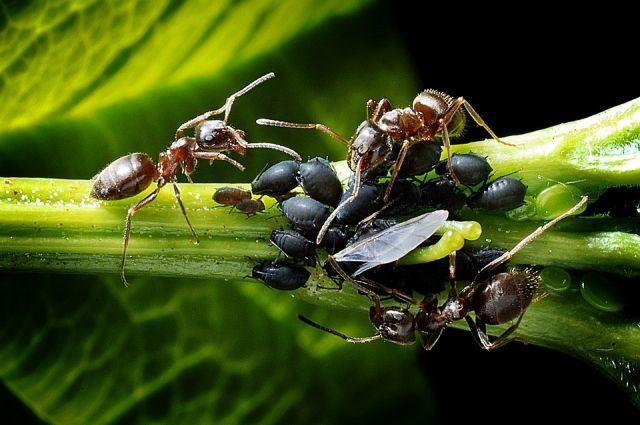
During the summer, aphids and ants form entire communities based on mutual benefit. Worker ants act as shepherds, protecting aphid colonies from ladybugs, ground beetles, and other insects. In return, they receive food from the aphids—honeydew. Honeydew is a sweet secretion.
Aphids secrete them in droplets as soon as an ant tickles them with their antennae. The resulting sweet liquid is derived from plant sap. Adults feed on it by piercing leaves and stems with their thin proboscises.
Aphids reproduce very quickly, so colonies of these insects can cause significant damage to cucumbers, especially young plants.
In summer cottages and greenhouses, black and yellow ants form a symbiotic relationship with aphids. They store honeydew for the day ahead. The individuals living inside the nest act as a storehouse. They never leave, their crops serving as a reservoir for the sugary liquid. For the winter, the aphids are brought inside the ant nest. Under protection, the aphids reproduce rapidly, causing significant damage to cucumbers.

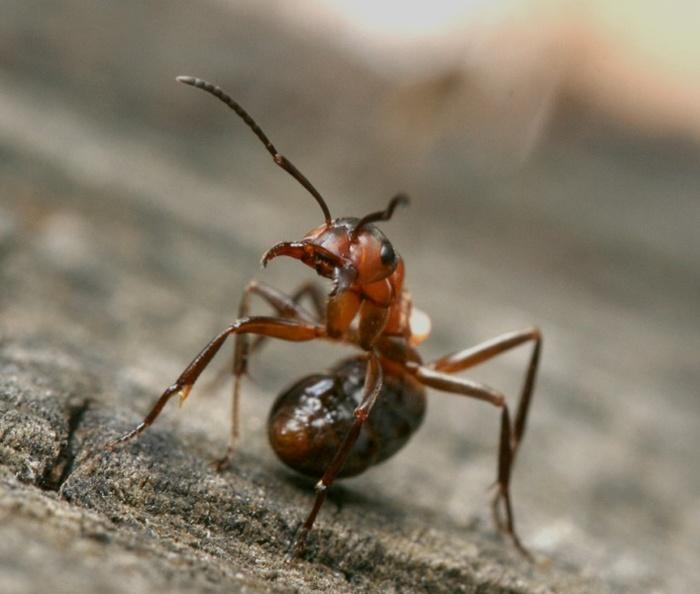
How to fight ants in a cucumber garden?
The goal of control is to reduce insect populations. It will be more effective if a variety of methods are used. Moreover, two pests need to be addressed: aphids and their herders.
Mechanical methods
You can use a shovel or garden trowel to combat the ants. They can be used to destroy the burrows, scoop out the pupae, pour them into a bucket of water, and carry them outside the garden. Be careful when doing this, as it's easy to damage the cucumber roots, which are located in the top layer of soil. Protect your hands with gloves. The ants can attack and bite.
Mechanical destruction of the nest will give good results if it is possible to destroy the queen ant. The entire life of the ant colony revolves around it. Destroying it won't kill the colony, but it will temporarily halt its development. The colony should be dug up in the evening, after sunset.
Chemicals
Any chemical ant control products must be used with caution. Greenhouse space is limited. Overdosing or frequent use will lead to a buildup of toxic substances in the soil. These will inevitably leach from the soil into the fruit. Chemical ant control is used when there is a real risk of crop loss.
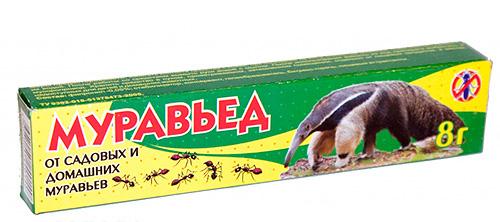
Products containing diazinon, a substance with an intestinal-contact type of action, are effective against this type of insect.
After exposure to the product, insects die within 2-3 days. The substance decomposes within 20 days. Products containing diazinon:
- "Ant-eater";
- "The Great Warrior";
- Thunder 2.
After sunset, the ant nest can be treated with an aerosol spray. Dichlorvos and Frontline are effective against ants. For best results, don't skimp on aerosols; spray the nests generously. Repeat the procedure after 2-3 days.
Combined
Experience has shown that the best results are achieved by using several ant control methods simultaneously. Digging up the ant tunnels is a mechanical method of extermination. Sprinkling the soil with dry fertilizer is a chemical method. Superphosphate and urea are suitable.
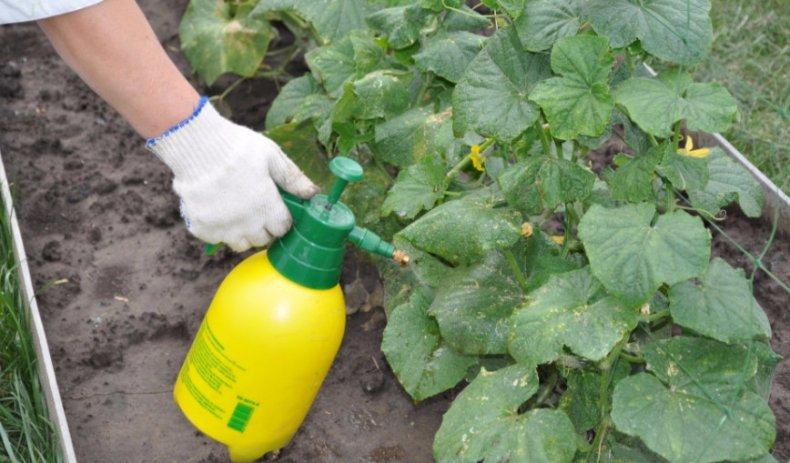
You can place an old barrel (or saucepan) in the greenhouse. Line the bottom with a rag soaked in old jam. Any insects that crawl inside can be doused with boiling water, and the ants can be scooped out and thrown away. Instead of fertilizer, the disturbed passages can be sprinkled with mustard powder or treated with an infusion:
- boiling water 1 l;
- powder 60 g;
- mix;
- leave for 3 days.
Folk remedies for ants
Any folk remedy for ants will only provide short-term results. The greenhouse will need to be treated regularly to prevent the colony from growing again. When growing cucumbers, simple remedies will help keep the insects at bay.
Boiling water
Boiling water can kill ant larvae, worker ants, and the queen. It's best to stir up the ant tunnels as deeply as possible before pouring boiling water over the soil. You can add salt to the water.
Another option is to use boiling water. Soak a kitchen sponge in sugar syrup and place it among the cucumbers. Drop it into the boiling water as soon as the insects are all over it. You can also use a rag.

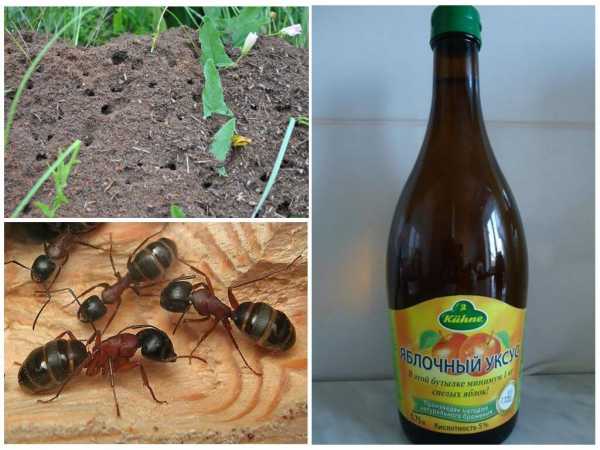
Soap and vinegar solution
Both components have a negative effect on insects. Soap, when ingested by ants, causes dehydration. Vinegar eliminates the odor that workers use to locate their nest. Liquid soap or shampoo can be used to prepare the mixture:
- water 10 l;
- table vinegar 1 bottle;
- shampoo 1 bottle;
- vegetable oil 2 tbsp.
The liquid is sprayed onto the soil in the greenhouse where the tunnels are visible. The treated surface is covered with plastic film for three days.
Kerosene
The substance has a strong odor and is not used in its pure form. Add 10 tablespoons to a 10-liter bucket of water. First, the ant tunnels are destroyed as much as possible, then they are filled with water and kerosene. The soil treated in this way is covered with polyethylene.
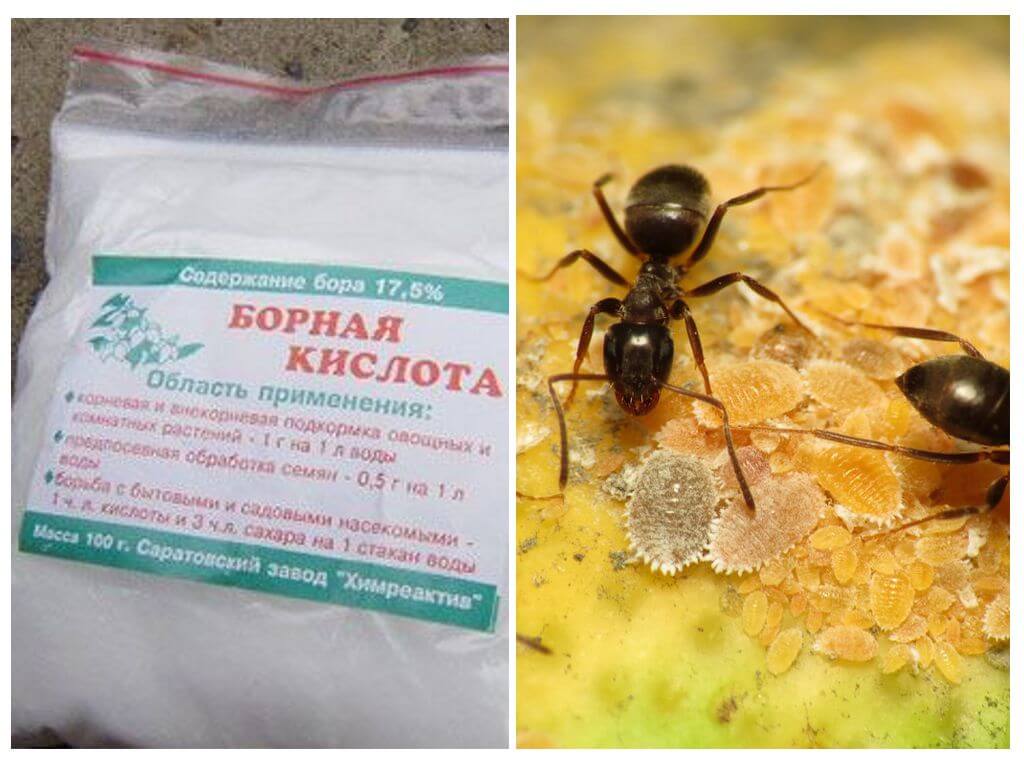
Boric acid
There are several possible uses. It affects insects when it enters the gastrointestinal tract. Boric acid disrupts the digestive system, negatively impacts the central nervous system, and renders male insects sterile.
Killer bait recipes:
- sugar 1 tbsp, jam 1 tsp, product 10 g;
- 2 yolks (boiled), ½ tsp powder, form balls from the mixture and place them in places where insects move;
- raw meat (minced meat), 1 teaspoon of powder, form balls from the resulting mass.
Ash
It's used to protect cucumbers from aphids and simultaneously repel ants. Leaves are washed with an infusion of ash mixed with liquid soap. Hot ash is then sprinkled onto disturbed ant tunnels. This method will definitely not harm the cucumbers or the harvest. Ash is an excellent fertilizer, containing a wealth of beneficial substances.
Cinnamon
The aroma of ground cinnamon repels insects. You can sprinkle the spice on the soil under cucumbers after watering and along the wooden edges.
Other means
The pungent smell of ammonia drives insects out of your home in 3 days. You'll need one bottle of rubbing alcohol and a piece of scrap cotton fabric. Place it on the area of the ground where there are the most ant tunnels.

Pour the contents of the bottle onto the cloth, or rather, spray it over the entire surface. Cover the cloth with any dense, air-tight material. This could be a board, a piece of plastic, or linoleum. The insects will be gone within three days.
Experienced gardeners force them even more easily. They use rhubarb stalks and leaves. Many people grow this plant in their gardens and vegetable plots.
Rhubarb should be cut into pieces with a knife and placed in the ant's habitat. After a few days, they will leave the greenhouse.
Mustard powder will come in handy. You can make an infusion from it to treat cucumbers and the surface layer of soil. It can also be poured into ant holes. Add 60 grams of powder to 1 liter of boiling water. After three days, the infusion is ready to use.
Preventive measures
All the described methods of ant control are effective, but they do not guarantee 100% eradication of the insects in a greenhouse. Colonies typically contain 10,000 individuals and the same number of eggs and larvae. After any treatment, some ants and larvae will remain alive, and the reproduction process will repeat.
There are simple preventative measures that can significantly reduce the risk of ants appearing in a greenhouse. Knowing that these insects like to nest and build burrows under old boards and pieces of roofing felt, it's important to keep the greenhouse clean. Remove any debris, especially old boards.
Digging the soil helps prevent ants. This should be done at least twice a season: in the fall after harvesting and in the spring before planting. Dig deeply. In the fall, dig the soil before frost, avoiding breaking up clumps to prevent the larvae from freezing. The main thing is to regularly prevent insects from breeding. This will save your plants. cucumbers in a greenhouse from diseases.
Related posts:
 What to do if ants are eating cabbage, and what are the best ways to get rid of them?
 What folk remedies are best for treating cabbage from pests to protect it?
 Causes and treatment of eggplant pests and diseases, how to combat them at home
 Sweet pepper pests and how to control them, what to do and how to treat them
 What is the best way to treat cabbage from pests? Folk, chemical and biological remedies.
 Symptoms of diseases and pest attacks on hazelnuts, control measures
 What is the best way to treat cabbage from caterpillars and butterflies, folk remedies
 What can be planted together with cucumbers in a greenhouse, compatibility with other vegetables