
- Main diseases and methods of control
- Diplodiasis
- Powdery mildew
- Phyllosticosis
- Ochre-brown spot
- Red-brown spot
- Cercospora leaf spot
- Black spot
- Rust
- White rot
- Fire blight
- Moniliosis
- Main pests and methods of control
- Green garden bug
- Birch pincushion
- Hazel weevil
- Hazelnut pipe roller
- Northern birch sawfly
- The moth
- Hazelnut snake moth
- Pocket moth
- Nut barbel
- Alder leaf beetle
- Preventive measures
- Tips from experienced gardeners
Hazelnut diseases and pests can reduce the yield of this bush. Hazelnuts don't bear fruit regularly, so fungal infections and insects need to be controlled before they appear. Hazelnuts will be less susceptible to diseases if properly cared for and regularly fertilized. For prevention, you can treat the branches and soil with fungicides and insecticides in the spring.
Main diseases and methods of control
Hazel, also known as filbert, has been cultivated for many years. Gardeners call it filbert. This garden shrub has the same immunity as its wild relative. With proper care, timely pruning, and regular fertilizing, the plant is rarely susceptible to disease.
In May and June, during warm, occasionally rainy weather, a large number of fungi become active. Preventative spraying with fungicide solutions can prevent them. Two to three treatments are needed per season. In the second half of summer, during the hot weather, the development of infections slows, and the incidence of diseases decreases.
Diplodiasis
The fungal infection overwinters in fallen twigs, leaves, and plant debris, and in the spring, during warm, rainy weather, the spores become active. The fungus attacks the shrub's branches, darkening the bark, and the leaves curl, turn brown, and dry out. The diseased branch tips appear sunburned, and over time, they become brittle and break.
If such damage is detected, all diseased branches and leaves should be removed immediately. In the spring, as a preventative measure, it's advisable to whitewash the shrub's shoots with Bordeaux mixture. In the summer, the foliage can be sprayed with HOM or Abiga-Peak.
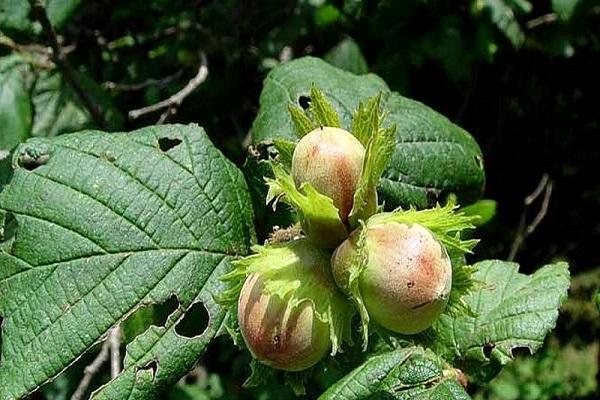
Powdery mildew
The fungus is easily visible on leaves—they become covered with a white, fluffy coating. Over time, the infected leaf blade turns yellow. The fungus persists in fallen leaves and as mycelium in buds. As a preventative measure, bare branches are sprayed with a colloidal sulfur solution in the spring.
Fallen leaves should be removed from the tree's trunk in the fall. If white mold is detected, remove all infected leaves. Spray the shrub with a fungicide solution (Skor, Thiovit Jet).
Phyllosticosis
This is a yellowish-brown leaf spot. The disease is caused by a fungus that overwinters in fallen infected leaves. Ocher-brown spots of varying sizes with a darker border appear on the leaves. The affected leaf tissue cracks and falls out.
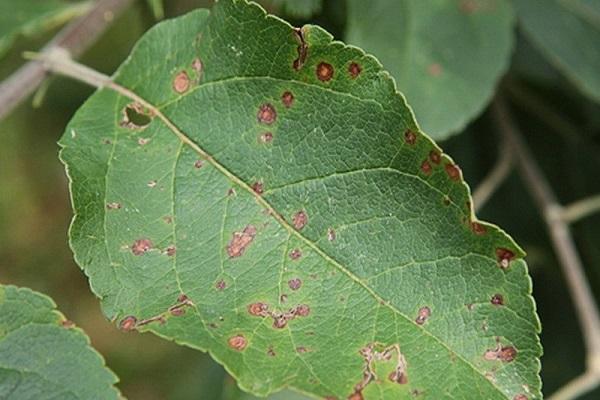
Affected leaves turn yellow prematurely and fall off. To protect against this disease, preventative spraying should be done in early spring with Bordeaux mixture or Abiga-Peak or HOM.
Ochre-brown spot
A fungal disease whose main symptom is the appearance of ocher-brown spots on the leaves. Black pycnidia develop on the underside of the leaf blade. Over time, the spots crack and fall out, and holes appear on the leaves. Leaves affected by the fungus turn yellow prematurely and fall off. To prevent this, spray the plant with Bordeaux mixture, and if spots appear, use fungicides such as Hom or Abiga-Peak.
Red-brown spot
A fungal infection that affects leaves and leaves reddish-brown spots. Yellowish sporulation pads develop on the underside of the leaf blade. Fungal spores are carried by wind or raindrops and infect healthy leaves. Affected leaves curl and dry out.
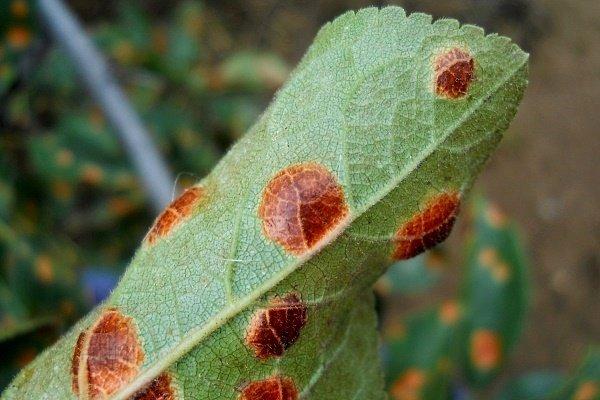
Preventive treatment with Bordeaux mixture and spraying with fungicidal agents (HOM, Abiga-Peak) saves from infection.
Cercospora leaf spot
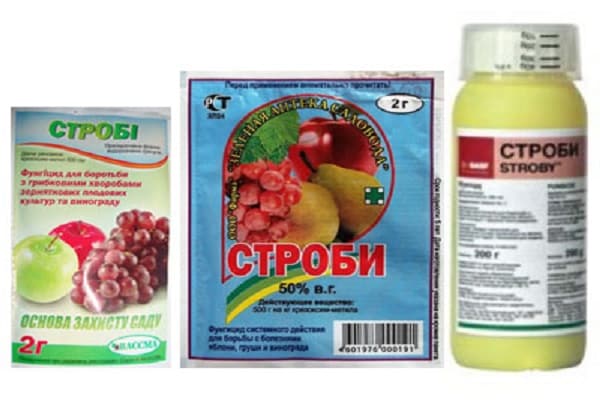
This is a fungal infection characterized by small brown spots with a reddish-brown border. The spots may merge, enlarge, and turn gray. A dirty-white mycelium with spores develops on the affected tissue. Affected leaves turn yellow, dry out, and fall off. Bordeaux mixture is used as a preventative measure. The disease is treated with fungicides (Abiga-Peak, Strobi).
Black spot
Phomopsis disease is caused by a fungus. Its activity is indicated by the appearance of light-colored areas with brown spots on the leaves. On the underside of the leaf, small black dots—the fungal perithecia—are visible at the affected area. The infection is most active in warm, humid weather. Treatment with Bordeaux mixture and fungicidal preparations (Fundazol, Thiovit Jet) can prevent the fungus.
Rust
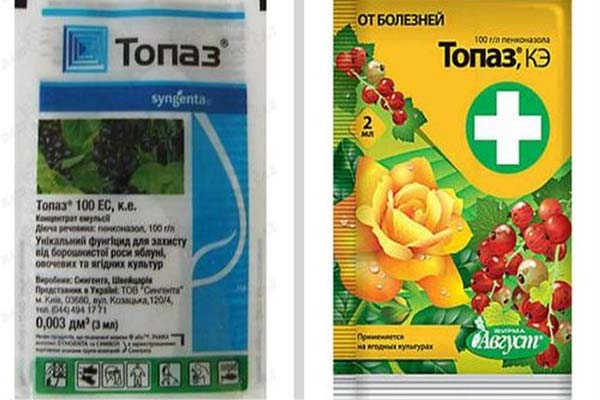
A fungal infection affects the leaves, causing rusty or orange-brown spots to appear. Orange pads containing spores are visible on the underside of the leaf blade. Affected leaves turn yellow prematurely and fall off. Spraying with fungicides such as Strobi, Topaz, and Poliram prevents rust. Copper and sulfur-containing products are used for prevention.
White rot
This disease is also known as sclerotinia. Signs of fungal infection include white spots on leaves, fruit, and branches, flaky slime, and softening of branches and leaves. The leaf blade, covered with a light coating, becomes water-soaked and discolored. The roots become coated with a white slime. The plant wilts. The fungus is most active in cool, rainy weather. Copper sulfate, urea, zinc sulfate, and fungicide sprays prevent infection.
Fire blight
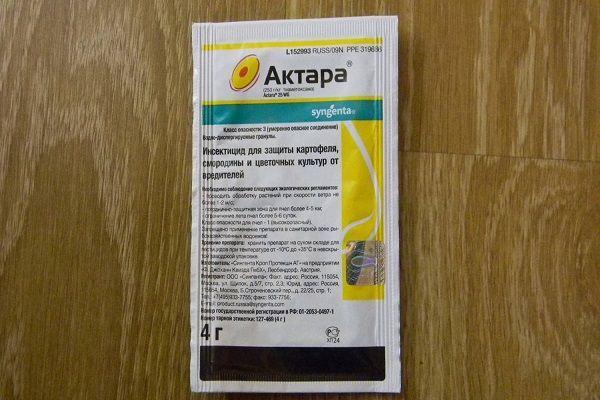
The infection is most active in hot and humid weather. Affected leaves initially become covered with light green spots, then brown. These spots then dry up but remain attached to the branches. Young branches darken. Fruits fail to ripen and become necrotic. All affected parts of the plant should be removed. Affected shrubs are sprayed with fungicides (Aktara, Strobi) and copper-containing preparations.
Moniliosis
This is a fungal disease that causes leaves, flowers, and young branches to wilt and then die. The infection is most active in damp, cool weather. In the spring, the affected hazel tree loses its blooms, the leaves at the tips of the branches begin to wilt, and the fruit never sets. To prevent the disease, treat the plant with Bordeaux mixture or Skor or Horus fungicides before flowering.
Main pests and methods of control
During the summer heat, you may notice swarms of insects attacking the shrub. Pest control should begin in the spring, when they emerge from the soil or hatch from eggs. To eradicate the insects, three to four treatments are required throughout the growing season. Do not spray the shrub with any pesticides during flowering.
Take a look Also
Green garden bug
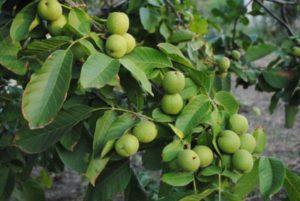
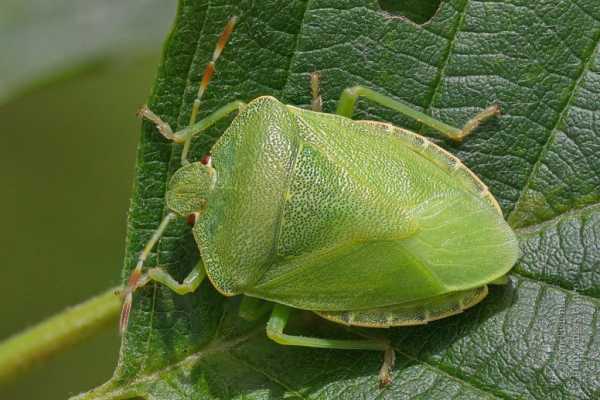
This tiny green insect with a flat back feeds on plant sap. It is very agile and a good flyer. Females lay eggs inside plant tissue in the summer. After overwintering, the larvae hatch in the spring and migrate to young leaves and buds. Leaves damaged by the bug become wrinkled and often turn yellow, while inflorescences fall off and fruits become deformed.
As a preventative measure, in early spring, before the leaves open, the bush is sprayed with insecticides: Fufanon, Actellik, Iskra, Inta-vir.
Birch pincushion
The larvae of this insect overwinter in bark crevices. In the spring, they emerge. The insect feeds on plant sap. Females stop moving while their egg sacs are forming. The insect has a gray, convex shield that later turns brown. A white egg sac emerges from under the shield.
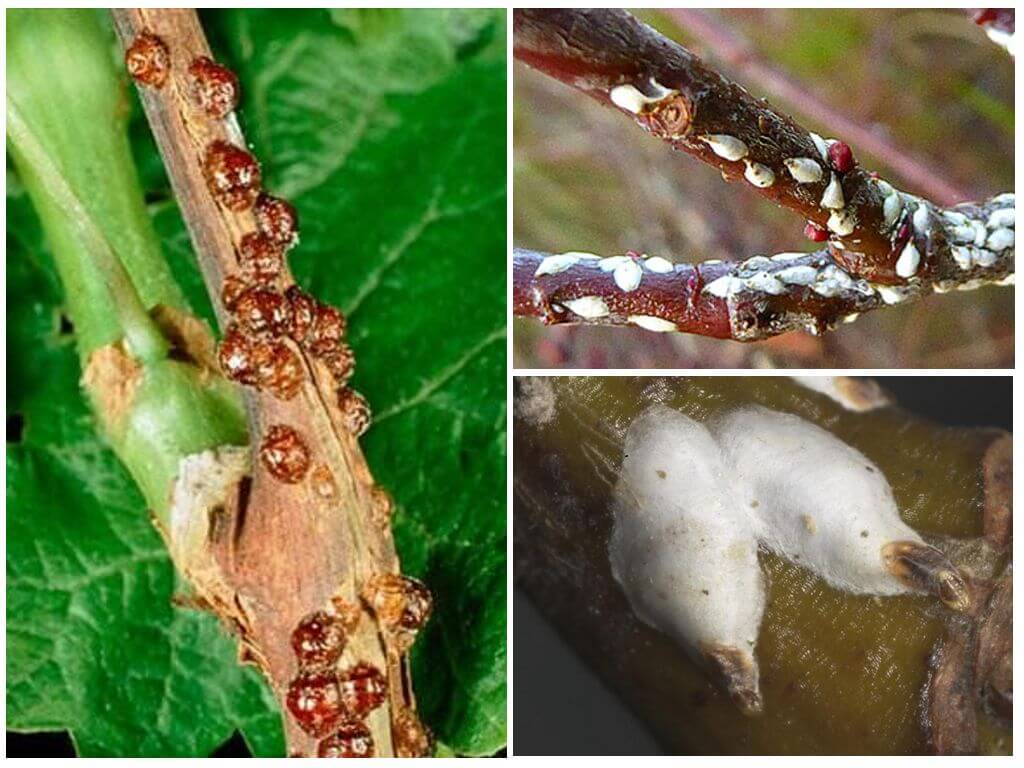
In midsummer, larvae emerge. They attach themselves to the plant, feed on its sap, and remain virtually motionless. In winter, they crawl back into the bark crevices. As a preventative measure, spray the shrub with Fufanon and Kemifos insecticides in early spring. In summer, foliage can be treated with Iskra, Actellic, and Inta-Vir.
Hazel weevil
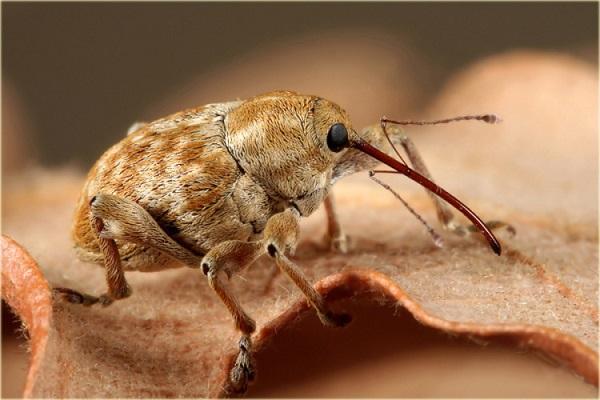
This is a small, brownish beetle with a long proboscis. It is considered the main pest of hazelnuts. Its activity can reduce the harvest by 55-80 percent. In early summer, females lay eggs in young hazelnuts. Larvae soon hatch, feeding on the flesh and burrowing through the fruit.
The weevil feeds on young, unripe nuts. Fruit damaged by the larvae falls to the ground. The weevil chews a hole in the nut and burrows into the soil. Some insects may emerge as early as August, while others may overwinter in the ground at a depth of 40 centimeters for 1-3 years. Control should begin before egg-laying. In the first ten days of May, the soil and branches of the bush are sprayed with insecticides (Aktara, Confidor, Calypso).
Hazelnut pipe roller
This is a small black beetle with a red back. After fertilization, female leaf rollers chew across a leaf, roll it into a tube, and lay their eggs. The hatched larvae feed on the plant's sap. The rolled leaf then falls to the ground, carrying the insects. In the spring, preventative spraying with Fufanon and Kemifos insecticides is used to protect against leaf rollers.
Northern birch sawfly
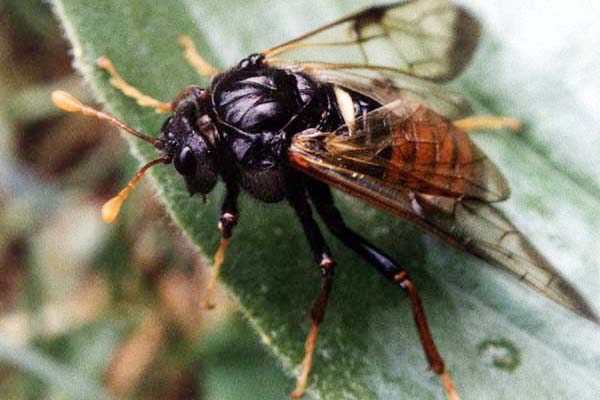
This fly-like insect lays eggs on hazel leaves, from which larvae emerge. They feed on green foliage. Fufanon, Actellic, Inta-vir, and Kemifos are effective against this pest.
The moth
A small butterfly with variegated wings. Its larvae bore tunnels into leaf tissue, leaving the skin intact. Adult caterpillars bend the leaf tip into a cone and continue feeding on the plant's sap. Fufanon, Kinmix, and Actellic are used for prevention and protection.
Hazelnut snake moth
A tiny butterfly with gray-brown wings. It lays eggs, which hatch into caterpillars. These tiny insects then burrow into the leaf, making winding tunnels and feeding on its sap and tissue. Actellic, Fufanon, and Kemifos are used to control the moth.
Pocket moth
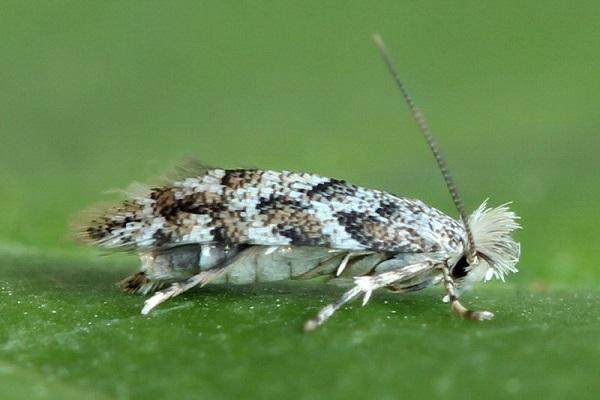
A small, silvery butterfly. Its caterpillars eat away the tissue inside the leaf. The insects also fold the leaf edge, creating a pocket in it, and hide inside, feeding on the sap. Before the leaves emerge, the hazel should be sprayed with Fufanon and Kemifos.
Nut barbel
A small insect with a dark, elongated body and long antennae. They lay eggs under the bark of young branches. The larvae gnaw through the core of the shoots, causing them to wither. Pruning dead branches and treating with insecticides (Actellic, Karbofos) can help control the longhorn beetle.
Alder leaf beetle
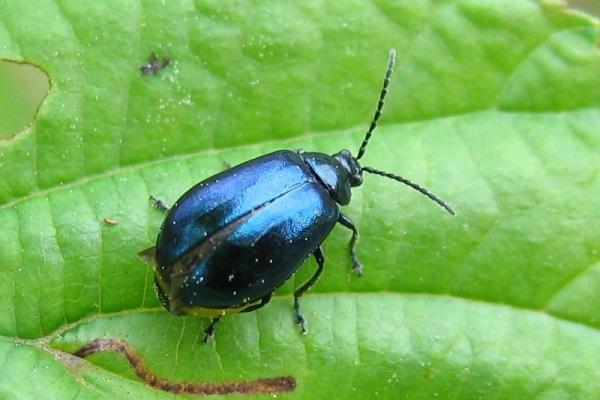
A small, round beetle with an iridescent purple back. Adults and their larvae feed on hazel leaves. Insecticides such as Karbofos and Rogal are used to control the pest.
Preventive measures
Preventative measures will help prevent many diseases and protect the shrub from insect pests. In the fall, after the leaves have fallen, remove all fallen leaves and branches and burn them outside the garden. It is recommended to dig up the soil around the tree trunk to kill fungi and insect larvae. During this time, prune diseased and dead branches.
Proper hazelnut cultivation practices help boost immunity and maintain the bush's health. Diseases are virtually nonexistent on well-maintained bushes growing in fertile soil. In the spring, the soil should be fertilized with nitrogen, potassium, and phosphorus.
Before the sap begins to flow, it's recommended to whiten the stem with Bordeaux mixture, spray the branches with a colloidal sulfur solution, and water the soil around the trunk with copper sulfate dissolved in water. However, disease prevention is only necessary if the plant is prone to frequent illnesses during the growing season.
To reduce insect populations, wormy nuts are collected in the summer. Foliage is treated with insecticides in the spring, during the insect flight season, and in the summer, when the larvae hatch from the laid eggs. When pest populations are low, the shrub is sprayed with insect-repellent solutions and infusions (potato top decoction, wormwood infusion, or soap and ash solution).
Tips from experienced gardeners
To protect hazelnut trees from diseases and insects, experienced gardeners recommend regularly removing weeds and fallen leaves. Soil aeration, loosening the soil, and timely fertilizing also improve the bush's condition.
Before using any chemical, it's important to determine the type of damage. When treating shrubs, don't forget about their roots, as many diseases begin there.
Insects love to hide in the soil. It's recommended to treat the soil with a copper sulfate solution and insecticides in early spring. Be sure to remove all dry branches and leaves before wintering.
Related posts:
 Causes and treatment of eggplant pests and diseases, how to combat them at home
 How to control carrot flies with medications and folk remedies
 Signs of disease and pest attacks on strawberries, treatment methods
 Causes of phylloxera in grapes, control measures with drugs and folk remedies
 Causes and treatment of cherry diseases, methods of pest control
 Description of carrot pests and diseases and methods of control
 Pests and diseases of gooseberries and their control using chemical and folk remedies
 Causes and symptoms of 30 plum diseases, treatment and pest control