
- The main causes of diseases and pests
- Diseases of greenhouse cucumbers and their treatment
- Anthracnose
- Powdery mildew
- Downy mildew (peronosporosis)
- Rot and its types
- Bacteriosis
- Ascochytosis
- Fusarium wilt is a dangerous disease.
- Pests of greenhouse cucumbers and methods of control
- Melon aphid
- Greenhouse whitefly
- Spider mite
- Preventive measures
Growing cucumbers in a greenhouse is often plagued by diseases, so it's important to know how to treat and prevent them. Before treating the plant, it's important to determine the cause of the infection. These are most often caused by improper agricultural practices. Biological or chemical treatments, as well as folk remedies, are used to combat various diseases.
The main causes of diseases and pests
Cucumber diseases can be viral, fungal, or bacterial. Infections are easily transmitted by pests. The main causes of problems when growing cucumbers in a greenhouse include:
- violation of temperature and humidity levels;
- lack of lighting;
- presence of a draft;
- untreated seeds or poorly prepared soil;
- dense plantings;
- violation of crop rotation rules;
- deficiency or overdose of micronutrients.
As soon as the first signs of pest infestation or infection are detected, action must be taken. Otherwise, the problem leads to reduced yields, and in some cases, complete loss.
Diseases of greenhouse cucumbers and their treatment
Vegetable growers need to know the first signs of disease in order to choose the right treatment and stop the spread of infection.
Anthracnose
Anthracnose is a fungal disease that causes crop yield reductions. It is caused by the fungus Colletotrichum orbiculare.
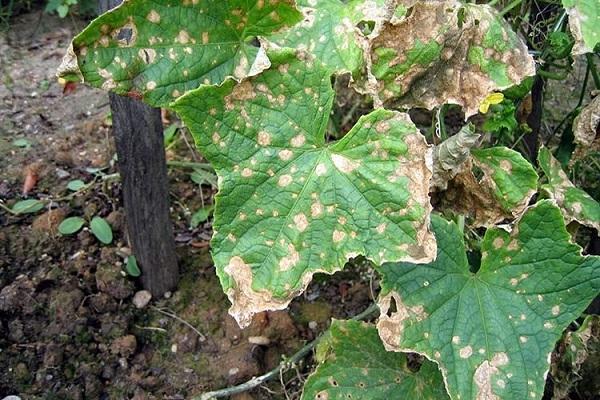
In a greenhouse, the first signs of the disease can be noticed already in the spring on young shoots:
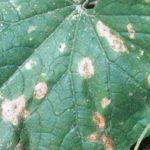
- pale yellow wet spots are observed on the leaves, which gradually increase in diameter;
- dark spots with a pink coating appear on the cuttings and stems;
- The fruits become covered with sunken brown spots, then dry out or rot, and the taste becomes bitter.
Plants can become infected if temperatures remain above 30 degrees Celsius and humidity exceeds 90% for extended periods. Pests also carry the spores.
It is easier to prevent anthracnose than to treat it, so it is important to follow preventative measures:
- disease-resistant varieties should be selected;
- disinfect seeds before planting;
- When watering, avoid getting moisture on the leaves;
- You cannot plant cucumbers in the same place two years in a row;
- For preventive purposes, treatment with biological preparations such as Trichodermin and Bactogen is suitable.
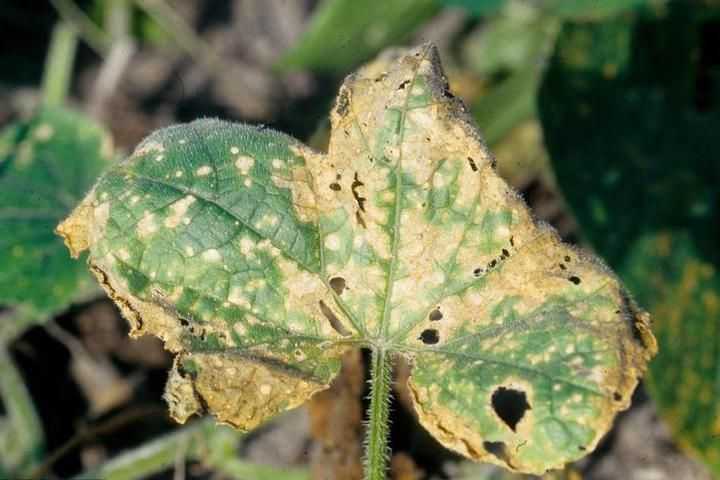
To treat the bushes, use a solution based on Bordeaux mixture, copper oxychloride, Fundazol, Vincit or Saprol.
Powdery mildew
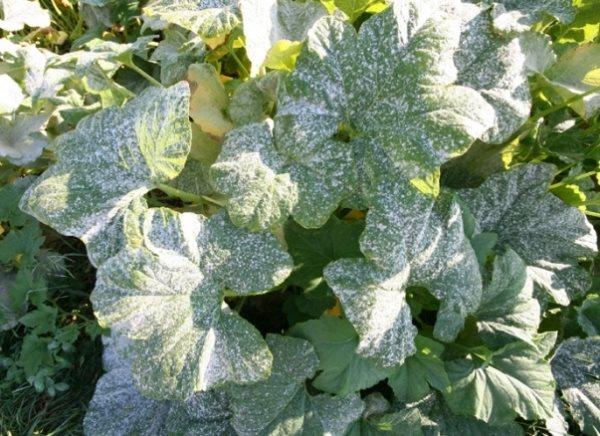
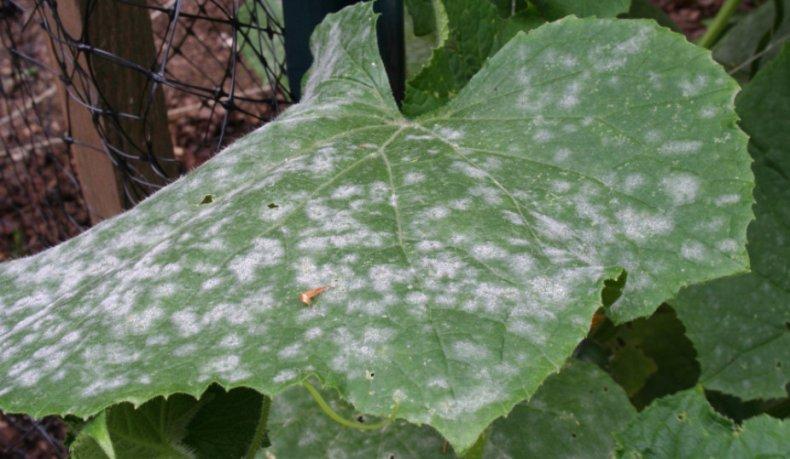
Powdery mildew is a fungal disease that is accompanied by a number of characteristic symptoms:
- the appearance of a grey-white coating on the outer side of the leaves;
- Over time, the affected areas become covered with dark brown spots;
- leaves and stems become deformed, dry out and fall off;
- the fruits do not grow and rot.
The development of the disease is facilitated by cool, cloudy weather with high humidity.
To reduce the risk of spreading infection, it is important to follow these rules:
- plant debris and weeds must always be removed from the area;
- For planting, select varieties resistant to powdery mildew;
- maintaining the temperature regime (the temperature during the day should be below +29, and at night - not below +16 degrees);
- for watering you should use only warm water;
- Preventive spraying of plants is permitted with such preparations as "Quadris", "Bayleton", "Topsin".
Take a look Also
For therapeutic purposes, it is advisable to use drugs from several groups:
- If the first signs of the disease are detected, chemical preparations come to the rescue: Topaz, Tilt, Hom, Acrobat MC, Skor.
- A solution of Bordeaux mixture and colloidal sulfur helps.
- The use of biofungicides is effective: "Psvedobaktrin-2", "Fitosporin-M", "Alerin".
- To enhance the effectiveness of store-bought medications, it's advisable to use folk remedies. Solutions based on mullein, potassium permanganate, whey, and mustard, as well as a soda-soap mixture and marigold infusion, are helpful.
Downy mildew (peronosporosis)
Downy mildew is considered a common disease among cucumbers. This fungal infection is spread by wind or insects and disrupts photosynthesis.
Fungal spores quickly spread to healthy plants, and if no action is taken, cucumbers in the greenhouse will die within a week.
Cool air and lack of light are common causes of the disease's spread. The disease can be recognized by the following signs:
- angular spots of yellow-gray color, covered with a powdery coating;
- on the inner side of the leaf blade there is a grey-white or purple mold coating;
- areas damaged by fungus become oily;
- the damaged leaf curls up, turns completely yellow and dries out;
- The fruits are wilted and pale green in color.
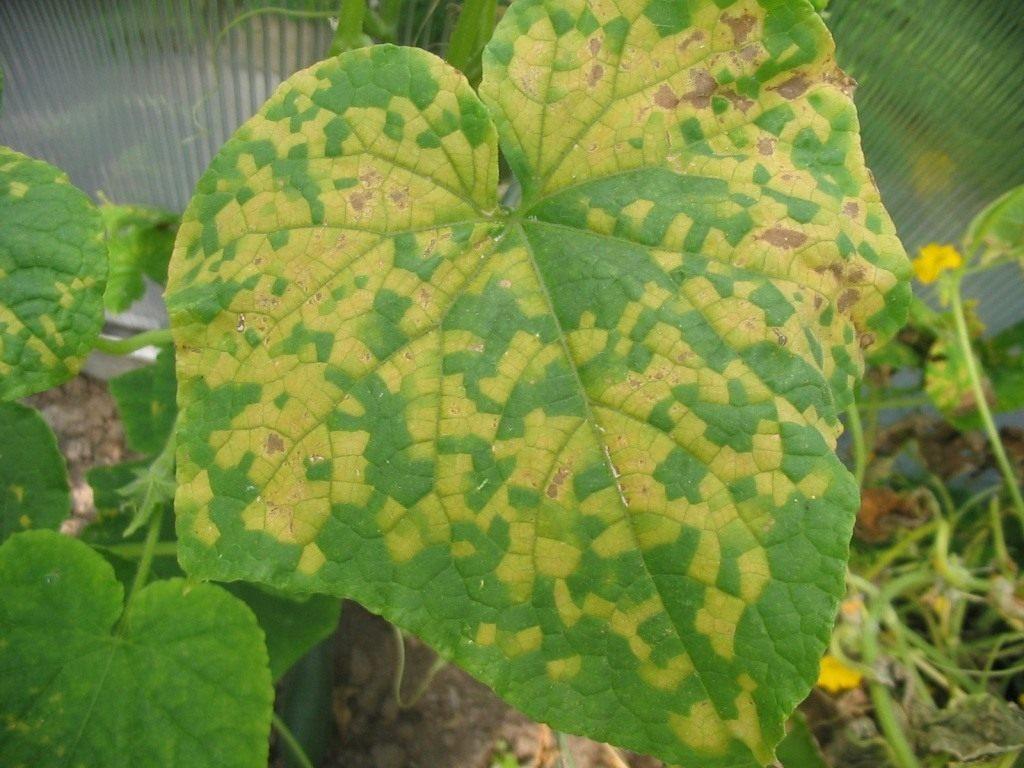
Gradually, all infected parts of the plant dry up, turn black, and fall off. Unlike black spot, the leaves on the plant begin to turn yellow and dry out, starting from the top row.
The main preventive measures are:
- selection of a resistant variety;
- preventive treatment with a solution based on copper sulfate, Fitosporin, Alirin.
Medications such as Ridomil Gold, Oxychom, and Profit help combat the disease. Folk remedies include a mixture of baking soda and liquid soap, and a therapeutic mixture made from brilliant green, ammonia, and iodine.
Rot and its types
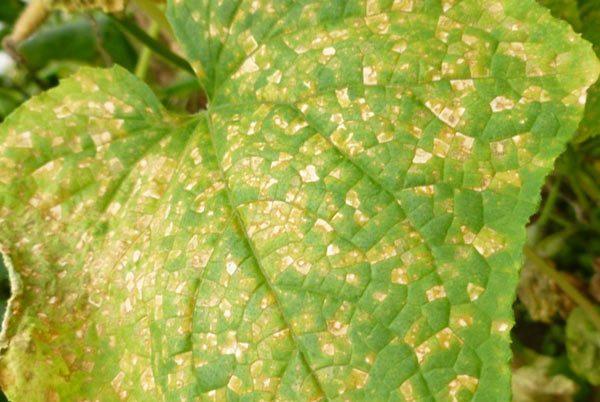
The plant may become ill as a result of damage from various types of rot:
- White rot develops in cool, humid indoor air. It is caused by the fungus Sclerotinia sclerotiorum.
A white coating appears on all parts of the plant, including the fruit. Gradually, the tissue softens, and mucus appears. The fungus causes yellowing of the leaves, thinning of the stem, and fruit rot. To combat white rot, use the medication "Oxychom" or "Topaz." Folk remedies that use milk and copper sulfate are effective.
- Gray mold causes brown spots to appear on leaves, and fruits to become covered with a gray coating. This bacterial disease spreads in greenhouses under low temperatures and humid air, poor ventilation, and dense plantings.
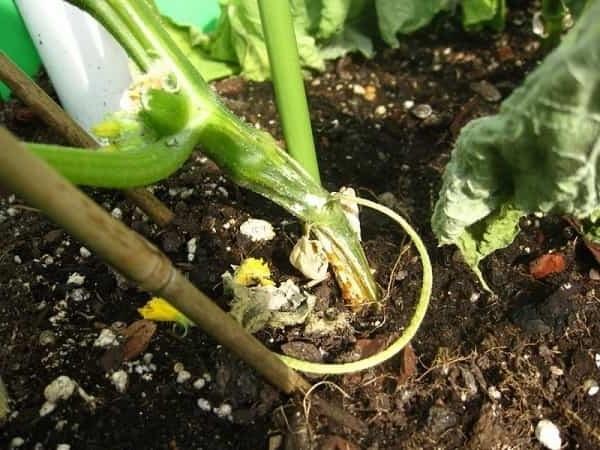
As a preventative measure, the plant is treated with Trichodermin. For medicinal purposes, copper sulfate, boric acid, wood ash, and other pesticides such as Hom, Bayleton, Zaslon, and Rovral are used.
- Root rot is characterized by the appearance of a brown coating on the lower part of the stem. Leaves begin to wilt, dry out, and fall off, starting with the bottom row. Fruit grows slowly, curls up, and turns yellow.
In the early stages of the disease, it is recommended to create mixtures based on chalk, wood ash, and copper sulfate. If the virus has actively spread, treatment can be carried out with medications such as Previkur, Fitolavin, Gamair, and Gliocladin.

Bacteriosis
Bacteriosis is a disease caused by bacteria. Favorable conditions for active bacterial growth include elevated greenhouse temperatures (above 26 degrees Celsius) and excessive soil moisture.
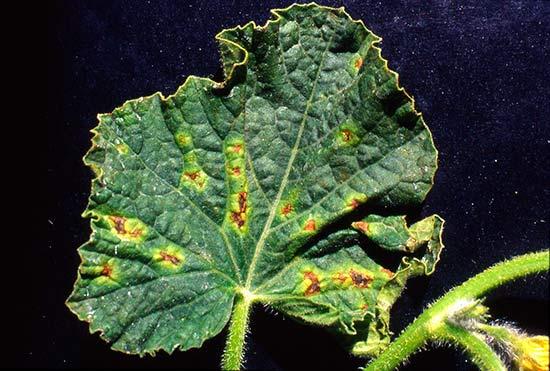
The main symptoms of the disease include:
- the appearance of angular, yellow spots on the leaves;
- grey mucus is visible on the back of the leaf blade;
- The fruits become spotted, curl up and dry out.
The main method of fighting the disease is considered to be prevention:
- for planting, choose a well-lit place;
- It is better to use a vertical method of growing cucumbers;
- It is essential to follow the watering regime and loosen the soil;
- It is important to follow the dosage rules when applying fertilizers;
- seeds are selected that are resistant to bacteriosis.
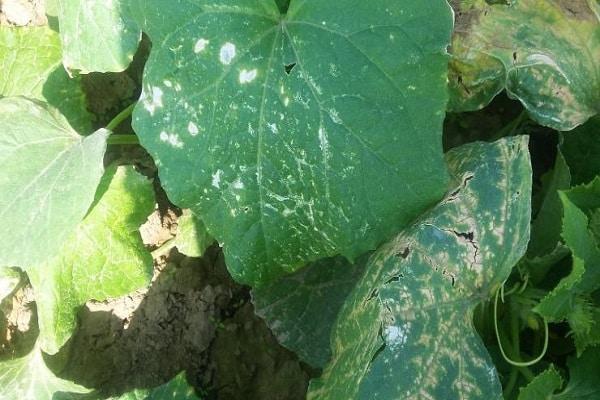
It's helpful to spray the plant's leaves with an infusion of onion peels or a boric alcohol-based solution. Store-bought options include "Fitolavin" and "Kuproksat."
Ascochytosis
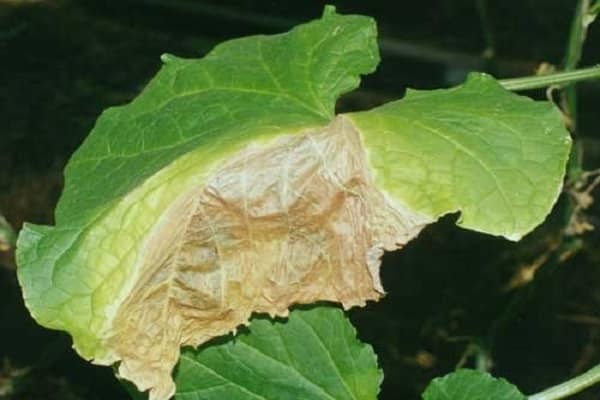
Ascochytosis most often affects cucumbers., growing in a greenhouse. The causative agent is the fungus Ascochyta cucumis. Distinctive signs of infection include:
- oval brown spots are visible on the stem;
- cracks appear on the damaged areas, from which brown mucus is released;
- yellowing and drying of leaves begins from the edges;
- The fruits become spotted, deformed and dry out.
Among medications, Vincit and Saprol have shown good results in combating the disease. Solutions based on copper oxychloride, Bordeaux mixture, and copper sulfate have also proven effective.
Fusarium wilt is a dangerous disease.
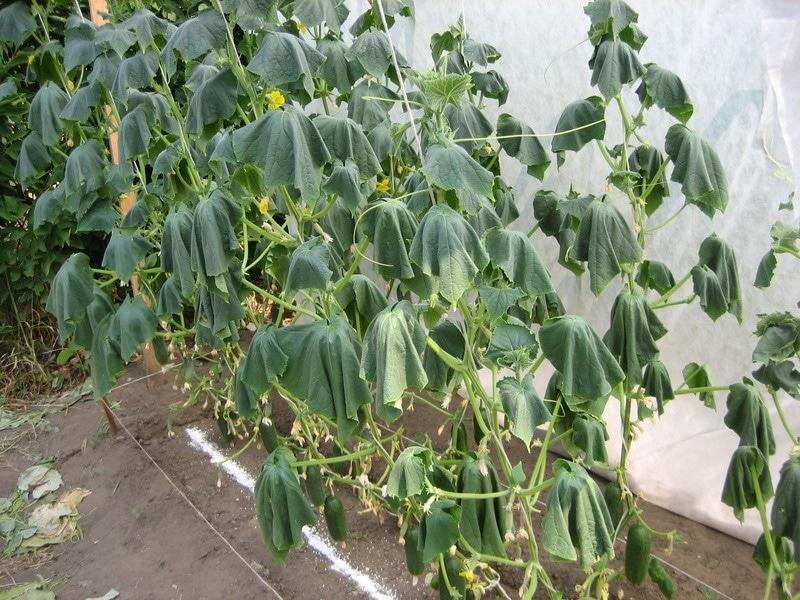
Fusarium wilt is caused by fungi. The main causes of the disease are low temperatures and overwatering. Spores enter the plant through damaged areas on the leaves or weak roots.
The main symptoms of fungal disease are:
- yellowing, wilting and deformation of leaves (signs begin to appear from the bottom row);
- thinning and wilting of the stem, the appearance of a brown tint near the root collar;
- the ovaries fall off;
- gradually the whole plant turns yellow and dies.
This disease is difficult to cure, so it's important to follow planting and agricultural practices. The following products have shown good results in controlling the disease: Trichodermin, Baktofit, Trichopol, Planriz, Fundazol, Previkur, Quadris, and Maxim.
Pests of greenhouse cucumbers and methods of control
Plants in a greenhouse or hothouse can also be threatened by insect pests. They eat the plant, transmit infections, and, as a result, reduce fruiting.
Melon aphid
Melon aphids are small, light yellow or green insects that suck the plant's sap. Their appearance becomes noticeable in late spring. In a greenhouse, aphids reproduce rapidly, so control measures should be taken immediately after the pests are detected. Gradually, the affected cucumber vine wilts, and the plant begins to die.
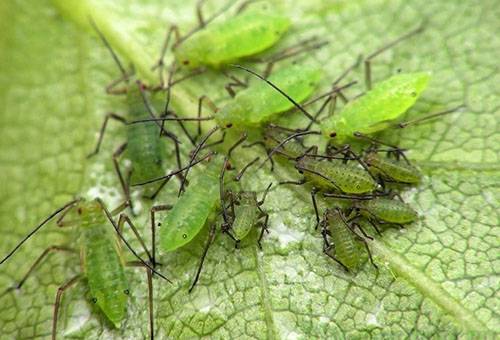
Prevention can help prevent aphids. Be sure to disinfect the structure, soil, and seeds.
Copper sulfate, Bordeaux mixture, bleach, and Karbofos are ideal disinfectants.
Plants are recommended to be treated with Fitoverm, Actofit, and Akarin. Protection can also be achieved through folk remedies: infusions of onion peels, garlic, celandine, or hot pepper.
Greenhouse whitefly
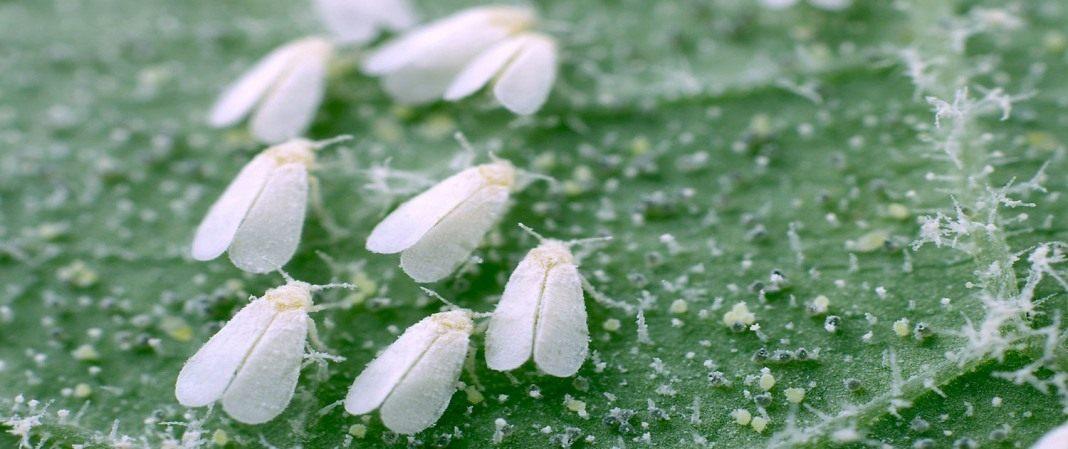
The whitefly is a small insect with white wings and a yellow body. The pest feeds on plant sap. Damaged leaves first become covered with whitish spots and turn yellow, then turn black, become deformed, and dry out. If not treated promptly, the plant will die.

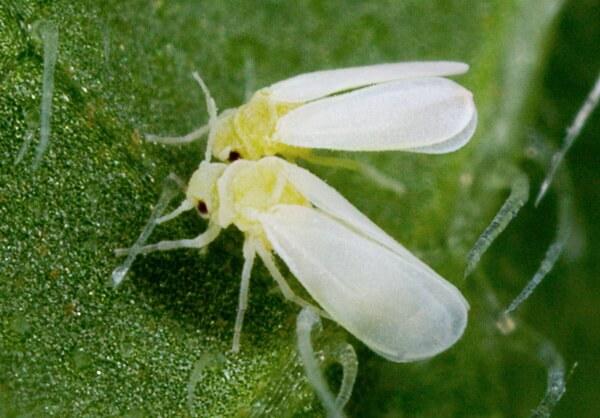
A range of measures will help prevent the spread of whiteflies:
- greenhouse treatment: disinfection of the structure, removal of plant debris, replacement of the top layer of soil and digging of the ground;
- If there are few insects, they can be collected by hand;
- effective use of traps;
- To treat plants, use decoctions and infusions of yarrow, dandelions, and garlic.
If all the above methods do not help, and the pests continue to multiply, you should protect the plants with such preparations as "Aktara", "Aktellik", "Inta-Vir", "Musson".
Spider mite
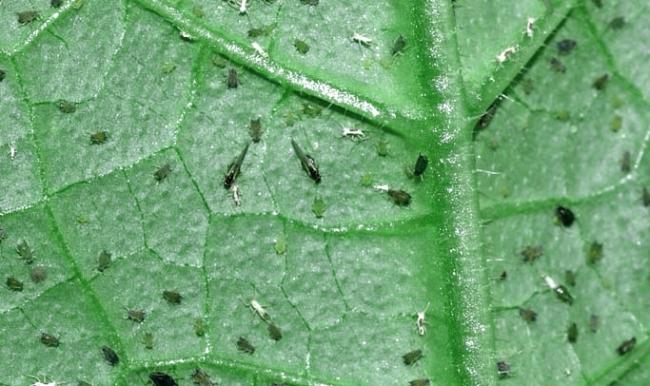
A small, reddish-brown insect settles on the undersides of leaves and sucks the plant's juices. Hot, dry air promotes spider mite proliferation. Damaged leaves leave white spots and a fine, white web.
Home remedies based on ingredients such as hydrogen peroxide, ammonia, turpentine, and tobacco dust can help combat the pest. Herbal infusions of dandelion, yarrow, and calendula are also effective.
Among store-bought products, you can choose the following preparations: Vertimek, Kleschevit, Fitoverm, Agravertin, Sanmite, Floromite.
Preventive measures
To prevent infections and pests from appearing in your greenhouse, you must follow some rules:
- After harvesting, the plants should be treated with fungicides, insecticides, and other disinfectants. A combination of the following products is suitable: Bayleton, Actellic, and Farmaiod. Only then should the tops be removed from the greenhouse. After the greenhouse has been cleared of plant debris and weeds, the structure is treated with Farmaiod.
- Before planting, treat the seeds. Harmful microorganisms may be present on the surface of the seeds, which, under favorable conditions, begin to actively develop. It is recommended to soak the seeds in a solution based on Gamair and Alirin.
- To ensure healthy cucumber seedlings, it's essential to properly prepare the soil. Disinfection, for example, with a solution of potassium permanganate or hydrogen peroxide, is essential.
- It is important to maintain an optimal air temperature during the day and night, as well as a suitable level of humidity.
- It is essential to ventilate the room daily, avoiding drafts.
- Vegetable crops should be protected from pest attacks.
- An excess or deficiency of fertilizers can weaken plants' immunity. Therefore, micronutrient supplementation should be applied promptly and at the recommended dosage.
- Preventative treatment of cucumbers against diseases and pests in the greenhouse after planting is essential. Biological or chemical treatments, as well as traditional remedies, are used.
If you take all these points into account when growing cucumbers, you can minimize the risk of infections and insects.
Related posts:
 Description of unusual methods for planting and growing cucumbers
 How to care for cucumbers in open ground from planting to harvesting
 Causes of anthracnose in cucumbers and treatment with folk remedies and medications
 Types of fungicides for cucumbers in a greenhouse and instructions for use
 Causes and treatment of eggplant pests and diseases, how to combat them at home
 Description of the best varieties of Chinese cucumbers, planting, growing and care
 How to properly plant cucumber seedlings in a greenhouse and care instructions
 How to make a cucumber trellis with your own hands from scrap materials