
Cucumber Ascochyta Blight: Control Measures. Black stem rot of cucumber, also known as ascochyta blight, is caused by fungi. The disease is typical for plants grown in greenhouses and is rarely seen in open ground.
Symptoms of the disease
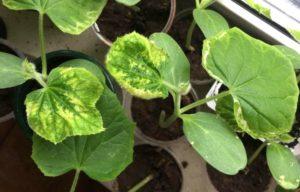
Rot affects mature cucumber plants and is rarely seen on seedlings. However, fungal spores can also infect seedlings, as the fruiting bodies and mycelium grow and develop along with the plant.
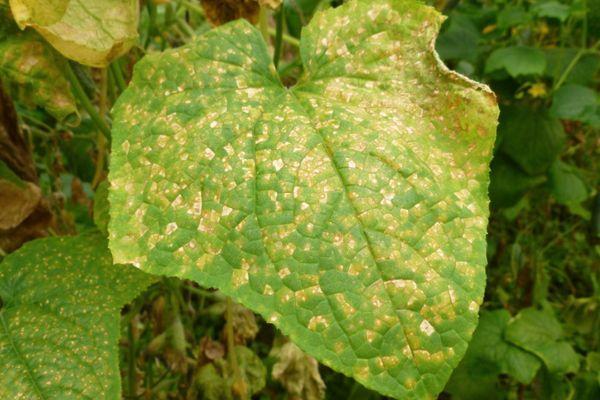
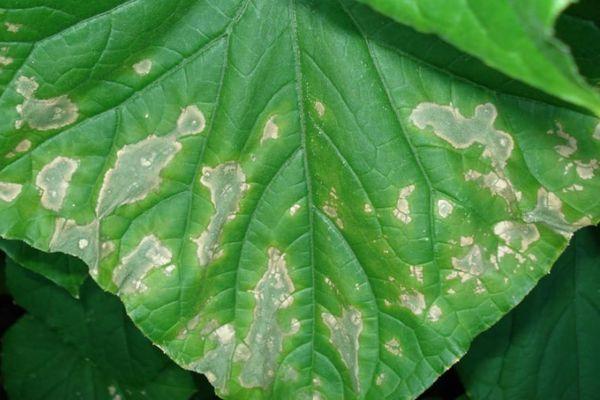
It affects all parts of the cucumber plant. It appears as oval brown spots that later turn black. A whitish or brownish sap begins to ooze from the affected parts of the plant. Later, rot sets in, and the affected areas turn black.
Several stages of the disease can occur on a single plant. The final stage is the ascus stage. "Asca" is Latin for "bag."
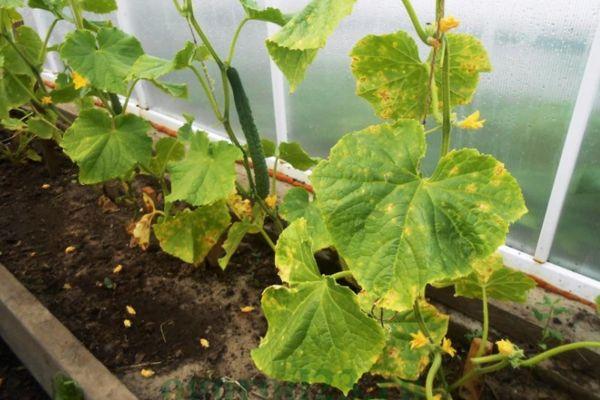
The leaves become diseased when the cucumber is fruiting. The edges of the leaf blades turn brown and then dry out. The fruit is also susceptible. The rot can start at the tip, where the inflorescence was, or at the base of the fruit. It also initially appears as brown spots with the discharge of a watery, clear or whitish substance. The cucumber fruit then becomes soft, as if boiled. After some time, it becomes covered with a thick, whitish substance. These are pycnidia—the fruiting bodies of the fungus that causes this disease.
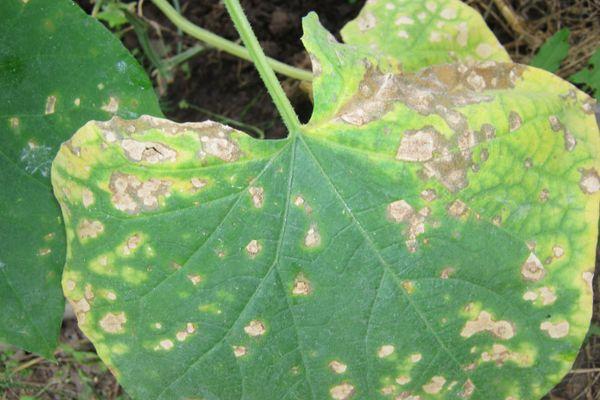
The disease also affects cucumber embryos. They become covered with small ulcers that begin to dry out deeper without expanding in diameter. Fruiting bodies of the fungus appear in the centers of the ulcers.
How does fungus infect cucumber?
Many gardeners and horticulturists believe that cucumber plants become infected with ascochyta blight due to poor soil quality. However, this is not true. The pathogenic microorganism attacks cucumber seeds. If young plants lack micronutrients or experience another limiting factor, such seedlings are often weakened. This is when pathogenic microflora develops. However, the disease only develops in weakened plants.

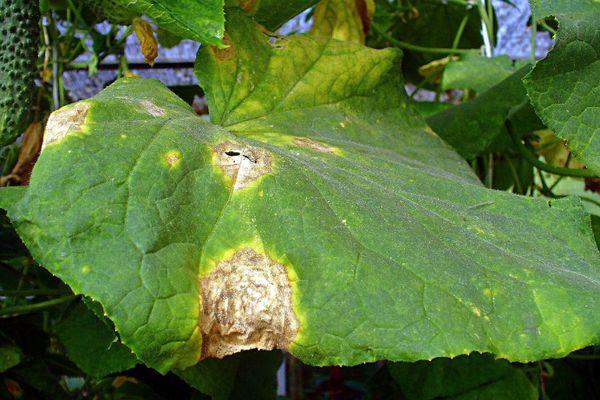
The fungal mycelium develops on the root collar, then through the plant’s vessels it spreads to the leaves and stems.
It is necessary to carefully examine young plants when the first true leaf begins to form; you can already notice the disease, but it still bears little resemblance to black stem rot - ascochytosis.
Low temperatures are not a problem for this pathogen. Many pathogenic microorganisms require ambient temperatures of 20 to 25°C. The mycelium of the fungus that causes ascochyta blight can develop at temperatures as low as 9 to 10°C. Low humidity also doesn't inhibit the pathogen. Even 20% humidity is sufficient for the fungus to begin its development.
Fungal diseases of cucumbers are also dangerous because microorganisms are capable of reproducing sexually and asexually.
Measures to combat cucumber ascochytosis
All control measures can be divided into 3 categories:
- preventive;
- biological;
- chemical.
Preventative measures. Ascochyta blight can only develop on weakened plants. If cucumbers are planted densely, the cucumbers compete for nutrients, water, space, and light. Some plants die through natural selection, while others develop immunity to many diseases and pests. Some survive, but become weakened. These are the plants most susceptible to ascochyta blight. Avoid planting cucumbers too densely.
The fungus begins its development in the root system. Overwatering can lead to root hypoxia, which weakens the plant. Cucumbers should be watered generously, but not excessively. Ensure the soil does not dry out, but there is no stagnant water.
The pathogen reproduces by spores and asexually. Failure to promptly remove yellowed and dried plant parts will lead to the rapid spread of harmful microorganisms.
Before planting, treat the soil to eliminate pathogens that can affect the cucumber root system (such as root-knot nematodes). This will not only protect cucumbers from ascochyta blight but also other harmful diseases.
In greenhouses, as in open ground, crop rotation is important, but this is difficult to achieve in a garden or vegetable garden. Therefore, in the fall, the heifer should be sown with sanitary crops such as rye or oats. In the spring, the entire crop is dug in with compost or manure. This measure increases soil fertility and promotes the accumulation of beneficial microorganisms.
Before choosing cucumber seeds for planting, it's worth checking the test results. Many varieties are resistant to ascochyta blight.
Biological control measures. The market is currently flooded with various fungicides. Trichoderma harzianum is the most effective and safe for combating ascochyta blight. This fungal strain can inhibit cucumber ascochyta blight for 15-30 days. This time is sufficient for the young plant to grow and become stronger.
Trichoderma harzianum is effective in greenhouse conditions and does not poison the soil or the plant itself. In open ground, this strain is ineffective, providing only 14-20% protection to cucumber plants.
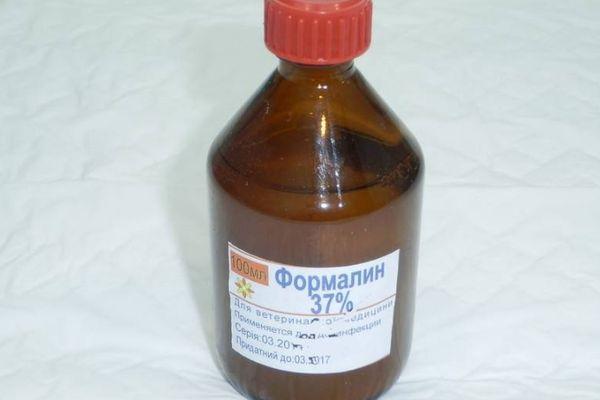
Chemical methods. Chemical control should be comprehensive. First, treat the soil in the greenhouse with a 5% formalin solution. The solution consumption rate is 1 liter per 1 m².
Next, you need to start seed treatment if the selected variety is not resistant to ascochyta blight. In this case, it will not be possible to get rid of the pathogen, as the causative agent of the disease is inside the seed. However, if plants are not damaged by other diseases, they will be more resistant, and ascochyta blight will not develop. There are currently no effective treatments against black stem rot at the seed stage.
If the disease is noticed on leaf blades, then it is necessary to spray with a solution of Bordeaux mixture or copper oxychloride in a suspension state.
If ascochytosis is noticed on the stems or roots of cucumber crops, then dusting is carried out with a powder prepared from copper sulfate and chalk in a 1:1 ratio.
To prevent plants from getting sick, it is better to monitor the manifestation of the disease on a young plant and use preventative measures.
Related posts:
 How to treat brown spots on cucumber leaves, symptoms, and prevention measures
 Causes and treatment of eggplant pests and diseases, how to combat them at home
 Why do cucumber leaves develop a coating or white spots, and what can be done to treat them?
 Treating cucumber diseases and pests in a greenhouse with medications and folk remedies
 Description of cucumber pests and their treatment, control measures and processing
 Growing and caring for hazelnuts in open ground, rules for planting hazelnuts
 Description and causes of cucumber seedling diseases, control methods and treatment
 Causes and symptoms of rhubarb insect pests and control measures
The disease occurs when seedlings lack micronutrients, so disinfection alone won't be enough. Be sure to use a bioactivator.BioGrow", it will reduce the chances of such a problem occurring.