
Rhubarb isn't a common crop in today's gardens. This plant has been undeservedly forgotten in recent years. And in vain. Rhubarb is a storehouse of beneficial minerals and vitamins. It's no coincidence that it's widely used in cuisines around the world. For a long time, it was believed that the plant was completely disease-free. But this is not true. Experienced gardeners share their experiences growing the crop, explaining rhubarb diseases and how to combat them.
Possible rhubarb diseases
Rhubarb is a perennial herbaceous plant. With proper care and proper growing conditions, it rarely gets sick. However, gardeners, especially beginners, sometimes neglect the crop improperly, leaving it susceptible to various diseases and insect attacks.
Inclement weather also contributes to the spread of diseases. Conditions favorable for the development of infections and parasitic fungi include:
- excess moisture in the soil;
- heat;
- air temperature fluctuations;
- soil oversaturation with nitrogen;
- landing frequency.
Ramulariasis
Cool weather and high humidity favor the development of the disease, which affects rhubarb yield. Symptoms include the appearance of round, slightly raised, brownish-red spots of varying sizes on the leaves with dark edges. These spots spread across the leaves and merge with one another, causing the foliage to wither.
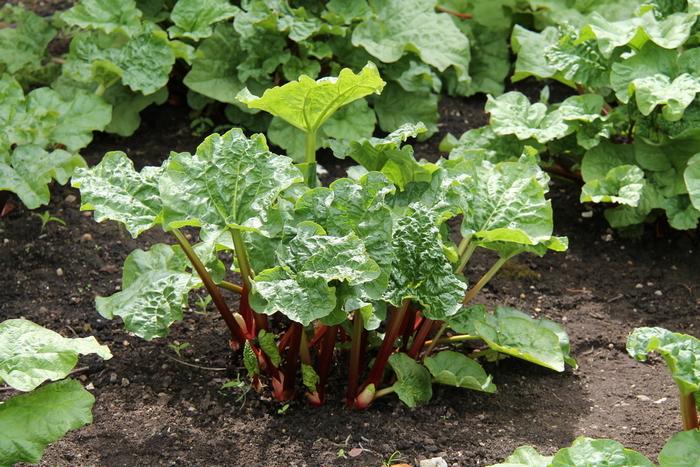
Leaf petioles affected by the disease become woody. A grayish coating appears on the surface of the spots, mostly on the underside of the leaf. These are spores of the fungus that causes the disease, which easily survives the winter, remaining in the soil where it feeds on dead plant parts.
Ascochytosis
The disease is caused by a fungus. It attacks not only the green parts but also the root itself. The branches of the rhizome darken, turn black, and fall off, weakening the rhubarb. Initially, yellowish spots, resembling burns, appear on the leaves. Then they darken and increase in size. The leaves crumble, falling off in small pieces.
Later, black specks—the spores of the fungus—become visible. The disease sometimes affects the stems, which become white-gray with dark spots of the parasites.
Powdery mildew
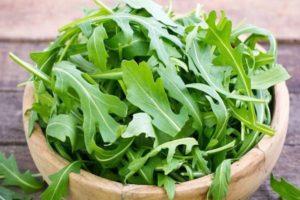
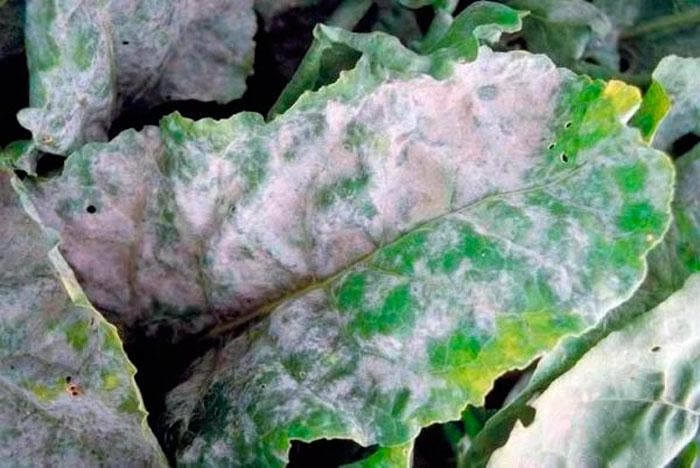
The disease manifests itself on the leaves, which become covered with a rough white coating. Plant growth slows and then stops completely. Foliage affected by powdery mildew darkens and falls off. Rhubarb plants fail to bloom and die in winter.
Rust
This disease is unmistakable. Small, raised, rust-colored growths, like pads, appear on the leaves. These growths harbor fungal spores. When they fully mature, the growths rupture. The parasites spill out, fall into the soil, and infect other plants.
Pests of crops
Rhubarb is one of the earliest plants to ripen, so it's often attacked by insect pests. There are plenty of people eager to feed on the succulent greens.
Rhubarb weevil
This pest is very resilient, so it quickly adapts to life wherever rhubarb grows. The body length of a mature beetle is about 6 mm. Its upper body is covered with grayish scales, and the elytra located on the sides are lighter.
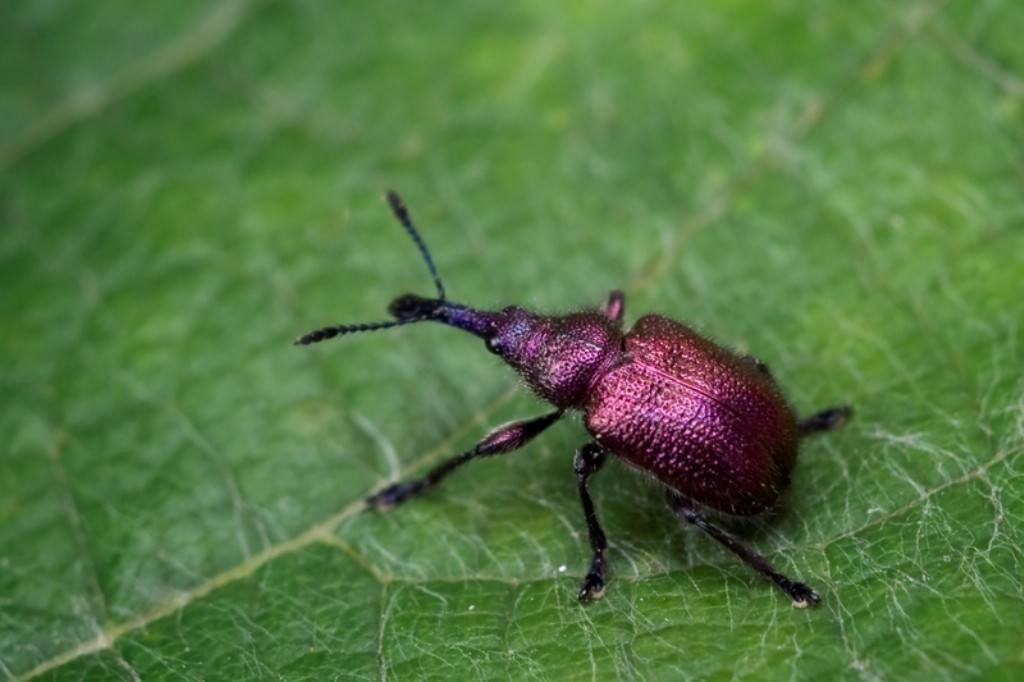
Females lay dirty yellow eggs on leaf petioles. In the spring, mature insects feed on buckwheat and sorrel foliage. There, they pupate. The adult pests migrate to rhubarb foliage.Under no circumstances should buckwheat and sorrel be planted next to rhubarb.
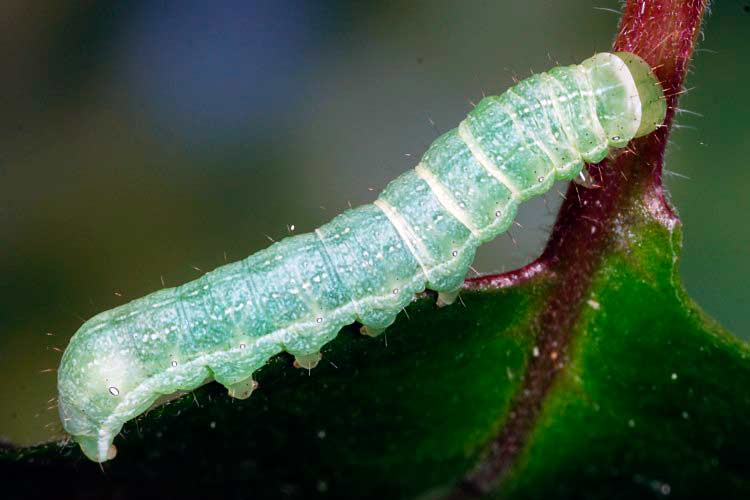
Potato moth caterpillars
This unsightly gray butterfly is seemingly harmless. But it's just as damaging as any natural anomaly. Potato moth It's prolific: a single female lays up to 75 eggs, from which caterpillars hatch in the spring. Over the course of a season, she can lay up to five hundred eggs, which easily survive the winter, hiding in the soil.
The potato cutworm attacks not only rhubarb but also onions, tomatoes, corn, garlic, and other garden crops. The cutworm is active at night and sleeps during the day. It feeds on leaf petioles, consuming the entire foliage, leaving only the veins. The insect lays its eggs on weeds, herbaceous plants with thick stems (burdock, thistle), and rhubarb petioles.
Rhubarb bug
The insect's body resembles a diamond. Its brightly colored abdomen gives it away. Its head has long, bright antennae. Rhubarb juice is the insect's food source. Traces of the bug's activity are visible on the plant's leaves as brown spots. Unlike other bugs, the rhubarb bug doesn't have a foul odor.
Flying from one plant to another and drinking the juices, bugs cause great harm to garden crops.
Methods of combating diseases and pests
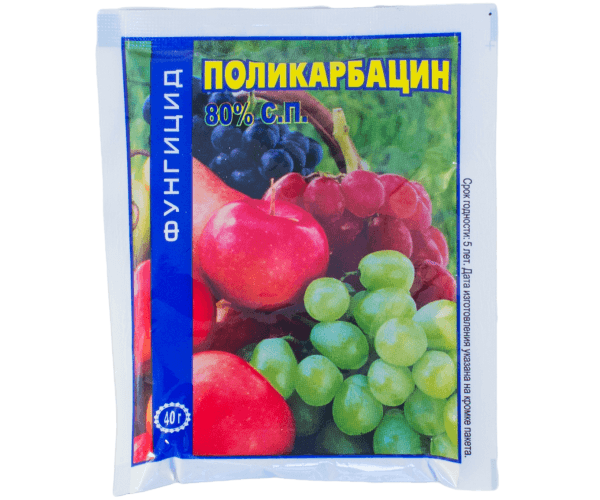
As soon as symptoms of a disease are detected, treatment cannot be delayed. For ramularia, rhubarb is sprayed with Bordeaux mixture or copper sulfate. Alternatively, you can use Captan, Polycarbacin, or any other copper-containing product. It's only worth treating the disease in its early stages. If a large portion of the plant is affected, it's best to remove it to prevent further infection.

The soil after uprooted bushes is thoroughly loosened and sprinkled with wood ash. If the petioles were simply cut, the remains are sprinkled with crushed charcoal.Diseased, removed plants are burned, since fungal spores remain viable for a long time on dead parts.
Powdery mildew is controlled with biofungicides:
- "Alirinom-B";
- "Gamair";
- "Planrizom".
Rust can be controlled with fungicides such as Topaz, Strobi, and similar products. First, cut off all diseased parts of the plant, then spray 2 or 3 times, 2 weeks apart. If weevils are found on the leaves, spray the rhubarb with Iskra, Akarin, or Fitoverm. You can also try a folk remedy first: spraying with potassium permanganate (5 grams per bucket of water).
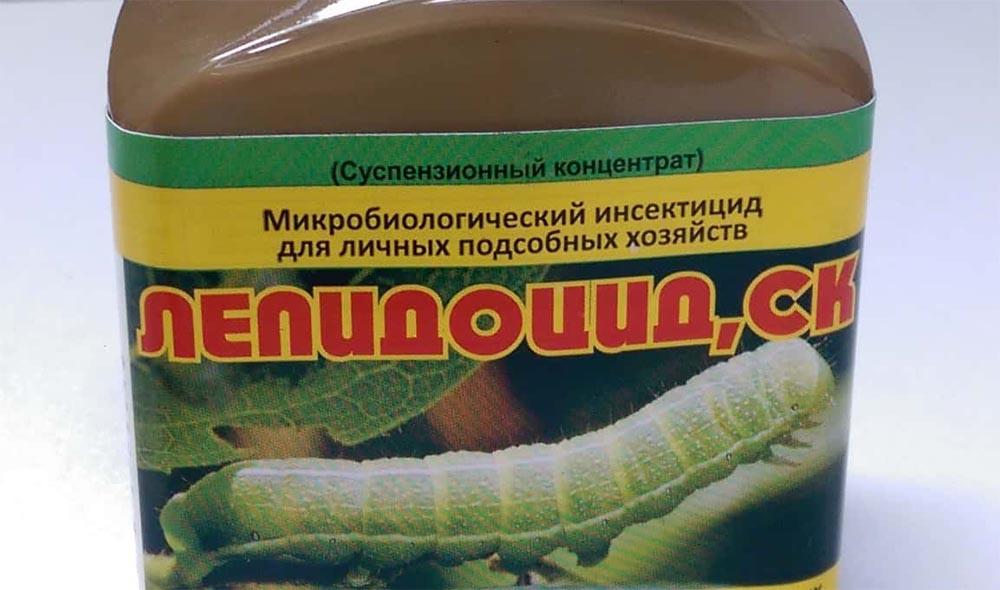
Cutworms are controlled with Lepidocid and Bitoxibacillin. These products are sprayed once a week. Specialty stores offer a wide selection of disease and insect control products. It's important to follow the instructions carefully. Getting rid of pests and diseases is more difficult than taking preventative measures.
 Treating rhubarb with chemicals is not recommended, as the leaves and petioles are eaten early. Toxic chemicals are sprayed after harvest.
Why do rhubarb leaves turn red?
Rhubarb leaves often turn red, just like the stems. This is caused by a nitrogen deficiency. Feed the rhubarb with a nitrogen fertilizer. Planting too close together can also cause foliage to turn red. The plants don't get enough ventilation and light. Red foliage is often caused by a fungal disease. If the redness is caused by a disease, the plant will dry out and die.
First, spray the bush with a weak solution of potassium permanganate or Fitosporin. If there's no effect, destroy and burn the plant. But before taking action, it's important to determine the cause of the reddened leaves.
Why does rhubarb turn yellow?
Sometimes rhubarb's green foliage turns yellow or even orange. The plant is experiencing a deficiency of mineral fertilizers, particularly nitrogen.
Take a look Also
There are many reasons for fasting:
- cold and rainy weather;
- the plant grows quickly, absorbing maximum nutrients from the soil;
- insufficiently developed root system.
You should feed the rhubarb with nitrogen by dissolving 2 matchboxes of ammonium nitrate in a bucket of water.
Preventive measures and treatments
To avoid diseases and attacks by harmful insects, preventative measures are carried out:
- Leaves affected by disease and parasites are removed and burned.
- The planting area is regularly cleared of weeds.
- Loosen the soil frequently and water on time.
- In the fall, the area is carefully cleared of plant debris, and the soil around the bushes is dug to a depth of at least a shovel blade.
To prevent fungal diseases, spray the area with Bordeaux mixture (2%) or copper sulfate in early spring. Ash or colloidal sulfur is used to prevent powdery mildew and rust, and these are sprinkled on the plants.
Maintaining proper growing conditions and care guarantees healthy plants and a good harvest. Gardeners advise against treating rhubarb with chemicals to avoid poisoning. However, if their use is unavoidable, it should be done after the last harvest (October, November). This is the main cause of all diseases. rhubarb is rooted in improper care plant.
Related posts:
 20 Best Rhubarb Recipes for Winter
 Simple recipes for making rhubarb compote with and without sterilization for the winter
 Growing and caring for rhubarb in open ground, how to plant and propagate
 The beneficial properties and contraindications of the rhubarb plant and its use in the treatment of diseases
 A step-by-step recipe for making rhubarb and banana jam for the winter
 Is it possible to freeze rhubarb at home for the winter and how to prepare and store it?
 11 Best Rhubarb and Orange Jam Recipes for the Winter
 Simple recipes for making banana jam for the winter