
- What is arugula and what does it look like?
- Suitable varieties for growing in the open ground at the dacha
- Cupid's arrows
- A curiosity
- Poker
- Olivetta
- Specifics of growing arugula
- Planting dates
- Preparing planting material before planting
- Preparing the soil for crops
- Scheme and process of planting in open ground
- What can I plant next to it?
- Further care of the plant
- Temperature
- Watering and fertilizing the crop
- Weeding and loosening the soil of arugula
- Is it possible to trim?
- Pests, diseases and methods of control
- Diseases
- Harmful insects
- Propagation of arugula
- Planting nuances in different regions
- Collection and storage of greens
- Potential problems when growing
- Conclusion
Many people think that vegetable gardens are only for growing vegetables, but this isn't true. Arugula, a herbaceous plant, has recently gained popularity. It's often used in cooking to create healthy dishes. Before planting this herb, it's important to understand the nuances of planting and caring for it outdoors.
What is arugula and what does it look like?
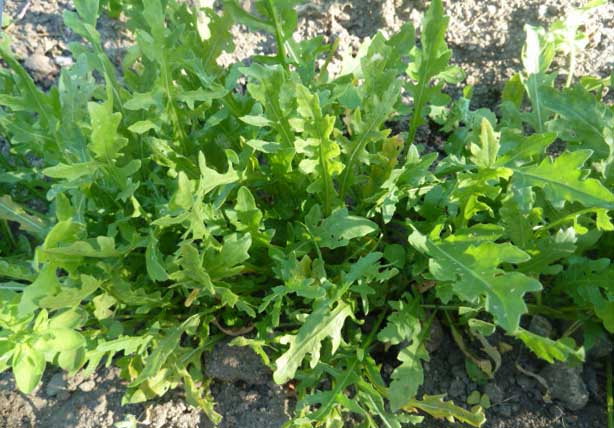
Arugula is a common herbaceous plant often grown by gardeners in both greenhouses and open ground. It's used in vegetable salads and other healthy dishes.
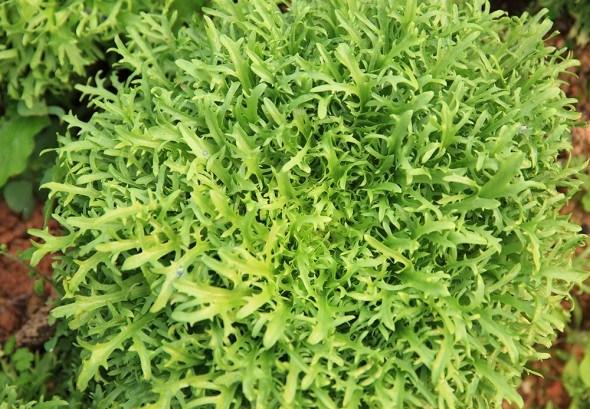
With proper care, the greenery grows to 40-50 centimeters in height. It has a straight stem with small green leaves. In late spring, small inflorescences appear on the stems, which can be purple or yellowish in color. In June, brownish pods form on the seedlings.
Suitable varieties for growing in the open ground at the dacha
There are four common varieties that are recommended for planting and growing at home.
Cupid's arrows
Some gardeners choose to plant and grow Cupid's Arrows in their gardens. This compact, low-growing variety can grow up to thirty centimeters. Therefore, some people grow them in compact pots, boxes, and other containers. Cupid's Arrows bushes have upright stems with an elongated rosette at the base. During flowering, arugula displays yellow flowers.
The growing season lasts one and a half months. During this time, the harvest is collected..
A curiosity
The Dikovinka is suitable for those who enjoy planting and growing miniature herbaceous plants. Even with proper care and greenhouse cultivation, the seedlings will not grow taller than twenty centimeters. The plant has a pubescent, upright main stem with oval leaves. Flowering begins in late May, when cream-colored flowers bloom on the seedlings.
The grown bush is most often used in cooking, as an additive to salads.
Poker
This is another common, low-growing arugula variety popular among gardeners. Poker's main characteristic is its early ripening. The plant fully matures 20-25 days after the first leaf forms on the seedling. If planted and grown in a well-lit area, the seedlings will become covered in large, greenish foliage.


Poker blooms begin in May and continue until early July, when all the flowers on the seedlings have faded.
Olivetta
This versatile herbaceous plant can be grown both in the garden and indoors. Seeds are sown in mid-April, so that the seedlings will begin to bloom by the end of May. Olivetta, like many other varieties of arugula, is low-growing. The bush only reaches 17-18 centimeters. Therefore, some gardeners choose to plant them in special containers.
The main difference between Olivetta and other varieties is the bitter taste of the leaves with a slight nutty aroma.
Specifics of growing arugula
It's important to familiarize yourself with the plant's sowing recommendations. Only proper agricultural practices will help you plant and grow healthy seedlings.
Planting dates
First, it's important to understand the best time to plant the plant. Arugula's advantage is that it can be planted several times during the season. Experts recommend starting the process when the top layers of soil have warmed to 15 degrees Celsius. Planting seeds in cold soil is contraindicated, as this will slow the growth of the seedlings.
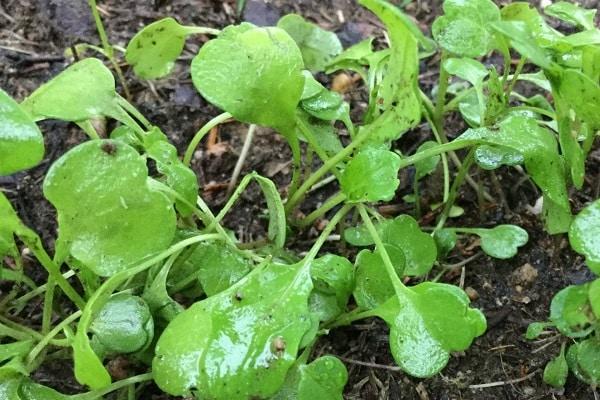
Many people start planting in April, but some do it in July. Arugula is planted in the summer so it has time to ripen by September.
Preparing planting material before planting
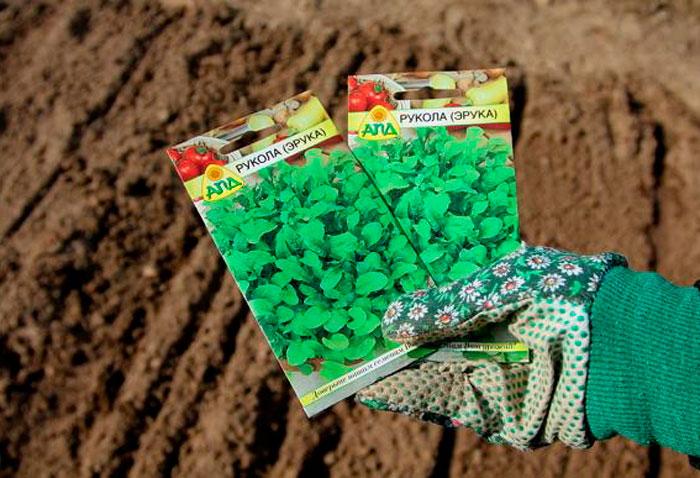
Before planting seeds, they need to be prepared. Experts recommend disinfecting the seed beforehand to ensure it is free of pathogens. A weak solution of potassium permanganate is suitable for disinfecting seeds. Soak the seeds in the prepared potassium permanganate mixture for no more than fifteen minutes. Then rinse them in water and dry them on a towel.
It is not necessary to treat the seeds with growth stimulants, as they germinate well without them.
Preparing the soil for crops
Arugula should be sown in the most suitable location. Seedlings should not be planted in the shade, as they thrive in sunlight. Therefore, it is recommended to choose locations with good sunlight. Also, when choosing a site for planting and growing the plants, consider the soil characteristics.
Soil suitable for arugula should have the following characteristics:
- high fertility;
- looseness;
- low acidity level.
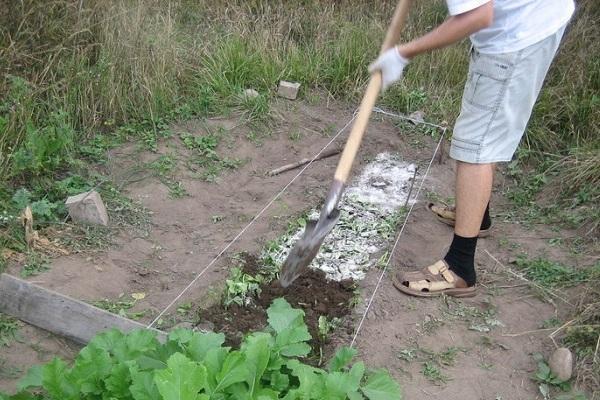
Before planting, the area is dug up and fertilized with organic matter and mineral compounds.
Scheme and process of planting in open ground
Before planting arugula in your garden, you need to understand the key aspects of planting. Sow the seeds in pre-dug holes. Experts advise against making them too deep, as this will delay the first shoots from appearing. Each hole should be no more than two centimeters deep. Space them about forty centimeters apart. Avoid planting the seedlings too close together to prevent them from shading each other.

What can I plant next to it?
The growth of planted seedlings is influenced by nearby plants. Therefore, before growing arugula, it's important to consider what plants it can be planted next to. Experienced gardeners recommend planting this herbaceous plant near carrots, mint bushes, celery, dill, onions, and potatoes. Planting near strawberry bushes is not recommended, as arugula grows more slowly there.
Further care of the plant
We need to figure out how to properly care for seedlings so that they grow better.
Temperature
To extend the growing season, monitor temperatures. Optimal temperatures are considered to be 14-15 degrees Celsius. Lower temperatures will significantly slow down seedling development.
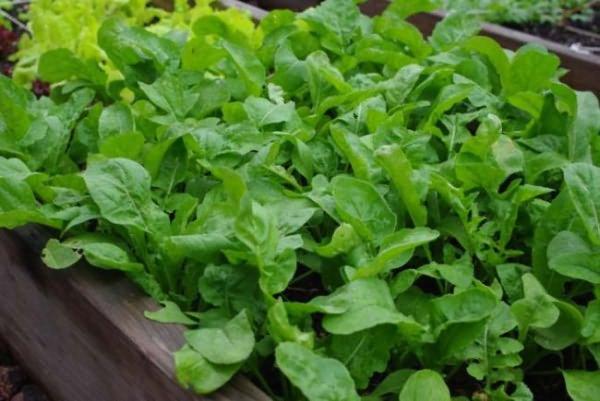
Therefore, seeds are planted in mid- to late spring, when the air and soil have warmed up well. Even short frosts can kill arugula.
Watering and fertilizing the crop
This herbaceous plant thrives on moisture and therefore requires regular watering. To prevent the soil from drying out, water it at least four times a week. When watering, use water warmed to room temperature.
Fertilizer should also be added to the soil periodically. Arugula is fed with mixtures made from manure and chicken manure.
Weeding and loosening the soil of arugula
To improve the growing process, you'll need to regularly loosen the soil around the planted seedlings. This should be done after each watering to prevent the soil from becoming crusty.
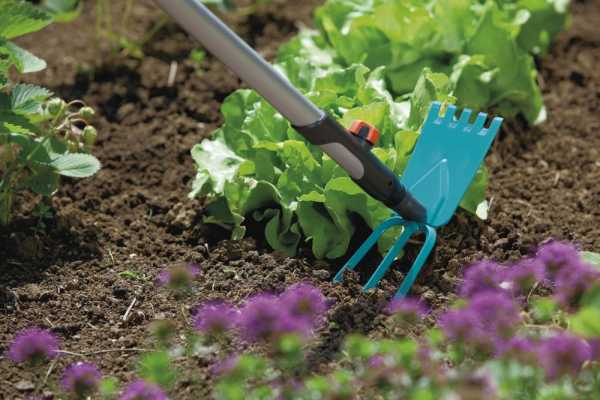
You also need to regularly weed the area and clear it of weeds. Weeding should be done at least once a week. If you don't weed the area, it will become overgrown with weeds, which are the main carriers of fungal diseases.
Is it possible to trim?
Many people who haven't grown arugula before wonder whether they can prune it. To promote better growth, large rosettes will need to be completely pruned. Small rosettes are pruned only partially, not completely. In summer, the procedure should be carried out in the morning or in the evening.
Pests, diseases and methods of control
Arugula, like many other herbaceous plants, is susceptible to pests and diseases. Only timely treatment of newly planted plants will help protect them from insects and diseases.
Diseases
The plant often suffers from fungal diseases, which can develop in moist soil. Yellowing of the stem and wilting of the leaves indicate the development of the disease. Small white blisters may also appear on the surface of the foliage. At the first signs of disease, all infected plants should be treated with antifungal agents.

Harmful insects
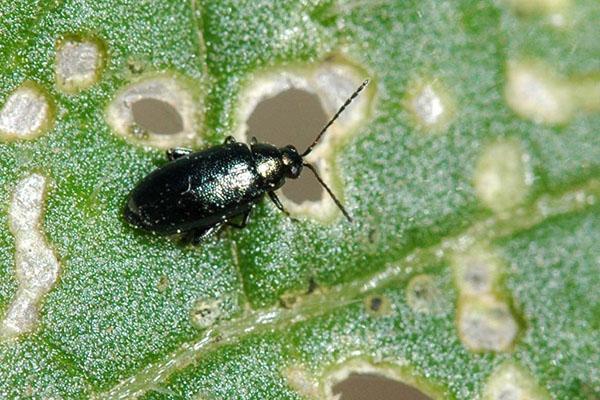
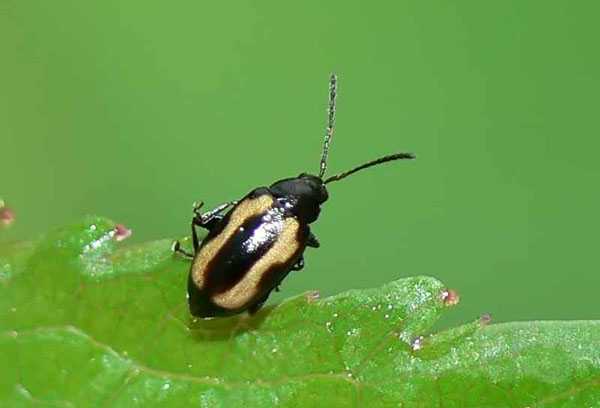
If seedlings are grown outdoors, they are susceptible to attacks from midges and other pests. To protect them from being eaten, treat them with solutions of dried wormwood. Potato and tomato tops can help combat flea beetles.
Propagation of arugula
Many gardeners propagate the plant by seed. To do this, seeds are collected from the grown seedlings in the summer and stored in a warm room until spring. In the spring, the collected seeds are disinfected, soaked, and planted outdoors.
Planting nuances in different regions
Planting arugula varies by region. In the Moscow region, planting and growing this plant is fairly easy. Simply sow the seeds in April or May and wait for them to germinate. In Siberia and other northern regions, growing arugula is more challenging due to climate conditions. It will need to be covered with special materials to protect it from frost.
Collection and storage of greens
It's crucial to harvest the greens promptly, as they turn yellow and lose flavor over time. Even though the harvesting process is very simple, it's still important to familiarize yourself with it. The leaves must be cut carefully to avoid damaging them.
You cannot tear off leaves with your hands; it is better to use a sharpened knife or scissors for this.
Seeds are also collected during leaf cutting. They can be collected until the end of summer.
Potential problems when growing
Sometimes a planted plant bolts. This happens when seedlings are grown improperly. If the leaves are covered in small holes, it means the seedling is lacking nutrients and moisture. Diseases and pests can also cause problems during cultivation.
Conclusion
Some gardeners decide to plant arugula in their gardens. Before cultivating such seedlings, it's important to understand the popular varieties and how to plant and grow them.
Related posts:
 Description of perennial arugula varieties for open ground and cultivation features
 Can you freeze arugula at home and how can you preserve it for the winter?
 How to grow arugula at home on a windowsill: planting and care
 Rules for growing tomatoes in open ground, choosing a variety, planting and care
 Description and characteristics of the best seeds of pea varieties and types
 How to propagate and grow peas, cultivation technology, and care in open ground
 Description of varieties of sowing peas and cultivation, to which family they belong
 How to properly plant peas in a greenhouse and open ground