
Arugula is native to North Africa and South Asia, Central Europe, and the Americas. This plant, a member of the Indau genus, has a branched stem and fleshy leaves, dissected at the base. The inflorescences resemble a raceme. The brown seeds are arranged in two rows within the pod. Perennial varieties of arugula are cultivated in Italy, where the herb is added to pizza. In Slovenia, it is used in chebureki (fried dumplings). The leaves, with their distinctive aroma, are used as a seasoning. Mustard is made from the seeds.
Description and beneficial properties of arugula
A plant from the Brassicaceae family, also known as eruca, indau, and rocket salad, it's rich in vitamins, zinc, iron, magnesium, and calcium. These components are easily absorbed because the herb contains virtually no oxalates.
When using arugula:
- Oxygen saturation of tissues improves.
- The amount of cholesterol in the blood decreases.
- The risk of developing osteoporosis is reduced.
The above-ground portion of arugula contains alkaloids and glycosides of quercetin and kaempferol. The seeds contain essential oils, oleic acid, and linoleic acid.
Sulfurane prevents the formation of malignant tumors, and chlorophyll reduces the effects of carcinogens. Lipoic acid promotes the elimination of toxins, normalizes glucose levels, and protects the body from dehydration.
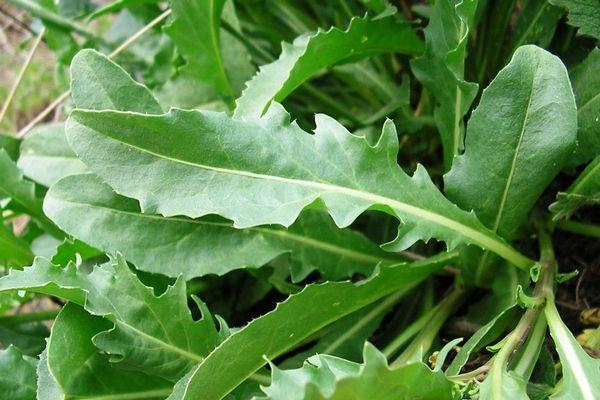
Arugula leaves act as a diuretic, improve digestion, and help combat anemia. The flowers, which appear as early as May, have an antimicrobial effect. Arugula contains no more than 25 calories per 100 grams, making a salad made from the leaves a healthy choice for those looking to lose a few pounds. Indau, which grows on the Adriatic coast, contains a lot of iodine, but arugula grown in central Russia has no more of this nutrient than other garden crops.
Arugula varieties
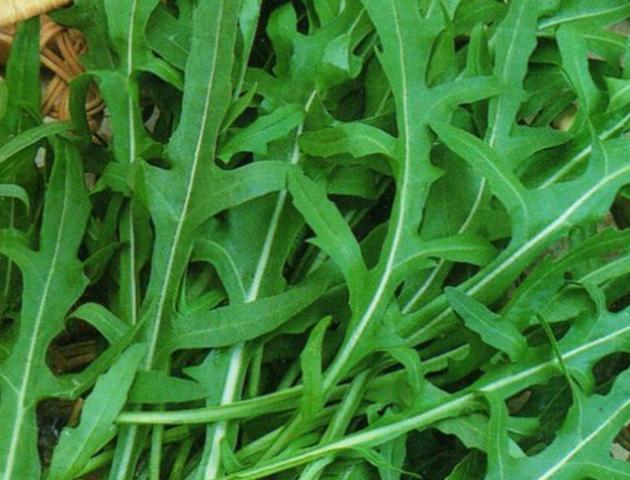
Arugula bushes, like some other Brassicas, have leaves that form a rosette at the base and can have a glossy or downy surface. The shape varies depending on the type of herb. Stems rarely reach 60 cm in height. The flavor of the herb depends on the variety, but almost all have a mustard-like spiciness and a spicy aroma.
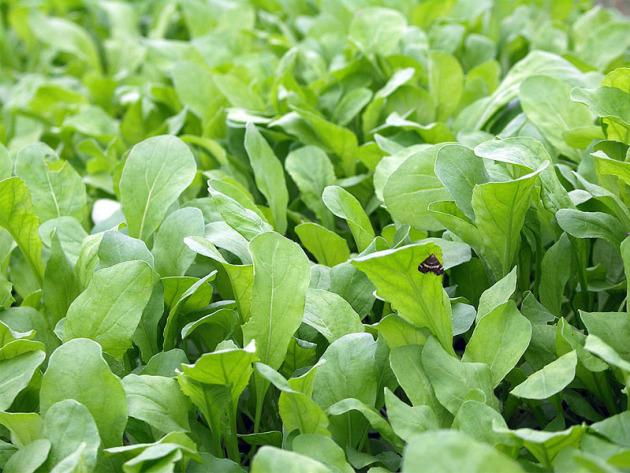
In the wild, indau is an annual herb, but various varieties are now cultivated that are perfect for open ground. It can even be planted on a windowsill and harvested after 25 days.
Arugula does not like acidic soil, loves light, and in its cultivated form is a perennial.
In the south and even in the Moscow region, eruca seeds are sown directly into open ground; in the northern regions, they are first planted in a greenhouse or hotbed.
The best early varieties include:
- Olivetta;
- Victoria;
- Rocket;
- Poker.
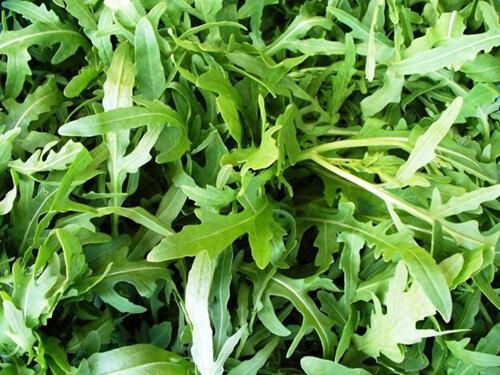 Overripe leaves are unsuitable for consumption because they are too tough. The herb has a very short growing season, no more than 35 days for mid-season varieties and 25 for early varieties.
Take a look Also

Cupid's Arrow Variety
The plant's seeds ripen three weeks after sprouting, and are collected and replanted. The leaves are cut as early as May, and harvesting is completed in September or October. The erect stems of arugula, known as Cupid's Arrow, barely reach 30 cm. The flowers are yellow and attract bees with their scent. The bushes have a unique shape, somewhat reminiscent of a dandelion.
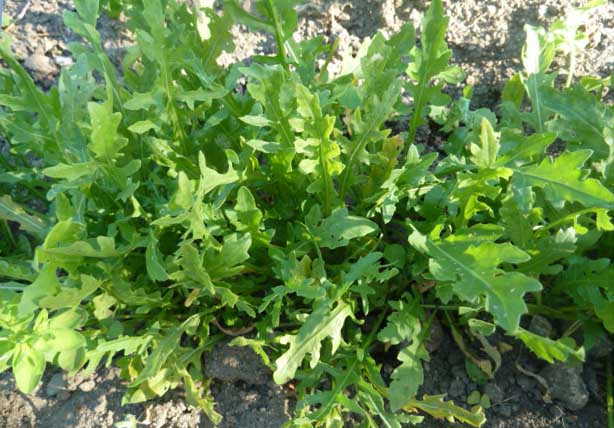
The carved and long leaves of Cupid's Arrows, gathered in a rosette, ripen on the 35th day after the sprouts emerge.
Dikovina variety
This mid-season eruca is prized for its pungent yet pleasant flavor and is used in a variety of dishes. The straight stem of the indau is only 20 cm. The variety description specifies a growing season of one month. The leaves of the Dikovina have a unique shape, gathered in a rosette. The plant's flowers are creamy.
Olivetta variety
Only with proper care does arugula accumulate minerals and acids, vitamins, and essential oils. The amount of nutrients decreases if the herb is overripe. Olivetta is considered an early variety. The greens ripen in three weeks. Arugula plants grow no more than 20 cm tall.
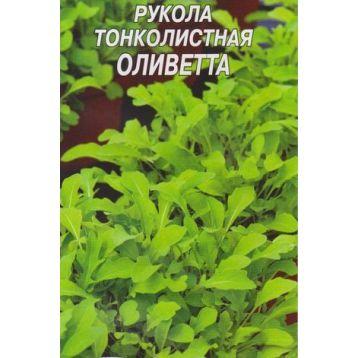
The leaves differ:
- oval shape;
- bright green color;
- the smell of nuts.
The bitter taste and spicy aroma give the arugula sauce a piquant flavor.
Rocket variety
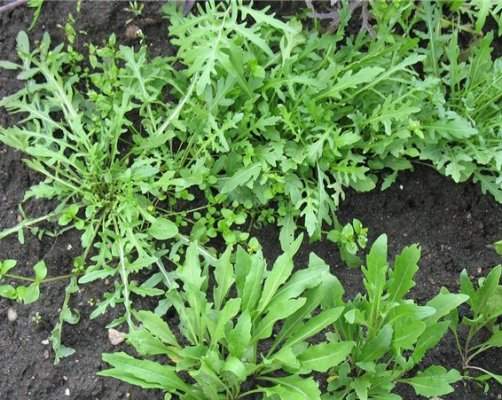
On low-growing plants, the greens ripen even earlier than three weeks after the barely noticeable sprouts emerge from the ground. The jagged leaves of the Rocket variety are rounded at the edges and form a rosette at the base. They are dark green in color, with a hint of walnut in the flavor.
Victoria variety
Arugula isn't just used in salads; its leaves are added to sauces and soups, used as a seasoning, and used as a filling for pies. Regular watering helps reduce its bitterness. The growing season for Victoria arugula lasts no more than 25 days. Neat bushes of arugula are formed by short, straight stems. The oval-shaped leaves contain many beneficial compounds.
Poker variety
The greens of this early arugula are harvested 21 days after the seeds sprout. The stems reach only 20 cm in height, like many other varieties. Poker has large, elongated leaves of a rich color. The sweet flavor balances well with the bitterness.
Solitaire variety
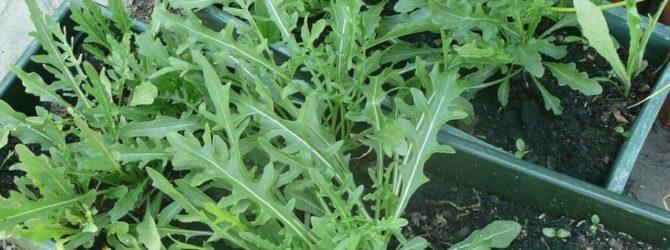
Arugula, with its unusual name for a plant, doesn't ripen in three weeks like early Indau varieties; its growing season lasts up to 40 days. The long, dissected leaves of Solitaire are not only used in salads and sauces, but also make an excellent condiment. They are beautifully crafted, with a smooth surface and a semi-erect rosette weighing about 45 grams. Up to 1.6 kg of yield can be harvested per square meter. The nutty aroma of this Mediterranean herb adds a touch of flavor to pies and main courses.
Spartak variety
Eruca is grown not only in vegetable gardens but also thrives indoors. In a greenhouse, harvesting can be done year-round, not just three times a season. The growing season lasts less than three weeks. The leaves of the Spartak variety are rich in essential oils and vitamins.
How to Grow Arugula
In temperate climates, eruca is cultivated using several methods. The most convenient method is to sow the seeds directly in the garden. Sowing begins when the soil warms to at least 9°C. At lower temperatures, seedlings will not appear. Favorable weather for agricultural work usually begins in early April, but sometimes it doesn't arrive until May.
It is better to sow seeds of early, rather than late, arugula varieties into the soil, since after 3 weeks they can already be cut and planted again in the garden bed.
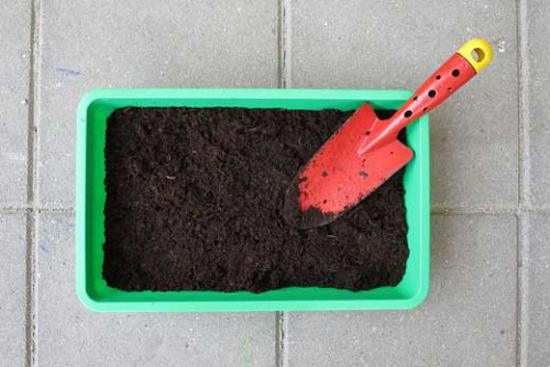
This method of growing grass is not suitable for regions where spring arrives late and is not blessed with warm temperatures and sunshine. In a heated greenhouse, the soil is dug up beforehand, weeds are pulled out by the roots, and the soil is watered with boiling water, which helps kill fungal spores and microbes. Seeds are sown in rows up to 40 cm wide. Leaves are harvested in spring, winter, and fall.
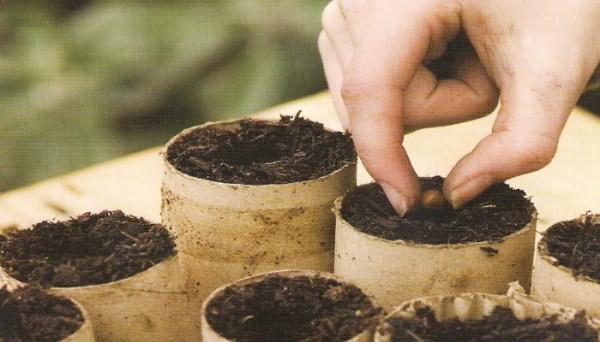
To speed up harvesting in temperate climates, seedlings are first grown in boxes, cups, or pots. Arugula sprouts quickly and uniformly, with shoots appearing within 4 or 5 days. Therefore, the seeds, without soaking, are placed in garden soil or potting mix to a depth of 12–15 mm. Seedlings with two leaves are pricked out using peat moss. Once grown, the arugula is placed in the garden bed along with the soil, spaced every 15 to 20 cm at most.
Indau can be grown on a balcony or windowsill at temperatures above 18°C, sowing the seeds in a different container each time. The fresh leaves can be harvested repeatedly. In hot, sunny weather, the plant blooms quickly, and most of its leaves can be cut back. growing arugula on a windowsill Sowing begins in early spring, at the end of June or the beginning of July, and also in August. The harvested seeds are planted to a depth of 10–15 mm.
Rules for caring for arugula plantings
Although Mediterranean grass is considered easy to grow, it requires proper care and proper maintenance to ensure its foliage accumulates trace elements and vitamins. It's best to purchase eruca seeds from a specialist retailer first, then harvest them yourself. In the wild, this plant grows in warm climates. Temperatures below 18°C (64°F) will prevent the grass from growing well.
Some varieties can withstand temperatures as low as -7°C (44°F), but if these temperatures persist for several days, the eruca will die. When frost returns, the beds should be covered with agrofibre or plastic. This southern plant loves water; the soil should be watered daily, twice a day in hot weather. If the soil is not constantly moist, the leaves will become bitter and unfit for consumption.
To ensure the roots receive sufficient nutrients and oxygen, the soil should be loosened after watering, regardless of whether the arugula is growing in the garden or on the balcony. Fertilize arugula only once during the growing season with chicken manure, which contains nitrogen. Arugula requires no other nutrients. Using mineral fertilizers causes the leaves to become saturated with toxins, accumulate nitrates, and cause harm instead of benefit. Such substances don't have time to evaporate during the short growing season.
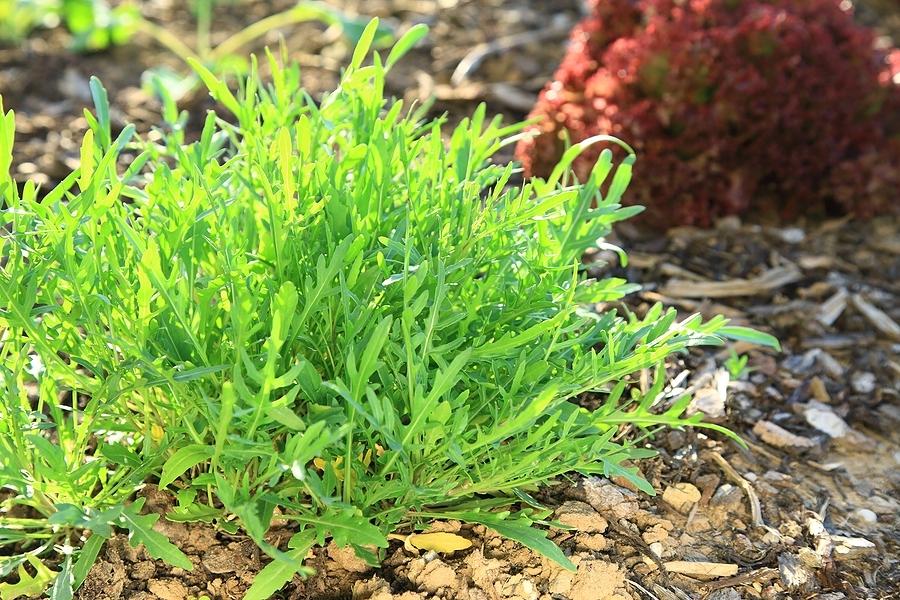
If the herb is growing in fertile soil, it's best not to fertilize it at all to avoid ruining the flavor. If the leaves lack the necessary nutrients, essential oils and minerals will not accumulate. Arugula doesn't tolerate acidic soil; lime should be added to the soil before planting any variety. To ensure good harvests of arugula in open ground, crop rotation rules must be followed.
The best predecessors for salad grass are:
- beans and kidney beans;
- pumpkin and carrots;
- potatoes and tomatoes.
Avoid planting arugula after Brassicaceae. They are all susceptible to the same diseases, the pathogens of which remain in the soil. Fungi cause chlorosis, which causes yellowing of the leaves and brown streaks on the stems. Weed control and crop rotation help prevent spore propagation.
The lush foliage of the eruka plant attracts insects. The plant suffers from the cabbage moth. To combat this leaf-eating pest, dig the soil deeply, collect and burn the pupae, treat the plant with Karbofos, and spray the plant with infusions made from potato tops and wormwood.
Cruciferous flea beetles feed on the tasty greens of arugula. To kill the insects, set traps, treat the greens with trichlormetaphos emulsion, and carefully till the soil. Arugula leaves are added to hot dishes at the end of cooking, as their pleasant flavor and exquisite aroma are lost during prolonged cooking. Fresh arugula will not wilt if stored in a cool place for several days.
Related posts:
 Can you freeze arugula at home and how can you preserve it for the winter?
 Planting and caring for arugula in open ground, description of the best varieties and their cultivation
 How to grow arugula at home on a windowsill: planting and care
 Is it possible to soak treated cucumber seeds before planting and how to do it correctly?
 What is basil and what does it look like, description of varieties and where it grows
 The best eggplant varieties for growing in a polycarbonate greenhouse: planting and care
 Causes and treatment of eggplant pests and diseases, how to combat them at home
 Carrot care guidelines for outdoor cultivation to ensure a good harvest