
Traditional medicine is an alternative to traditional treatment that utilizes natural products for healing or disease prevention. With the advancement of technology, healing folk recipes have been lost, but progress has shown that not everything new is beneficial. Most people increasingly prefer a healthy lifestyle and treatment with natural products and plants. Therefore, they choose plants with beneficial properties, such as artichoke, but it should be consumed with caution, as it has contraindications.
Description of the plant
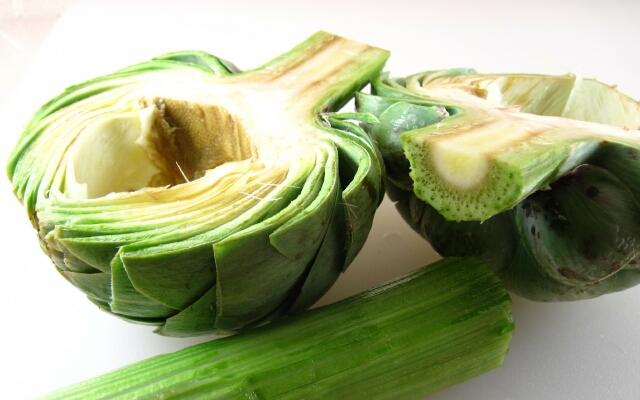
The artichoke is a favorite plant of Italians and Spaniards, and is included in most recipes. It is a perennial herbaceous plant belonging to the Asteraceae family, with Latin names Cȳnara and English names Artichoke, Italian names Articicco, Carciofo, and Arabic names Al-khurshūf (الخرشوف). The artichoke has many other common names, including kinara, foreign sedge, and Sicilian cactus. In some countries, it is considered a weed due to its rapid spread. It is classified as a vegetative vegetable and a dessert vegetable.
Description:
- The root is hard, spindle-shaped, long, powerful, thick.
- The stem is erect, grey-green, reaching a height of 0.5 m to 2 m, with branched shoots.
- The leaves are large, pubescent below, white-green, light green above, pinnately dissected.
- The flowers are collected in large inflorescences, which are grouped into green scales, with a blue-violet or blue tip, up to 7.5 cm in diameter, and weighing up to 350 g. The flowers are bisexual and self-pollinating. They bloom in mid-July to early August.
- The fruits are seed plants with ovoid, oblong seeds, grey in colour with black stripes, reaching 7 mm in length.
Artichoke grass is propagated using:
- Seeds.
- Branches.
- Root suckers.
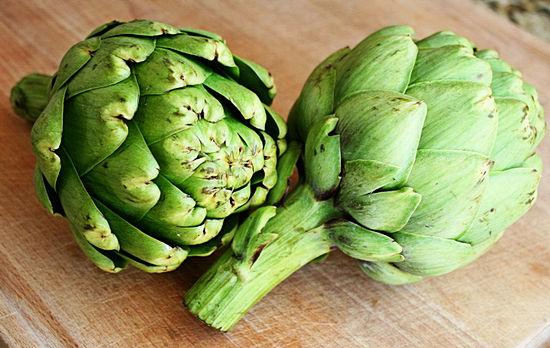
The field artichoke has several species and dozens of varieties:
- Handsome man.
- Roman violet.
- Green globe.
- An overseas delicacy.
- Early purple.
The artichoke's origin is the Mediterranean region, and it was brought to Russia during the reign of Peter the Great as an ornamental plant for gardens. Its beneficial properties were later discovered, and it began to be used in medicinal practices in the 18th and 19th centuries. It was used to make infusions, extracts, juices, pulps, and beverages. It was used to treat scurvy, rheumatism, and jaundice, and as a diaphoretic, diuretic, and choleretic agent. The leaves, roots, and young, unblown flowers are used to prepare medicinal mixtures.
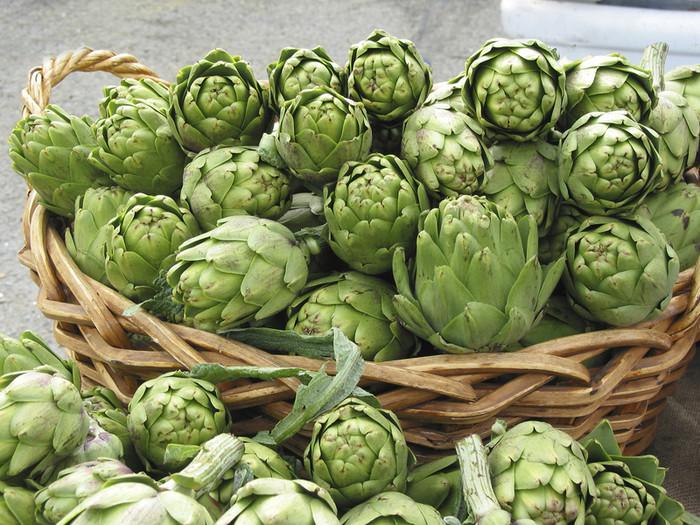
The benefits and harms of artichoke
The benefits and harms of artichoke were identified by ancient physicians as early as the 5th century, making it possible to treat most ailments of the time. This is due to the plant's rich chemical composition.
| Compound | Fresh grass, quantity per 100 g |
| Caloric content | 28 kcal |
| Squirrels | 1.2 g |
| Fats | 0.2 g |
| Carbohydrates | 6 g |
| Dietary fiber | 0.5 g |
| Ash | 1 g |
| Water | 90 g |
| K | 238 mg |
| Ca | 15 mg |
| Fe | 0.4 mg |
| Mg | 10 mg |
| Mn | 0.21 mg |
| Ph | 35 mg |
| Na | 130 mcg |
| Cu | 16 mg |
| S | 0.2 mg |
| Zn | 0.3 mg |
| Organic acids | 0.1 g |
| Starch | 0.5 g |
| Mono and disaccharides | 5 g |
It contains vitamins A, B vitamins (B1, B2, B6, B9), C, PP, as well as chlorine, boron, aluminum, cobalt, molybdenum, and fluorine. The inflorescences and leaves contain acids—caffeic, ascorbic, glycolic, and glyceric—essential oils, polysaccharides, glycosides, and cynarin.
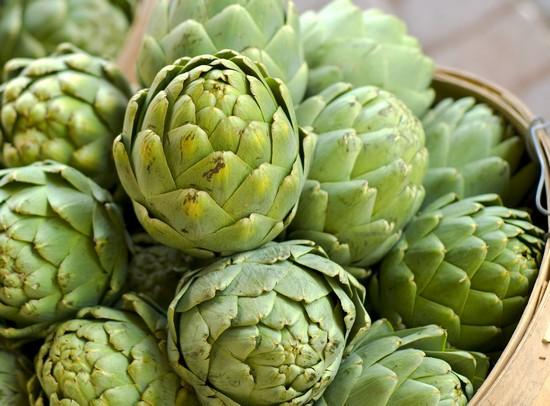
Beneficial properties for the human body:
- Improves gastrointestinal function, normalizes digestion, increases appetite, improves intestinal motility and cleanses the intestines of waste and toxins.
- Normalizes the functioning of the cardiovascular system, improves blood and oxygen circulation in the vessels, and reduces cholesterol and blood sugar levels.
- Improves metabolism, stimulates cells to regenerate.
Artichoke consumption is beneficial for human health, and it is used in pharmaceuticals. It is used to make medicines and is added to medications.
Consuming the plant in large quantities and over a long period of time can be harmful to the body and cause: diarrhea, vomiting, nausea, stomach pain, gas formation in the intestines, decreased blood pressure, heartburn, and exacerbation of gastritis.
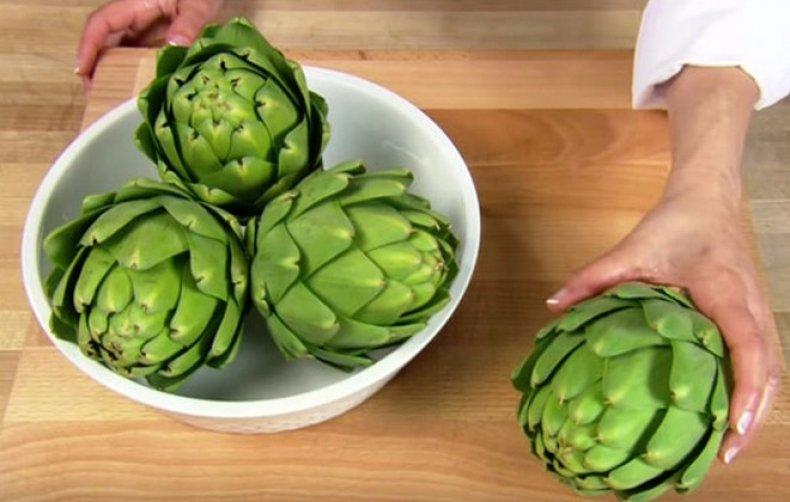
Artichoke for women
Since ancient times, the benefits of artichoke consumption for women have been noted, and modern nutritionists have proven this:
- It helps to normalize the functioning of the reproductive organs, as well as blood pressure in the pelvic organs.
- It contains an aphrodisiac that makes a woman more attractive and increases sexual desire.
- Increases the chances of getting pregnant.
- Helps the body's cells renew themselves, which improves complexion, increases skin elasticity, and renews the body.
- It's included in weight loss products. It contains fiber, which helps normalize digestion and remove toxins from the intestines, promoting weight loss and reducing subcutaneous fat, especially in the abdomen and hips.
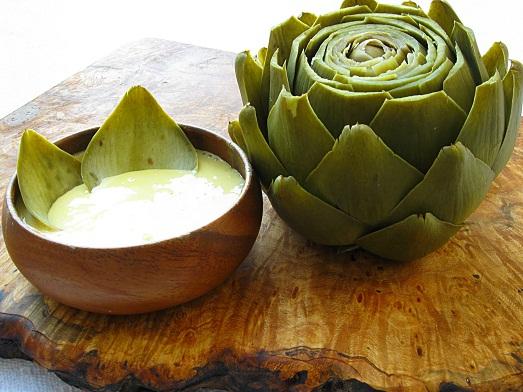 Using juice or decoctions from the plant to rinse your hair helps renew the scalp and stimulate hair growth.
Ways to use artichoke
Medicinal preparations in the form of extracts, juice, tablets, capsules, and tea are taken orally according to instructions or mixed with creams for external use. Artichoke is also used in cooking, as a compress, and for gardening.
Artichoke extract
Artichoke extract from a Vietnamese manufacturer is available in capsules or thick resin form on store shelves and in pharmacies. It is used to restore liver function, during the post-operative period, to cleanse the gallbladder and gallbladder ducts, and to purify the blood of cholesterol. It is recommended for patients who frequently experience stress, nervous breakdowns, depression, constipation, and acne.
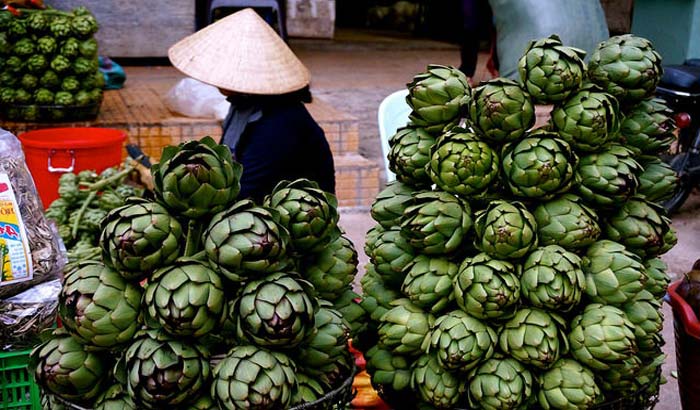
The resin should be diluted (4 parts per teaspoon) in a glass of warm boiled water and taken half an hour before meals three times daily. Use the remedy for two weeks, after which a break is required.
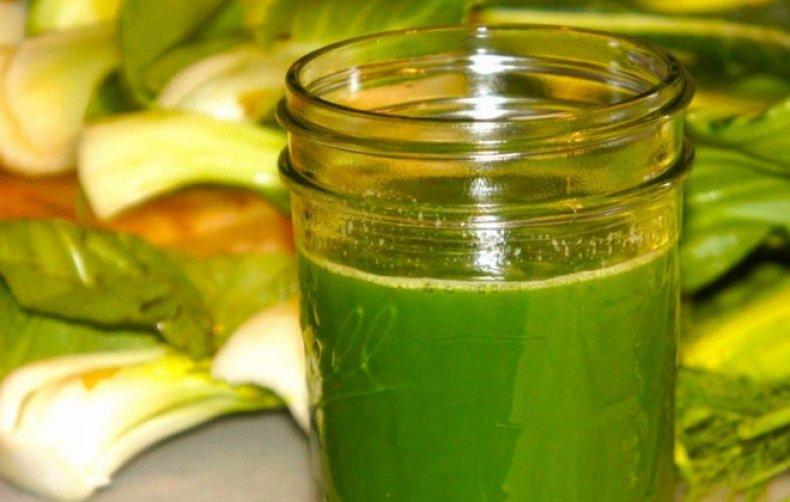
Artichoke juice
Artichoke juice has numerous beneficial properties due to its concentrated nature. It is used to improve sexual function, and also as a diuretic, antipyretic, and choleretic agent. The juice is used as a mouth rinse for both the treatment of illnesses and for preventative purposes.
It's best to squeeze the juice before drinking. Finely chop the leaves or inflorescences, grind them in a meat grinder, and squeeze them through cheesecloth. The concentrated drink can cause diarrhea. Take 50 g twice daily for two weeks, adding a teaspoon of honey or sugar.
Artichoke extract
The plant extract is sold in liquid, capsule, and tablet form. It has the following properties:
- Hepatoprotective.
- Antioxidant.
- Choleretic.
- Diuretic.
- Membrane stabilizing.
- Detoxification.
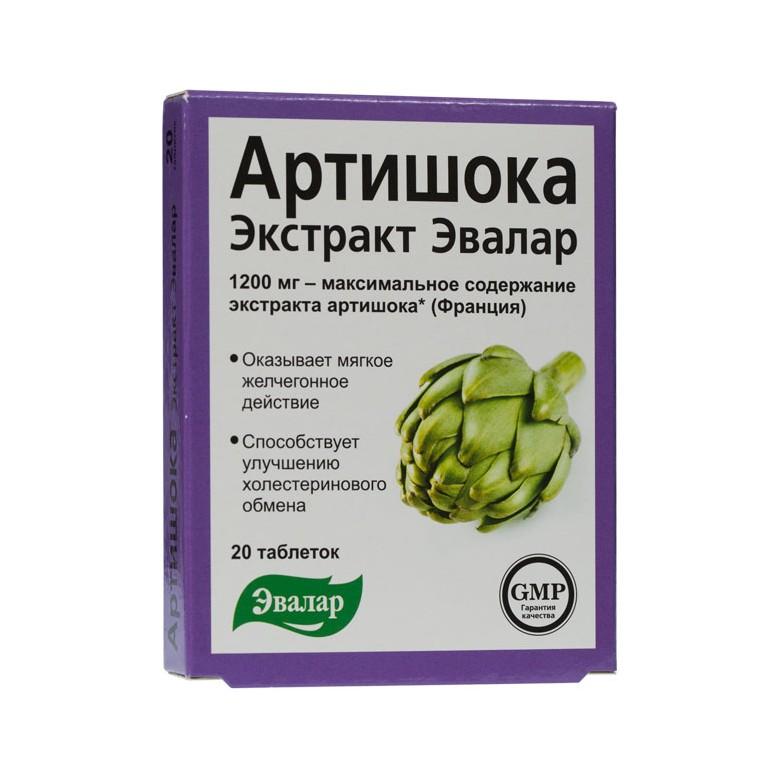
It is used for diseases of the liver, biliary tract, obesity, urolithiasis, hepatitis, and neuroses.
Artichoke tea
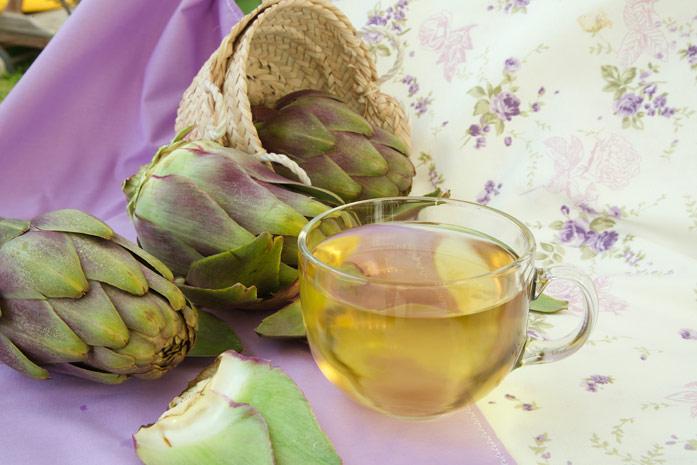
This tea is recommended for preventing bile stasis, bladder and kidney stones, and cholesterol plaque formation, and as an immune stimulant. Brew 2 tablespoons of dried artichoke in 200 ml of boiling water in a mug or teapot and let steep for 5-10 minutes. You can add sugar, honey, or mix it with black tea in equal parts.
Artichoke in folk medicine
In folk medicine, the roots, leaves, and inflorescences are used in the form of decoctions, tinctures in water or alcohol, and compresses. Thanks to its medicinal properties, artichoke not only treats gastrointestinal, cardiac, renal, and vascular ailments but also has a general tonic effect. Compresses are used for rheumatism, arthritis, and radiculitis, applying a gauze bandage with the mixture for 1-2 hours, or in some cases overnight.
The decoction is used to cleanse the face of rashes, wiping it morning and evening.
Alcohol infusion is used to treat oral diseases: periodontosis, gingivitis, stomatitis, periodontitis, gumboil.
Contraindications and side effects
Side effects may occur in case of individual intolerance in the form of allergic rashes, diarrhea, nausea, vomiting, abdominal pain.
Artichoke is contraindicated:
- In case of liver diseases in the acute phase, also blockage of ducts and the presence of stones, liver failure.
- In case of renal failure, the presence of stones in the kidneys and bladder.
- Children under 12 years of age.
- Gastritis with low acidity.
- Low blood pressure.
Before using any form of medicine from artichoke or in fresh form, you should consult a specialist.
Doctors' opinion
Most doctors recommend taking artichoke as an adjunct therapy for treatment, but in strict accordance with the instructions and in short courses. Although some skeptics note that sometimes other concomitant diseases arise while taking artichoke extract or infusion, the general opinion of doctors about the properties of artichoke is positive. It successfully treats hypertension and cleanses the liver, kidneys, and blood vessels. To keep the plant always on hand, you can grow it in your own garden, use it in cooking, and dry it for the winter.
Related posts:
 How to grow artichokes in the open ground at your dacha, planting and care instructions
 The health benefits and contraindications of black radish
 The health benefits and contraindications of white currants
 The health benefits and contraindications of black currants
 The health benefits and contraindications of white radish
 Medicinal properties and contraindications of thyme for the human body, application
 The health benefits of beans for women and men, harm and contraindications
 The benefits and harms of ginger for the female body, medicinal properties and contraindications